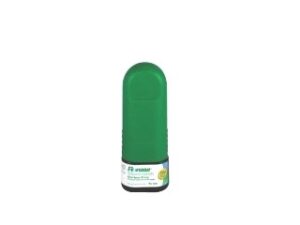
Fluticasone (Nasal / Inhaled) – Patient Guide (UK)
Fluticasone is a widely used medicine that helps reduce inflammation in the airways or nose. In the UK, it is available in different forms, most commonly as:
- Nasal spray for allergic rhinitis (hay fever) and similar nasal symptoms
- Inhalers for asthma and other inflammatory lung conditions
This guide explains what fluticasone does, how it works, how to use it effectively, and important safety and interaction information for people in the United Kingdom.
Basic product information
| Feature | Details |
|---|---|
| Active ingredient | Fluticasone (commonly fluticasone propionate or fluticasone furoate depending on product) |
| Medicinal class | Inhaled or intranasal corticosteroid (anti-inflammatory steroid) |
| Common forms | Nasal spray; inhalers (often preventer therapy); sometimes combined inhalers |
| Typical uses | Hay fever/allergic rhinitis; asthma (maintenance/prevention); some chronic airway conditions |
| How it is taken | In the nose (spray) or lungs (inhaler). It is not usually taken by mouth. |
Note: The exact strength, dosing schedule, and device technique can vary by product and formulation. Always follow the instructions supplied with your specific medicine.
How fluticasone works (mechanism of action)
Fluticasone is a corticosteroid that acts locally in the nose or lungs to reduce inflammation. In inflammatory conditions such as allergic rhinitis or asthma, the body releases substances that cause:
- Swelling of the lining (mucosa) or airways
- Increased mucus production
- Airway hyper-reactivity
- Symptoms such as sneezing, blocked nose, cough, wheeze, and shortness of breath
Fluticasone helps by:
- Reducing inflammatory signalling in the tissues
- Lowering immune cell activity involved in the allergic/inflammatory response
- Stabilising airway or nasal tissues so they react less strongly to triggers
Key point: Fluticasone is a preventer. It works best when used regularly rather than only when symptoms become severe.
Pharmacokinetics (how the body handles fluticasone)
Pharmacokinetics describes what happens to a medicine in the body—absorption, distribution, metabolism, and elimination.
Absorption
- Nasal spray: Absorption occurs through the nasal mucosa. A portion may be swallowed and processed by the digestive system.
- Inhalers: Some medicine deposits in the lungs; some may be swallowed. Because of the formulation and route, systemic absorption is generally lower than with oral steroids.
Distribution
Fluticasone is distributed in the body after absorption. Most effects are intended to be local in the nose or lungs.
Metabolism
Fluticasone is primarily metabolised in the liver by the CYP3A4 enzyme.
Elimination
Metabolites are eliminated mainly via the faeces and urine. Because metabolism is efficient and systemic exposure is usually limited, clinically significant steroid effects are less common when used correctly at recommended doses.
Typical uses and indications in the UK
Fluticasone products are used for conditions where inflammation plays a major role:
Common indications
- Allergic rhinitis (hay fever): sneezing, itching, runny nose, and blocked nose
- Perennial rhinitis: symptoms year-round (e.g., dust mite sensitivity)
- Asthma: maintenance therapy to reduce symptoms and prevent flare-ups (often referred to as “preventer” treatment)
- Chronic inflammatory airway conditions: depending on the specific inhaler and guidance used by clinicians
Important: Fluticasone does not usually provide immediate relief. For sudden asthma symptoms, a fast-acting reliever medicine (such as a short-acting beta2 agonist) is typically used according to individual treatment plans.
When to take fluticasone (timing and onset)
Nasal spray timing
- For hay fever or predictable seasonal symptoms, start using fluticasone before pollen exposure when possible (for example, a few days to 1–2 weeks ahead, depending on your pattern of symptoms and product guidance).
- Many people notice improvement within 24–48 hours, but full benefit may take several days to a few weeks.
Inhaled fluticasone timing
- Inhaled fluticasone is taken regularly as a preventive medicine.
- Some improvement may be felt in days, but full control can take longer—consistent use is essential.
Missed dose
- If you miss a dose, take it when you remember unless it is close to the next dose.
- Do not double up.
Food interactions
Because fluticasone is administered via the nose or lungs, direct food interactions are generally unlikely.
- However, some inhaled medication may be swallowed. In most cases, food does not significantly change its effect, but taking it as instructed helps maintain consistent dosing.
- If your product leaflet advises rinsing the mouth or using mouth care, follow those steps to reduce the risk of mouth/throat side effects.
Practical tip: If you use an inhaled corticosteroid, rinsing your mouth after dosing (unless your product instructions say otherwise) can help reduce local effects like hoarseness or oral thrush.
Alcohol and medicine interactions
Alcohol
There are no widely established direct interactions between fluticasone and typical amounts of alcohol. However, alcohol may worsen underlying conditions (for example, asthma triggers or allergic symptom perception) in some individuals.
- If alcohol affects your breathing or triggers symptoms, consider limiting intake and seek advice.
- Do not stop prescribed asthma or allergy medicines because of alcohol use.
Medicine interactions (especially important)
Fluticasone is metabolised by CYP3A4, so medicines that strongly inhibit this enzyme can increase fluticasone levels and raise the risk of steroid-related side effects.
Tell a healthcare professional if you take any of the following:
- Strong CYP3A4 inhibitors such as certain antiviral or antifungal medicines (e.g., some drugs used for HIV or fungal infections)
- Other steroids (oral or high-dose inhaled/nasal steroid) due to possible increased overall steroid exposure
- Some medicines affecting liver metabolism that may alter steroid clearance
Herbal products and supplements: Some can affect liver enzymes too. If you use supplements, it is wise to ask your pharmacist whether they may interact.
Dosing and how to use fluticasone safely
Dose varies with:
- The specific fluticasone product (nasal spray vs inhaler)
- The strength (micrograms per actuation, or per inhalation)
- Age and the condition being treated
- Severity and response
Follow the instructions provided for your exact product. Below is general information about dosing approach and technique.
Nasal spray dosing approach
- Typical regimens are once or twice daily depending on the brand and strength.
- Many patients use it daily during allergy seasons or continuously for perennial symptoms.
Inhaled fluticasone dosing approach
- Often used once or twice daily depending on the prescribed strength and device.
- Some people use combination inhalers containing both an inhaled steroid (including fluticasone) and a long-acting bronchodilator. If yours is a combination product, the dosing schedule relates to that specific inhaler.
Technique matters (practical steps)
Using a nasal spray
- Gently blow your nose before use to clear mucus.
- Shake the bottle if instructed on the label.
- Insert the nozzle into one nostril and aim slightly outward (towards the outer side of the nose), not towards the septum.
- Press to release the spray while breathing in gently through the nose if advised by your product leaflet.
- Repeat for the other nostril if required.
- Wipe and replace the cap. Keep the nozzle clean as directed.
Using a fluticasone inhaler
- Use the correct technique for your device type (e.g., Diskus, Accuhaler, aerosol, etc.).
- If it’s a dry powder inhaler, breathing in firmly and deeply at the right moment is often critical.
- If it’s an aerosol, slow, steady inhalation
- After use, rinse your mouth (and spit) if recommended for your specific inhaler.
- Store the device as instructed and keep it dry if it is a dry powder inhaler.
Device coaching: In the NHS, inhaler technique support is commonly available. If symptoms are not well controlled, your pharmacist or GP may check technique and adherence, as incorrect use is a frequent reason for poor effect.
Safety profile and side effects
Like all corticosteroids, fluticasone can cause side effects. Many people experience none or only mild effects, especially when used at recommended doses and correctly.
Common side effects
- Nasal spray: dryness, irritation, nosebleeds (epistaxis), headache
- Inhalers: hoarseness, throat irritation, cough, oral discomfort
Less common but important effects
- Oral thrush (for inhaled steroids): white patches in the mouth, sore mouth—risk may be reduced by mouth rinsing
- Systemic steroid effects are uncommon with local therapy, but may be more likely at higher doses or prolonged use, especially if combined with other steroids
- Eyes: prolonged steroid exposure can affect eye health in some people; tell a clinician if you have vision changes
When to seek urgent medical help
Get urgent advice if you experience:
- Severe wheezing or breathing difficulty not relieved by your reliever medicine
- Signs of a severe allergic reaction (e.g., swelling of face/lips, trouble breathing, widespread rash)
- Serious nose bleeding that does not stop
Special considerations
- Children: growth monitoring may be considered for long-term high-dose inhaled steroids. Use the lowest effective dose and follow clinician guidance.
- Pregnancy and breastfeeding: many patients can use inhaled or intranasal steroids when benefits outweigh risks. Discuss with a healthcare professional for personal advice.
- Infections: if you have untreated infections (particularly fungal infections in the mouth or respiratory tract), seek advice.
Practical use tips for best results
- Use consistently: fluticasone often works best when taken regularly, even when you feel better.
- Start early for hay fever: begin before symptoms would be expected to start in your usual season.
- Check technique: incorrect nasal spray direction or inhaler technique can reduce effectiveness.
- Don’t stop abruptly without advice: particularly for asthma, since control may deteriorate.
- Manage side effects promptly: if you get frequent nosebleeds or throat irritation, review technique and ask for advice.
- Keep records: note symptom patterns and whether you missed doses. This can help tailor treatment with your pharmacist/GP.
Alternative options
If fluticasone is not suitable or not fully effective, options may include other anti-inflammatory treatments or supportive therapies, depending on the condition.
For allergic rhinitis
- Other intranasal corticosteroids (different molecules, similar class)
- Antihistamine tablets or antihistamine nasal sprays
- Barrier methods (e.g., nasal saline rinses, where appropriate)
For asthma
- Different inhaled corticosteroids or combination inhalers (steroid plus long-acting bronchodilator)
- Leukotriene receptor antagonists in selected cases
- Biologic therapies for severe asthma (specialist-led)
Choosing an alternative: depends on symptom severity, triggers, age, device preference, and past response. A pharmacist or GP can help compare options.
UK market and legal/regulatory context
In the United Kingdom, corticosteroid medicines like fluticasone are regulated and supplied under pharmacy and medicine-supply rules. Availability depends on:
- Product type and strength
- Whether it is classified as a pharmacy medicine, prescription-only medicine, or available under other supply arrangements
- Local pharmacy policies and the medicine’s regulatory status
Many intranasal corticosteroids for hay fever may be available without the need for a consultation in certain strengths/brands, while inhaled and higher-strength products often require more formal medical assessment. Your pharmacy will confirm what can be supplied based on the specific product and eligibility.
Good practice: Always ensure you have the correct product for your condition and that you understand how to use the device properly.
Recent guidance and public health considerations (UK)
In the UK, national guidance commonly emphasises:
- Inhaler technique checks at reviews, because incorrect technique reduces benefit
- Using preventive medicines regularly for asthma control rather than relying only on relievers
- Assessing symptom control and stepping up or down treatments based on response
- Reducing avoidable side effects through correct administration (e.g., rinsing after inhaled steroids)
For allergic rhinitis, guidance typically encourages:
- Starting intranasal corticosteroids early during allergy seasons
- Regular use for persistent symptoms
- Checking technique to reduce nose irritation and improve effectiveness
Important: Guidance evolves. If you have questions about current best practice for your condition, ask your pharmacist or GP.
Delivery and availability in the UK
Availability depends on the specific fluticasone product (brand, device type, and strength). Online pharmacies in the UK may offer delivery services across the country, with delivery times varying by:
- Your location
- Stock availability
- Whether the medicine is held locally or dispatched from a central warehouse
What to expect when ordering:
- Clear product information on strength and device type
- Packaging that helps protect the spray or inhaler during transit
- Product leaflets included with the medicine (or accessible electronically, depending on the supplier)
Storage: Follow the instructions on the label. Many inhalers and sprays should be stored at room temperature, away from direct heat and sunlight. Keep nasal devices capped and clean as directed.
FAQ – Fluticasone (UK)
1) Does fluticasone work immediately?
Not usually. Fluticasone is designed to reduce inflammation over time. Nasal symptoms may improve within 1–2 days, but full benefit can take longer. In asthma, improvement may occur gradually and consistent use is key.
2) Can I stop fluticasone when I feel better?
For asthma, stopping preventive treatment can lead to worsening control. For hay fever, some people stop at the end of the season, but if symptoms return quickly, regular use may be recommended. Discuss with a healthcare professional if unsure.
3) What is the difference between a reliever and fluticasone?
Relievers (commonly short-acting bronchodilators) help open airways quickly during symptoms. Fluticasone prevents inflammation and helps control symptoms over the longer term.
4) Why do I still have symptoms if I’m using fluticasone?
Common reasons include missed doses, incorrect technique, triggers continuing (e.g., pollen exposure), or the need for treatment adjustment. Checking technique with a pharmacist and maintaining regular use often helps.
5) Can fluticasone cause nosebleeds?
Yes. Nose dryness and irritation can lead to nosebleeds. Using the spray correctly, aiming slightly outward, and moisturising the nasal area appropriately (if advised) can help. Seek advice if nosebleeds are frequent or severe.
6) Do I need to rinse my mouth after using an inhaler?
Many inhaled corticosteroid products recommend rinsing your mouth and spitting after use to help prevent throat irritation and oral thrush. Follow your product leaflet.
7) Is it safe for children?
Fluticasone can be used in children for appropriate conditions, but dosing and monitoring should be individualised. Ask a pharmacist or GP for advice and ensure correct technique.
8) Are there any foods I should avoid?
Direct food interactions are not generally expected. Take your medicine as directed. If swallowing occurs (from inhaled products), it does not typically require dietary changes.
9) Can I drink alcohol while using fluticasone?
There are no common, well-known direct interactions. However, alcohol can worsen breathing or trigger symptoms in some people. If you notice that alcohol makes your symptoms worse, consider reducing intake and seek advice.
10) What medicines should I be cautious about?
Medicines that strongly affect liver enzymes—especially CYP3A4 inhibitors—may increase fluticasone levels. Tell your pharmacist about all medicines you take, including antifungals and antivirals, to check compatibility.
Disclaimer: This information is designed to help you understand fluticasone. It does not replace medical advice. If you have symptoms that worsen, concerns about side effects, or questions about which fluticasone product is right for you, speak to your pharmacist or GP.