
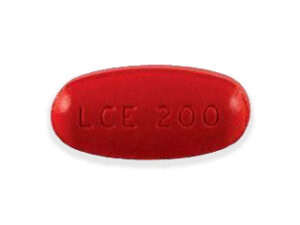

Carbidopa + Levodopa (L-Dopa) — Patient Information
Carbidopa + Levodopa is a medicine used to treat symptoms of Parkinson’s disease and related conditions. It combines two medicines in one product: levodopa, which your brain uses to make dopamine, and carbidopa, which helps levodopa work better and reduces certain side effects.
This page explains how the medicine works, how it is typically taken, important safety information, interactions (including food, alcohol, and other medicines), and what to expect in everyday use. Guidance can vary depending on your exact brand and strength, so always follow the instructions given with your medicine.
Basic product information
| Category | Details |
|---|---|
| Medicinal ingredients | Carbidopa + Levodopa |
| How it helps | Increases dopamine activity in the brain |
| Common forms | Tablets or modified-release tablets/capsules (varies by brand) |
| Typical use | Parkinson’s disease (and some Parkinsonism syndromes, as advised) |
| Where it is used | UK (availability depends on local prescribing/stock and product brand) |
How Carbidopa + Levodopa works (mechanism of action)
Parkinson’s disease involves reduced dopamine activity in the brain. Levodopa is a precursor to dopamine: your body (especially the brain) can convert levodopa into dopamine to help improve symptoms.
However, levodopa is also broken down in the rest of the body before it reaches the brain. This can reduce effectiveness and increase side effects such as nausea and vomiting.
Carbidopa is a peripheral decarboxylase inhibitor. It blocks enzymes outside the brain that normally convert levodopa into dopamine. As a result:
- More levodopa reaches the brain
- Less levodopa is converted in the body
- Side effects like nausea may be reduced
- Lower doses of levodopa may be effective
Pharmacokinetics (how your body handles the medicine)
“Pharmacokinetics” describes absorption, distribution, metabolism and excretion. Actual values can vary between products (immediate-release vs modified-release) and between people.
Levodopa
- Absorption: Levodopa is absorbed from the gut. Food and meal composition can affect absorption.
- Distribution: It crosses into the brain where it can be converted to dopamine.
- Metabolism: It is metabolised mainly by pathways including decarboxylation (reduced by carbidopa) and other metabolic routes.
- Elimination: Metabolites are excreted primarily in urine.
Carbidopa
- Absorption: Carbidopa is absorbed and works mainly in the periphery to inhibit decarboxylase enzymes.
- Metabolism and elimination: It is metabolised and excreted, contributing to its overall effect duration.
If you are switched between brands or formulations, symptoms can change because absorption timing may differ. Your healthcare team may adjust your schedule or dose accordingly.
Typical use in the UK
Carbidopa + levodopa is widely used in the UK for the management of Parkinson’s disease. It helps improve motor symptoms such as:
- Bradykinesia (slowness of movement)
- Rigidity (stiffness)
- Tremor (shaking)
- Postural instability (balance problems), as part of overall management
Treatment plans often include other therapies (for example, other Parkinson’s medications, physiotherapy, and lifestyle measures). Your overall regimen is usually tailored to symptom severity and side effects.
Indications (what it is used for)
In general, carbidopa + levodopa is used for:
- Parkinson’s disease (symptomatic treatment)
- Parkinsonism conditions where levodopa responsiveness is expected or has been demonstrated, as determined by a clinician
The exact approved indication can vary slightly by product. Always rely on the leaflet supplied with your specific medicine.
How to take it: dosing and timing
Dosing is individual and depends on your symptoms, age, other medicines, and how well you tolerate treatment. Some people start with a low dose and gradually increase (“titration”) to reduce side effects.
General principles for timing
- Follow your prescribed schedule closely, and try to take doses at consistent times.
- Do not stop suddenly. Abrupt discontinuation can lead to worsening symptoms. If you need to stop, ask your healthcare team for a plan.
- Modified-release formulations (if your brand is extended/modified-release) should be taken as directed. Don’t split, crush, or chew unless the leaflet says it is safe.
Typical dosing patterns (illustrative)
In practice, doses are adjusted gradually. Many regimens involve multiple doses through the day to maintain symptom control. A common approach is:
- Start low and increase over days to weeks as needed
- Take each dose evenly spaced unless your regimen specifies otherwise
- If you experience “wearing off” (symptoms returning before the next dose), your prescriber may adjust the dose frequency or use a modified-release option.
Because each product has a specific strength and formulation, the best way to confirm dosing is to read the leaflet for your brand and follow the instructions provided by your clinical team.
What to expect: onset, peak, and “wearing off”
Levodopa often improves symptoms within the first days to weeks, but the degree of benefit varies. Some people notice effects sooner, while others require dose adjustment.
- Onset: typically within an hour or so for immediate-release forms, but varies with food and formulation.
- Duration: may be shorter as disease progresses, leading to “wearing off.”
- Fluctuations: Over time, some people develop changes in mobility (“on/off” periods). This can often be managed by adjusting the dosing schedule or adding other therapies.
Food interactions and meal timing
Food—especially protein-rich meals—can influence how much levodopa is absorbed and how much reaches the brain.
Protein and levodopa
Competition can occur between amino acids (from protein) and levodopa during transport across the gut and possibly across the blood–brain barrier. If you notice symptoms become worse after high-protein meals, your clinician may suggest a strategy such as:
- taking doses away from the biggest protein meal
- distributing protein intake evenly across the day
- in some cases, a tailored low-protein or modified timing approach with dietitian support
General meal guidance
- If your symptoms fluctuate after meals, consider keeping meal timing and protein amounts consistent and discuss adjustments with your healthcare team.
- Do not change your diet dramatically without professional advice, especially if you are elderly or have weight loss.
High-fibre and timing
Large or very high-fibre meals may delay gastric emptying and can affect absorption. If you experience delayed symptom relief, your prescriber may review whether timing changes help.
Alcohol and medicine interactions
Alcohol
Alcohol can worsen some side effects such as dizziness, sleepiness, and coordination problems. It may also interfere with how you feel overall when taking Parkinson’s medicines. If you choose to drink, keep it moderate and be alert to light-headedness or falls.
Other medicines (important interactions)
Carbidopa + levodopa can interact with a range of medicines. Some interactions may reduce effectiveness; others may increase risk of side effects. Always tell your pharmacist and prescriber about all medicines you take, including over-the-counter products and herbal remedies.
Medicines that may need extra caution
- Antipsychotics (some can worsen Parkinson’s symptoms)
- Metoclopramide and similar dopamine antagonists
- Some antidepressants, especially MAO inhibitors (see below)
- Iron supplements (discuss timing; iron can affect levodopa absorption in some cases)
- Antihypertensives (may increase risk of low blood pressure or dizziness)
MAO inhibitors
MAO inhibitors can significantly affect levodopa metabolism and may increase the risk of serious side effects. If an MAO inhibitor is used, it requires careful selection and monitoring.
Anticholinergics
Anticholinergic Parkinson’s medicines may be used in some regimens, but they can increase confusion or dry mouth. The best approach depends on your age and symptoms.
Other Parkinson’s medicines
When combined with dopamine agonists, COMT inhibitors, amantadine, or MAO-B inhibitors, symptom control may improve. However, the risk of certain side effects (such as dyskinesia or hallucinations) can also change. Your clinician may adjust doses accordingly.
Safety profile: common and serious side effects
Like all medicines, carbidopa + levodopa can cause side effects. Some are more common early in treatment and often improve as your dose is adjusted. If you develop severe symptoms, seek urgent medical advice.
Common side effects
- Nausea and vomiting (carbidopa often helps reduce this)
- Dizziness or light-headedness
- Loss of appetite
- Dry mouth
- Headache
- Changes in blood pressure, including orthostatic hypotension (feeling faint when standing)
- Sleepiness or fatigue
Motor side effects (dose-related)
- Dyskinesia (involuntary movements, such as writhing or twitching)
- “On/off” fluctuations and wearing off
If you notice new or worsening involuntary movements or unpredictable mobility, contact your clinician. Dose or timing changes may help.
Mental health and neurological warning signs
- Hallucinations (seeing or hearing things that aren’t there)
- Confusion, agitation, or delirium
- Sudden sleep episodes or marked drowsiness
- Impulse control problems (e.g., compulsive gambling, eating, shopping, or sexual behaviour)
Report these promptly. Early action is important, especially if a caregiver notices changes.
When to seek urgent help
Get urgent medical advice if you experience:
- Severe allergic reaction (swelling of face/lips, difficulty breathing)
- Chest pain, severe shortness of breath, fainting
- High fever, severe muscle stiffness, confusion (a rare emergency condition)
- Severe or persistent vomiting or inability to keep fluids down
Practical use tips (making treatment easier)
Reduce nausea and stomach upset
- Take your dose at the same times each day.
- If your leaflet permits, some people find relief with small snacks, but avoid dramatic high-protein meals right around dosing.
- If nausea persists, tell your clinician—dose adjustment may help.
Manage dizziness and fall risk
- Stand up slowly, especially in the morning or after sitting.
- Stay hydrated and avoid sudden position changes.
- If you feel faint repeatedly, seek medical advice—blood pressure may need review.
Keep a symptom diary
Many people benefit from noting:
- dose times
- when symptoms improve (“on” time)
- when symptoms return (“off” or wearing off)
- any side effects such as nausea, dizziness, hallucinations, or involuntary movements
This can help your healthcare team fine-tune timing or formulation.
Don’t miss doses, and plan for the day
- Carry spare doses when travelling (if safe and allowed by your plan).
- When travelling across time zones, ask your clinician or pharmacist how to adjust your schedule.
Alternative options
Parkinson’s management is individual. Depending on your symptoms and stage of disease, other treatment options may include:
- Other levodopa formulations (immediate-release or modified-release)
- Dopamine agonists (e.g., pramipexole, ropinirole—choice depends on age and risk factors)
- MAO-B inhibitors (help reduce dopamine breakdown)
- COMT inhibitors (extend levodopa effect)
- Amantadine (can help some symptoms and dyskinesia in selected people)
- Anticholinergic medicines for tremor in some cases
- Physiotherapy, occupational therapy, and speech therapy for supportive care
If you are considering switching brands or formulations, it is important to do so under clinical guidance because absorption and symptom control may differ.
UK market and legal context (overview)
In the United Kingdom, medicines containing levodopa and carbidopa are regulated by the Medicines and Healthcare products Regulatory Agency (MHRA). Availability can vary by brand, formulation, and supply.
For online pharmacies, product availability depends on current UK stock and the status of the relevant product. Availability may be affected by supply chain factors, formulation changes, or temporary shortages.
If your usual product is unavailable, your pharmacist may offer an equivalent option only if it is appropriate for your regimen. When switching, clinicians often consider dose and formulation equivalence.
Recent guidance (general themes)
UK Parkinson’s care commonly emphasises:
- Individualised dosing and careful titration to balance symptom relief with side effects
- Monitoring motor fluctuations (“wearing off,” dyskinesia) and adjusting treatment over time
- Assessment of falls risk and orthostatic hypotension
- Recognition of neuropsychiatric symptoms such as hallucinations and impulse control changes
- Support with non-pharmacological care (exercise, mobility aids, speech/swallow support)
If you are unsure what applies to you, ask your GP, neurologist, or Parkinson’s specialist nurse.
Delivery and availability (UK online pharmacy)
Delivery options and dispatch times vary depending on your location and local courier services. Many UK online pharmacies offer:
- Home delivery (tracked where available)
- Multiple delivery windows depending on stock status
- Regular restocking for popular formulations
If your exact strength or modified-release form is temporarily out of stock, the pharmacy may contact you regarding alternatives. Avoid ordering multiple strengths at once without confirming equivalence with your clinician or pharmacist.
FAQ
1) What is carbidopa + levodopa used for?
It is used mainly for Parkinson’s disease to improve movement-related symptoms such as slowness, stiffness and tremor.
2) How quickly will I feel better?
Many people notice symptom improvement within hours for immediate-release forms, but overall benefit and stability can take days to weeks as dosing is adjusted.
3) Can I take it with food?
It is generally taken according to your brand’s leaflet and your dosing plan. Food—especially protein-rich meals—may affect levodopa absorption and symptom control. Keeping consistent meal timing can be helpful.
4) Should I avoid protein?
You do not necessarily need to avoid protein entirely. However, if you notice your symptoms worsen after high-protein meals, your clinician may recommend adjusting when you eat protein or how much you consume at certain times. Don’t make major dietary changes without professional advice.
5) What if I miss a dose?
Take the missed dose only if it is close to your next planned dose timing; otherwise, skip and continue as normal. Avoid doubling doses. If you frequently miss doses, speak to your pharmacist for practical tips.
6) What side effects should make me call my doctor urgently?
Seek urgent medical help for severe allergic reactions, severe persistent vomiting/dehydration, high fever with severe muscle stiffness and confusion, or sudden worsening of your health. Contact a clinician promptly for hallucinations, new confusion, severe dizziness, or involuntary movements that are worsening.
7) Can I drink alcohol while taking it?
Alcohol may worsen dizziness and drowsiness and increase fall risk. If you drink, keep it moderate and observe how you feel—especially when starting or adjusting doses.
8) Is it safe to drive?
Some people experience sleepiness or sudden sleep episodes. If you feel drowsy, dizzy, or have episodes of sudden sleep, avoid driving and discuss with your clinician. Always follow UK safety expectations and your health professional’s advice.
9) Can I take other medicines at the same time?
Many medicines can be taken together, but some may reduce effectiveness or increase side effects. Tell your pharmacist about all medicines, including over-the-counter products and herbal remedies.
10) Are there different types of carbidopa + levodopa?
Yes. Some products are immediate-release, while others are modified-release. The timing and effect can differ, so avoid switching without clinical direction.
Important: This information is intended to help you understand carbidopa + levodopa and how it is commonly used in the UK. It does not replace the patient information leaflet for your specific brand or the advice of a healthcare professional. If you have questions about side effects, interactions, or a change in symptoms, contact your pharmacist or clinician.