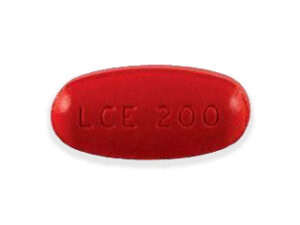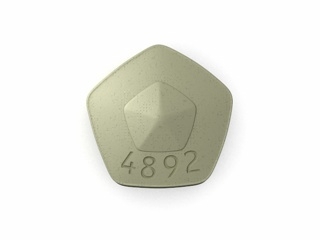


Requip (Ropinirole) — Patient Guide (UK)
Requip contains ropinirole, a medicine used to treat specific movement-related conditions. This guide explains how it works, how it’s typically taken, and what to consider for safety and everyday use in the United Kingdom.
If you have any questions about your treatment, always follow the advice of your healthcare professional. This information is intended to help you understand your medicine more clearly.
1) Basic product information
- Brand name: Requip
- Active ingredient: Ropinirole
- Medicine type: Dopamine agonist
- Common forms: Tablets (various strengths); some patients may use prolonged-release formulations depending on local availability and suitability
- Who it’s for: People with Parkinson’s disease or restless legs syndrome (where appropriate)
- Country context: Marketed and supplied in the UK under standard NHS/UK pharmacy frameworks
Important: Product strengths and dosing schedules can differ between immediate-release and prolonged-release versions. Use only the formulation you were prescribed/dispensed and confirm the strength with your packaging.
2) What Requip does (mechanism of action)
Ropinirole belongs to a class of medicines called dopamine agonists. Dopamine is a chemical messenger involved in movement and nerve signalling.
In conditions such as Parkinson’s disease and restless legs syndrome, dopamine activity in certain brain pathways is reduced or imbalanced. Ropinirole works by stimulating dopamine receptors—helping to improve symptoms such as stiffness, slowness, tremor, or uncomfortable leg sensations.
- Parkinson’s disease: helps reduce “off” time and improves motor symptoms (often used as monotherapy in some patients, or alongside levodopa in others)
- Restless legs syndrome: helps ease uncomfortable sensations and urges to move the legs, especially at night
3) Pharmacokinetics (how the body handles it)
Pharmacokinetics describes what the body does to a medicine—absorption, distribution, metabolism, and elimination.
- Absorption: Ropinirole is absorbed after taking it by mouth.
- Time to peak effect: The medicine reaches peak levels in the bloodstream within a few hours for immediate-release forms (exact timing can vary by formulation).
- Metabolism: Mainly processed by the liver via enzymes (notably CYP1A2).
- Elimination: The medicine is broken down and removed primarily through the kidneys.
- Half-life (approximate): The duration of effect can vary; the body clears it over time, which is why dosing is scheduled daily.
Why this matters: Changes in liver function, smoking status, and certain medicines that affect liver enzymes may change how strongly or how long ropinirole works.
4) Typical use and timing
For Parkinson’s disease
Requip is usually taken several times daily depending on the formulation, with gradual dose increases to improve tolerability.
- Timing: Often taken at set times each day, and continued long-term (as advised).
- How it’s started: Many patients begin on a low dose and increase slowly.
- Goal: To reduce symptoms and smooth out fluctuations in movement.
For restless legs syndrome (RLS)
Requip is typically taken in the evening because symptoms often occur at night and in periods of rest.
- Timing: Commonly taken 1–3 hours before bedtime for immediate-release dosing (follow your specific product instructions).
- Adjustments: If symptoms worsen, start earlier, or spread to other body parts, contact a clinician—this may indicate a phenomenon called augmentation.
5) Indications (what conditions it treats)
In the UK, ropinirole (Requip) is used for:
- Parkinson’s disease: treatment of the motor symptoms, either as monotherapy or as an add-on to levodopa (depending on patient needs)
- Restless legs syndrome: treatment in adults where symptoms meet clinical criteria (often in moderate to severe cases)
6) Dosing (important guidance)
Dosing must be tailored to the individual. This section provides general information only.
- Start low, go slow: Ropinirole is frequently increased gradually to reduce side effects such as nausea, dizziness, or sleepiness.
- Follow your regimen: Take the exact strength and schedule described on your medicine label.
- If doses are missed: Do not “double up” without advice. Restarting may require a dose adjustment—ask your pharmacist or prescriber.
General starting and adjustment principles (UK practice)
Your clinician will choose a starting dose based on:
- your condition (Parkinson’s vs RLS)
- age
- other medicines you take
- tolerance and side effects
- kidney or liver function (if relevant)
Note: Exact dose schedules differ between formulations (immediate-release vs prolonged-release). Always use the guidance provided with your specific product.
7) How to take Requip (practical tips)
- Take with water: Swallow tablets whole unless your formulation instructions allow otherwise.
- Consistency: Try to take it at the same time(s) each day.
- Gradual dose changes: If you’re increasing the dose, monitor side effects closely during the first weeks.
- Do not stop suddenly: Stopping abruptly can cause problems such as worsening symptoms or, in some cases, withdrawal-like effects. If you need to stop, tapering may be recommended by your clinician.
If you experience persistent nausea, dizziness, or sleepiness, do not ignore these—seek advice. Sometimes timing changes or slower titration can help.
8) Food interactions
Food can affect how ropinirole is absorbed, particularly for immediate-release forms.
- With or without food: Many patients are able to take ropinirole with food, which may help reduce stomach upset.
- Consistency is key: Try not to make large changes to your eating routine around doses unless your pharmacist advises it.
Your product leaflet or label will provide specific instructions. If you are unsure whether your formulation should be taken with food, check with your pharmacist.
9) Alcohol interactions
Alcohol can increase drowsiness and impair judgement. Because ropinirole may cause sleepiness or dizziness in some people, combining it with alcohol can increase the risk of falls or accidents.
- Avoid or limit alcohol: Especially when you are adjusting to a new dose.
- Watch for impairment: If you feel slowed down or drowsy, do not drive or operate machinery.
If alcohol affects your symptoms or your ability to function safely, discuss options with your healthcare professional.
10) Medicine interactions (including smoking)
Because ropinirole is metabolised by liver enzymes (notably CYP1A2), other substances can change its level in the body.
Common interaction themes
- Medicines that increase or decrease CYP1A2 activity: can alter ropinirole exposure, potentially requiring monitoring or dose adjustments.
- Other medicines that affect the brain: sedatives may increase drowsiness and dizziness.
- Medicines that affect dopamine pathways: some may reduce the effect of ropinirole or raise the risk of side effects.
- Antipsychotics: may counteract dopamine agonist effects (commonly important for safety and symptom control).
Smoking and nicotine
Smoking cigarettes (and possibly other tobacco smoke exposure) can increase CYP1A2 activity. This may reduce ropinirole levels and make it feel less effective.
- If you start smoking or stop smoking, tell your clinician/pharmacist—your dose may need adjustment.
Practical advice
- Provide your pharmacist with a list of all medicines and supplements you take, including occasional products.
- Be especially cautious with:
- sleeping tablets and sedating antihistamines
- strong pain medicines (opioids)
- some antidepressants/antipsychotics (depending on the specific agent)
- medicines for reflux or other conditions that may interact through liver enzymes (varies by medicine)
11) Safety profile and side effects
Like all medicines, Requip can cause side effects. Many are dose-related and improve as your body adjusts, particularly when dose increases are gradual.
Common side effects
- Nausea (feeling sick)
- Dizziness or light-headedness
- Somnolence (sleepiness)
- Fatigue
- Low blood pressure symptoms (sometimes especially on standing)
- Headache
Other possible effects
- Swelling of the legs/ankles
- Vomiting
- Constipation
- Hallucinations or confusion (more likely in older adults and those with cognitive impairment)
Serious but less common: seek urgent advice if
- Severe allergic reaction (e.g., swelling of the face/lips, trouble breathing)
- Fainting or severe dizziness with falls
- Uncontrolled movements (in some Parkinson’s patients, depending on overall regimen)
- Marked behavioural changes or extreme impulsivity
- Sudden onset sleep episodes (falling asleep unexpectedly)
- Severe confusion or agitation
Impulse control and compulsive behaviours
Dopamine agonists can sometimes cause impulse control problems in susceptible individuals. Report any of the following to a clinician promptly:
- compulsive gambling
- unusual increased sexual behaviour
- compulsive shopping
- binge eating or uncontrollable urges
Sleepiness and “sleep attacks”
Requip may cause drowsiness. Some people experience sudden sleep onset without warning.
- Until you know how it affects you: avoid driving and hazardous activities.
- If you notice sleepiness or episodes of falling asleep unexpectedly, tell your healthcare professional immediately.
Augmentation in restless legs syndrome
With long-term dopaminergic treatment for RLS, some patients may experience augmentation—symptoms begin earlier in the day, become more intense, or spread to other body parts.
- Report these changes early; a treatment review may be needed.
12) Delivery and availability in the UK
Requip is widely available through UK pharmacies and online pharmacy services that operate legally within the UK medicines supply framework. Stock availability can vary by:
- strength and formulation (immediate-release vs prolonged-release)
- manufacturer supply schedules
- local pharmacy logistics
When ordering online, you may see expected delivery times at checkout. Reputable online pharmacies typically dispatch items promptly and provide tracking or confirmation of dispatch.
Tip: If you need regular supply (for chronic conditions), consider ordering in advance to avoid running out.
13) Market and legal context (UK)
In the UK, medicines are supplied under regulated frameworks. Ropinirole is classified and dispensed according to UK legal requirements, with appropriate pharmacy checks to ensure safe supply.
- Online pharmacies should be GPhC-registered and provide transparent information about supply processes.
- Medicines packaging must include clear dosing instructions and product identifiers.
- Pharmacies must follow UK rules regarding assessment of suitability and safe use.
Local guidance and availability may differ between NHS and private supply pathways. Your pharmacy team can confirm the most appropriate options for your situation.
14) Recent guidance and best-practice notes (UK)
UK clinical practice has increasingly emphasized:
- Careful dosing and monitoring when starting dopamine agonists
- Reviewing long-term treatment for restless legs syndrome, particularly for augmentation and impulse control issues
- Prompt assessment of side effects such as sleepiness, hallucinations, or behavioural changes
- Individualised therapy based on symptoms, comorbidities, and tolerability
If you have RLS, you may be offered or advised on alternative options such as alpha-2-delta ligands (commonly used in modern pathways) depending on your history and symptom pattern.
15) Alternative options
The “best” alternative depends on whether you’re treating Parkinson’s disease or restless legs syndrome, and how well you tolerate ropinirole.
For Parkinson’s disease (examples of alternatives)
- Levodopa (often the most effective for motor symptoms)
- Other dopamine agonists (different side-effect profiles; selection depends on patient factors)
- MAO-B inhibitors
- COMT inhibitors (used in combination in some cases)
- Amantadine (depending on symptoms such as dyskinesia)
- Physiotherapy and supportive care alongside medicines
For restless legs syndrome (examples of alternatives)
- Alpha-2-delta ligands (commonly used options for RLS)
- Correcting iron deficiency when present (iron studies may be considered)
- Non-medicine measures such as sleep hygiene and leg symptom routines
- In some cases, other medication classes may be considered by clinicians
Always discuss changes with a healthcare professional—stopping one medicine and starting another may require overlap or a planned taper.
16) Practical “day-to-day” tips
- Keep track of timing: note when you take your dose and when symptoms improve or worsen.
- Watch for dizziness: rise slowly from sitting or lying positions.
- Sleep and RLS routines: maintain a consistent bedtime and reduce stimulating activities late in the day.
- Alcohol awareness: consider avoiding alcohol until you know your personal response.
- Driving and machinery: do not drive if you feel sleepy or have had sleep episodes.
- Report unusual urges or behaviour: early reporting helps prevent escalation and supports safer care.
17) FAQ
How long does it take Requip to work?
Some people notice symptom improvement within days, particularly for restless legs syndrome. For Parkinson’s disease, effects may evolve over weeks as the dose is adjusted. Your clinician will monitor response and side effects during titration.
What should I do if I miss a dose?
Follow the instructions from your medicine label or the advice given by your pharmacist. In general, do not take extra doses to “catch up” unless specifically instructed. If you miss multiple doses, restarting may require guidance.
Can I take Requip with food?
Many patients find it easier on the stomach if taken with food. However, the exact recommendation may depend on the product type and your specific label. If you’re unsure, ask your pharmacist.
Does Requip cause drowsiness?
Yes. Drowsiness and dizziness are possible side effects. Some individuals may experience sudden sleep episodes, especially during the early phase or after dose increases. If this happens, contact a healthcare professional and avoid driving.
Are there foods or drinks I should avoid?
There are no specific “forbidden” foods for most people, but heavy changes to your routine around dosing may affect how you feel. Alcohol can worsen drowsiness—limiting or avoiding it is often recommended.
What medicines interact with Requip?
Interactions can occur with medicines that affect liver enzymes (notably CYP1A2), sedation risk, or dopamine pathways. Always tell your pharmacist about all medicines, including over-the-counter products and supplements.
Can I drink alcohol while taking Requip?
It’s best to limit or avoid alcohol. Alcohol can increase sleepiness and dizziness, which may increase the risk of falls or accidents. If you choose to drink, monitor how you feel and avoid driving.
Is smoking a problem?
Smoking can reduce ropinirole levels by increasing liver enzyme activity. If you smoke or plan to stop (or restart), discuss this with your clinician or pharmacist.
What are the warning signs I should report urgently?
Seek urgent advice if you develop severe allergic symptoms, fainting, serious confusion/hallucinations, severe behavioural changes (such as impulse control problems), or sudden sleep episodes.
Can I stop Requip suddenly?
It’s usually not advisable to stop suddenly without medical advice. If discontinuation is considered, a planned approach may be safer to reduce risks of symptom worsening or withdrawal-like effects.
What if I’m taking other Parkinson’s medicines?
Requip can be used alongside other Parkinson’s treatments, but dose adjustments may be needed depending on your regimen and side effects. Don’t change doses independently.
18) Important final reminders
- Use Requip exactly as directed on your dispensing label.
- Report side effects early—especially sleepiness, dizziness, hallucinations, or impulse control changes.
- Be cautious with alcohol and sedating medicines.
- Keep your pharmacy informed about smoking changes and all medicines/supplements you use.
If you’d like, tell me whether your page is intended specifically for Parkinson’s disease or restless legs syndrome, and whether you want a section tailored to either condition (timing, common expectations, and key monitoring points).