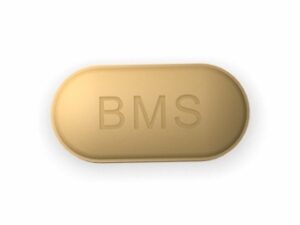


Sinemet CR (Carbidopa / Levodopa) – Patient Information (UK)
Sinemet CR contains two medicines: levodopa and carbidopa. It is used to treat symptoms of Parkinson’s disease and other conditions where the brain needs more dopamine. The “CR” stands for Controlled Release, meaning the medicine is designed to release slowly over time to help provide steadier symptom control.
This guide is designed to be clear and helpful for people in the United Kingdom. It explains what Sinemet CR does, how it works, what to expect, how to take it safely, and when to seek medical advice.
1) Basic product information
| Product | What it contains | Key label term | Formulation |
|---|---|---|---|
| Sinemet CR | Carbidopa + Levodopa | CR (Controlled Release) | Tablet (extended/controlled-release) |
| Common use | Parkinson’s disease | Helps relieve symptoms | Slower, steadier effect |
Strengths: Different tablet strengths may be available. Always check the strength on your pack and follow your healthcare professional’s instructions.
2) How Sinemet CR works (mechanism of action)
In Parkinson’s disease, dopamine levels in the brain are reduced. Levodopa is a “dopamine precursor”: the body can convert levodopa into dopamine, helping to improve movement-related symptoms.
Carbidopa is added to improve levodopa’s effectiveness and reduce side effects. Carbidopa:
- Inhibits the breakdown of levodopa outside the brain (in the gut and bloodstream).
- Helps more levodopa reach the brain.
- Reduces certain side effects associated with levodopa alone (for example, nausea and vomiting).
Because Sinemet CR is a controlled-release formulation, levodopa is released more gradually, which can help smooth out symptom control over the day.
3) Pharmacokinetics (how the body handles it)
Pharmacokinetics describes how a medicine is absorbed, distributed, metabolised, and eliminated. With Sinemet CR:
- Absorption: The controlled-release design slows absorption. This usually leads to a later and more sustained levodopa effect compared with immediate-release forms.
- Conversion to dopamine: Levodopa crosses into the brain where it is converted to dopamine. Carbidopa helps increase the proportion reaching the brain.
- Metabolism: Levodopa is metabolised mainly in the liver and other tissues. Carbidopa reduces some peripheral breakdown.
- Excretion: Metabolites are eliminated primarily via the kidneys.
Individual response can vary due to factors such as other medications, diet, gastrointestinal function, and disease progression.
4) What Sinemet CR is typically used for
Sinemet CR is primarily used for the symptomatic treatment of:
- Parkinson’s disease—to improve mobility and reduce stiffness, slowness, and other movement symptoms.
- Conditions where levodopa responsiveness is expected—your clinician will advise based on your diagnosis and symptoms.
It does not cure Parkinson’s disease, but it can significantly improve quality of life by reducing symptoms.
5) Timing and how to take Sinemet CR
When does it start working?
Many people notice improvement within hours after a dose, but controlled-release products may provide a more gradual onset than immediate-release forms.
Typical dosing schedule
Dosing varies by person and is adjusted to balance symptom relief with side effects. In general, Sinemet CR is taken multiple times per day at intervals that maintain steady benefit.
Follow your prescribed plan exactly. If you are unsure about timing, ask your pharmacist.
How to swallow the tablets
- Swallow whole with water.
- Do not crush or chew unless your healthcare professional advises otherwise (controlled-release tablets are designed to release medicine gradually).
- If tablets are difficult to swallow, speak to a healthcare professional for alternatives.
Missed dose
- Take the missed dose when you remember unless it is close to the next dose.
- Do not take a double dose to make up for the missed one.
- If you are unsure, ask a pharmacist or clinician.
6) Food interactions and absorption (important)
Food can affect how much levodopa is absorbed and how quickly it reaches the brain. This may influence how well Sinemet CR works.
- Protein may interfere with absorption: Levodopa competes with amino acids (protein building blocks). High-protein meals can reduce levodopa absorption and effectiveness in some people.
- Controlled-release can reduce timing swings: Many people find CR tablets help with day-to-day consistency, but diet can still matter.
Practical guidance on meals
- If symptoms worsen after meals, discuss dietary timing with your healthcare professional.
- Some people benefit from distributing protein evenly across the day rather than consuming it all at one time.
- Do not start major dietary changes without professional advice—particularly if you have weight loss, low appetite, or swallowing difficulties.
For further advice, you may also be offered input from a dietitian familiar with Parkinson’s disease care.
7) Alcohol and medicine interactions
Alcohol
Alcohol can increase dizziness and drowsiness and may worsen balance problems, which are already possible with Parkinson’s disease and levodopa. For safety, it’s best to:
- Keep alcohol intake low or avoid it if it makes you feel dizzy, sleepy, or unsteady.
- Be cautious when standing or walking after drinking.
Medicine interactions (key points)
Several types of medicines can interact with carbidopa/levodopa. Always provide a complete list of your medicines (including over-the-counter products and herbal remedies) to your pharmacist. Common interaction categories include:
- Antipsychotics (dopamine antagonists): Some can reduce the effect of levodopa or worsen symptoms. Examples may include certain agents used for psychosis or nausea.
- Antidepressants: Some interactions can be serious. Particular caution is needed with certain antidepressants (including those affecting monoamine pathways).
- MAO inhibitors: Some types of antidepressant medicines can interact with levodopa. Your pharmacist will advise which are safe.
- Iron supplements: Iron may affect levodopa availability. If you take iron, seek tailored advice.
- Metoclopramide: Can affect dopamine pathways and may interfere with Parkinson’s treatment.
- Blood pressure medicines: Parkinson’s and levodopa can contribute to low blood pressure on standing. Combined effects may increase dizziness or falls.
- Antihypertensives and other medicines causing sedation: May increase drowsiness.
This is not an exhaustive list. Interactions depend on the exact product, dose, and your medical history.
8) Indications (who it is for)
Sinemet CR is indicated for use in the symptomatic treatment of:
- Parkinson’s disease, especially when symptom control benefits from a controlled-release levodopa formulation.
- Off-label or alternative clinical scenarios may exist under specialist guidance, depending on diagnosis and response.
If you are unsure why Sinemet CR was chosen for you, speak with your clinician or pharmacist.
9) Dosing information (general guidance)
Your dose depends on factors such as:
- Your Parkinson’s symptoms and response
- Your age and general health
- Whether you previously took levodopa or other Parkinson’s medicines
- Other medicines you take
- Side effects (such as nausea, dizziness, or involuntary movements)
Important: Doses are individual. Use the schedule given by your healthcare professional.
Controlled-release considerations
- Controlled-release tablets are designed to maintain effect between doses.
- Changing the frequency or splitting/chewing tablets can reduce the controlled-release benefit and increase side effects.
If you experience “wearing off” (symptoms returning before your next dose), or “on-off” fluctuations, don’t adjust doses yourself—discuss it promptly with your clinician.
10) Safety profile and side effects
Like all medicines, Sinemet CR can cause side effects. Many are dose-related and improve when the dose is adjusted.
Common side effects
- Nausea (reduced by carbidopa, but still possible)
- Dizziness or light-headedness
- Dry mouth
- Reduced appetite
- Sleepiness or fatigue
- Abnormal involuntary movements (dyskinesia), especially after long-term use or high doses
Other possible effects (seek advice)
- Low blood pressure on standing (orthostatic hypotension) — may cause fainting or falls
- Hallucinations or confusion (more likely in older adults or at higher doses)
- Altered behaviour or impulse-control issues (for example, unusual gambling urges or compulsive behaviours)
- Sleep attacks or sudden episodes of sleep
- Dark urine (common and usually harmless)
Serious symptoms—urgent help
Get urgent medical help if you develop:
- Severe allergic reaction (swelling of face/lips, difficulty breathing)
- Chest pain or severe shortness of breath
- Severe confusion, high fever, or muscle stiffness with abnormal sweating (rare but urgent)
- Fainting, repeated falls, or severe dizziness
Driving and operating machinery
Sinemet CR can cause dizziness, drowsiness, or sudden sleep. In the UK, people experiencing these effects should avoid driving and consult the relevant guidance and their clinician about fitness to drive.
11) Practical use tips (to get the best results)
- Keep a simple symptom diary: Note when you take doses and how symptoms change (e.g., mobility, tremor, stiffness, nausea). This helps clinicians fine-tune timing.
- Be consistent with timing: Controlled-release benefits from steady schedules.
- Monitor meal effects: If high-protein meals affect your control, discuss dietary timing strategies.
- Stand up slowly: Helps reduce dizziness from low blood pressure.
- Check other medicines: Always ask before starting new treatments, including herbal products and over-the-counter medicines for nausea, cold remedies, or sleep.
- Don’t stop suddenly: Stopping levodopa abruptly can be harmful. If you have concerns, seek advice promptly.
- Watch for unusual behaviours: If someone close to you notices sudden changes in impulsivity, gambling-like behaviours, binge eating, or compulsive shopping, inform a clinician as soon as possible.
12) Alternative options
Depending on your symptoms, response, and side effects, clinicians may consider:
- Immediate-release levodopa/carbidopa (for different timing needs)
- Other controlled-release levodopa formulations
- Other Parkinson’s medicines (e.g., dopamine agonists, MAO-B inhibitors, COMT inhibitors, or anticholinergic medicines) tailored to your situation
- Advanced therapies in specialist settings for complex “on-off” fluctuations (where appropriate)
The “best” option depends on disease stage and how you respond. Do not switch without guidance.
13) UK market, legal and guidance context
In the United Kingdom, Parkinson’s disease medicines are supplied under medicines regulation and pharmacy standards. Product availability may vary by strength, packaging, and supply chain conditions.
For up-to-date clinical advice, clinicians and patients commonly refer to UK guidance and specialist resources. The broader approach to Parkinson’s disease aims to:
- Optimise symptom control while minimising side effects
- Address “wearing off” and fluctuations when they occur
- Monitor neuropsychiatric effects and safety concerns such as falls
Guidance and recommendations can evolve. Your clinician/pharmacist can help interpret what is current for your situation.
Recent practical considerations
- Focus on fluctuations: Many treatment adjustments in current practice aim to smooth “on-off” patterns and reduce dyskinesia where possible.
- Safety monitoring: Greater emphasis is placed on monitoring for hallucinations, impulse-control disorders, and postural hypotension.
- Diet and absorption: Meal timing and protein effects remain a common consideration for levodopa effectiveness.
14) Delivery and availability in the UK
Availability of Sinemet CR may vary depending on local stock levels, tablet strength, and supply. UK pharmacies typically prioritise ensuring continuity of treatment where possible.
- Delivery options: Delivery times depend on the supplier and local courier routes.
- Packaging: Medicines are supplied in sealed manufacturer packaging with safety markings and patient information.
- Check your order: Confirm the strength and instructions on arrival.
If you need urgent supplies, contact customer support as early as possible so that alternative arrangements can be considered.
15) FAQ
How long does it take for Sinemet CR to work?
Many people notice symptom improvement within hours. Because it is controlled-release, the effect may be more gradual than immediate-release levodopa. Your response can vary.
Can I take Sinemet CR with food?
You can usually take it with or after food to reduce stomach discomfort. However, high-protein meals may reduce levodopa absorption in some people. If your symptoms worsen after meals, talk to your pharmacist or clinician about meal timing or dietary strategies.
Should I avoid protein?
You do not necessarily need to avoid protein altogether. Some people benefit from distributing protein across the day or adjusting meal timing. Any diet changes should be discussed with a healthcare professional.
What if I feel nauseated?
Nausea can occur, though carbidopa helps reduce it. Taking the tablet with food may help. If nausea is persistent or severe, seek medical advice—dose timing or other adjustments may be needed.
Is it safe to drink alcohol?
Alcohol may increase dizziness and sleepiness and increase fall risk. Keep intake low and avoid alcohol if it makes you feel unsteady or drowsy.
Can I take other medicines for colds, nausea, or sleep?
Some over-the-counter medicines can interact or worsen side effects (such as sedation, dizziness, or dopamine-related effects). It’s safest to check with a pharmacist before starting new products.
What side effects should I watch for most closely?
Pay special attention to dizziness or fainting, hallucinations/confusion, new or worsening involuntary movements, sudden sleepiness, and impulse-control changes. Contact your healthcare professional promptly if these occur.
Why might my symptoms “wear off” before the next dose?
Wearing off can happen as levodopa levels decline between doses. Controlled-release formulations may help, but dose timing and other medication adjustments may be required. Don’t change your schedule without guidance.
Can Sinemet CR be crushed or split?
Controlled-release tablets are intended to be taken whole. Crushing or splitting may alter release and increase the risk of side effects. Confirm with your pharmacist if you have swallowing difficulties.
How do I store Sinemet CR?
Store tablets as directed on the pack, typically at room temperature and protected from moisture. Keep out of sight and reach of children.
Summary
Sinemet CR (carbidopa/levodopa controlled release) helps relieve symptoms of Parkinson’s disease by increasing dopamine levels in the brain. Carbidopa improves levodopa’s effectiveness and reduces some peripheral side effects. Because it is controlled-release, it is designed to provide more steady symptom control throughout the day. Food—particularly high-protein meals—can influence effectiveness for some people, and alcohol may worsen dizziness or drowsiness. Ongoing monitoring for side effects such as dizziness, hallucinations, involuntary movements, and unusual behaviour changes is important for safe use.
If you have questions about your specific dosing schedule, timing with meals, or interactions with other medicines, speak to your pharmacist for personalised advice.