Desloratadine (Antihistamine) – Patient Guide (UK)
Desloratadine is a non-drowsy (or less drowsy) antihistamine used to relieve symptoms caused by allergies. It is commonly used in the UK for hay fever (seasonal allergic rhinitis) and for allergy-related itching and hives (urticaria).
This guide explains what desloratadine does, how it works, how it is processed by the body, what it’s used for, and how to take it safely. It also includes practical tips, common interactions (including with alcohol and other medicines), and answers to frequently asked questions relevant to the United Kingdom.
Basic product information
- Medicine name: Desloratadine
- Type: Antihistamine (H1 receptor antagonist)
- Common uses in the UK: Allergic rhinitis (hay fever), chronic idiopathic urticaria (hives)
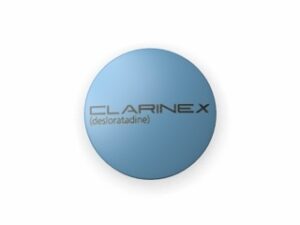
- How it’s supplied: Tablets and oral solutions (exact formats vary by brand)
- Strength: Common strengths include 5 mg tablets and specific oral-solution strengths (follow the product label)
- Onset: Symptoms often improve within hours
- Duration: Typically lasts up to 24 hours (once daily dosing)
Note: Always use the specific product instructions supplied by your pharmacy or printed on the packaging for your exact formulation (tablet vs. liquid) and strength.
How desloratadine works (mechanism of action)
Desloratadine works by blocking histamine from attaching to H1 receptors in the body. Histamine is released during allergic reactions and contributes to symptoms such as:
- Itching
- Sneezing
- Runny or blocked nose
- Watery eyes
- Redness and swelling in hives
By reducing the effects of histamine, desloratadine helps relieve allergic symptoms. It is described as non-sedating or less sedating compared with some older antihistamines, though individual sensitivity varies.
Pharmacokinetics: what the body does to desloratadine
Pharmacokinetics describes how a medicine is absorbed, distributed, metabolised, and eliminated. Key points for desloratadine include:
- Absorption: Desloratadine is absorbed after oral dosing.
- Peak effect: Maximum blood levels typically occur a few hours after taking a dose.
- Distribution: It distributes throughout the body to exert its antihistamine effects.
- Metabolism: It is metabolised mainly in the liver.
- Elimination: The medicine is cleared from the body over time, with an elimination half-life that supports once-daily dosing.
- Time course: Because it remains active for about a day, it is often taken once daily for ongoing symptom control.
Kidney or liver impairment: People with significant liver or kidney impairment may need different dosing or extra caution. If you have liver disease or reduced kidney function, consult a healthcare professional or pharmacist for advice.
Typical uses (indications) in the UK
Desloratadine is used to treat:
1) Allergic rhinitis (hay fever)
- Seasonal allergic rhinitis (symptoms occur at certain times of year)
- Non-seasonal allergic rhinitis (symptoms may be present for longer periods)
Symptoms it may help include:
- Sneezing
- Runny nose
- Itchy nose/palate
- Watery, itchy eyes
- Blocked nose (to a variable degree)
2) Urticaria (hives)
- Chronic idiopathic urticaria (hives without an identifiable cause that last or recur for weeks)
Symptoms it may help include:
- Itching
- Hives/welts and associated redness
Important: Desloratadine does not treat anaphylaxis. If you have a severe allergic reaction or breathing difficulties, seek urgent medical help immediately.
When to take desloratadine (timing)
Desloratadine is usually taken once daily, at about the same time each day to maintain symptom relief.
- For hay fever: Many people start before peak pollen exposure if symptoms are seasonal. If symptoms begin, you can start when symptoms start.
- For hives: Take daily during flare-ups as advised on the package or by your pharmacist.
How quickly does it work? Some people notice improvement within the first few hours. Full benefits may build over a day or two, especially for persistent symptoms.
If you miss a dose: Take it when you remember unless it is close to the next dose. Do not take a double dose to make up for a missed tablet.
Dosing: typical adult and child guidance
Dosing can vary by age and the exact product strength or formulation (tablet vs. solution). Always follow the dose on the medicine packaging or the pharmacy label.
| Patient group | Typical dosing (general guidance) | Notes |
|---|---|---|
| Adults | Often 5 mg once daily | Follow your specific product label. Do not exceed the stated daily dose. |
| Adolescents (age varies by product) | Often 5 mg once daily | Use the age guidance from your particular brand. |
| Children | Dosage depends on age and the product type/strength | Oral solution dosing is often used for younger children. Confirm with the label or pharmacist. |
Special considerations:
- Do not use higher doses: Taking more than recommended increases the risk of side effects without necessarily improving benefit.
- Pregnancy and breastfeeding: Check with a healthcare professional or pharmacist if you are pregnant or breastfeeding, especially if you’re using it regularly.
- Underlying conditions: If you have kidney or liver problems, your pharmacist may adjust advice.
Food interactions
Desloratadine can usually be taken with or without food. Food is not expected to significantly reduce its effectiveness for most people.
Practical tip: If you find taking tablets easier with meals, you may take desloratadine with breakfast or dinner. Consistency can help you remember your dose.
Alcohol interactions
Desloratadine is generally considered less sedating than older antihistamines. However, alcohol can still increase drowsiness in some people and may affect alertness.
- If you feel drowsy, avoid alcohol or keep alcohol to a minimum.
- Be cautious with driving, cycling, or operating machinery until you know how you respond.
Safety note: If you experience dizziness, unusual fatigue, or impaired concentration after taking desloratadine, avoid alcohol and seek advice.
Medicine interactions
Most people can take desloratadine alongside many everyday medicines, but interactions can occur. Always check with your pharmacist if you take other medicines regularly.
Common interaction considerations
- CNS depressants: Medicines that cause drowsiness (e.g., some sleep aids, strong painkillers, sedating antihistamines) may increase tiredness when combined with any antihistamine in susceptible individuals.
- Other antihistamines: Avoid taking multiple antihistamines at the same time unless advised. Using two H1 antihistamines together can increase side effects.
- Strong liver-metabolised medicines: Desloratadine is metabolised in the liver. In most cases it is well tolerated, but your pharmacist can advise if you take medicines that strongly affect liver enzymes.
Always tell your pharmacist: about any prescription-only medicines, over-the-counter products, and herbal remedies (including those for sleep, anxiety, or colds).
Safety profile: side effects and what to watch for
Like all medicines, desloratadine can cause side effects, though not everyone gets them. Many side effects are mild and go away after stopping or completing treatment.
Common side effects (may occur)
- Dry mouth
- Headache
- Tiredness or fatigue (less common than with older antihistamines)
- Gastrointestinal discomfort (e.g., abdominal pain or nausea in some people)
Seek urgent medical help if
- You develop swelling of the face, lips, tongue, or throat
- You have difficulty breathing or severe wheezing
- You experience fainting or severe dizziness
- You develop a severe rash or signs of a serious allergic reaction
Driving and alertness
Desloratadine is usually less sedating, but if you feel drowsy, avoid driving or dangerous activities until you’re sure it doesn’t affect you.
Who should be extra cautious?
- People with a history of severe allergies
- People with significant liver or kidney impairment
- Children (use age-appropriate dosing and formulations)
Practical use tips (getting the best results)
- Take it daily when needed: For persistent symptoms (especially hay fever season or ongoing hives), once-daily dosing provides steadier control.
- Be realistic about nasal blockage: Desloratadine helps itching, sneezing, and runny nose. If nasal blockage is severe, you may need additional allergy treatments (ask a pharmacist).
- Check triggers: For hay fever, reducing exposure to pollen (e.g., closing windows during peak times, showering after outdoor activity) can improve overall control.
- Keep symptom notes: If symptoms aren’t improving after several days, record what you’re experiencing and talk to a healthcare professional.
- Use the correct formulation: Tablets and oral solutions differ in dose. Always measure liquids carefully using the provided syringe/measure.
Alternative options for allergy relief in the UK
If desloratadine doesn’t suit you or doesn’t fully control symptoms, there are other treatment options. Choice depends on your symptoms (itching vs. congestion), age, and medical history.
Other non-drowsy antihistamines
- Loratadine
- Cetirizine (may cause more drowsiness in some people)
- Levocetirizine
- Fexofenadine
For stronger nasal symptoms
- Intranasal corticosteroid sprays (e.g., fluticasone or mometasone products) are often first-line for nasal congestion in moderate-to-severe hay fever.
- Saline rinses may help clear allergens and mucus.
For hives and itching
- Other antihistamines may be used, and for chronic urticaria, treatment plans may be stepped up under professional guidance.
Ask a pharmacist: If you have persistent symptoms, they can help select the most appropriate product and timing, including whether combining therapies is suitable.
Market and legal context (United Kingdom)
In the UK, antihistamines may be supplied as pharmacy medicines or general sales medicines depending on brand, formulation, strength, and age restrictions. Availability can differ between products and retailers.
- Online pharmacy supply: Many UK online pharmacies offer antihistamines, including desloratadine, with standard customer screening questions.
- Age restrictions: Some desloratadine products are restricted to specific age groups; check the product page and label.
- Quality and safety: Reputable UK pharmacies follow regulated supply processes and provide product information and patient advice.
Professional advice matters: If you have frequent symptoms, a history of serious allergy, or take multiple medicines, it’s sensible to review your plan with a pharmacist or other qualified professional.
Recent guidance and best-practice points (UK perspective)
UK allergy management commonly emphasises a combination of approaches:
- Using antihistamines for itch, sneezing, and runny nose (symptom relief)
- Considering nasal steroid sprays for significant nasal congestion or when symptoms are not adequately controlled by antihistamines alone
- Reducing exposure to known triggers for hay fever (pollen avoidance strategies)
- Reviewing persistent or severe symptoms rather than continuing unchanged for long periods
For hives, guidance often focuses on stepwise antihistamine use and reassessment if symptoms persist, particularly when urticaria becomes chronic.
If symptoms last or worsen: Consult a healthcare professional for personalised advice.
Delivery and availability (online UK ordering)
Availability of desloratadine products can vary by brand and pack size. When ordering online from a UK pharmacy website, you can typically expect:
- Clear pack options: Different pack sizes and formulations (tablets vs. oral solution) may be offered.
- Delivery timeframes: Delivery schedules depend on your location and the pharmacy’s dispatch cut-off times.
- Packaging: Medicines are supplied in manufacturer or pharmacy packaging with leaflets or patient information inside.
- Cold-chain: Desloratadine is typically not temperature-sensitive in the way some medicines are; still, always follow storage instructions on the label.
Tip: For best results, order before allergy season or before a planned period of heavy exposure, so you don’t run out at the start of symptoms.
Storage and handling
- Store: Follow the storage instructions on the pack (commonly “store below 25°C” or similar—check your specific product).
- Keep out of sight and reach of children.
- Do not use after expiry date.
- Oral solution: If the product specifies shelf-life after opening, follow it carefully.
Frequently Asked Questions (FAQ)
1) Is desloratadine “non-drowsy”?
Desloratadine is often described as less likely to cause drowsiness than some older antihistamines. However, people react differently. If you feel sleepy, avoid driving or alcohol and speak to a pharmacist if the effect persists.
2) How long does it take to work?
Many people notice improvement within a few hours. If symptoms are significant, it may take a day or two of consistent daily use to feel the full benefit.
3) Can I take desloratadine every day during hay fever season?
Yes, it is commonly taken daily during allergy season to control symptoms. Use the dose and duration recommended for your product and speak to a pharmacist if you need it for long periods or symptoms are not controlled.
4) Can I take it with food?
Usually yes. Desloratadine can typically be taken with or without food. Choose what helps you remember and stay consistent.
5) What should I do if I miss a dose?
Take it when you remember unless it’s near the time for your next dose. Do not take a double dose.
6) Can I drink alcohol while taking desloratadine?
Alcohol may increase drowsiness or affect alertness in some people. If you feel tired or dizzy, avoid alcohol. If you’re unsure how you respond, keep alcohol minimal until you know the effect on you.
7) Can I take desloratadine with other allergy medicines?
Some combinations may be appropriate, but it depends on what the other medicine is. Avoid taking multiple antihistamines together unless a pharmacist advises it. For example, an intranasal spray may be used for congestion, but check suitability.
8) Is desloratadine suitable for children?
It can be suitable for some children, but dosing and age eligibility depend on the specific product and strength. Always follow the label and confirm with a pharmacist if you are unsure.
9) What if my symptoms don’t improve?
If you’ve taken desloratadine as directed and symptoms remain problematic, consider other allergy strategies (such as nasal sprays for congestion) and speak to a pharmacist or healthcare professional. Persistent symptoms may need review.
10) Can desloratadine be used for hives?
Desloratadine is used for chronic idiopathic urticaria (hives). If you develop hives that are sudden, severe, or accompanied by breathing difficulty, seek urgent medical help.
Disclaimer: This information is intended to help you understand desloratadine. It does not replace advice from a pharmacist or other qualified healthcare professional. Always follow the directions on the package and consult a professional if you have questions, side effects, or complex medical conditions.