

Clomipramine: Patient-Friendly Information (UK)
Clomipramine is a medicine belonging to the group known as tricyclic antidepressants (TCAs). It is used mainly for certain anxiety-related conditions and obsessive-compulsive disorder (OCD) symptoms. This page is designed to help you understand what clomipramine is, how it works, what to expect, and how to use it safely.
If you have questions about your individual situation—especially if you have heart disease, liver disease, or you are taking other medicines—speak to a qualified healthcare professional.
1) Basic product information
| Feature | Information |
|---|---|
| Generic name | Clomipramine |
| Medicine type | Tricyclic antidepressant (TCA) |
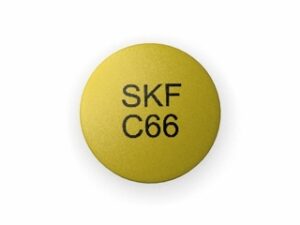
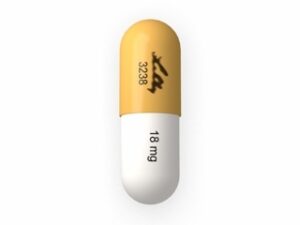
| Common forms | Tablets or capsules (availability varies by supplier) |
| Typical use | OCD and related conditions; sometimes other anxiety/depression-linked symptoms under specialist guidance |
| Onset of benefit | May take several weeks for full effect |
| Key cautions | Can affect heart rhythm, cause drowsiness, and interact with several medicines |
2) What clomipramine does (mechanism of action)
Clomipramine works by affecting brain chemical signals, especially serotonin. It also has effects on other neurotransmitters and receptors. A simplified view is:
- Serotonin reuptake inhibition: Clomipramine increases serotonin activity by blocking its reuptake (this can help reduce obsessive thoughts and anxiety symptoms in some people).
- Broader TCA receptor effects: It can also influence histamine, acetylcholine, and alpha-adrenergic receptors, which may explain side effects such as drowsiness, dry mouth, constipation, and sometimes dizziness.
- Neurostabilising effect over time: For OCD and similar symptoms, benefit often builds gradually as brain signalling adapts.
Because it affects multiple systems in the body, clomipramine can be effective but requires careful attention to side effects and interactions.
3) How clomipramine behaves in the body (pharmacokinetics)
“Pharmacokinetics” describes how the body absorbs, distributes, metabolises, and eliminates a medicine.
- Absorption: Clomipramine is absorbed after taking it by mouth. The exact rate may vary between people.
- Distribution: It distributes into body tissues and can cross into areas that affect brain chemistry.
- Metabolism: It is primarily metabolised in the liver. A major metabolite is desmethylclomipramine. Liver function and interactions with other medicines that affect liver enzymes can influence drug levels.
- Elimination: Metabolites are eliminated mainly through the urine. The overall “half-life” can be long enough that missing doses can still leave some medicine in your system.
- Steady state: With regular dosing, drug levels gradually reach a steady state over days to weeks.
These factors are one reason why you should not change your dose suddenly, and why dose adjustments (if needed) are usually made slowly.
4) What it’s used for in the UK (typical use and indications)
In the UK, clomipramine is commonly associated with treatment of:
- Obsessive-compulsive disorder (OCD): Particularly for obsessive thoughts, intrusive images, and compulsive behaviours.
- Related obsessive-compulsive spectrum symptoms: In some situations, clinicians may consider it for persistent intrusive thoughts and anxiety-driven compulsions where appropriate.
It may also be used under specialist direction for other conditions depending on your clinical profile. The most important point is that the correct use depends on your diagnosis and medical history.
5) When to take it (timing and how long it takes to work)
Typical TCA practice is to start at a low dose and increase gradually. Your exact dosing schedule depends on your age, symptoms, and tolerability.
Starting and building effect
- Early days: Some side effects (like drowsiness, dry mouth, or nausea) may appear early.
- First 1–2 weeks: Some people notice changes in anxiety or sleep, but symptoms often aren’t fully controlled yet.
- Several weeks: Full benefits for OCD symptoms may take 6–12 weeks or longer.
Best time of day
Many people find it helpful to take clomipramine in the evening if it causes drowsiness. Others may tolerate it better split across the day. Follow your own prescribed schedule (including any “once daily” or “divided dose” instructions).
If you miss a dose, do not take a double dose. Instead, take the next dose at the usual time and speak to a healthcare professional if you are unsure.
6) Food interactions and what to watch for
For many people, clomipramine can be taken with or without food. However, food can influence how your stomach feels during the early start period.
- If you feel nauseous: Taking it with a small meal or after food may reduce stomach upset.
- Consistency helps: Try to take it similarly each day to help predict side effects.
- Grapefruit/citrus products: While the key issue is usually with enzyme inhibition, you should check any relevant dietary guidance from your pharmacist if you use large amounts of grapefruit products.
If your medicine leaflet or your pharmacist provides specific dietary advice, follow that guidance.
7) Alcohol interactions and safety
It is strongly recommended to avoid alcohol or minimise it while taking clomipramine. Alcohol can:
- Increase drowsiness: This can raise the risk of falls and accidents, especially when starting.
- Worsen mood: Alcohol may aggravate anxiety, low mood, and sleep problems.
- Increase dizziness and impaired coordination: This can be dangerous when driving or operating machinery.
If you want to drink alcohol, discuss your situation with a pharmacist or clinician first. Safety varies depending on dose, side effects, and other medicines you take.
8) Medicine interactions (important)
Clomipramine can interact with other medicines. Some interactions may be serious. Always tell healthcare professionals about all medicines you take, including over-the-counter products and herbal remedies.
High-risk interaction categories
- Other antidepressants and serotonergic medicines: Combining with other drugs that increase serotonin may increase the risk of serotonin syndrome.
- MAOIs (monoamine oxidase inhibitors): This combination is generally contraindicated or requires strict specialist guidance and a washout period.
- Linezolid and methylene blue: These medicines can interact with antidepressants and may raise serotonin-related risks.
- Medicines affecting heart rhythm: Some drugs can prolong the QT interval or affect cardiac conduction. Using several QT-prolonging medicines together can raise risk.
- CYP enzyme inhibitors: Medicines that affect liver enzymes can increase clomipramine blood levels and toxicity risk.
- Anticholinergic medicines: These can add to side effects such as dry mouth, constipation, blurred vision, and urinary retention.
- Medicines that cause drowsiness: Sedatives, some antihistamines, and some pain medicines can worsen sleepiness.
- St John’s wort (herbal): May affect serotonin and metabolism; avoid unless advised.
- Anticonvulsants and certain hormones: Interaction potential varies; ask a pharmacist for advice.
Common examples to mention when checking interactions
Ask your pharmacist to review your “interaction list” if you take any of the following:
- Triptans (for migraine)
- Other antidepressants (SSRIs/SNRIs/TCAs/MAOIs)
- Opioid pain medicines
- Antipsychotic medicines
- Some antibiotics/antifungals
- Medicines for irregular heart rhythm
- Some medicines for nausea (certain agents)
If you ever experience symptoms such as severe agitation, fever, sweating, tremor, diarrhoea, or confusion (possible serotonin syndrome), seek urgent medical advice.
9) Dosing: typical starting approach (general guidance)
Dosing of clomipramine varies by condition, age, and tolerability. Only use the dosing plan provided by your healthcare professional. Below is a patient-friendly overview of how dosing is commonly managed.
General principles
- Start low and go slow: This helps reduce early side effects.
- Gradual titration: Dose may be increased every few days to weekly depending on response and safety.
- Monitor tolerability: Sleepiness, dizziness, heart-related symptoms, and gastrointestinal side effects are relevant.
- Treatment duration: OCD treatment often continues for a sustained period; stopping abruptly is not recommended.
Illustrative dosing ranges (not a substitute for your plan)
Many patients are started at a low daily dose and may be titrated toward a therapeutic range. Exact numbers depend on the formulation and your clinical profile. Your clinician may also consider:
- Age and frailty
- Liver function
- Other medicines (interaction risk)
- Cardiac history (ECG monitoring may be considered)
- Whether you take a single daily dose or split dosing
Because clomipramine dosing is individual and safety-critical, use the specific instructions on your medicine packaging and your healthcare plan.
10) Safety profile: common side effects and when to seek help
Like all medicines, clomipramine can cause side effects. Many are mild and improve as your body adapts, but some require urgent assessment.
Common side effects
- Drowsiness or fatigue (especially early on)
- Dizziness, especially when standing up quickly
- Dry mouth
- Constipation
- Nausea or stomach discomfort
- Blurred vision
- Increased sweating
- Weight change in some people
- Sexual side effects (may include reduced libido or difficulty achieving orgasm)
- Tremor in some cases
Serious or urgent symptoms
Get urgent medical help if you experience any of the following:
- Fainting, severe dizziness, palpitations, or chest pain (possible heart rhythm issues)
- Signs of serotonin syndrome: agitation, confusion, fever, sweating, tremor, muscle stiffness, fast heart rate, diarrhoea
- Severe allergic reaction: swelling of the face/lips, difficulty breathing, widespread rash
- Unusual thoughts or worsening mental health, particularly early in treatment or after dose changes
- Fever and muscle rigidity (rare but important—seek urgent advice)
Who should be extra cautious?
- People with known heart disease or a history of arrhythmia
- Those with liver impairment
- People with epilepsy or seizure disorders
- Older adults (higher sensitivity to side effects such as drowsiness and constipation)
- Those taking medicines that affect heart rhythm, serotonin, or liver enzymes
11) Practical use tips for day-to-day life
Improving tolerability in the first weeks
- Plan for drowsiness: Avoid driving or risky tasks until you know how clomipramine affects you.
- Hydration and oral care: Dry mouth can be reduced by sipping water and using sugar-free gum/lozenges.
- Constipation prevention: Drink fluids, eat fibre, and consider an appropriate stool-softening option if advised.
- Rise slowly: Dizziness on standing can occur—stand up gradually.
- Track symptoms: A simple diary of sleep, anxiety/OCD symptoms, and side effects can help you and your clinician adjust treatment.
Stopping or changing dose
Do not stop clomipramine suddenly. Stopping suddenly can cause withdrawal-like symptoms and may cause your symptoms to return. If stopping is needed, it should be done gradually under medical guidance.
12) Alternative options (what else may be used for OCD)
Treatment choices for OCD and obsessive-compulsive symptoms depend on severity, previous treatments, and personal circumstances. Options commonly considered alongside or instead of clomipramine include:
- Psychological therapies: Cognitive Behavioural Therapy (CBT) with exposure and response prevention (ERP) is an effective first-line approach for many people.
- Other antidepressants: Selective serotonin reuptake inhibitors (SSRIs) may be used, often as first-line medication depending on local guidance and patient needs.
- Combination approaches: Some people benefit from combining medication with therapy.
- Specialist review: If symptoms are severe or not responding, a specialist may reassess diagnosis and treatment plan.
If you’re considering switching, ask your pharmacist or clinician about the safest tapering and washout strategy, since interactions and timing matter with antidepressants.
13) UK market and legal context
In the UK, clomipramine is a well-established medicine within the tricyclic antidepressant family. Medicines are regulated by the Medicines and Healthcare products Regulatory Agency (MHRA), and prescribing and supply follow UK healthcare frameworks.
UK medicines are supported by safety and patient information documents (such as Patient Information Leaflets) and medicines safety updates. Availability can vary by manufacturer, formulation, and supplier stock levels.
Always ensure that any medicine is obtained from a reputable source and that packaging and patient information are included.
14) Recent guidance and monitoring (high-level overview)
Guidance for OCD and other mood/anxiety disorders in the UK is informed by clinical evidence and the recommendations of professional bodies. In many cases, clinicians consider:
- Gradual dose titration to improve tolerability.
- Monitoring for side effects, including drowsiness, constipation, and signs of abnormal cardiac effects.
- Reviewing interactions (serotonergic medicines, enzyme inhibitors, and heart-rhythm affecting drugs).
- Cardiac assessment in higher-risk individuals (for example, ECG monitoring may be considered where appropriate).
- Ongoing review of benefit versus side effects, especially if symptoms do not improve after an adequate trial.
Your clinician’s approach may vary based on your medical history and the medicines you take.
15) Delivery and availability (UK)
Availability of clomipramine tablets or capsules can fluctuate depending on brand and local distribution. If an item is temporarily unavailable, a pharmacy may offer:
- Alternative strength or formulation (if clinically appropriate and permitted)
- Equivalent brand substitution in line with UK pharmacy practices
- Estimated delivery timelines and restock updates
For online orders, delivery times depend on the courier service and whether the product is in stock. Some suppliers offer tracked delivery, and packaging is designed to protect privacy and comply with safety standards.
If you need it urgently, check the estimated dispatch time on the product page and contact customer support for stock confirmation.
16) FAQ about clomipramine (UK)
How long does clomipramine take to work for OCD?
Many people begin to notice some changes within the first few weeks, but full benefit for OCD symptoms often takes 6–12 weeks or longer. Consistency is important—don’t assume it’s not working too early.
Will I feel drowsy?
Drowsiness is a common early side effect. If it affects you, you may be advised to take it in the evening. Avoid driving and risky activities until you know how you react.
Can I take clomipramine with food?
Often it can be taken with or without food. If you get nausea, taking it after food may help. Aim to take it the same way each day.
Is it safe to drink alcohol?
It’s best to avoid alcohol or minimise it. Alcohol can increase drowsiness and worsen coordination, which may be unsafe—especially when starting.
What should I do if I miss a dose?
Generally, do not take a double dose. Take the next dose at the usual time. If you’re unsure, ask a pharmacist for advice based on your dosing schedule.
Can I stop clomipramine suddenly?
No. Stopping suddenly is not recommended. If you need to stop, it should be reduced gradually under clinical guidance to reduce withdrawal-like effects and symptom recurrence.
Does clomipramine interact with other antidepressants?
Yes, interactions are possible and can be serious. Some combinations increase serotonin-related risks or raise levels of one or both medicines. Always check with a pharmacist or clinician before combining antidepressants.
Will clomipramine affect my heart?
In some people, clomipramine can affect heart rhythm (particularly in those with existing heart conditions or when combined with interacting medicines). If you experience palpitations, fainting, or chest pain, seek urgent medical advice.
Are there alternatives if clomipramine doesn’t suit me?
Yes. Alternatives may include different medication options (commonly SSRIs) and psychological therapy such as CBT with exposure and response prevention. Discuss your options with a clinician to decide what fits your symptoms and health history.
How should I store clomipramine?
Store it according to the instructions on the packaging (typically in a cool, dry place, away from direct heat and moisture). Keep it out of sight and reach of children.
Summary
Clomipramine is a tricyclic antidepressant used mainly for OCD and related intrusive symptoms. It increases serotonin activity in the brain, and its benefits often build gradually over several weeks. Because clomipramine can cause side effects and may interact with other medicines (including those affecting the heart rhythm or serotonin), it is important to use it carefully, follow your dosing schedule, avoid alcohol, and seek advice if you experience concerning symptoms.
If you’d like, share your age range, main symptoms (e.g., OCD severity), and any other medicines you take so you can get tailored interaction and practical-use considerations from your pharmacist.