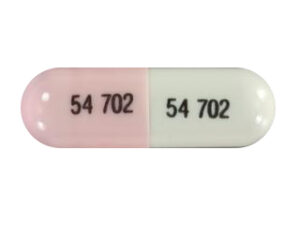



Anafranil (Clomipramine Hydrochloride) – Patient-Friendly Information (UK)
Anafranil is a brand of clomipramine hydrochloride, a medicine used to treat certain mental health conditions, most notably obsessive-compulsive disorder (OCD). It belongs to a class of medicines known as tricyclic antidepressants (TCAs). While it is an antidepressant, its strongest evidence and common use is for OCD and related conditions.
This guide is designed to help you understand how Anafranil works, how it is typically taken, what to expect, and what safety points to know. It is written for people in the United Kingdom.
At a glance
- Active ingredient: Clomipramine HCl
- Medicine type: Tricyclic antidepressant (TCA)
- Common uses: OCD (and sometimes related conditions such as panic disorder, depression with anxiety, or conditions determined by a clinician)
- How long it takes: Improvement may start after 1–2 weeks; full benefit for OCD often takes several weeks (commonly 4–12 weeks)
- Common side effects: Sleepiness or insomnia, dry mouth, constipation, blurred vision, nausea, sweating
- Key safety points: Can affect heart rhythm, can interact with many medicines, and should be stopped gradually
Basic product information
| Category | Details |
|---|---|
| Brand name | Anafranil |
| Generic name | Clomipramine hydrochloride |
| Drug class | Tricyclic antidepressant (TCA) |
| Typical formulation | Tablets (strengths vary by product presentation) |
| Use in the UK | Used for OCD and other clinically appropriate indications |
How Anafranil works (mechanism of action)
Clomipramine affects brain chemical signalling, particularly serotonin and noradrenaline. It increases the availability of these chemicals by blocking their reuptake (a key step in how signals are stopped after being released). This helps improve communication in brain circuits involved in mood, anxiety, and obsessive-compulsive symptoms.
In OCD, it is thought to reduce the intensity and frequency of obsessions and compulsions over time by improving the balance of neurotransmitter activity and gradually changing related brain network patterns.
Pharmacokinetics (how the body handles it)
Understanding pharmacokinetics can help explain why dosing is individual and why side effects may appear early.
- Absorption: Clomipramine is absorbed from the gut after taking tablets.
- Distribution: It is widely distributed in the body, including into tissues.
- Metabolism: It is mainly metabolised in the liver. A key metabolite is clomipramine’s active/inactive breakdown products.
- Half-life: The medicine remains in the body for a prolonged period. This supports once or twice daily dosing for many people, but also means it can take time to reach steady levels.
- Elimination: It and its metabolites leave the body mainly through urine and partly via faeces.
Because metabolism depends on liver function and can be affected by other medicines, it is important to inform your clinician/pharmacist about any liver disease and all current medicines.
Typical use in the UK
Anafranil is commonly used for:
- Obsessive-compulsive disorder (OCD)
- Related or alternative conditions as determined by a clinician (for example, certain anxiety-related disorders or treatment-resistant cases), where the expected benefits outweigh risks.
Many people experience gradual improvement rather than immediate relief. It is common for OCD treatments to be combined with psychological therapies (such as CBT with exposure and response prevention), which can enhance long-term results.
When to expect effects (timing)
Timing varies by individual and by the condition being treated. A typical experience may look like this:
- First days to 1–2 weeks: Some people notice side effects early (e.g., dry mouth, sleep changes, nausea). A small number may notice slight symptom changes.
- 2–4 weeks: More noticeable symptom improvement may begin, especially for anxiety and intrusive thoughts.
- 4–12 weeks (often longer in OCD): Full benefit usually takes longer. Dose adjustments may occur during this period.
- After response: Continued treatment is usually planned to maintain improvement and reduce relapse risk.
If symptoms worsen early in treatment or you feel unsafe, seek urgent medical advice.
How to take Anafranil (dosing principles)
Dosing is individual. Your clinician/pharmacist may start with a lower dose and increase gradually to reduce side effects. This is especially common for tricyclic antidepressants.
General dosing approach (typical clinical pattern)
- Start low, go slow: Begin at a lower dose and increase gradually.
- Divide doses if needed: Some people take the medicine in divided doses to improve tolerability, especially if it causes sleepiness.
- Adjust based on response and side effects: If side effects are problematic, the dose may be reduced or increased more slowly.
- Maximum dose: There are recommended maximum daily doses; clinicians may stay below these depending on your circumstances.
Practical tip: Use the packaging or a daily reminder to ensure you do not miss doses. If you accidentally miss a dose, do not take a double dose to make up for it—follow local advice from your pharmacist/pack leaflet.
Taking it at the right time
- If it makes you drowsy: taking it in the evening may help.
- If it affects sleep: timing may need adjustment.
- If prescribed as split doses: follow the exact schedule given to you.
Food interactions
Food can affect how quickly some medicines are absorbed. For Anafranil:
- General guidance: Many people can take clomipramine with or without food, but taking it with meals may reduce stomach upset for some people.
- Consistency matters: Try to take it the same way each day (with meals or consistently without) to keep absorption more predictable.
If you have nausea or indigestion, ask your pharmacist about strategies (e.g., taking with food).
Alcohol interactions
Alcohol can increase side effects such as drowsiness, dizziness, and impaired coordination. With Anafranil, this may be more noticeable, especially during the first days or after dose changes.
- It is generally advised to avoid or minimise alcohol during treatment.
- If you choose to drink, do so cautiously and discuss it with your pharmacist or clinician—particularly if you have a history of seizures, liver disease, or are taking other sedating medicines.
Medicine interactions (important)
Clomipramine can interact with other medicines in several ways, including effects on metabolism, serotonin levels, and heart rhythm. Because tricyclic antidepressants have clinically significant interaction potential, it’s important to keep an up-to-date list of everything you take.
Do not start or change other medicines without checking
Let your pharmacist/clinician know if you take any of the following (examples include, but are not limited to):
- Other serotonergic medicines (e.g., certain antidepressants, triptans for migraine, linezolid, some pain medicines such as tramadol, and other medicines that may increase serotonin)
- MAO inhibitors (a different class of antidepressant). Combined use can be dangerous.
- Medicines that affect heart rhythm (some antiarrhythmics, certain antipsychotics, some antibiotics, and other drugs that prolong QT interval)
- Medicines that inhibit liver enzymes involved in clomipramine metabolism (which may increase clomipramine levels and side effects)
- Medicines that lower seizure threshold (some antipsychotics, bupropion, and others)
- Strong sedatives (may increase drowsiness and risk of falls)
- St John’s wort (herbal) may affect neurotransmitter balance and interactions.
Serotonin syndrome—seek urgent help
If you develop symptoms such as agitation, confusion, fever, heavy sweating, shaking, diarrhoea, muscle stiffness, or fast heart rate after combining serotonergic medicines, seek urgent medical advice immediately. This can be a medical emergency.
Indications: what Anafranil is used for
In clinical practice in the UK, Anafranil is indicated for:
- Obsessive-compulsive disorder (OCD)—including when symptoms significantly affect daily life
- Other conditions where clomipramine is considered appropriate by a clinician based on benefits, risks, and available alternatives
If you are unsure why it was chosen for you, ask your clinician or pharmacist. Understanding the goal of treatment can help set realistic expectations and track progress.
Safety profile: common and serious side effects
Like all medicines, Anafranil can cause side effects. Many improve as your body adjusts, especially with careful dose titration. However, some effects require prompt medical attention.
Common side effects
- Dry mouth
- Constipation
- Blurred vision
- Nausea or indigestion
- Sleepiness or sometimes insomnia
- Increased sweating
- Dizziness (especially when standing up quickly)
- Tremor or restlessness (in some people)
- Weight changes can occur over time
Less common but important risks
- Heart rhythm changes: Tricyclic antidepressants can affect electrical activity in the heart. Your clinician may consider an ECG (heart tracing), especially if you have cardiac history, risk factors, or take other interacting medicines.
- Low blood pressure on standing: May increase falls risk.
- Seizures: Risk may increase at higher doses or with other factors.
- Blood count issues (rare): signs such as persistent fever or unusual infections should be checked urgently.
- Urinary retention (difficulty passing urine), especially in those with prostate enlargement.
Seek urgent help if you notice
- Fainting, severe dizziness, or symptoms suggesting an irregular heartbeat (e.g., palpitations with feeling unwell)
- Severe allergic reactions (swelling of face/lips, breathing difficulty)
- Signs of serotonin syndrome (as described above)
- Seizures
- Confusion, extreme agitation, or suicidal thoughts that feel urgent or unsafe
Withdrawal and stopping Anafranil
Stopping tricyclic antidepressants suddenly can cause withdrawal symptoms and a return of symptoms. For Anafranil, it is generally advised to taper gradually under clinical guidance.
If you need to stop or reduce your dose, discuss a safe plan with your clinician/pharmacist.
Practical use tips (daily living)
Manage dry mouth and constipation
- Keep water nearby; sugar-free gum or lozenges may help with dry mouth.
- Increase fibre and fluids; consider stool-softening measures if constipation develops (ask your pharmacist for advice).
- Do not ignore constipation—severe constipation can become serious.
Reduce sleepiness or dizziness
- Stand up slowly from sitting or lying positions.
- Be cautious with driving or operating machinery until you know how you respond.
- If you feel drowsy, taking it at a different time of day may help—confirm with your clinician/pharmacist.
Track progress for OCD
OCD improvement is not always linear. Keeping a brief daily record of:
- frequency of obsessions
- difficulty resisting compulsions
- time spent on rituals
can help you and your clinician evaluate whether the dose is helping and whether adjustments are needed.
Attend review appointments
Regular reviews help monitor side effects, adherence, and overall benefit. In some cases, blood pressure checks or ECG may be considered.
Alternative options
Treatment choice depends on your symptoms, medical history, other medicines, and how you respond. Alternatives commonly considered for OCD and depression/anxiety include:
- SSRIs (selective serotonin reuptake inhibitors): often first-line options for OCD in many care pathways
- CBT (exposure and response prevention): a psychological therapy with strong evidence for OCD
- Other antidepressants when SSRIs are unsuitable or ineffective
- Augmentation strategies in certain cases, guided by specialist care
- Supportive and lifestyle measures: sleep, stress management, and reducing triggers can support treatment
Your clinician can explain why clomipramine was selected for you and what alternatives exist if side effects are difficult or benefits are insufficient.
UK market and legal context (overview)
In the United Kingdom, the availability of medicines is regulated by the Medicines and Healthcare products Regulatory Agency (MHRA) and governed through pharmacy and prescribing rules. Tricyclic antidepressants such as clomipramine are supplied under the UK medicines framework, and product availability can vary by brand, presentation, and current supply.
The information in this page is intended to help you understand Anafranil. Always follow the guidance provided with your specific product and consult a healthcare professional for personal advice.
Recent guidance (what patients commonly need to know)
UK mental health guidance emphasises:
- Stepwise care for OCD and anxiety/depression, including psychological therapy where possible
- Monitoring of side effects and attention to medication interactions
- Gradual dose changes and careful review when switching or stopping antidepressants
- Safety for high-risk situations (e.g., heart rhythm risk, seizure risk, or combination with other serotonergic medicines)
If you have not had a recent review since starting treatment, it may be a good idea to arrange one with your clinician.
Delivery and availability (UK)
Availability can vary depending on supply of the specific Anafranil presentation (strength and formulation). Online pharmacies in the UK may offer:
- Standard delivery or selected courier services
- Packaging designed for medication transport and safe handling
- Customer support for stock updates, substitutions, or delivery queries
When ordering, double-check:
- the strength you need
- the dose instructions provided with your supply
- your preferred delivery address details (to avoid missed deliveries)
If you are concerned about shortage, ask the pharmacy about alternatives or expected delivery times.
Frequently Asked Questions (FAQ)
1) What is Anafranil used for?
Anafranil (clomipramine) is used mainly for obsessive-compulsive disorder (OCD). It may also be used for other conditions depending on clinical need.
2) How quickly will I feel better?
Some side effects may start early. Symptom improvement can begin within 1–2 weeks, but for OCD full benefit often takes several weeks (commonly 4–12 weeks).
3) Should I take it with food?
Many people can take clomipramine with or without food. Taking it with meals may reduce stomach upset. Try to be consistent day-to-day.
4) Can I drink alcohol while taking Anafranil?
Alcohol may increase drowsiness and dizziness. It is generally recommended to avoid or minimise alcohol and discuss any planned drinking with your pharmacist/clinician.
5) What are the most common side effects?
Common side effects include dry mouth, constipation, blurred vision, nausea, sleep changes, and sweating.
6) Does Anafranil affect the heart?
Clomipramine can affect heart rhythm in some people. Your clinician may consider ECG monitoring if you have risk factors or other interacting medicines.
7) What medicines interact with Anafranil?
Important interactions can occur with other medicines affecting serotonin, heart rhythm, seizure risk, and those that influence liver metabolism. Always provide a full list of medicines (including over-the-counter and herbal products) to your pharmacist.
8) What should I do if I miss a dose?
If you miss a dose, take it as soon as you remember unless it is close to your next dose. Do not take a double dose. Check the leaflet advice or ask your pharmacist.
9) Can I stop Anafranil suddenly?
Stopping suddenly can cause withdrawal symptoms and a return of symptoms. Dose changes should generally be done gradually with clinical support.
10) Are there alternatives?
Yes. Depending on your diagnosis and previous treatment response, alternatives can include SSRIs and evidence-based CBT for OCD, plus other medication strategies where appropriate.
When to seek help urgently
Contact emergency services or urgent medical care if you experience symptoms such as fainting, severe palpitations, seizure, signs of serotonin syndrome, or a serious allergic reaction.
If you feel at risk of harming yourself, seek urgent help immediately (in the UK, you can contact emergency services or use NHS urgent mental health support).
Disclaimer: This page provides general information about Anafranil (clomipramine HCl). It does not replace advice from a healthcare professional. For personal guidance about suitability, dosing, side effects, and interactions, speak to your clinician or pharmacist.