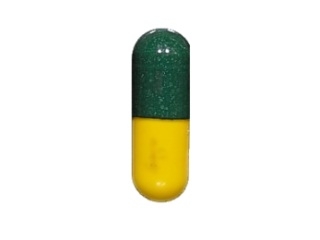

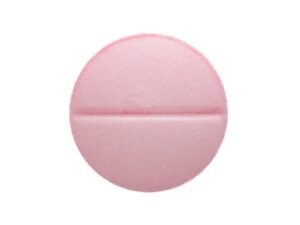
Loxitane (Loxapine) – Patient Information
Loxitane contains the active ingredient loxapine, an antipsychotic medicine used to treat certain mental health conditions. This guide is designed to help you understand how Loxitane works, how it is typically taken, and what to consider for safety and day-to-day use in the UK.
Always follow the advice given by your healthcare professional. If you have questions about your specific situation, seek medical help promptly.
Basic product information
| Item | Details |
|---|---|
| Brand name | Loxitane |
| Active ingredient | Loxapine |
| Medicinal type | Typical/“first-generation” antipsychotic (dibenzoxazepine class) |
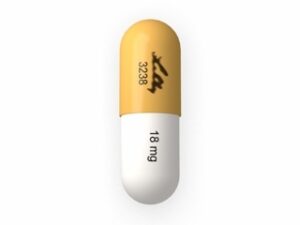
| Common formulations | Tablets (strengths may vary by product presentation) |
| How it is taken | By mouth |
| Who it may be prescribed for | Specific psychotic disorders and related indications (see “Typical use” and “Indications”) |
| Country context | UK medicines market guidance and safety expectations apply |
How Loxitane works (mechanism of action)
Loxapine is an antipsychotic that primarily works by affecting neurotransmitters in the brain, especially:
- Dopamine (D2) receptors: Loxapine blocks dopamine signalling in certain brain pathways. This helps reduce psychotic symptoms such as hallucinations and delusional thinking.
- Serotonin receptors (including 5-HT2 receptors): Loxapine also interacts with serotonin-related targets, which may help modulate mood, anxiety, and some side effects compared with agents that act more selectively on dopamine.
- Other receptor effects: Loxapine may also influence adrenergic and histamine pathways, contributing to sedation and orthostatic (postural) hypotension in some people.
Because it alters brain signalling, the benefits often take time to build, and early side effects may appear before symptom improvement.
Pharmacokinetics: how the body handles loxapine
“Pharmacokinetics” describes absorption, distribution, metabolism, and excretion—how the medicine moves through the body. While individual responses vary, the main features for loxapine include:
- Absorption: After oral dosing, loxapine is absorbed from the gastrointestinal tract. Food may affect the speed of absorption but not always the total amount absorbed.
- Distribution: Loxapine distributes into body tissues including the brain; it is highly protein-bound.
- Metabolism: Loxapine is metabolised mainly by the liver (commonly involving CYP enzymes such as CYP1A2 and others).
- Active metabolites: Some metabolites may contribute to overall effect.
- Elimination: Metabolites and small amounts of the parent compound are eliminated mainly via the kidneys and/or bile.
- Half-life: The duration of action depends on metabolism and individual factors; steady effects may take days to achieve and tapering may also be gradual.
Your clinician may adjust dose based on symptom control, tolerability, age, other medicines, and liver function.
Typical use in the UK
Loxitane (loxapine) is used to treat psychotic disorders where antipsychotic treatment is appropriate. In clinical practice, it may be considered for adults with symptoms such as:
- Hallucinations (e.g., hearing voices)
- Delusional beliefs
- Disorganised thinking or behaviour linked to psychosis
- Severe agitation or behavioural disturbance associated with psychosis (where appropriate)
The exact decision to use Loxitane depends on the person’s diagnosis, symptom severity, past response to antipsychotics, and risk factors (for example, heart rhythm considerations or susceptibility to certain side effects).
Indications (what it is used for)
Indications can vary by local product licensing and clinical guidelines. In general, loxapine is an antipsychotic indicated for conditions involving psychosis, such as:
- Schizophrenia and other psychotic disorders
- Psychotic symptoms associated with certain mental health conditions
- Acute psychotic episodes under medical supervision where appropriate
If you are unsure why Loxitane was chosen for you, ask your healthcare professional. It’s also reasonable to ask how long improvement should be expected and what monitoring will be used.
How to take Loxitane: timing and dosing approach
Your regimen depends on the formulation, your condition, and how you respond. Below is a general guide to support understanding. Follow your prescribed instructions carefully.
Timing
- Once or more daily: Many people take loxapine in split doses to reduce side effects such as sleepiness.
- Consistency: Try to take doses at the same times each day.
- Sedation: If you feel drowsy, your prescriber may recommend taking more of the dose in the evening.
Dosing (general principles)
Typical dosing strategy commonly involves:
- Starting low: To improve tolerability (especially for sedation and dizziness).
- Slow adjustment: Increasing the dose gradually until symptom control is reached.
- Lowest effective dose: Long-term treatment aims to use the smallest dose that maintains benefit.
Do not change the dose on your own. Antipsychotics should not be stopped abruptly without medical advice, because symptoms may return and withdrawal effects can occur.
Food interactions
Food generally has limited interaction potential with loxapine, but it may affect how quickly it absorbs. Practical tips:
- Take as directed: If your instructions specify taking with or without food, follow those instructions.
- Stable routine helps: Taking it at consistent times (and consistently with or without food) may help maintain predictable effects.
- GI upset: If you experience nausea or stomach discomfort, taking with food may help—check with your healthcare professional first if changes are needed.
Alcohol and medicine interactions
Alcohol
It’s generally advisable to avoid or minimise alcohol while taking Loxitane. Alcohol can increase sedation, impair judgement and coordination, and may worsen dizziness or risk of falls.
Common medicine interaction considerations
Several medicines may interact with loxapine by increasing side effects or altering blood levels. Inform your healthcare professional or pharmacist about all medicines you take, including:
- Other sedatives: Sleeping tablets, opioids, benzodiazepines, some antihistamines, and other medicines that cause drowsiness.
- Antidepressants and antipsychotics: Combined use may increase effects on blood pressure, sedation, or movement-related side effects.
- Medicines affecting heart rhythm: Drugs that prolong the QT interval may increase the risk of irregular heartbeat in susceptible individuals. Your clinician may consider ECG monitoring if risk factors exist.
- Medicines metabolised by the liver (CYP enzymes): Certain drugs can raise or lower loxapine levels, potentially changing effectiveness and side effects.
- Anti-Parkinson medicines: Some combinations may affect movement symptoms or tolerability.
Smoking
Smoking can influence liver enzyme activity (including pathways relevant to some antipsychotics). If you smoke or plan to stop, discuss this with your healthcare team, as dose adjustments may be needed.
Safety profile: side effects and warning signs
Like all medicines, Loxitane can cause side effects. Not everyone gets them. Many are dose-related and improve with time or after adjusting the regimen.
Common side effects
- Drowsiness or sedation
- Dizziness, especially when standing up quickly
- Dry mouth
- Constipation
- Blurred vision
- Increased appetite and weight changes (variable)
- Restlessness or changes in sleep pattern
Movement-related effects (important)
Antipsychotics can sometimes cause movement-related side effects, particularly when doses are higher or treatment is prolonged. Seek urgent medical advice if you experience severe or worsening symptoms.
- Akathisia (inner restlessness)
- Parkinsonism (tremor, stiffness, slowed movement)
- Dystonia (painful muscle spasms, often early)
- Tardive dyskinesia (involuntary movements—may develop after longer use)
Serious but less common risks
- Neuroleptic Malignant Syndrome (NMS): a rare emergency characterised by fever, severe muscle stiffness, confusion, and autonomic instability (e.g., irregular pulse or blood pressure). Immediate medical help is essential.
- Severe allergic reactions: swelling of face/lips, rash with breathing difficulty.
- Blood sugar or lipid changes: some antipsychotics can affect metabolic health. Your clinician may monitor weight, glucose, and cholesterol depending on your risk factors.
- Blood pressure changes: fainting, especially after standing (orthostatic hypotension).
- Heart rhythm effects: risk may be higher with pre-existing heart conditions, low potassium/magnesium, or interacting medicines.
- Increased prolactin: may cause breast changes, milk production, or sexual side effects in some people.
When to get help straight away
Contact urgent medical services or a healthcare professional promptly if you have:
- High fever, severe muscle stiffness, confusion (possible NMS)
- Fainting, chest pain, severe shortness of breath
- Severe allergic symptoms
- Uncontrolled movements, sudden severe stiffness, or inability to sit still
- Signs of stroke (face drooping, arm weakness, speech difficulty) – emergency
Practical use tips
- Plan for early drowsiness: If you feel sleepy, avoid driving or operating machinery until you know how Loxitane affects you.
- Stand up slowly: Especially in the first weeks or if you feel dizzy; sit for a moment before standing.
- Hydration and constipation prevention: If constipation occurs, discuss dietary fibre, fluids, and appropriate bowel care.
- Keep follow-up appointments: Monitoring may include symptom review and side-effect checks.
- Don’t miss doses: If you miss a dose, follow the guidance you’ve been given by your pharmacist or prescriber. If unsure, ask your pharmacist.
- Use a medication organiser: Helps avoid accidental double dosing.
- Report side effects early: Many issues can be managed by adjusting timing, dose, or supportive treatments.
Alternative options
If Loxitane is not suitable or not tolerated, there are other antipsychotic options. Alternatives may include both “typical” and “atypical” antipsychotics, chosen based on:
- Your symptoms and diagnosis
- Past response and tolerability
- Risk factors (for example, sedation sensitivity, metabolic risk, movement side effects)
- Other medicines you take
Examples of antipsychotic medicines used in the UK include (not an exhaustive list): olanzapine, risperidone, quetiapine, aripiprazole, and haloperidol. Your clinician will select the most appropriate option for you.
Market and legal context in the United Kingdom
Medicines in the UK are regulated by MHRA (Medicines and Healthcare products Regulatory Agency). Product availability, marketing authorisation, and safety updates are managed under UK medicines legislation.
Patients should expect:
- Clear prescribing information and safety guidance in line with UK regulatory requirements.
- Pharmacovigilance practices, including reporting of suspected side effects through the Yellow Card Scheme.
- Periodic review of safety data and updates to clinical guidance where needed.
Recent guidance (general): UK clinical practice continues to emphasise careful selection of antipsychotic therapy, monitoring of side effects (including movement symptoms and metabolic health), and attention to risk factors affecting heart rhythm and falls—particularly in older adults.
For individuals starting or changing an antipsychotic, clinicians often review:
- Baseline health risks (e.g., cardiovascular risk)
- Concomitant medicines
- History of movement side effects
- Need for ongoing monitoring (weight, glucose/lipids, ECG if indicated)
Delivery and availability in the UK (online pharmacy)
Loxitane availability can vary depending on your area, stock status, and formulation strength. Online pharmacies in the UK generally provide:
- Clear stock information at the time you order
- Tracked delivery options where available
- Secure packaging to protect medicines during transit
- Customer support for order queries and delivery updates
Delivery times depend on the service level you choose and local courier schedules. If you need the medicine urgently or have missed doses, contact the pharmacy promptly.
Storage: Follow the storage instructions on the label and leaflet. Keep out of sight and reach of children. Do not use after the expiry date.
FAQ about Loxitane (loxapine)
1) How quickly will Loxitane start working?
Some effects (such as sedation or reduced agitation) may be felt earlier. Core psychotic symptom improvement often takes days to weeks, and dose adjustments may be made gradually to achieve the best balance of benefit and side effects.
2) What should I do if I feel very drowsy?
Avoid driving and machinery. Contact your healthcare professional or pharmacist if drowsiness is severe or persistent. A change in timing, dose, or supportive measures may help.
3) Can I stop Loxitane suddenly?
Do not stop abruptly without medical advice. Stopping suddenly can lead to symptom worsening and withdrawal-like effects. If you’re considering stopping, discuss a safe plan with your healthcare professional.
4) Does Loxitane cause weight gain?
Weight changes can occur with antipsychotic medicines. Not everyone gains weight, but it’s important to monitor appetite, weight, and overall metabolic health. Your clinician may recommend periodic checks depending on your risk profile.
5) Are there driving or work safety concerns?
Yes. Loxapine may cause drowsiness and dizziness, particularly when starting or after dose increases. Until you know how you respond, avoid driving and dangerous activities.
6) What if I miss a dose?
If you miss a dose, take it only if it is close to the time of the next dose and if your instructions allow. If you’re unsure, ask your pharmacist for advice rather than taking a double dose.
7) How should I manage constipation?
Constipation is a known side effect for many people taking antipsychotics. Increase fluids and dietary fibre where appropriate and seek advice early if symptoms become uncomfortable. Your pharmacist can recommend suitable options.
8) Can I drink alcohol while taking Loxitane?
It’s generally best to avoid or minimise alcohol because it can increase sedation and dizziness. If you plan to drink, discuss with your healthcare professional to understand the safest approach for you.
9) Will Loxitane interact with other medicines?
Yes, interactions can occur, especially with other sedatives, medicines that affect heart rhythm, and drugs that influence liver enzymes. Always share your full medicine list (including over-the-counter and herbal products) with your healthcare team.
10) Who should be extra careful with Loxitane?
Extra caution is often needed for older adults, people with cardiovascular disease, those with a history of movement disorders, and anyone taking multiple medicines that affect sedation or the heart. Your clinician will consider risk factors and may use additional monitoring.
Summary
Loxitane (loxapine) is an antipsychotic medicine used to treat psychotic symptoms. It works mainly by affecting brain dopamine and serotonin pathways. It may cause sedation, dizziness, and other side effects, and like other antipsychotics it requires awareness of rarer but serious risks. Taking it at consistent times, avoiding alcohol, and reporting side effects early can support safer use.
If you have any concerns about your treatment, contact your healthcare professional or pharmacist for personalised guidance.