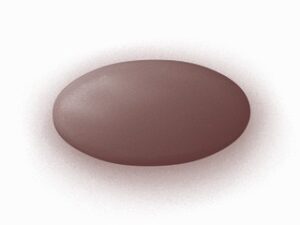


Cytomel (Liothyronine) – Patient Information (UK)
Cytomel contains liothyronine, a man-made form of the thyroid hormone triiodothyronine (T3). It is used to treat conditions where thyroid hormone levels are too low, and in some situations where doctors need rapid or specific thyroid hormone effects.
This page explains how Cytomel works, how it is typically used, important timing and food interactions, possible side effects, and practical tips to help you use your medicine safely. It also covers relevant UK guidance and frequently asked questions.
Basic product information
| Item | Details |
|---|---|
| Medicinal ingredient | Liothyronine (T3) |
| Brand name | Cytomel |
| Hormone type | Thyroid hormone replacement / thyroid hormone therapy |
| How it’s taken | By mouth (oral tablet) |
| Common monitoring | Blood tests for TSH and thyroid hormones (T3/T4) as advised |
| Usual approach in the UK | Often used alongside or after discussion of levothyroxine (T4) depending on individual circumstances |
What is liothyronine?
Liothyronine is the active thyroid hormone T3. Your thyroid gland normally produces thyroid hormones that regulate many body functions, including how fast your body uses energy (metabolism). When thyroid hormone production is reduced—such as in hypothyroidism—your body may slow down. Cytomel helps restore hormone levels.
How Cytomel works (mechanism of action)
Thyroid hormones act at the level of cells to influence the way genes are expressed. Liothyronine (T3) binds to thyroid hormone receptors in tissues such as the liver, muscle, heart, brain, and skin.
- Increases metabolic activity in many tissues.
- Helps normalise energy use, temperature regulation, and growth/development processes.
- Supports normal heart function and circulation (although too much can cause palpitations).
- Helps maintain normal brain function and mood.
- Promotes normal reproductive function and menstrual regularity in some people when thyroid levels are restored.
Because Cytomel provides T3 directly, its effects can begin relatively quickly compared with therapies that rely on the body converting T4 into T3.
Pharmacokinetics (how the body handles it)
“Pharmacokinetics” describes what happens to a medicine after you take it—absorption, distribution, metabolism, and elimination.
- Absorption: Oral liothyronine is absorbed from the gastrointestinal tract, but absorption can be reduced or altered by certain foods, supplements, and medicines.
- Onset of effect: T3 acts relatively quickly, which is one reason doctors may use it when faster thyroid hormone action is needed.
- Distribution: T3 circulates in the bloodstream, much of it bound to transport proteins, and enters tissues to exert its effect.
- Metabolism: Thyroid hormone is processed in the liver and other tissues.
- Elimination: Hormone levels decline over time, and dosing schedules may need adjustment depending on blood tests and symptoms.
Practical takeaway: Because Cytomel contains T3 (the active hormone) and T3 levels can rise and fall, dosing and timing may matter. Many clinicians monitor TSH and thyroid hormone levels to fine-tune dose.
Typical uses in the UK
Doctors may use Cytomel for thyroid-related conditions, depending on your history and test results. Typical uses include:
- Primary hypothyroidism (thyroid hormone deficiency), particularly when a clinician decides T3-based treatment may be appropriate.
- Combined therapy for selected people who have ongoing symptoms despite adequate levothyroxine (T4) treatment—decisions are individual.
- Situations where rapid T3 effect is desirable under specialist advice (the exact context varies).
- Thyroid hormone suppression or special circumstances where T3 is used according to specialist protocols.
Note: For most people in the UK, levothyroxine (T4) remains the most commonly used first-line thyroid hormone replacement. Cytomel may be considered when there is a specific clinical reason.
When to take Cytomel (timing)
Many patients are advised to take thyroid medicines consistently each day and to follow instructions from their healthcare professional. Consistency improves the reliability of blood test results.
Common advice:
- Take Cytomel at the same time every day.
- Consider taking it on an empty stomach if advised, or with a consistent relationship to meals.
- Follow whether your prescriber recommends morning or evening dosing.
Why timing matters: Food and some medicines can affect absorption. In addition, Cytomel’s T3 can lead to quicker hormone changes than T4, so your doctor may adjust dose and timing based on how your levels respond.
Food interactions
Some foods and beverages may reduce absorption or influence how well Cytomel works. The most important interactions are often related to specific supplements and fibre/mineral content in meals.
- High-fibre meals may reduce absorption in some people.
- Soy-based foods may interfere with thyroid hormone absorption or requirements.
- Calcium and iron-rich products can reduce absorption when taken close together.
- Magnesium supplements may also interfere.
- Grapefruit is not a typical major interaction for thyroid hormones, but individual effects can vary; keep to consistent habits and discuss changes with your clinician.
Practical tip: If you take supplements (especially iron, calcium, or magnesium), ask your pharmacist how long to separate them from Cytomel. A common approach is to space them by several hours, but the correct interval depends on your regimen.
Alcohol interactions
Moderate alcohol intake is not known to directly “react” with liothyronine in the way some medicines do. However, alcohol can affect:
- Sleep and wellbeing—which may overlap with thyroid symptom changes.
- Liver metabolism—relevant if you have liver conditions or take other medicines that also affect the liver.
- Heart rhythm—important because excessive thyroid hormone can cause palpitations and alcohol can worsen awareness of them in some people.
Safety approach: If you drink alcohol, keep intake consistent and moderate. If you notice palpitations, anxiety, tremor, or overheating after drinking—especially soon after your dose—contact your healthcare professional.
Medicine interactions
Cytomel may interact with other medicines. Some can affect absorption; others can alter thyroid hormone levels or increase side effects. Always check with your pharmacist or prescriber if you start or stop a medicine, including over-the-counter products.
Common interaction themes
- Absorption interference: medicines and supplements containing iron, calcium, magnesium, aluminium (e.g., some antacids), or certain bile acid binders.
- Altered thyroid hormone binding/metabolism: some medicines change how thyroid hormones circulate and are cleared.
- Heart-related effects: if your thyroid level becomes too high, medicines that affect heart rate or rhythm may increase risk of palpitations.
Examples of medicine categories to discuss
- Anticoagulants (blood thinners) such as warfarin (thyroid status can affect clotting stability).
- Diabetes medicines (thyroid changes can affect blood glucose control).
- Antidepressants and antipsychotics (thyroid imbalance can influence sensitivity to effects; some medicines may affect metabolism).
- Heart medications including some antiarrhythmics or beta-blockers (dose may need adjustment if thyroid status changes).
- Anti-epileptics (some can affect thyroid hormone metabolism).
- Amiodarone (it can affect thyroid function due to its iodine content; specialist input is important).
- Corticosteroids (high doses can affect thyroid hormone levels).
Important: Do not stop any other medicines because of Cytomel. Instead, ask a healthcare professional to review the combination. This is especially important if you take medicines that require blood test monitoring (e.g., warfarin) or diabetes medicines.
Indications (when it may be used)
In clinical practice, liothyronine is used for thyroid-related indications such as:
- Hypothyroidism: when thyroid hormone deficiency is present and T3 therapy is judged appropriate.
- Selected cases of combined thyroid hormone therapy: where a clinician considers it after careful assessment and monitoring.
- Specialist-led scenarios: certain complex thyroid management pathways may include liothyronine.
If you are unsure why Cytomel was chosen for you, ask your GP or endocrinology team. The “indication” is individual and depends on your thyroid tests, symptoms, and medical history.
Dosing (how much to take)
Dosing of Cytomel is individual. It depends on your thyroid test results (TSH, free T4, and sometimes free/total T3), symptoms, age, and heart health.
General principles:
- Start low and adjust gradually: Many people—especially older adults or those with heart disease—may be started at a low dose to reduce the risk of overstimulation.
- Monitor response: Your clinician will typically monitor blood tests and symptoms, then adjust the dose.
- Split dosing may be used: Depending on your response and whether hormone peaks/symptoms occur, a clinician may suggest dividing doses.
Typical dosing regimens (illustrative): Because individual prescriptions vary widely, exact doses can differ between patients. Your pharmacy and prescribing clinician will provide the dose that is right for you.
- Some regimens may involve once-daily dosing.
- Others may involve split dosing to better match symptom control and blood test timing.
- Never change your dose without clinical advice.
Missed dose: If you miss a dose, take it when you remember unless it is close to the time for your next dose. If you are unsure, ask your pharmacist. Avoid taking double doses unless advised.
Overdose concern: Taking too much liothyronine can cause symptoms of hyperthyroidism (thyroid hormone excess) and may be dangerous. Seek urgent medical advice if you accidentally take more than prescribed.
Safety profile and side effects
Like all medicines, Cytomel can cause side effects. Most risks relate to having too much thyroid hormone (over-replacement), especially early in treatment or after dose increases.
Common side effects of excess thyroid hormone
- Palpitations or a fast heartbeat
- Tremor or feeling shaky
- Anxiety, irritability, or difficulty sleeping
- Heat intolerance or increased sweating
- Weight loss or increased appetite
- Increased frequency of bowel motions
- Headache
Possible serious risks (contact a healthcare professional urgently)
- Chest pain, severe breathlessness, or fainting
- Significant irregular heartbeat or very rapid heart rate
- Severe agitation or confusion
- Symptoms suggesting a major thyroid imbalance
Allergy
Allergic reactions are uncommon but can occur with any medicine. Seek urgent help if you develop swelling of the face/lips, rash, wheezing, or breathing difficulties.
Long-term safety considerations
When thyroid hormone levels are kept in the target range, many people tolerate treatment well. If levels are consistently too high, there can be longer-term concerns, including effects on the heart and bone health.
Bone health: Over-replacement may increase risk of bone thinning. This is one reason monitoring is important.
Practical use tips (making treatment easier)
- Keep a routine: Take Cytomel at the same time each day.
- Separate key supplements: Ask how long you should separate Cytomel from iron, calcium, magnesium, and antacid products.
- Track symptoms: Note changes in energy, temperature tolerance, bowel habits, mood, sleep, and heart rate.
- Attend monitoring: Blood tests guide dose adjustments. Bring your latest results to appointments.
- Avoid sudden changes: Don’t switch brands or dosing schedule without advice.
- Be cautious with new meds: If you start a new medicine, check interactions.
Alternative options
If Cytomel is not suitable or if a different approach is preferred, alternative thyroid hormone therapies may be considered depending on your situation.
Common alternatives
- Levothyroxine (T4): the most common form of thyroid hormone replacement in the UK.
- Combination therapy (T4 plus T3): used selectively by some specialists.
- Natural desiccated thyroid preparations: sometimes requested by patients, but evidence and dosing consistency vary; specialist guidance is important.
Important: Switching between products can change your hormone exposure. It should be done with clinical monitoring and appropriate dose adjustment.
UK market and legal context
In the United Kingdom, medicines containing thyroid hormones are regulated through medicines and healthcare product rules. Cytomel (liothyronine) is used in clinical practice under the oversight of healthcare professionals.
For online pharmacy supply, medicines must be sourced and handled in accordance with UK regulatory and quality standards. Availability can vary by strength and supplier.
Quality and authenticity: Choose reputable sellers and verify packaging and product details on arrival. If anything looks unusual (damaged packaging, unexpected markings, or missing information), contact the supplier promptly.
Recent guidance and monitoring approach (UK context)
Thyroid management guidance in the UK emphasises careful diagnosis and monitoring, usually with TSH as a key marker of thyroid replacement adequacy. For combined T4/T3 strategies, approaches are typically individualised and monitored closely.
- Confirm the diagnosis and ensure thyroid tests are interpreted in the context of symptoms and other conditions.
- Use targeted dose adjustment rather than repeatedly changing doses without checks.
- Monitor safety in people at higher risk (e.g., heart disease, older age, bone health considerations).
- Be careful with timing of blood tests, especially with T3-containing regimens, because hormone levels can fluctuate after dosing.
If you’ve heard different views about T4-only versus combination therapy, it can be helpful to discuss your specific case with your GP or endocrine specialist and review your blood test trends over time.
Delivery and availability (UK online pharmacy)
Availability of Cytomel can vary due to supplier stocks, strength, and local distribution. When ordering online, your chosen pharmacy will provide:
- Estimated dispatch and delivery times
- Tracking options where available
- Clear product details including strength and pack size
Delivery considerations:
- Ensure someone can receive the parcel if deliveries are not left unattended.
- Check the packaging on arrival and keep the medicine in a cool, dry place away from direct sunlight, unless the label states otherwise.
If the medicine is temporarily out of stock, many pharmacies can provide alternatives or notify you of restocking—ask customer service about the options available.
FAQ
Is Cytomel the same as levothyroxine?
No. Cytomel contains liothyronine (T3), while levothyroxine contains thyroxine (T4). The body can convert T4 into T3, so they are not identical. Your dose and monitoring will differ.
How quickly will I feel better?
Some people notice changes in energy or symptoms within days to weeks, while others take longer. Because Cytomel provides T3 directly, effects can start sooner than T4, but the exact timeline varies. Dose adjustments are often guided by blood tests and symptom response.
Should I take Cytomel in the morning or evening?
It depends on your routine and how you respond. Many people prefer morning dosing to match their daily rhythm, but some may do better with a split schedule. Follow the specific timing advice from your healthcare professional.
Can I take Cytomel with breakfast?
Food can affect absorption. Many clinicians recommend taking thyroid hormone on an empty stomach or with a consistent timing away from meals. If you need to take it with food, keep the approach consistent and discuss it with your pharmacist.
What about iron, calcium, magnesium, or antacids?
These can reduce absorption when taken too close together. Separate them from Cytomel by a suitable interval. Ask your pharmacist for the best schedule based on your exact products.
Can I drink alcohol while taking Cytomel?
Moderate alcohol is not usually a direct interaction, but alcohol may worsen palpitations, sleep, or anxiety in some people—especially if your thyroid levels are too high. Keep intake moderate and consistent, and seek advice if symptoms occur.
How will my dose be adjusted?
Your clinician may adjust your Cytomel dose after reviewing blood test results and symptoms. Monitoring commonly includes TSH and relevant thyroid hormone levels. Don’t change dose on your own.
What signs mean my dose may be too high?
Symptoms of excess thyroid hormone include palpitations, tremor, anxiety, sweating/heat intolerance, insomnia, and unexplained weight loss. If these are significant or worsening, contact a healthcare professional promptly.
What signs mean I should seek urgent help?
Urgent help is needed for chest pain, fainting, severe breathlessness, significant irregular heartbeat, or severe confusion/agitation. If you suspect an overdose, seek urgent medical advice.
Are there alternatives if I cannot tolerate Cytomel?
Some people may do better with other thyroid hormone preparations (often levothyroxine) or a different dosing strategy. Discuss symptoms and blood test results with your clinician before changing therapy.
Why is monitoring important even if I feel “fine”?
Thyroid hormone levels can be high or low even when symptoms are mild. Blood tests help ensure the medicine dose keeps you within a safe target range.
Medical advice note: This information is designed to help you understand Cytomel better. Your individual treatment should always be guided by your healthcare professional and based on your symptoms and blood test results.