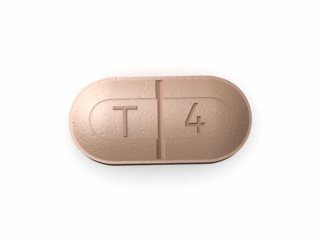


Levothroid (Levothyroxine) – Patient Information (UK)
Levothroid is a medicine containing levothyroxine, a form of thyroid hormone (T4). It is used to treat conditions where the body does not make enough thyroid hormone. This page explains how Levothroid works, how to take it safely, common interactions (including with food, alcohol, and other medicines), and what to expect during treatment.
This information is designed to be patient-friendly and UK-relevant. Always follow the advice provided by your clinician and the instructions on the medicine label.
At a glance
- Active ingredient: Levothyroxine (T4)
- What it does: Replaces missing thyroid hormone and helps normalise thyroid function
- Typical use: Hypothyroidism and other thyroid-related conditions
- How to take: Usually once daily, at the same time each day
- Key routine tip: Take on an empty stomach or consistently with/without food to avoid absorption changes
- Monitoring: Regular blood tests (TSH, sometimes free T4) to fine-tune the dose
Basic product information
Levothroid is a brand of levothyroxine. Levothyroxine is a synthetic version of thyroxine, one of the main hormones made by the thyroid gland. In the UK, levothyroxine products are commonly prescribed to manage thyroid hormone deficiency and related conditions.
Common strengths
Levothroid is available in multiple tablet strengths. The exact strength you receive depends on your condition and your blood test results.
How it is supplied
Levothyroxine tablets are designed for oral use. They are typically taken once daily.
Mechanism of action
Levothyroxine (T4) works as hormone replacement. After you swallow a dose:
- Absorption: It is absorbed in the gut and enters the bloodstream.
- Conversion: T4 is converted in body tissues (including the liver and kidneys) into the active hormone, triiodothyronine (T3).
- Physiological effects: T3 regulates metabolism, growth, heart function, body temperature, and many other processes.
If your thyroid is underactive, levothyroxine helps restore normal thyroid hormone levels and improves symptoms such as tiredness, weight gain, feeling cold, constipation, and dry skin.
Pharmacokinetics (how the body handles levothyroxine)
Understanding pharmacokinetics can help explain why consistency in how you take Levothroid matters.
| Topic | What happens (general principles) |
|---|---|
| Absorption | Levothyroxine is absorbed primarily in the small intestine. Food and some medications can reduce absorption. Taking it consistently helps maintain stable blood levels. |
| Distribution | Levothyroxine binds to thyroid hormone-binding proteins in the blood, which helps regulate the amount of free hormone available. |
| Metabolism | T4 is converted to T3 (active) and metabolised through normal hormone pathways in tissues and the liver. |
| Elimination | The hormone is cleared gradually. Levothyroxine has a long effect, so dose changes may take time to fully reflect in blood test results. |
| Time to effect | Many patients notice symptom improvement over weeks, while full stabilisation is assessed with blood tests. |
Typical use in the UK
Levothroid (levothyroxine) is used for conditions where thyroid hormone levels are too low or require replacement/suppression. Common reasons include:
- Primary hypothyroidism: An underactive thyroid, including after thyroid surgery or radioiodine treatment.
- Congenital hypothyroidism: In newborns and children (with specialist monitoring).
- Central (secondary/tertiary) hypothyroidism: Underactive thyroid due to pituitary or hypothalamic causes.
- Thyroid hormone replacement after thyroid cancer treatment: Where suppression of TSH is needed (specialist-led).
- Goitre (selected cases): Sometimes in combination with other care depending on your diagnosis.
The exact indication and goal (replacement vs suppression) affects target blood test ranges and therefore the dose.
How and when to take Levothroid
Correct timing and consistency are key for levothyroxine. Absorption can vary with food and some medicines, so a stable routine helps.
General timing advice
- Once daily: Most people take Levothroid one time per day.
- Try to take it at the same time each day.
- Empty stomach approach (commonly recommended): Take it with water and wait before eating. Many patients take it in the morning before breakfast.
- Alternative routine: Some people take it at bedtime, provided it is taken consistently and not close to a meal. Follow the advice given by your clinician/pharmacist.
Practical “morning routine” example
- Take your Levothroid tablet with a full glass of water.
- Do not eat for a set period (commonly at least 30 minutes; longer intervals may be advised for some patients).
- Take other morning medicines later if needed, especially if they interact with levothyroxine.
- Keep the routine consistent day-to-day.
If you miss a dose
If you forget a dose, take it when you remember unless it is close to the time of your next dose. Do not take a double dose. If you are unsure, ask your pharmacist for advice.
Food interactions and what to watch for
Food can reduce levothyroxine absorption. The goal is not necessarily to avoid food completely, but to keep the timing consistent.
Common food and drink considerations
- Coffee may reduce absorption in some people if taken soon after the dose.
- High-fibre diets and some meal patterns may affect absorption.
- Soy-containing foods can affect thyroid hormone absorption in some cases.
- Grapefruit juice and certain drinks may be relevant for interactions (your pharmacist can advise).
If you change your meal timing, start a new diet, or switch between different brands, ask for guidance on whether your blood tests need adjusting.
Minerals and supplements around your dose
Certain minerals can bind levothyroxine and reduce absorption:
- Iron
- Calcium
- Magnesium (including some antacids)
- Zinc (and some multivitamins containing zinc)
A common approach is to separate these from Levothroid by several hours. Your pharmacist can recommend the best spacing based on your regimen.
Alcohol and medicine interactions
Moderate alcohol intake is not typically considered a direct interaction with levothyroxine. However, alcohol can affect overall health, adherence, and may influence liver function in some people. It can also contribute to missed doses.
Practical advice
- Take Levothroid consistently regardless of alcohol intake.
- If you are unwell, have vomiting/diarrhoea, or miss doses due to drinking, contact your clinician if symptoms persist or blood tests are due.
- If you drink heavily or have liver disease, ask your clinician for tailored advice.
Medicine interactions
Several medicines can reduce absorption, increase hormone clearance, or alter the blood levels of thyroid-related proteins. Always review your full list of medicines (including over-the-counter products) with your pharmacist or GP.
Medicines that may reduce levothyroxine effectiveness
- Iron and calcium supplements (spacing is important)
- Some antacids or medicines containing aluminium or magnesium
- Bile acid sequestrants (used for cholesterol)
- Orlistat (weight-loss medicine)
- Some seizure medicines (e.g., carbamazepine, phenytoin)
- Rifampicin (antibiotic)
- Estrogen therapy (may increase thyroid-binding proteins and change dose needs)
- Some hormonal treatments that affect binding proteins
Medicines that may require closer monitoring
If you start, stop, or change doses of any of the following, you may need repeat thyroid blood tests:
- Anticoagulants (blood thinners) such as warfarin
- Diabetes medicines (your glucose control may change as metabolism normalises)
- Amiodarone (heart medication) which can affect thyroid function
- Glucocorticoids and some other medicines affecting hormone metabolism
If you are taking warfarin, your clotting control (INR) may require extra attention when levothyroxine dose changes.
Indications (conditions Levothroid is used for)
In practice, levothyroxine is used to treat thyroid hormone deficiency and to support selected thyroid-related treatment plans. Your exact indication will be determined by your diagnosis and thyroid function tests.
- Hypothyroidism (primary and central)
- Thyroid hormone replacement following thyroidectomy or radioiodine
- Support in thyroid cancer management (TSH suppression goals may apply)
- Goitre and related indications in selected patients
- Pediatric hypothyroidism under specialist supervision
Dosing guidance
Levothyroxine dosing is individual. It is based on:
- Your blood tests (especially TSH and free T4)
- Your age and overall health
- Whether you have heart disease
- Whether this is replacement or suppression treatment
- Any recent dose changes, brand changes, or medication changes that can affect absorption
Starting and adjusting doses
Clinicians usually start with a dose appropriate for your situation and then adjust gradually according to results and symptoms. Dose adjustments can take time to reflect fully because levothyroxine acts over a long period.
Common dosing patterns (not personal dosing)
- Adults with new hypothyroidism: Often start at a conservative dose and titrate.
- Older adults or people with heart problems: Doses may be increased more slowly.
- Children: Dosing is weight-based and closely monitored to support normal growth and development.
Your prescriber or pharmacist will confirm the exact dose for you. Do not change your dose unless advised.
Safety profile and side effects
Levothyroxine is generally well tolerated when dosed correctly. Side effects often relate to taking too much (over-replacement) or less than needed (under-replacement).
Possible side effects of too much levothyroxine
- Palpitations or a faster heartbeat
- Chest discomfort or shortness of breath (seek medical advice promptly)
- Tremor, anxiety, restlessness
- Insomnia
- Heat intolerance and sweating
- Unintentional weight loss
- Diarrhoea or increased bowel frequency
- Headache
Possible side effects of too little levothyroxine
- Ongoing fatigue and lethargy
- Feeling cold more than usual
- Constipation
- Dry skin, hair changes
- Weight gain
- Depressive symptoms
When to seek urgent help
Contact urgent medical help if you experience severe palpitations, chest pain, fainting, or severe breathlessness. If you have concerns about an adverse reaction, contact a healthcare professional.
Who should use extra caution?
- Older adults or those with heart disease
- People with adrenal insufficiency (treatment may need careful sequencing)
- People with diabetes (glucose levels may change)
- Pregnancy (dose needs may change; monitoring is essential)
- People with severe hypothyroidism (may require specialist management)
Practical tips for using Levothroid
- Be consistent: Take your tablet the same way every day.
- Keep a routine: Choose a timing you can maintain (morning or bedtime) and stick to it.
- Separate interacting supplements: Iron and calcium should usually be spaced away from your Levothroid dose.
- Check brand and formulation changes: If you switch between brands, confirm whether your blood tests need reassessing.
- Don’t “double up”: If you miss a dose, follow advice and avoid doubling unless directed.
- Know your test schedule: Ask when to re-check TSH/free T4 after starting or adjusting.
- Tell clinicians about new meds: Especially anticoagulants, diabetes medicines, heart medications, or supplements.
Keeping track of your dose changes
It can help to note dose changes and any major lifestyle changes (diet, sleep timing, starting/stopping supplements) alongside your blood test dates. This can make monitoring more efficient.
Alternative options
Depending on your diagnosis and response, other thyroid hormone options may be available. These may include:
- Other levothyroxine brands or formulations (same active hormone, different excipients)
- Liothyronine (T3) or combination therapy in selected cases under specialist care
- In special circumstances: Adjustments to levothyroxine timing, formulation, or addressing absorption issues (for example, coeliac disease or interacting medicines) may be considered before changing drug type
If you feel symptoms persist despite treatment, discuss whether absorption, adherence, drug interactions, or lab results need review before switching.
UK market and legal context (brief overview)
In the United Kingdom, levothyroxine products such as Levothroid are regulated medicines supplied through the NHS and private healthcare routes. Availability can vary by pharmacy stock and supplier schedules, but multiple levothyroxine options are generally accessible.
Levothyroxine is widely used, so the UK healthcare system places importance on:
- Stable treatment: Maintaining consistent dosing and monitoring
- Switching policies: Ensuring continuity when products change (where relevant to local prescribing and pharmacy supply)
- Clinical monitoring: Using blood tests to confirm the dose achieves the intended thyroid levels
Recent guidance and monitoring considerations (UK practice)
UK clinical practice commonly emphasises:
- Using TSH (and sometimes free T4) to guide dose adjustments
- Avoiding unnecessary changes to thyroid hormone therapy without appropriate monitoring
- Extra attention during life stages such as pregnancy, where thyroid hormone requirements often increase
- Reviewing interacting medicines and supplements when thyroid results appear unstable
Your clinician may recommend a repeat blood test after starting therapy, after dose changes, or if there are suspected absorption or interaction issues.
Delivery and availability
Levothroid availability may depend on stock levels and your chosen strength. Delivery timelines can vary depending on where you are in the UK and the courier service used by the pharmacy. Many online pharmacies offer standard and/or express delivery options.
- Check strength and quantity: Make sure your selected tablet strength matches your dose plan.
- Plan around blood test schedules: Keeping continuous supply can help avoid missed doses.
- If stock is temporarily unavailable: The pharmacy may offer alternative packaging or supplier options if clinically appropriate.
FAQ
1) What is Levothroid used for?
Levothroid is used to treat hypothyroidism and other conditions requiring replacement of thyroid hormone. It also may be used in selected cases where thyroid hormone levels need to be suppressed, depending on the underlying diagnosis.
2) How long does it take to work?
Many people begin to notice improvements over a few weeks. Full adjustment is guided by blood tests, which may be checked several weeks after starting or changing a dose.
3) Should I take Levothroid with food?
For best consistency, many people take Levothroid on an empty stomach. If you take it with food, make sure the approach is consistent and discuss any changes with your clinician, as absorption can vary.
4) Can I take my usual supplements (iron/calcium) with Levothroid?
Iron and calcium can reduce absorption. You should generally separate these supplements from Levothroid by several hours. Ask your pharmacist for exact spacing based on your schedule.
5) What if I drink coffee after taking my dose?
Coffee can reduce absorption in some people if taken soon after the tablet. Try to allow a consistent interval between your Levothroid dose and coffee, and inform your clinician if results change.
6) Can I drink alcohol while taking Levothroid?
Moderate alcohol intake is usually not a direct interaction. However, maintaining your routine and not missing doses is important. If you have liver disease or other health conditions, seek personalised advice.
7) Are there interactions with other medicines?
Yes. Some medicines can affect absorption or thyroid hormone levels (for example, iron/calcium supplements, antacids, and certain antibiotics or heart medicines). Always review your full medication list with a pharmacist.
8) What should I do if my thyroid blood tests change?
Blood test changes may occur due to dose adjustments, diet changes, missed doses, absorption issues, or interactions with other medicines. Contact your clinician or pharmacist for guidance; do not adjust your dose without advice.
9) Can I switch brands if Levothroid is not available?
In the UK, switching between levothyroxine products can sometimes be done, but monitoring may be needed to ensure the dose remains correct. Speak to a pharmacist or clinician to confirm the best approach for you.
10) Are there special considerations during pregnancy?
Pregnancy can change thyroid hormone requirements. It is important to have timely monitoring and follow the treatment plan provided by your healthcare team.
11) When should I seek medical help?
Seek urgent medical help for severe palpitations, chest pain, fainting, or severe shortness of breath. Contact your clinician promptly if you experience significant side effects or symptoms that suggest the dose may be too high or too low.
Important patient reminder
Everyone’s thyroid condition is different. The most accurate way to manage levothyroxine therapy is through consistent dosing, awareness of interacting medicines and supplements, and regular monitoring through blood tests.