
Hair Loss Cream (United Kingdom) — Patient Information
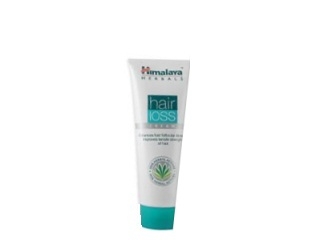
Hair Loss Cream is an at-home topical treatment designed to help address thinning hair and support healthier hair growth. This guide is written to be patient-friendly and practical, explaining how the cream works, how to use it safely, and what to expect during the treatment period. Always follow the instructions provided with the product or on the label.
What is Hair Loss Cream?
Hair Loss Cream is a hair-support product applied directly to the scalp. It is formulated to be absorbed through the skin where it can help target factors involved in hair thinning. Many products in this category contain active ingredients commonly used in hair-loss care (for example, minoxidil-based formulations), although specific strength and ingredients may vary by brand.
Key product features (typical)
- Topical cream applied to the scalp
- Supports hair growth and helps reduce the appearance of thinning
- Regular use is important to see results
- Suitable for at-home treatment (follow product instructions)
How Hair Loss Cream works (mechanism of action)
Hair loss is influenced by multiple factors, including genetics, hormonal changes, scalp health, and the natural hair growth cycle. Topical hair-loss treatments generally work by encouraging the hair follicles to move toward the growth (anagen) phase and by supporting the health of follicles.
For many common hair-loss creams used in the UK, the active ingredient works in a way that:
- Promotes hair follicle activity and may increase the proportion of follicles in the growth phase
- Improves micro-environment around the scalp, supporting healthier hair formation
- May reduce the rate of shedding in some people
Important: Results vary. Hair growth typically develops gradually, and it may take time for visible changes because hair grows slowly and cycles through stages.
Pharmacokinetics (absorption and how the body handles it)
When applied to the scalp, only a portion of the active ingredient may be absorbed through the skin. Absorption can be influenced by factors such as:
- Scalp condition (healthy scalp vs. irritated skin)
- How much cream is applied
- Whether the scalp is wet, freshly washed, or broken/irritated
- Use of additional scalp products
In general, topical hair-loss treatments have limited systemic absorption compared with oral medicines. Once absorbed, the active ingredient is distributed and then metabolised and eliminated by the body (mainly through normal physiological pathways). The exact details depend on the ingredient and product strength.
If you have kidney or liver problems, or if you are taking other medicines, it is sensible to discuss your plan with a pharmacist or clinician before using the product, especially if you notice unusual side effects.
What it’s used for (indications)
Hair Loss Cream is commonly used to help with:
- Thinning hair on the scalp
- Androgenetic alopecia (often called pattern hair loss), where appropriate for the product
- Hair shedding/miniaturisation associated with thinning
It is usually intended for adults. If you are under 18, pregnant, or breastfeeding, check the product label and seek advice from a healthcare professional before use.
Typical use and timing
Consistency is essential. Most topical hair-loss creams are used regularly, often as a twice-daily or once-daily regimen depending on the product strength and label instructions.
Common timing approach
- Morning: apply after washing and drying (or as directed)
- Evening: apply at least several hours before bedtime (if using twice daily)
When should you expect results?
- Early changes: some people notice reduced shedding within the first few months
- Visible improvement: often around 3 to 6 months
- Best results: may take up to 12 months of continuous use
If you stop treatment, the supportive effect may diminish over time, and thinning may gradually return.
Dose and how to apply (step-by-step)
The dosing depends on the product formulation and strength. Always use the exact amount stated on the pack. Below is a patient-friendly guide that matches common topical hair-loss application practices.
General dosing principles
- Use only the label dose—more cream does not usually work faster and may increase irritation.
- Apply to the scalp, not just to the hair strands.
- Wash hands after application.
- Allow to dry before touching hair or wearing headwear.
Practical instructions
- Prepare the scalp: ensure the scalp is dry (unless the label says otherwise). If your scalp is damp, the cream may spread unevenly.
- Section the hair: gently part hair to expose the thinning area.
- Apply the measured amount: spread the cream onto the scalp evenly. Avoid applying to the face, eyes, or other body areas.
- Gently massage: use light finger pressure to help it absorb (only as directed).
- Let it dry: avoid washing the scalp for the time stated on the label. Many products recommend waiting several hours before washing or swimming.
- Clean up: wash hands thoroughly after use.
What if you miss a dose?
- Apply the next dose when you remember only if it is not close to the next scheduled dose.
- Do not apply double the amount to make up for a missed application.
Food interactions
Because Hair Loss Cream is applied to the scalp, food interactions are generally not expected to be clinically important. However, if the product is absorbed to some degree, overall tolerability can be affected by dehydration, illness, or other medicines you take.
Practical advice: there is usually no need to change your diet specifically because of this cream. If you notice dizziness, palpitations, or unusual side effects, seek advice from a pharmacist—especially if you are also taking other medicines.
Alcohol and medicine interactions
Direct interactions between alcohol and a topical hair-loss cream are not typically expected. Nevertheless, certain considerations are helpful for patient safety:
- Alcohol and side effects: alcohol may worsen dizziness or low blood pressure sensations in susceptible people.
- Other medicines: if you are taking medicines that affect the heart or blood pressure, or if you have relevant medical conditions, speak to a pharmacist before using the product.
- Skin contact: keep the cream away from mucous membranes. Accidental contact with eyes or mouth may increase irritation.
If you take prescription medicines, anticoagulants, antihypertensives, or have a history of heart rhythm problems, it is best to review your medicines with a healthcare professional.
Safety profile and possible side effects
Most people tolerate topical hair-loss creams well when used correctly. However, side effects can occur, especially if the scalp is irritated or if too much is used.
Common local side effects
- Scalp irritation (itching, redness, or dryness)
- Flaking or dry scalp
- Burning or discomfort at the application site
- Dryness of hair or slight changes in hair texture
Temporary shedding (“initial shedding”)
Some people experience increased shedding during the first weeks of treatment. This can be a temporary phase as older hairs make way for new growth. If shedding persists or is severe, check with a pharmacist.
Less common systemic effects
Even though absorption is limited, seek medical advice urgently if you experience:
- Chest pain, fainting, severe dizziness, or shortness of breath
- Rapid heartbeat or palpitations
- Unexplained swelling of the face, lips, or extremities
When to stop and get advice
- If you develop severe scalp reactions (swelling, blistering, or intense burning)
- If you experience significant side effects that do not settle
- If you are unsure whether the symptoms are related
Safety in special groups
- Children and adolescents: not usually intended for use in children or under 18s unless specifically advised by a professional.
- Pregnancy and breastfeeding: topical hair-loss treatments may not be suitable. Check the product label and seek advice.
- Cardiovascular disease: consult a pharmacist or clinician if you have heart or blood pressure conditions.
- Scalp disease: if you have psoriasis, eczema, infection, or open wounds, treat the underlying problem first or seek advice.
Practical use tips for best results
A few habits can improve comfort, reduce irritation, and help you stay consistent.
- Start with the label dose and only adjust if advised.
- Apply consistently (set reminders if needed).
- Use gentle scalp care: avoid harsh gels, strong acids, or vigorous scratching on treatment areas.
- Let it dry: this reduces transfer to pillowcases, hats, and faces.
- Wash hands: to prevent eye or mouth exposure.
- Track progress: take photos in the same lighting every 4–6 weeks. This makes gradual changes easier to see.
If your scalp becomes dry or irritated, speak to a pharmacist about options such as switching to a gentler shampoo. Some irritation can reduce compliance, so addressing it early can help.
Alternative options for hair thinning in the UK
Depending on the cause of thinning (pattern hair loss, stress-related shedding, nutritional issues, traction alopecia, scalp conditions), different treatments may be more appropriate. Common alternatives include:
- Other topical hair-loss products: formulations that may target follicles differently or come in different strengths.
- Oral treatments (where appropriate): some conditions respond to systemic options under professional guidance.
- Scalp treatments: if inflammation or dandruff is contributing, treating the scalp may improve hair appearance.
- Lifestyle and nutritional support: ensure adequate protein intake and consider checking iron, vitamin D, or thyroid status if symptoms suggest a deficiency.
- Hair styling solutions: volumising products or hair fibres can help camouflage thinning while treatments work.
- Hair transplant or procedures: may be considered for suitable candidates after consultation.
If thinning is sudden, associated with patchy hair loss, or accompanied by scalp pain or scaling, it is important to seek appropriate clinical assessment to confirm the cause.
Market and legal context in the United Kingdom
In the UK, hair-loss products sold online may fall under different regulatory categories depending on their ingredients and claims. Many topical hair-support products are marketed as cosmetics or pharmacy medicines; others may be authorised as medicines or registered products. Requirements for marketing authorisations, labelling, and claims are overseen by UK regulators.
When choosing a product, look for:
- Clear ingredient and strength information
- Directions for use and warnings
- Batch number and expiry date
- Manufacturer or marketing authorisation details where applicable
For the most up-to-date regulatory guidance, consult official UK sources or ask a pharmacist for advice about product suitability.
Recent guidance and best-practice advice (UK-oriented)
While product-specific recommendations vary by active ingredient and formulation, common UK best-practice themes for hair-loss treatments include:
- Realistic expectations: hair growth is slow; results require months of continuous use.
- Correct application: apply to the scalp; avoid eyes and mucous membranes.
- Manage irritation early: reduce friction and harsh products; consider gentle alternatives for scalp care.
- Review ongoing use: if no improvement after an appropriate trial period, seek advice before continuing.
If your thinning pattern changes quickly, or you develop symptoms such as scalp inflammation, it is wise to get tailored advice.
Delivery and availability in the UK
Hair Loss Cream is available through selected online pharmacy and approved retail channels in the UK (availability depends on stock and product line). Delivery options commonly include:
- Standard delivery: typically a few working days (times vary by supplier)
- Express delivery: available at checkout for eligible areas
- Order tracking: provided for shipped orders
Storage: store the cream as directed on the packaging (usually at room temperature, away from heat and sunlight). Keep out of reach of children.
Alternative options if you’re not sure this is right for you
Consider speaking to a pharmacist if:
- You have patchy hair loss rather than gradual thinning
- You have itching, pain, or scalp sores
- You are unsure whether the thinning is due to hormonal changes, stress-related shedding, or an underlying condition
- You are pregnant, breastfeeding, or have heart/blood pressure concerns
A pharmacist can help you choose an appropriate product and improve safety by reviewing your symptoms and current medicines.
Frequently asked questions (FAQ)
1) How long does it take to see results?
Many people need at least 3 to 6 months to notice improvements. Hair growth is gradual, so continue using the cream as directed to assess effectiveness. Best results can take up to 12 months.
2) Will I lose hair at the start?
Some people notice temporary increased shedding early on. This can occur as hairs cycle. If shedding is severe, lasts longer than expected, or you have scalp irritation, contact a pharmacist for advice.
3) Can I wash my hair after applying?
Follow the product label. Many topical hair-loss treatments advise waiting a few hours before washing or swimming to help absorption. Avoid rubbing vigorously to reduce irritation.
4) Can I use it with other scalp products?
You can often use gentle shampoos and conditioners, but avoid applying strong irritant products directly on top of the treatment area. If you use chemical treatments (for example, relaxers or strong dyes), consider spacing them out and seek guidance if your scalp is sensitive.
5) Is it safe to use if I have a sensitive scalp?
Many people can use it safely, but start carefully. If you get significant redness, burning, or worsening irritation, stop and seek advice. Using the correct dose and applying to healthy skin helps reduce risk.
6) Can men and women use Hair Loss Cream?
Some formulations are suitable for specific groups depending on strength and label instructions. Check the pack guidance for who it is intended for. If you are unsure, ask a pharmacist.
7) Does alcohol or smoking affect it?
Alcohol is not usually expected to directly interact with topical use, but heavy alcohol intake may worsen dizziness in susceptible people. Smoking can affect overall circulation and scalp health. For best outcomes, support general health and follow application instructions.
8) What if I accidentally get it in my eyes?
Rinse eyes thoroughly with water immediately and seek medical advice if irritation persists. Keep the product away from eyes and mucous membranes during application.
9) What should I do if I miss a dose?
Apply the next scheduled dose. Do not apply double the amount.
10) Are there long-term risks with using it for many months?
Many people use topical hair-loss treatments for prolonged periods under label guidance. Potential risks include ongoing scalp irritation and rare systemic side effects. If you experience persistent side effects or new symptoms, speak to a pharmacist.
Product overview table
| Category | What to know |
|---|---|
| Product type | Topical hair-loss/thinning-support cream applied to the scalp |
| How it works | Helps support hair follicle activity and may encourage hair growth cycle progression |
| When to use | Typically once or twice daily per label; consistent use is key |
| Expected timeframe | First changes often 3–6 months; best assessment by 12 months |
| Common side effects | Scalp irritation, itching, dryness, flaking; temporary early shedding may occur |
| Who should seek advice first | Pregnancy/breastfeeding, under 18s, scalp disease, heart/blood pressure concerns, multiple medicines |
| Interactions | No significant food interactions expected; check with a pharmacist for relevant medicine/health interactions |
| Storage | Store as directed on pack; keep out of reach of children |
Summary
Hair Loss Cream is a topical option for supporting hair growth and helping reduce the appearance of thinning when used consistently over time. It works by targeting the hair follicles through the scalp, with absorption generally limited compared with oral treatments. The most important factors for success are correct application, using the label dose, avoiding irritating scalp practices, and giving the treatment enough time to show results.
If you have concerns about safety, underlying scalp problems, or other medicines you are taking, speak to a pharmacist for guidance.