
Rocaltrol (Calcitriol) — Patient Information (UK)
Rocaltrol is a brand of calcitriol, the active form of vitamin D. It is used to help control calcium and phosphate levels in the body, supporting healthy bones and muscle function. This page explains how Rocaltrol works, when it’s used, how to take it, and important safety information.
Note: Medicines affect individuals differently. Always follow the advice given by your healthcare professional.
Quick facts
- Active ingredient: Calcitriol
- What it does: Increases calcium absorption and helps regulate phosphate
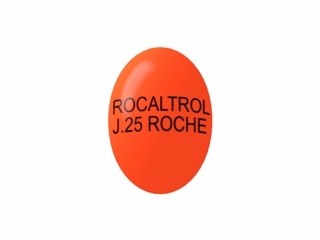
- Common forms: Capsules (strengths may vary by product availability in the UK)
- Typical use: Conditions linked to low vitamin D activity and abnormal calcium/phosphate balance
- Key safety points: Risk of high calcium (hypercalcaemia), especially with incorrect dosing or interacting medicines
What is Rocaltrol?
Rocaltrol contains calcitriol, a hormone-like form of vitamin D that your body can use immediately. Unlike vitamin D supplements that must be converted by the liver and kidneys, calcitriol is already “active”.
It works mainly by helping regulate how much calcium and phosphate are absorbed in the gut and handled by the kidneys. This is particularly important when the kidneys cannot produce enough active vitamin D.
Mechanism of action (how it works)
Calcitriol acts on cells in the gut, bones, kidneys, and parathyroid glands. In simplified terms, it:
- Increases calcium absorption: Helps the intestines absorb more calcium from food.
- Helps maintain normal mineral balance: Supports appropriate bone mineralisation.
- Regulates phosphate: Helps control phosphate levels, which is essential for bone health.
- Influences parathyroid hormone (PTH): Adequate active vitamin D activity can reduce excess PTH production.
Pharmacokinetics (how the body handles it)
Pharmacokinetics describe what happens to a medicine after you take it. Calcitriol is absorbed from the gut and then distributed throughout the body. Key points:
- Absorption: Orally administered calcitriol is absorbed from the gastrointestinal tract.
- Distribution: It binds to vitamin D transport proteins and distributes to target tissues.
- Metabolism and excretion: Calcitriol is metabolised mainly in the liver and cleared through metabolic pathways. Exact rates can vary by individual health status.
- Onset of effect: Effects on calcium levels can be seen within days, but dosing and monitoring may be adjusted over time.
Because calcitriol is already active, changes in blood calcium can occur more quickly than with “inactive” vitamin D forms. That’s why regular monitoring is often needed during treatment and dose adjustments.
Typical uses (indications)
Rocaltrol is used in conditions where active vitamin D is needed to help correct abnormal calcium/phosphate balance. Common indications include:
- Hypocalcaemia: Low blood calcium due to insufficient vitamin D activity, including in certain endocrine and metabolic conditions.
- Chronic kidney disease (CKD): To help manage disturbances of calcium and bone metabolism, particularly where calcitriol production is reduced.
- Renal osteodystrophy: Bone changes linked to kidney disease and altered mineral metabolism.
- Hypoparathyroidism: When parathyroid hormone function is low or absent, leading to low calcium.
- Rickets/osteomalacia due to vitamin D deficiency states: In situations where active vitamin D therapy is appropriate.
Which indication applies to you depends on your diagnosis and blood test results. Your prescriber may use calcium, phosphate, vitamin D and PTH levels to guide treatment.
Dosing: what “typical” looks like
Dosing is individual and based on blood tests (especially serum calcium) and the underlying condition. The goal is to find the smallest effective dose that keeps calcium in the recommended range.
General guidance (not a personal prescription):
- Start low and adjust: Many patients begin with a low dose and then adjust based on monitored calcium levels.
- Regular blood tests: Especially after starting or changing dose.
- Adherence matters: Missing doses or taking extra can affect calcium balance.
Your pharmacist or healthcare professional can confirm the exact dose schedule for your product strength and condition.
When to take Rocaltrol (timing)
Rocaltrol is usually taken once daily, although some regimens may differ. Follow the dosing instructions provided for your specific treatment plan.
- Try to take it at the same time each day to keep dosing consistent.
- If you take other medicines at different times, you may space them out (see interactions section below). However, the timing strategy should be guided by your clinician and medicine review.
- Missed dose: If you miss a dose, take it when you remember unless it’s close to the time for your next dose. Do not double up unless your healthcare professional advises you to.
Food and drink interactions
Food does not usually need special restrictions with calcitriol, but there are important practical considerations:
- Calcium-containing supplements and high-calcium diets: These can raise calcium further. Your overall calcium intake may be monitored.
- Phosphate intake: If you have kidney-related conditions, phosphate balance is important. Follow any diet advice provided by your care team.
- Consistency: Sudden changes in diet, supplements, or over-the-counter products may affect blood test values.
Alcohol is discussed below in the medicines and lifestyle section. For food, the key issue is avoiding unplanned additional calcium or vitamin D products without professional advice.
Alcohol interactions
There is no single universal “danger” rule between calcitriol and alcohol for all patients. However, alcohol can indirectly affect safety by:
- Increasing dehydration risk: Dehydration may worsen tolerability of treatments that affect kidney function and calcium balance.
- Changing adherence and diet: Heavy drinking may lead to missed doses or poor nutrition, affecting mineral balance.
- Interacting with overall health: People with kidney disease or liver conditions should be cautious and discuss alcohol use with their clinician.
If you drink alcohol, consider keeping it modest and consistent, and let your healthcare professional know about your drinking pattern—especially if you have kidney disease.
Medicine interactions (important)
Interactions can increase the risk of side effects (particularly high calcium) or reduce effectiveness. Tell your pharmacist and prescriber about all medicines you take, including over-the-counter products and supplements.
Medicines that may increase calcium levels
- Calcium supplements and other vitamin D preparations (including vitamin D tablets or drops): may add to the calcium-raising effect.
- Thiazide diuretics (used for blood pressure): can reduce calcium excretion and increase calcium levels.
Medicines affecting phosphate and bone metabolism
- Phosphate binders and other treatments for CKD-mineral and bone disorder (CKD-MBD) may need dose adjustments depending on your lab values.
Medicines that affect vitamin D metabolism
- Some medicines can influence how vitamin D is metabolised. Your prescriber may monitor calcium/phosphate more closely if you start or stop such treatments.
Other considerations
- Magnesium-containing products: If you take magnesium supplements or antacids, discuss them with your healthcare professional, particularly if you have kidney disease.
- Heart medicines (digoxin): High calcium can increase the risk of digoxin-related rhythm problems. If you take digoxin, you should be monitored carefully.
If you are unsure whether a product contains vitamin D or calcium, check the label or ask your pharmacist.
Safety profile and side effects
Most important risk: high calcium (hypercalcaemia)
The key safety concern with Rocaltrol is hypercalcaemia (too much calcium in the blood). This can occur if the dose is too high, if your sensitivity is increased, or if interacting products raise calcium further.
Common symptoms of high calcium may include:
- nausea or vomiting
- constipation
- tiredness, weakness
- increased thirst and frequent urination
- confusion (in severe cases)
- abdominal discomfort
Seek urgent medical advice if you develop severe symptoms, signs of dehydration, or confusion.
Other possible side effects
- Low calcium (hypocalcaemia): Less common, but possible if calcium remains low or treatment needs adjustment.
- Kidney-related issues: In the context of abnormal calcium levels, kidney complications can occur. Regular monitoring is important.
- Headache, dizziness, or taste changes: Some patients may report non-specific symptoms.
Not everyone experiences side effects. Tell your clinician or pharmacist about any symptoms you notice during treatment.
When to stop and get help
If your healthcare professional has told you what to watch for, follow that advice. In general, get prompt medical advice for:
- symptoms suggestive of high calcium
- signs of allergic reaction (e.g., swelling of face/lips, difficulty breathing, rash)
- significant vomiting or inability to keep fluids down
Practical tips for using Rocaltrol safely
- Keep to your monitoring plan: Blood tests (especially calcium) help keep treatment safe and effective.
- Don’t start new supplements without checking: Avoid adding extra vitamin D or calcium without discussion.
- Check product labels: Some “bone health” or multivitamin products include vitamin D and calcium.
- Hydration matters: Stay well hydrated unless you’ve been advised to limit fluids for medical reasons.
- Keep a list of medicines: Include over-the-counter items and herbal products.
- Report symptoms early: Catching high calcium early makes it easier to adjust treatment.
Alternative options to Rocaltrol
Alternatives depend on the condition being treated and the patient’s kidney function and blood test targets. Possible options include:
Active vitamin D alternatives
- Alfacalcidol (another active vitamin D analogue): may be used in some settings to manage mineral metabolism disorders.
- Other calcitriol brands or formulations: choice depends on availability, dose strength, and tolerability.
Non-active vitamin D options (may not be suitable for everyone)
- Cholecalciferol (vitamin D3) or ergocalciferol (vitamin D2): often used when the body can activate vitamin D normally, but may be less effective in some kidney-related conditions.
Your clinician will choose an option based on your diagnosis, laboratory results, and risk factors for high calcium.
UK market and legal context (what to expect)
In the United Kingdom, Rocaltrol (calcitriol) is a regulated medicine. Availability and supply can depend on:
- licensing and product strengths
- pharmacy stock levels and distribution schedules
- national medicine supply updates
If your usual brand or strength is temporarily unavailable, pharmacists may check alternative equivalent options available through UK distribution channels and advise you accordingly.
You may also see guidance on managing vitamin D and mineral disorders as part of broader clinical practice in the UK, including monitoring of calcium and phosphate in relevant conditions such as CKD.
Recent guidance and monitoring approach (UK-relevant themes)
While local protocols vary, common themes in UK clinical practice for calcitriol therapy include:
- Regular monitoring of blood calcium and phosphate, particularly after initiation and dose changes.
- Individualised dosing based on lab results and clinical response.
- Attention to CKD-mineral and bone disorder (CKD-MBD) targets when treating kidney-related conditions.
- Medication reviews to reduce interaction risk (e.g., supplements, thiazides, calcium-containing products).
Your healthcare professional may also advise specific diet or phosphate management strategies alongside calcitriol therapy.
Delivery and availability (online pharmacy)
At an online pharmacy, delivery depends on stock and location. Typical expectations include:
- Availability: Stock can vary by strength and manufacturer.
- Dispatch times: Many orders are dispatched within 24–48 hours (excluding weekends and bank holidays), if the medicine is in stock.
- Delivery service: Carriers and delivery windows differ by service level.
- Out-of-stock situations: If an item is temporarily unavailable, you may be offered alternative options or delivery scheduling after stock confirmation.
You should check the product page for current stock status, estimated delivery times, and packaging/handling details.
How to store Rocaltrol
Storage conditions can vary by product packaging. Follow the guidance on the outer carton or leaflet. In general:
- Store as directed to protect from moisture and excessive heat.
- Keep out of sight and reach of children.
- Do not use after the expiry date shown on the pack.
Table: key information at a glance
| Topic | What you should know |
|---|---|
| Active ingredient | Calcitriol (active vitamin D) |
| Main benefit | Helps control calcium and phosphate balance for bone and muscle health |
| How it works | Increases calcium absorption and supports regulation of mineral metabolism |
| When it’s used | Conditions such as hypocalcaemia, hypoparathyroidism, and kidney-related mineral disorders |
| How to take | Typically once daily; follow your personal dosing instructions |
| Most important safety issue | High calcium levels (hypercalcaemia) |
| Monitoring | Regular blood tests, especially calcium (often after starting or changing dose) |
| Food | Usually no strict restrictions, but avoid unplanned extra calcium/vitamin D |
| Alcohol | Not a direct “guaranteed interaction” for all patients, but keep intake moderate and consider dehydration risk |
| Interactions | Be cautious with calcium supplements, vitamin D products, thiazide diuretics, and other medicines affecting calcium balance |
FAQ about Rocaltrol (calcitriol)
1) What is the difference between calcitriol and regular vitamin D?
Calcitriol is the active form of vitamin D and can be used directly by the body. Regular vitamin D (such as vitamin D3/cholecalciferol) must be converted by the liver and kidneys into the active form. Calcitriol is often used when kidney function is reduced or when rapid correction of calcium balance is needed.
2) How long does it take to work?
Blood calcium may change within days. The exact timeline depends on your underlying condition, starting calcium levels, and dose. Your healthcare professional may arrange blood tests after starting or adjusting the dose to check response.
3) Why do I need regular blood tests?
Calcitriol can change calcium and phosphate levels. Monitoring helps ensure the dose is correct and reduces the risk of hypercalcaemia (too much calcium), which can be harmful.
4) Can I take Rocaltrol with calcium tablets?
It depends on your blood test results and your treatment plan. Calcium supplements may be prescribed alongside Rocaltrol in some cases, but adding calcium without advice can increase the risk of high calcium. If you want to start, stop, or change calcium-containing products, discuss it with your pharmacist or clinician.
5) What should I do if I miss a dose?
If you miss a dose, take it when you remember unless it’s nearly time for your next dose. Do not take extra to make up for a missed dose unless instructed by your healthcare professional.
6) Are there any foods I should avoid?
Typically there are no strict food bans, but it’s important to avoid sudden increases in supplements or high-calcium products without professional guidance. If you have kidney disease or phosphate issues, diet advice may be provided by your care team—follow that advice closely.
7) What symptoms suggest high calcium?
Possible symptoms include nausea, constipation, tiredness/weakness, increased thirst, and frequent urination. If you develop concerning symptoms, contact a healthcare professional promptly—especially if you feel very unwell.
8) Can I drink alcohol while taking Rocaltrol?
Moderate alcohol use may be acceptable for some people, but alcohol can contribute to dehydration and interfere with overall health habits. If you have kidney disease, or your clinician has advised fluid or diet limits, ask for personalised guidance.
9) Is Rocaltrol safe for everyone?
Rocaltrol is not suitable for all patients. Safety depends on factors such as baseline calcium levels, kidney function, other medicines, and your risk of developing hypercalcaemia. Your healthcare professional will assess these before and during treatment.
10) What should I tell my pharmacist before taking it?
Tell them about:
- all medicines you take (including OTC and herbal products)
- calcium/vitamin D supplements
- kidney disease or kidney function concerns
- any history of high calcium or kidney stones
- pregnancy or breastfeeding status (if relevant)
If you have further questions about Rocaltrol, speak to your pharmacist. For emergencies or severe symptoms, seek urgent medical help.