
Sotalol (Oral) — Patient Information
Sotalol is a prescription medicine used to help manage certain irregular heart rhythms. It belongs to a group of medicines known as antiarrhythmics and has both beta-blocking effects and antiarrhythmic (class III) effects. This guide explains what sotalol is, how it works, how it is used, what to expect, and key safety information relevant to people in the United Kingdom.
Please read this information carefully. It does not replace advice from a clinician, but it can help you understand your medicine and use it more safely.
Quick overview
- Medicine name: Sotalol
- Type: Antiarrhythmic; beta-blocker activity
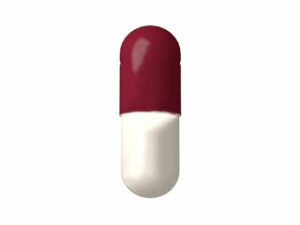
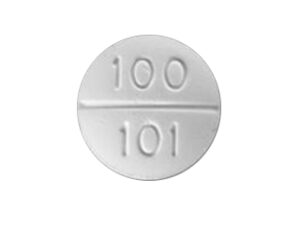
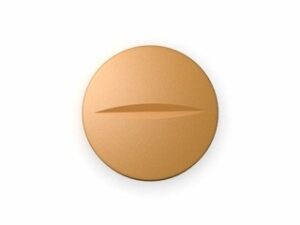
- Available forms: Tablets or capsules (strengths vary by brand and product)
- Common use: Certain abnormal heart rhythms (e.g., atrial and ventricular arrhythmias)
- Key safety issue: Risk of rhythm changes such as QT prolongation (requires monitoring)
- How it’s taken: Usually once or twice daily depending on the regimen and your kidney function
Basic product information
In the UK, sotalol is used as part of the treatment strategy for rhythm problems. Your exact dose and schedule depend on the specific type of arrhythmia, how your heart responds, and your kidney function. Sotalol is cleared mainly through the kidneys, so kidney function is particularly important.
| Topic | What this means for sotalol |
|---|---|
| How it works | Blocks beta receptors and prolongs the heart’s electrical recovery time (class III effect) |
| Where it’s processed | Mostly cleared by the kidneys |
| Monitoring | ECG (heart tracing) and blood tests may be needed; electrolytes (potassium, magnesium) are important |
| Typical strengths | Strengths vary by product; your prescription and pharmacy label will confirm your exact dose |
| Missed dose | Follow clinician/pharmacy instructions—often you do not “double up” to compensate |
How sotalol works (mechanism of action)
Sotalol affects the heart’s electrical activity in two main ways:
- Beta-blocking effect (Class II-like activity): It reduces the effect of adrenaline on the heart, slowing heart rate and reducing the likelihood of certain rhythm disturbances.
- Antiarrhythmic effect (Class III activity): It prolongs the time the heart muscle takes to electrically reset between beats. This can help stabilise abnormal rhythms.
Because of the class III effect, sotalol can lengthen the QT interval on an ECG. A prolonged QT interval can increase the risk of a specific dangerous rhythm called torsades de pointes in susceptible people—especially if electrolytes are low or interacting medicines are used.
Pharmacokinetics (how the body handles sotalol)
Understanding pharmacokinetics can help explain why monitoring and dose adjustments may be needed.
Absorption
Sotalol is absorbed after oral dosing. The exact rate and absorption can vary between individuals. Taking it consistently each day helps maintain predictable levels.
Distribution
Sotalol distributes throughout the body and acts on cardiac tissue. Its distribution helps determine how quickly it affects heart rhythm.
Elimination
The main route of elimination is through the kidneys. If kidney function is reduced, sotalol may build up in the body, increasing the risk of side effects—particularly effects on heart rhythm.
Half-life
Sotalol has a relatively long duration of action compared with some other rhythm medicines, which is why it can be dosed once or twice daily in many regimens. However, the right dosing frequency depends on your kidney function and the specific treatment plan.
Typical use in the UK
Sotalol is used for specific arrhythmias where a rhythm-stabilising beta-blocker/antiarrhythmic is appropriate. Treatment decisions depend on your ECG findings, symptoms, overall heart health, and risk factors.
Indications may include:
- Management of certain supraventricular arrhythmias (for example, some cases of atrial arrhythmias)
- Management of ventricular arrhythmias in selected patients
- Situations where rhythm control is required and the benefits outweigh the risks
Your clinician may also consider other options (including non-drug strategies) based on the cause of the arrhythmia and your risk profile.
When to take sotalol (timing and routine)
For many people, sotalol is taken once or twice daily. The exact schedule on your medicine label should be followed. Try to take doses at similar times each day.
- Consistency helps: Taking it regularly can help maintain stable levels.
- Even spacing (if twice daily): If you take it twice daily, aim for roughly equal time between doses (for example, morning and evening).
- Do not stop suddenly: Stopping suddenly can worsen certain heart conditions in some people. If stopping is needed, clinicians usually guide the plan gradually where appropriate.
Missed dose advice (general)
If you miss a dose, take it as soon as you remember unless it is near the time of the next dose. In many cases, you should not take a double dose. Because regimens vary, follow the guidance provided by your healthcare professional or pharmacy information leaflet.
Food interactions
Food can affect how quickly some medicines are absorbed or how smoothly they are taken. For sotalol, the practical approach is to take it in a consistent way relative to meals.
- Usually: Sotalol can often be taken with or without food, but follow the instructions provided with your specific product.
- Consistency matters: Choose either “with meals” or “without meals” and keep it consistent unless told otherwise.
- Hydration: Adequate fluid intake may support regular kidney clearance (unless you’ve been advised to restrict fluids).
If you have gastrointestinal problems (such as vomiting or severe diarrhoea), electrolyte levels can drop, which may increase rhythm risk. Seek advice promptly if you become unwell.
Alcohol and medicine interactions
Alcohol may affect your heart rhythm and can also influence how you feel on treatment. In general, it’s best to:
- Avoid heavy drinking: Large amounts of alcohol can trigger palpitations or worsen rhythm instability.
- Be cautious about low blood pressure: Sotalol can lower heart rate and may contribute to dizziness; alcohol can worsen this.
- Check for interactions with other medicines: Many common UK medicines can interact (see below).
If you’re unsure about alcohol, your GP or pharmacist can advise based on your overall medical history and other medicines you take.
Important medicine interactions
Interactions are particularly relevant with sotalol because the risk of QT prolongation and rhythm disturbances can increase when certain other medicines are combined.
Tell your pharmacist/clinician if you take any of the following:
- Other medicines that prolong the QT interval: Some antibiotics, antifungals, antipsychotics, and antidepressants can affect QT or heart rhythm.
- Medicines that affect electrolyte levels: Certain diuretics (“water tablets”) and medicines that lower potassium or magnesium can increase risk.
- Other heart medicines: Some antiarrhythmics, calcium channel blockers (particularly certain types), and other beta-blockers may increase slowing of the heart.
- Medicines that slow heart rate: Concomitant drugs can amplify bradycardia (slow heart rate), potentially causing dizziness or fainting.
- Medications affecting kidney function: Because sotalol is cleared by the kidneys, anything that changes kidney function can influence exposure.
- Non-prescription products: Some cough and cold products may contain stimulants that can affect heart rate (always check the label).
Never start, stop, or change doses of other medicines without checking with a healthcare professional or pharmacist—this is one of the safest ways to reduce the chance of serious rhythm complications.
Dosing (what affects your dose)
Dosing of sotalol is individualised. Factors that commonly influence dosing include:
- Type of arrhythmia being treated
- Your ECG results (including QT interval)
- Your heart rate and blood pressure
- Kidney function (very important for sotalol clearance)
- Electrolyte levels (potassium and magnesium)
- Other medicines you are taking
Typical dosing approach
Many patients are started on a carefully chosen dose and then monitored. Dose changes may be made gradually depending on response and tolerance.
- Start and monitor: A clinician may check an ECG and relevant blood tests at baseline and after dose changes.
- Adjustment for kidneys: If kidney function is reduced, dosing may be reduced or extended to avoid accumulation.
- Response-based: Some regimens aim to control symptoms and rhythm stability rather than purely normalising numbers.
What you should not do
- Do not take more than the label dose.
- Do not take it more frequently than directed.
- Do not change the schedule because you “feel better.”
Safety profile and side effects
Like all medicines, sotalol can cause side effects. Many are manageable, but some require urgent attention due to the heart-rhythm risk.
Common or expected side effects
- Slow heart rate (bradycardia)
- Dizziness or feeling light-headed
- Fatigue or reduced exercise tolerance
- Shortness of breath in some people
- Nausea or gastrointestinal discomfort
Serious side effects (seek urgent medical help)
Contact emergency services or seek urgent medical attention if you experience:
- Fainting or near-fainting
- Sudden severe palpitations with feeling unwell
- Chest pain or severe breathlessness
- Symptoms of an abnormal rhythm that are new, intense, or persistent
- Signs of allergic reaction (swelling of face/lips, difficulty breathing, severe rash)
These events may be rare, but because sotalol can affect heart rhythm, they should be treated seriously.
Risk factors to discuss with your clinician
Your risk of rhythm complications can be higher if you have certain conditions, such as:
- Low potassium or magnesium (for example, due to diuretics or ongoing gastrointestinal illness)
- Existing ECG abnormalities (including prolonged QT interval)
- Significant heart disease or history of ventricular arrhythmias
- Kidney impairment
- Use of interacting medicines that also affect QT interval
Practical use tips (to help you take sotalol safely)
- Keep monitoring appointments: ECG and blood tests (including kidney function and electrolytes) help ensure safety.
- Don’t ignore illness: If you have severe vomiting/diarrhoea or you’re unable to eat/drink, contact a clinician. Electrolytes can drop quickly.
- Stay hydrated appropriately: Follow any fluid restriction advice if you have heart failure or other conditions.
- Be cautious with new medicines: Ask a pharmacist before starting over-the-counter products, especially cough/cold remedies or pain medicines that may include multiple ingredients.
- Know your warning symptoms: If you notice faintness, severe dizziness, or new palpitations, seek medical advice promptly.
- Use reminders: Mobile alerts or pill organisers can help maintain consistent dosing.
Alternative options for arrhythmia management
The “best” alternative depends on the specific rhythm disorder, how often symptoms occur, and your overall health. Options your clinician might consider include:
- Other antiarrhythmic medicines (selection depends on ECG and interaction profile)
- Rate control strategies (medicines that control heart rate rather than trying to restore normal rhythm)
- Non-drug treatments such as catheter ablation for selected arrhythmias
- Managing triggers and contributing factors (for example, thyroid issues, electrolyte imbalance, sleep apnoea)
If you’re concerned about tolerability or safety, talk to your clinician. Switching medicines should be planned carefully to avoid rhythm instability.
Market and legal context in the United Kingdom
In the UK, sotalol is a medicinal product subject to regulation under medicines and pharmacy rules. Medicines like sotalol are dispensed through authorised channels and may require prescriber oversight and safety monitoring.
For online pharmacies, compliance typically includes ensuring appropriate identity checks, safeguarding of patient information, and ensuring that medicines are supplied lawfully and safely according to UK regulations and manufacturer product information.
Recent guidance and monitoring considerations
While specific guidance can vary by patient and local protocol, general themes in contemporary rhythm-care safety include:
- ECG monitoring when initiating or adjusting QT-prolonging antiarrhythmics
- Electrolyte review (potassium and magnesium) and correction where needed
- Kidney function assessment to guide dose in medicines cleared renally
- Careful interaction screening before starting or changing medicines
Your healthcare team may follow local NHS pathways and relevant cardiology recommendations for arrhythmia management. Always follow the plan that applies to you.
Delivery and availability (UK online pharmacy)
Availability can vary by strength and manufacturer. When ordering online in the UK, delivery timelines depend on stock status and the courier service used. If a particular strength is temporarily unavailable, a pharmacy may:
- Offer an alternative equivalent product if appropriate
- Notify you of expected dispatch time
- Offer advice on stock alternatives
To support smooth delivery, ensure your contact details are accurate and that someone can receive the parcel if required. Medicines should be stored according to the instructions on the outer packaging.
Storage and handling
- Store at room temperature unless your product label specifies otherwise.
- Keep in the original packaging to protect from moisture/light as directed.
- Keep out of sight and reach of children.
- Do not use after the expiry date shown on the pack.
FAQ
1) What is sotalol used for?
Sotalol is used to treat certain abnormal heart rhythms. It helps stabilise the heart’s electrical activity to reduce episodes of arrhythmia. The exact indication depends on the rhythm type and your individual risk factors.
2) How long does it take to work?
Sotalol can affect heart rhythm relatively soon after a dose. However, how quickly symptoms improve can vary. Clinicians often monitor ECG and response after starting or adjusting the dose to ensure it is working safely.
3) Will sotalol slow my heart rate?
It can. Because it has beta-blocking effects, it may slow the heart rate. If your heart rate becomes too low or you feel dizzy or faint, you should contact medical services or your healthcare provider promptly.
4) Why is the QT interval important?
Sotalol can prolong the QT interval. A prolonged QT interval can increase the risk of a specific abnormal rhythm. That’s why ECG monitoring and checks of potassium/magnesium are important.
5) Can I take sotalol with food?
Many people can take sotalol with or without food, but follow the instructions for your particular product. Consistency in relation to meals is recommended unless you’re told otherwise.
6) What should I do if I miss a dose?
If you miss a dose, take it when you remember unless it is close to your next dose. Do not take a double dose without advice. Check the patient information leaflet or ask your pharmacist for guidance tailored to your dosing schedule.
7) What medicines should I avoid?
Avoid starting new medicines without checking first, especially medicines known to affect QT interval, heart rate, or electrolytes. Tell your pharmacist about all medicines and supplements you take, including non-prescription products.
8) Is it safe to drink alcohol while taking sotalol?
Moderate alcohol may be possible for some people, but alcohol can increase palpitations and worsen dizziness. Avoid heavy drinking and seek advice if you’re unsure, especially if you have low blood pressure or frequent dizziness.
9) Can sotalol be used in kidney problems?
Dose and safety depend strongly on kidney function, because sotalol is eliminated via the kidneys. People with reduced kidney function may need a lower dose and closer monitoring.
10) What are the red-flag symptoms?
Fainting, severe or sudden palpitations, chest pain, significant shortness of breath, or feeling very unwell with an irregular heartbeat are urgent warning signs. Seek urgent medical help if these occur.