
Detrol (Tolterodine) – Patient-Friendly Guide
Detrol is a brand name for tolterodine, a medicine used to treat certain symptoms caused by an overactive bladder. It works by relaxing the bladder muscle and helping to reduce urgency and frequency of urination.
This guide explains how Detrol works, how it is used in everyday life, what to expect, and important safety information. Always follow the instructions provided with your medicine and the advice of a healthcare professional.
1. Basic product information
- Active ingredient: Tolterodine
- Common uses: Overactive bladder symptoms (such as urgency, frequency, urge incontinence)
- Medicine type: Antimuscarinic / anticholinergic
- Brand: Detrol
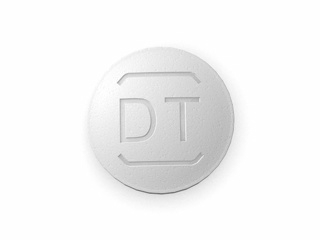
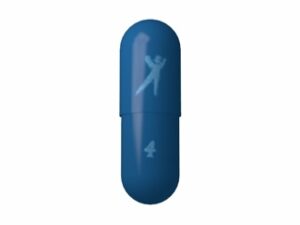
- Typical forms: Detrol is commonly available in tablet forms (formulation strength and frequency vary)
- Not suitable for everyone: Certain conditions require extra caution or alternative treatment
In the UK, tolterodine may be supplied as different formulations depending on the product range available (for example, immediate-release or prolonged-release formulations). Your specific product and dosing schedule should match the label on your pack.
2. How Detrol works (mechanism of action)
The bladder stores urine until you pass it. In overactive bladder, the bladder muscle can contract too often or too strongly, leading to:
- Urgency (a sudden, difficult-to-delay need to urinate)
- Frequency (needing to urinate often)
- Urge incontinence (leakage after a strong urge)
Tolterodine belongs to a group of medicines called antimuscarinics. It blocks muscarinic receptors in the bladder (often described as helping to reduce “overactivity”). By reducing bladder muscle contractions, Detrol can increase bladder capacity and improve symptoms.
3. Pharmacokinetics (how the body handles tolterodine)
Pharmacokinetics describes what happens to a medicine in the body: absorption, distribution, metabolism, and elimination. While exact values can vary between individuals and formulations, the main points for tolterodine include:
- Absorption: Tolterodine is absorbed from the gastrointestinal tract.
- Distribution: It spreads through the body and can cross into tissues involved in bladder function.
- Metabolism: Tolterodine is metabolised mainly in the liver (involves the CYP2D6 pathway and other processes).
- Active metabolites: Some metabolites may also contribute to the overall effect.
- Elimination: The medicine and its metabolites are eliminated from the body via urine and faeces.
In practical terms, this means that age, liver function, kidney function, and other medicines that affect metabolism can influence tolerance and how well Detrol works. If you have kidney or liver problems, your clinician may adjust the dose.
4. What Detrol is typically used for (indications)
Detrol is used to treat overactive bladder symptoms in adults, including:
- Urinary urgency
- Increased urinary frequency
- Urgency urinary incontinence (leakage associated with urgency)
It may be considered when lifestyle measures and bladder training alone are not sufficient. Your healthcare professional may also rule out other causes of urinary symptoms (such as urinary infection) before starting treatment.
5. When and how to take Detrol (timing and dosing)
Typical timing
The correct timing depends on the specific formulation you have. Some tolterodine products are taken twice daily, while others (prolonged-release formulations) may be taken once daily.
Follow your pack instructions or the directions given by your healthcare professional.
Practical dosing guidance
The most common approach is:
- Start at a dose your clinician recommends (often the lowest effective dose to balance benefit and side effects).
- Do not exceed the prescribed dose.
- Review after a trial period to decide whether the medicine is helping and whether dose adjustments are needed.
If you are unsure which schedule applies to your product, check the label or ask a pharmacist.
| Topic | What to expect |
|---|---|
| How often | Depends on formulation (e.g., twice daily for some tablets; once daily for prolonged-release products) |
| When to take it | Try to take at the same times each day to maintain steady symptom control |
| Missed dose | Take as soon as remembered unless near the next dose; then skip—do not double up |
| Trial period | Many people notice changes over days to a few weeks; if symptoms persist, seek advice |
6. Food interactions (take with or without food?)
Tolterodine can generally be taken with or without food, depending on the specific product. Food may slightly affect absorption for some formulations, but it usually does not eliminate the medicine’s effectiveness.
For the smoothest experience:
- Keep to a consistent routine (e.g., always with breakfast or always between meals).
- If your pack instructs a specific approach, follow that advice.
7. Alcohol interactions
Alcohol can increase side effects of antimuscarinic medicines, especially:
- Dizziness
- Drowsiness
- Blurred vision
- Slower reaction time
There is no single universal rule that alcohol is strictly prohibited, but it is wise to:
- Use caution, particularly when starting Detrol or increasing dose.
- Avoid alcohol if you notice increased dizziness or impaired alertness.
8. Interactions with other medicines
Interactions are important with tolterodine because it has antimuscarinic effects and is also metabolised in the liver. Some medicines can increase side effects or alter tolterodine levels.
Medicines that may increase antimuscarinic effects
- Other antimuscarinic medicines (for example, for bladder symptoms)
- Some medicines for allergies that cause drowsiness
- Some antidepressants or antipsychotics
- Medicines for Parkinson’s disease with anticholinergic activity
Medicines that may affect metabolism
Tolterodine may interact with medicines that inhibit or stimulate liver enzymes. This can lead to either higher risk of side effects (if levels rise) or reduced effect (if levels drop).
Tell a healthcare professional or pharmacist about:
- Prescription medicines
- Over-the-counter products (including antihistamines)
- Herbal supplements
Also be cautious with medicines known to affect heart rhythm (especially if you have existing risk factors).
9. Safety profile: side effects and who needs extra caution
Common side effects
Because tolterodine has antimuscarinic properties, common effects relate to reduced secretions and muscle relaxation elsewhere in the body. Commonly reported side effects include:
- Dry mouth
- Constipation
- Blurred vision
- Headache
- Dizziness
- Indigestion or nausea
- Reduced sweating (important during hot weather)
Less common but important side effects
- Urinary retention (difficulty passing urine) — especially in people prone to this
- Confusion or worsening cognition (risk may be higher in older adults)
- Heart rhythm changes (rare, but important if you have risk factors)
Seek medical help promptly if
- You experience signs of an allergic reaction (swelling of face/lips, rash, breathing difficulties)
- You develop severe constipation, severe abdominal pain, or inability to pass urine
- You become very confused, faint, or have a significant change in heartbeat
Who should use Detrol with extra caution
You may need a careful risk assessment if you have:
- Glaucoma (particularly narrow-angle glaucoma)
- Gastrointestinal obstruction or severe constipation
- Difficulty passing urine or bladder outlet obstruction
- Myasthenia gravis
- Significant kidney or liver impairment (dose adjustments may be required)
- Cardiac rhythm concerns or existing risk factors
10. Practical use tips for everyday life
Antimuscarinic medicines can work well, but small practical steps can improve comfort and adherence.
- Manage dry mouth: Sip water regularly, consider sugar-free sweets or gum, and maintain good oral hygiene. If you have troublesome dry mouth, discuss options with a pharmacist.
- Prevent constipation: Aim for fibre-rich foods, adequate fluids, and regular activity. If constipation becomes an issue, ask about suitable stool-softening options.
- Watch for blurred vision: If vision is affected, avoid driving or operating machinery until you know how the medicine affects you.
- Consider hot weather: Reduced sweating may occur. Stay cool and hydrated during warm conditions.
- Bladder training still matters: Combining medication with bladder techniques can improve overall outcomes.
- Track symptoms: Note times of urgency, frequency, and any leakage. This helps assess whether Detrol is working.
11. Alternative options to Detrol
If Detrol doesn’t suit you or isn’t effective, there are other options for overactive bladder symptoms. Alternatives may include:
Other antimuscarinic medicines
- Other antimuscarinics may have different side effect profiles for different people.
Beta-3 agonists
Another class used for overactive bladder symptoms includes beta-3 adrenergic agonists (depending on availability and suitability). These can have a different side effect pattern compared with antimuscarinics.
Non-medicine approaches
- Bladder training (scheduled voiding, gradually increasing intervals)
- Pelvic floor exercises (often referred to as pelvic floor muscle training)
- Lifestyle changes (fluid timing, reducing bladder irritants such as caffeine for some people)
Your best alternative depends on your medical history, symptom pattern, and what side effects you find most troublesome.
12. Market and legal context in the United Kingdom
In the UK, overactive bladder is managed using a combination of lifestyle measures and medicines where appropriate. Prescribing and supply processes are regulated to help ensure safe use. Detrol (tolterodine) is an established treatment option within clinical practice.
Online pharmacies in the UK must operate within applicable regulations regarding medicine sale, identification checks, and safe supply. Where relevant, supply may require assessment steps to confirm suitability and safety.
If you purchase Detrol online, ensure the pharmacy site provides clear information about: the product strength/formulation, delivery details, and how to get advice if you have questions.
13. Recent guidance (UK clinical practice context)
Clinical management of overactive bladder continues to emphasise:
- Assessment to exclude infection and other causes of urinary symptoms
- First-line conservative measures such as bladder training and pelvic floor muscle training
- Medication choice that balances symptom relief and tolerability
- Periodic review to ensure ongoing benefit and to consider dose adjustments or alternatives
Over time, discussions have increasingly highlighted the importance of considering side effects in older adults (for example, cognitive effects or constipation). If you are concerned about memory changes, falls risk, or bowel habits, speak with a healthcare professional promptly.
14. Delivery and availability (online pharmacy)
Availability can vary by product strength, formulation type, and regional stock levels. When ordering online in the UK, check the listing for:
- Pack size and strength
- Formulation (e.g., immediate vs prolonged-release, if applicable)
- Estimated dispatch and delivery times
- Shipping eligibility (e.g., some items may have restrictions)
- Returns and contact options if the wrong product is supplied
To ensure correct use, always store the medicine as directed on the packaging and keep it out of sight and reach of children.
15. Detrol FAQ
How long does Detrol take to work?
Many people notice symptom changes within days to a couple of weeks. The full effect may take longer depending on the formulation, dose, and individual response. If there’s little improvement after an appropriate trial period, consult a healthcare professional.
Will I be able to drink fluids normally?
In most cases, yes. However, you may find it helps to spread fluids through the day and avoid large amounts right before bedtime. Your personal bladder pattern matters—some people benefit from timing drinks rather than reducing them excessively.
Does Detrol help with nighttime urination?
It may help reduce overall urgency and frequency, including at night for some people. If nighttime symptoms are prominent, it’s important to discuss whether dose timing or additional strategies are needed.
Can I stop Detrol suddenly?
Do not stop without guidance. Symptoms may return if the medicine is stopped. If you want to discontinue or switch, speak with a healthcare professional for advice tailored to you.
What should I do if I miss a dose?
If you miss a dose, take it as soon as you remember unless it is close to the next dose. In that case, skip the missed dose. Do not take a double dose to make up for it.
Is Detrol safe for older adults?
It can be used in some older adults, but there may be higher sensitivity to antimuscarinic side effects such as constipation, dry mouth, dizziness, and confusion. Extra monitoring may be needed. If you experience cognitive changes or falls risk, seek advice promptly.
Can I drive or operate machinery?
If you experience dizziness or blurred vision, avoid driving or hazardous activities until you feel safe. How you respond can vary—especially early in treatment.
What if I get severe constipation or cannot pass urine?
These can be serious effects related to antimuscarinic activity. Seek medical advice promptly. Do not ignore persistent or severe symptoms.
Are there foods I should avoid?
Detrol is generally not strongly limited by specific foods. The key is to follow the product instructions and keep your routine consistent. If certain drinks (such as caffeine) worsen urgency, limiting them may help regardless of the medicine.
Can I take Detrol with other medicines I already use?
Some combinations can increase side effects or affect how tolterodine works. It’s important to review your current medicines (including over-the-counter and herbal products) with a pharmacist or healthcare professional.
Summary
Detrol (tolterodine) is an antimuscarinic medicine used for overactive bladder symptoms such as urgency, frequency, and urge incontinence. It helps by calming overactive bladder muscle activity, though it can also cause side effects like dry mouth, constipation, and blurred vision.
For best results, take Detrol as directed for your specific formulation, be mindful of potential interactions (including other antimuscarinic medicines and alcohol), and use practical strategies to manage common side effects. If symptoms persist or side effects become troublesome, discuss options with a healthcare professional to adjust the plan.