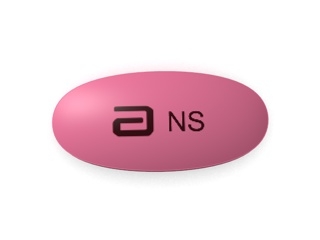
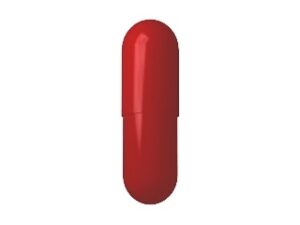
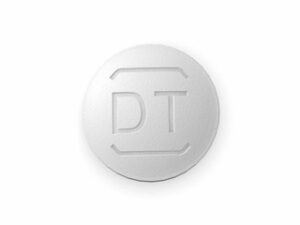
Depakote (Divalproex) – Patient Information (UK)
Depakote is a brand of medicine containing divalproex (a form of valproate). It is used to treat certain neurological and psychiatric conditions and works by changing levels of brain chemicals. This page explains how Depakote works, how it is taken, important safety information, and practical tips.
| Category | Details |
|---|---|
| Active ingredient | Divalproex (valproate) |
| Common uses | Epilepsy; prevention of migraine (in specific situations); treatment of bipolar disorder (mania) |
| How it works | Increases inhibitory signalling and stabilises electrical activity in the brain |
| How it is taken | Usually by mouth, in divided doses; regular blood monitoring may be needed |
| Key safety points | Not suitable for pregnancy; liver-related risks and blood count changes require monitoring |
Basic product information
Depakote contains divalproex, which the body converts into valproate. Valproate is widely used, but it has important safety considerations—especially for people who could become pregnant. In the UK, there are strict risk-minimisation measures for valproate medicines.
Depakote is available in different strengths and formulations (for example, delayed- or extended-release forms). Your exact dosing schedule depends on the formulation, your condition, and your response to treatment.
How Depakote works (mechanism of action)
Depakote helps control abnormal brain activity. Its effects are complex, but it mainly:
- Enhances inhibitory neurotransmission (particularly by increasing gamma-aminobutyric acid, GABA), which can reduce excessive nerve firing.
- Modifies ion channels involved in electrical signalling, helping stabilise neuronal activity.
- Influences signalling pathways in the brain and may also affect neurotransmitters involved in mood regulation.
Because of these actions, Depakote can help with seizures, mania, and certain forms of migraine prevention—depending on individual suitability.
Pharmacokinetics (how the body processes it)
Pharmacokinetics describes what happens to the medicine after you take it: absorption, distribution, metabolism, and elimination. Key points for divalproex/valproate include:
- Absorption: Divalproex is absorbed through the gut and is converted in the body to valproate. Food can reduce stomach irritation for some people.
- Time to effect: Some effects may begin within days, but full benefit—especially for mood stability or seizure control—may take longer.
- Distribution: Valproate distributes throughout the body and can cross into the brain.
- Protein binding: Valproate binds to blood proteins. In some situations (e.g., other medicines, low albumin, severe illness), this can change the amount of free (active) drug.
- Metabolism: Primarily processed in the liver via metabolic pathways.
- Elimination: Mostly eliminated by the kidneys after metabolism.
Because levels can vary between individuals, healthcare professionals may check valproate blood levels (and related blood tests) to help ensure safety and effectiveness.
Typical uses in the UK
Depakote is used to treat the following conditions, depending on your specific diagnosis and suitability:
- Epilepsy (including certain seizure types). It may be used alone or with other anti-epileptic medicines.
- Bipolar disorder – especially to treat acute mania and sometimes other mood-related episodes as part of an overall plan.
- Migraine prophylaxis – in selected patients when appropriate. It is generally considered where other options are unsuitable or not tolerated.
Not everyone is eligible for valproate therapy. Decisions in the UK take account of age, sex, pregnancy potential, and alternative treatments.
When and how to take Depakote (timing)
Take Depakote exactly as directed by your healthcare professional. The schedule often depends on formulation and your daily dose. Practical timing guidance:
- Try to take doses at consistent times each day to maintain steadier levels.
- Split dosing: Many regimens are divided (e.g., morning and evening). If prescribed once daily, follow that schedule.
- Do not stop suddenly: Stopping Depakote abruptly can increase seizure risk or destabilise mood in some people. Changes should be planned with a clinician.
- If you miss a dose: Take it when you remember if it is close to the next dose time. If you are near the next scheduled dose, skip the missed dose and continue as normal. Do not take double.
Food interactions and what to eat
Depakote can generally be taken with or without food, but food may help:
- Reduce stomach upset or nausea for some people.
- Improve tolerability when doses feel harsh on the stomach.
There are no specific “prohibited” foods for Depakote in typical use, but it’s wise to avoid sudden changes in eating patterns if this affects how you feel. If you experience persistent nausea, abdominal pain, or unusual fatigue, contact a healthcare professional.
Alcohol and medicine interactions
Alcohol
Alcohol may increase risks when taking valproate, including:
- Worsening side effects such as dizziness, drowsiness, and impaired coordination.
- Increased liver strain (since valproate is metabolised in the liver).
If you drink alcohol, consider keeping it minimal and discuss your situation with your clinician or pharmacist.
Common medicine interactions
Depakote can interact with other medicines. Some interactions may increase valproate levels (raising risk of side effects), while others may reduce levels (reducing effectiveness). Examples include medicines that affect the liver enzymes involved in metabolism, and medicines that affect blood clotting.
Always tell your pharmacist or clinician about all medicines and supplements you take, including:
- Other anti-epileptic medicines
- Medicines for mental health conditions
- Warfarin or other anticoagulants (blood thinners)
- Carbapenem antibiotics (such as imipenem or meropenem) – may significantly affect valproate levels and require urgent medical advice
- Medicines that can affect the liver (including some herbal supplements)
Do not start, stop, or change dose of any interacting medicine without professional advice.
Indications and suitability (who Depakote is for)
Depakote is indicated for specific conditions. Suitability depends on your overall health and personal circumstances. In the UK, particular attention is given to pregnancy prevention and risk management because valproate can cause serious harm to unborn babies.
Pregnancy and birth defects risk (UK guidance)
Valproate is known to carry a high risk of birth defects and developmental problems when taken during pregnancy. For people who could become pregnant, healthcare professionals aim to use alternatives where possible. If valproate is the only suitable option, additional safeguards are typically required (for example, specialist review and consistent contraception).
If you are pregnant, planning pregnancy, or could become pregnant, you should seek urgent advice. Do not stop Depakote abruptly—contact a clinician promptly to discuss a safe plan.
Dosing overview (general guidance)
Dosing is individual. Your dose depends on:
- Your diagnosis (epilepsy, mania, migraine prevention)
- Your age, weight, and overall health
- Your liver function
- Whether you take other medicines that may interact
- Blood test results and symptom control
In practice, clinicians often start with a lower dose and increase gradually to improve tolerability and reach an effective dose. Blood monitoring may guide adjustments.
| Condition | Typical approach | Notes |
|---|---|---|
| Epilepsy | Individualised dosing, sometimes divided throughout the day | Blood levels may be checked; adjustments depend on seizure control and side effects. |
| Acute mania (bipolar disorder) | Gradual titration to effective control | Close follow-up may be needed early on. |
| Migraine prophylaxis | Start low and increase if needed | Effectiveness may take time; review is important if not effective. |
Your exact milligrams per dose and the frequency (e.g., once or twice daily) will be stated on your label. If you have questions about your dosing schedule, ask your pharmacist.
Safety profile and important warnings
Like all medicines, Depakote can cause side effects. Some are common and mild; others are serious and require prompt medical attention. The safety profile is especially important for:
- Children and people starting therapy
- Those with liver disease
- People taking multiple medicines that may interact
- People who could become pregnant
Common side effects
- Nausea, stomach discomfort
- Tiredness, drowsiness, dizziness
- Tremor
- Weight gain (can occur over time)
- Hair thinning (in some cases)
- Changes in appetite
Serious side effects – seek urgent medical advice
Get urgent help if you notice signs of serious reactions, such as:
- Signs of liver problems: unusual fatigue, weakness, loss of appetite, vomiting, pain in the upper abdomen, yellowing of the skin/eyes (jaundice), dark urine
- Serious blood problems: unusual bruising or bleeding, persistent sore throat with fever, severe infections
- Severe allergic reaction: swelling of the face/lips, difficulty breathing, widespread rash
- Pancreatitis symptoms: severe abdominal pain (often with nausea/vomiting)
- Severe drowsiness, confusion, or neurological changes (especially if new or worsening)
If you are concerned at any point, contact a healthcare professional promptly.
Monitoring commonly considered for Depakote
Your clinician may monitor:
- Liver function
- Full blood count (including platelets)
- Valproate levels when appropriate (e.g., dose changes, side effects, lack of response)
- Symptoms and tolerability throughout treatment
Practical use tips
- Keep a dosing routine: use alarms or a medication organiser to avoid missed doses.
- Track side effects: note when symptoms occur (e.g., morning nausea, evening drowsiness) and report them.
- Hydrate and eat regularly: dehydration and skipped meals can worsen feelings of dizziness or nausea.
- Avoid sudden medication changes: inform your pharmacist before starting new medicines (including antibiotics).
- Do not stop abruptly: a planned taper or switch is usually required to reduce risk of relapse.
- Driving and machinery: Depakote can cause drowsiness or dizziness, especially at the start or after dose increases. Follow UK driving guidance and avoid driving if you feel unwell or impaired.
Alternative options
If Depakote is not suitable—because of side effects, interactions, pregnancy concerns, or inadequate response—there may be alternatives depending on the condition being treated. Alternatives can include:
- For epilepsy: other anti-epileptic medicines (choice depends on seizure type and individual factors).
- For bipolar disorder: mood stabilisers and/or certain antipsychotic medicines, depending on the clinical picture.
- For migraine prevention: medicines from different preventive classes, such as beta-blockers, topiramate, or other migraine-specific preventives.
A clinician can help decide what is appropriate for you. Switching may require careful monitoring and a gradual changeover plan.
UK market and legal context (valproate risk management)
In the United Kingdom, valproate-containing medicines (including divalproex) are subject to strengthened precautions due to risks in pregnancy. Healthcare systems follow risk minimisation measures intended to:
- Ensure that valproate is used only when appropriate and alternatives are not suitable.
- Provide consistent information to patients and carers about risks.
- Promote effective contraception where needed.
- Support specialist review and structured monitoring.
Guidance is updated over time as new evidence becomes available. If you are taking Depakote and have concerns, speak to your clinician or pharmacist—they can confirm the latest steps that apply to your situation.
Recent guidance (high-level overview)
UK guidance continues to emphasise:
- Careful prescribing of valproate in women and people who could become pregnant.
- Specialist review for ongoing suitability and to confirm that treatment remains necessary.
- Shared decision-making with clear discussion of risks and benefits.
- Regular review to ensure the lowest effective dose is used and to consider whether switching is possible.
Because policies can evolve, your pharmacy team can help direct you to the most relevant information resources for the medicines you are taking.
Delivery and availability in the UK
Depakote availability depends on local stock and the formulation/strength you need. Many online pharmacies aim to dispatch orders quickly when products are in stock. Delivery times can vary based on your location across the UK and chosen delivery service.
- Stock status: check the product page for current availability.
- Packaging: medicines are typically dispatched in protective packaging to prevent damage.
- Cold chain: Depakote usually does not require refrigeration; follow the label guidance if provided.
- Receiving your order: store tablets/capsules as directed on the packaging and out of sight of children.
If you need help finding the correct formulation (e.g., delayed vs extended release), contact customer support before ordering.
FAQ
Is Depakote the same as valproate?
Depakote contains divalproex, which is converted in the body into valproate. The safety precautions and monitoring considerations are primarily related to valproate.
How long does Depakote take to work?
Some people notice benefits within days, but complete control—especially for seizures or mood stability—may take longer. Migraine prevention and mood effects can require several weeks of consistent dosing before the full benefit is clear.
Can I take Depakote with food?
Yes. Many people take it with food to reduce nausea or stomach upset. Follow your prescription label instructions and your clinician’s advice.
What should I do if I miss a dose?
If you remember soon after, take it. If it is close to the next dose time, skip the missed dose and continue as normal. Do not take a double dose to make up for a missed one.
Are there medicines I should avoid?
There can be important interactions. Always tell your pharmacist about all medicines, including antibiotics and herbal products. Particular attention is needed with certain antibiotics (such as carbapenems) and medicines affecting blood clotting.
Can I drink alcohol while taking Depakote?
Alcohol may increase drowsiness and dizziness and may increase liver-related risk. If you choose to drink, keep it minimal and discuss your personal risk with a healthcare professional.
Why do I need blood tests?
Blood tests help check liver function, blood counts, and—when needed—valproate levels. This supports safe dosing and helps confirm that treatment is working effectively for you.
What if I become pregnant or want to start a family?
Seek urgent medical advice. Do not stop Depakote abruptly. Your clinician can help plan a safe approach and discuss the lowest-risk alternatives. In the UK, special precautions apply to valproate due to known risks in pregnancy.
Can Depakote affect driving?
It can cause drowsiness, dizziness, or reduced alertness, particularly at the start or after dose changes. Do not drive or operate machinery if you feel impaired and follow UK driving guidance relevant to your condition.
Need more help?
If you have questions about Depakote, dosing schedules, or how to take it safely with other medicines, speak to your pharmacist. If you experience severe side effects or symptoms of liver problems, seek urgent medical help.