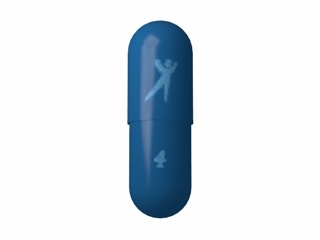


Detrol LA (Tolterodine) — Patient Guide (UK)
Detrol LA is a medicine containing tolterodine, used to help control symptoms of overactive bladder. It works by relaxing certain muscles in the bladder and reducing unwanted bladder contractions. This page explains how the medicine works, how it is typically used, key safety information, and practical tips to get the most from treatment in the United Kingdom.
Quick Facts
- Active ingredient: Tolterodine
- Brand: Detrol LA
- Formulation: Prolonged-release (LA) capsules/tablets (commonly once daily)
- Used for: Overactive bladder (urgency, frequency, urge incontinence)
- Typical dosing: Often once daily, strength depending on your situation
- Common effects: Dry mouth, constipation, blurred vision (varies by person)
What Detrol LA Is and What It’s Used For
Detrol LA is designed for people who experience overactive bladder. Overactive bladder can cause:
- Urinary urgency: a sudden, difficult-to-delay need to urinate
- Increased frequency: needing to pass urine more often than usual
- Urge incontinence: leaking urine after a strong urge to urinate
By reducing involuntary bladder muscle activity, Detrol LA helps to reduce these symptoms and improve quality of life.
How Detrol LA Works (Mechanism of Action)
Tolterodine belongs to a group of medicines called antimuscarinics. It blocks muscarinic receptors in the bladder.
This helps:
- Relax the bladder wall muscle
- Reduce overactive bladder contractions
- Increase bladder capacity and reduce urgency
- Decrease frequency and urge incontinence
Because tolterodine mainly targets bladder receptors, it can have fewer effects on the salivary glands compared with some other antimuscarinics, but dry mouth can still occur.
Pharmacokinetics (How Your Body Handles It)
Understanding how the drug behaves can help you use it correctly.
- Absorption: Detrol LA uses a prolonged-release formulation intended to provide steady drug levels over the day.
- Distribution: Tolterodine is distributed throughout the body; it may also bind to plasma proteins.
- Metabolism: Tolterodine is metabolised mainly in the liver, involving enzyme systems (notably CYP pathways).
- Active metabolites: Tolterodine has metabolites that may contribute to the overall effect.
- Elimination: Drug and metabolites are removed from the body through kidneys and bile/feces.
- Half-life & steady state: Steady effect usually develops with regular daily dosing. Symptom improvement can vary between individuals.
Practical takeaway: Consistent daily use helps maintain the bladder-relaxing effect. Missing doses may reduce benefit.
Typical Use and When You Might Notice Improvement
Detrol LA is used for the management of symptoms of overactive bladder. Some people notice changes within the first days, while others may take several weeks to get the full benefit. Your clinician may review your progress after a set period to decide whether to continue, adjust, or switch treatment.
Typical timing
- Usually taken once daily (same time each day is helpful).
- Swallow whole with water—do not crush or chew the prolonged-release form unless your product instructions say otherwise.
- Consistency matters: taking it regularly can improve symptom control.
Indications (Who It’s Intended For)
Detrol LA is indicated for adults with overactive bladder symptoms, including:
- Urinary urgency
- Increased urinary frequency
- Urge urinary incontinence
Suitability depends on your health, other medicines, and risk factors such as certain heart rhythm problems, glaucoma, or severe constipation.
Dosing: How to Take Detrol LA
Dosing can vary based on your age, liver and kidney function, and other medicines you use. Always follow the instructions provided with your product and clinician advice.
Common dosing approach in clinical practice (general information)
- Detrol LA is commonly prescribed once daily.
- Some people require a lower starting dose, especially with liver impairment or significant kidney impairment.
- Dose adjustments may be considered if side effects occur.
Important administration tips
- Take at the same time each day.
- Swallow whole with water.
- If you miss a dose, take it when you remember unless it is close to the time for your next dose. In that case, skip the missed dose to avoid doubling.
- If you have questions about missed doses, check your product information or speak to a healthcare professional.
Food and Detrol LA: Interactions and Tips
For many people, food does not cause clinically significant changes to tolterodine’s effect with prolonged-release formulations. However, practical points can still help:
- Take Detrol LA with water and follow your product instructions.
- If you notice stomach discomfort, consider taking it with a meal (unless your leaflet advises otherwise).
- Try to avoid major changes in timing if your body seems sensitive.
General advice: If you are unsure whether to take it with or without food for your specific product, check the patient information leaflet or ask your pharmacist.
Alcohol and Detrol LA
Alcohol may increase the likelihood or severity of some side effects, particularly those involving the nervous system or cognitive function (which can be more noticeable in older adults). While alcohol is not always a direct “forbidden” combination, it may make symptoms and tolerability worse.
- Potential concerns: increased dizziness or drowsiness in some people
- Urinary symptom factors: alcohol can sometimes act as a bladder irritant and may worsen urgency/frequency
Practical tip: If you choose to drink alcohol, consider limiting your intake and monitor for changes in bladder symptoms or side effects.
Medicine Interactions: What to Watch For
Detrol LA can interact with medicines that affect the bladder, cause antimuscarinic effects, or influence liver enzymes. Interactions may increase side effects or reduce effectiveness.
Medicines that may increase antimuscarinic side effects
- Other antimuscarinic medicines (for bladder problems or other conditions)
- Medicines for motion sickness
- Some medicines for allergies that cause an “anticholinergic” effect
- Certain antidepressants and antipsychotics with antimuscarinic properties
Medicines that may affect tolterodine levels
Some drugs can affect how tolterodine is metabolised in the liver. This can potentially increase exposure and side effects.
- Strong or moderate enzyme inhibitors may raise tolterodine levels
- Always tell your pharmacist or clinician about all medicines you take, including over-the-counter products and herbal supplements
Heart rhythm considerations
Some antimuscarinic medicines can influence cardiac rhythm in susceptible individuals. Your clinician may consider your risk factors (for example, existing rhythm disorders or certain heart medications).
What you should do: Make sure your prescriber/pharmacist has a complete list of your medicines, including:
- All bladder medicines (past and current)
- Antihistamines
- Sleep medicines
- Pain medicines and muscle relaxants
- Any medicines that you take for heart rhythm or blood pressure
Safety Profile: Side Effects and Who Should Be Cautious
Most people tolerate Detrol LA reasonably well, but antimuscarinics can cause predictable effects due to reduced muscarinic activity in the body.
Common side effects
- Dry mouth
- Constipation
- Bladder retention symptoms (trouble starting urination or feeling you cannot empty fully)
- Blurred vision
- Reduced sweating (in some people)
- Dizziness (less commonly)
Less common but important effects
- Difficulty urinating or worsening urinary retention
- Severe constipation (especially in people with a history of bowel problems)
- Confusion or drowsiness (particularly in older adults or those sensitive to anticholinergic medicines)
Seek urgent medical help if
- You develop symptoms of an allergic reaction (swelling of face/lips, trouble breathing)
- You experience severe constipation, severe abdominal pain, vomiting, or inability to pass stool/gas
- You are unable to pass urine and feel significant discomfort
- You feel significantly unwell, very drowsy, or confused
People who need extra caution
Your clinician/pharmacist may advise extra caution (or alternative treatment) if you have:
- Glaucoma (especially narrow-angle glaucoma)
- Gastrointestinal obstruction or significant constipation
- Myasthenia gravis or certain neuromuscular conditions
- Problems passing urine (e.g., due to bladder outflow obstruction or significant prostate enlargement)
- Liver or kidney impairment
- Heart rhythm problems or risk of abnormal rhythm
Practical Use Tips for Better Results
Detrol LA works best when combined with lifestyle and bladder training strategies. The following tips can improve comfort and reduce symptoms:
Bladder-friendly habits
- Hydrate steadily: avoid very large fluid intake at once; spread fluids through the day.
- Reduce bladder irritants: tea, coffee, cola, energy drinks, and alcohol can trigger urgency in some people.
- Timed voiding: try going to the toilet at planned intervals rather than only when urgency is strongest.
- Bladder training: gradually extend the time between visits if appropriate for you.
- Manage constipation: constipation can worsen bladder symptoms—ensure adequate fibre, water, and movement.
Managing common side effects
- Dry mouth: sip water regularly, consider sugar-free chewing gum, and use saliva substitutes if needed.
- Constipation: increase fibre, consider gentle laxative options if recommended by a pharmacist, and stay active.
- Blurred vision: be cautious with driving or machinery until you know how you respond.
- Reduced sweating: take care in hot weather; stay cool and well-hydrated.
When to review treatment
If symptoms don’t improve after a reasonable trial, or side effects become bothersome, your clinician may adjust the dose or consider an alternative medicine.
Alternative Options for Overactive Bladder (UK)
Detrol LA is one option. Depending on your symptoms, medical history, and tolerance, clinicians may recommend other approaches.
Non-medicine options
- Bladder training and pelvic floor exercises
- Continence support and lifestyle changes
- Referral to a specialist bladder/continence service
Other medicine options
- Other antimuscarinics (for example, oxybutynin, solifenacin, fesoterodine, and others—availability and suitability vary)
- Beta-3 agonists (a different mechanism used for some people, depending on clinical assessment)
Suitability depends on your symptom pattern, side-effect sensitivity, and any interacting conditions (like constipation, glaucoma, or urinary retention risk).
Market and Legal Context in the United Kingdom
In the UK, medicines containing tolterodine are regulated under national medicines legislation and follow standard quality, safety, and supply rules. Healthcare products are monitored for quality and safety, and patient information is provided via regulatory-compliant leaflets.
Detrol LA is widely known within UK urology and primary care settings as a treatment for overactive bladder symptoms. Local clinical pathways may recommend starting with behavioural strategies and then adding medication based on symptom severity and tolerability.
Recent guidance (general themes)
While individual recommendations can vary by local service and patient factors, recent UK-focused clinical practice generally emphasises:
- Starting with non-drug strategies when appropriate
- Using medicines that match patient risk factors (e.g., constipation risk, glaucoma, urinary retention risk)
- Reviewing benefit and side effects after initiation or dose changes
- Considering alternatives if tolerability is poor
Note: Guidance and availability can change. Your pharmacist or clinician can help you ensure your treatment aligns with the latest advice.
Delivery, Availability, and Ordering (Online Pharmacy)
Detrol LA may be available in different pack sizes depending on manufacturer and supply. Delivery options and timelines differ by supplier and location within the UK.
What to expect when ordering online
- Stock availability: Items may be limited at times due to supply changes.
- Packaging: Medicines are typically supplied in manufacturer packaging with patient information enclosed.
- Delivery times: Many UK online pharmacies offer standard and tracked delivery, depending on the service selected.
- Age and compliance checks: Some medicines require eligibility checks under UK regulations.
If you need help finding the correct strength or pack size, our team can assist you with product selection.
Frequently Asked Questions (FAQ)
1) How quickly will Detrol LA work?
Some people notice symptom improvement within days, but for many it takes up to a few weeks to see the full benefit. Consistent daily use helps.
2) Should I stop Detrol LA if my symptoms improve?
Don’t stop suddenly without advice. Overactive bladder symptoms can return when treatment is stopped. If you’re doing well, discuss ongoing treatment and review plans with your clinician or pharmacist.
3) Can I take Detrol LA with food?
Often, you can take it with or without food. If you find it upsets your stomach, taking it with a meal may help. Follow the specific instructions for your product.
4) What should I do if I forget a dose?
If you remember within a reasonable time, take it as directed. If it is close to your next dose, skip the missed dose and continue your regular schedule. Do not take a double dose.
5) Is Detrol LA safe for older adults?
Many older adults can use tolterodine, but side effects such as dry mouth, constipation, blurred vision, and dizziness may be more noticeable. Extra caution and dose adjustment may be needed.
6) Can Detrol LA cause constipation?
Yes. Constipation is a common antimuscarinic side effect. Increase fibre and fluids, maintain gentle activity, and consider pharmacist advice on suitable bowel-support measures.
7) Does Detrol LA affect driving?
Some people experience blurred vision or dizziness. Until you know how you respond, take care when driving, using tools, or operating machinery.
8) Are there herbal or over-the-counter products I should avoid?
Some over-the-counter products (especially those containing antihistamines for allergies or cough/cold remedies) can add to antimuscarinic effects. Check labels and ask a pharmacist if you’re unsure.
9) Can I drink alcohol while taking Detrol LA?
Moderate alcohol may be possible for some people, but it can worsen bladder symptoms and may increase dizziness or drowsiness. Consider limiting alcohol and monitoring how you feel.
10) What can I do if I experience dry mouth?
Drink water regularly, chew sugar-free gum, use oral moisturisers/saliva substitutes, and keep good dental hygiene. If it becomes severe, speak to a healthcare professional.
Summary
Detrol LA (tolterodine) helps treat symptoms of overactive bladder by blocking muscarinic receptors and relaxing bladder muscle activity. It is typically taken once daily using a prolonged-release formulation. Common side effects include dry mouth and constipation, and some people may experience blurred vision or dizziness. Food may not significantly affect action for many users, but alcohol and other medicines—especially those with antimuscarinic effects—can increase side effects or affect tolerability.
If you have medical conditions such as glaucoma, severe constipation, or trouble passing urine, or if you take interacting medicines, it’s important to discuss suitability with a healthcare professional or your pharmacist.
Product Information Table
| Category | Details |
|---|---|
| Medicine | Detrol LA (tolterodine) |
| Type | Antimuscarinic / prolonged-release formulation |
| Used for | Overactive bladder symptoms (urgency, frequency, urge incontinence) |
| Typical schedule | Often once daily; exact dosing depends on individual factors |
| Key mechanism | Blocks muscarinic receptors in the bladder to reduce involuntary contractions |
| Common side effects | Dry mouth, constipation, blurred vision, difficulty urinating (in some) |
| Food interaction | Usually not significantly affected; follow product guidance |
| Alcohol | May worsen bladder symptoms and increase dizziness in some people |
| Medication interactions | Other antimuscarinics and certain medicines metabolised in the liver may interact |
| Special caution | Glaucoma, constipation, urinary retention risk, significant liver/kidney impairment |
Always read the patient information leaflet supplied with the product. This page is for general guidance and may not cover every individual circumstance.