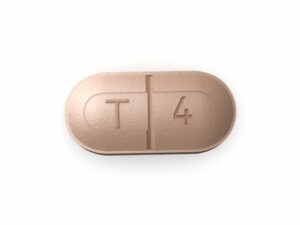

Actigall (Ursodeoxycholic acid) – Patient Information
Actigall is a medicine containing ursodeoxycholic acid (UDCA). It is used to treat specific liver and bile-duct conditions where bile flow and bile composition are important. This guide explains how Actigall works, how it is typically taken, important safety information, and practical tips. It is written for patients in the United Kingdom.
Always follow the instructions given by your healthcare professional and read the patient information leaflet (PIL) provided with your medicine.
Quick overview
- Active ingredient: Ursodeoxycholic acid (UDCA)
- What it’s used for: Certain conditions involving bile composition and bile flow
- How it works: Changes bile composition and supports healthier bile flow
- Typical dosing: Often taken once or divided doses daily (varies by condition and dose)
- Common practical considerations: Consistent daily use, timing with food, and monitoring when required
Basic product information
| Item | Details |
|---|---|
| Medicine name | Actigall |
| Generic name | Ursodeoxycholic acid (UDCA) |
| Use | Specific bile/liver disorders (see “Indications”) |
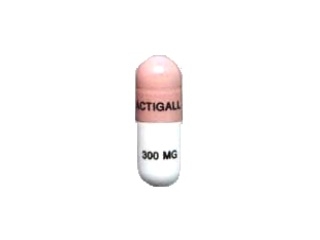
| Form | Typically capsules (strengths may vary) |
| Country context | Available and used within UK clinical practice |
How Actigall works (mechanism of action)
Bile is a digestive fluid produced by the liver and released into the small intestine to help digest fats. Some liver and bile-duct conditions involve problems with bile composition, flow, or injury caused by bile acids.
Ursodeoxycholic acid is a hydrophilic (water-friendly) bile acid. Actigall helps by:
- Improving bile composition: UDCA becomes a more dominant bile acid, making bile less damaging to cells in the bile ducts and liver.
- Supporting bile flow: It can help stimulate or improve the movement of bile (often described as “cholestatic” improvements).
- Reducing harmful effects: UDCA may reduce inflammation and injury caused by more toxic bile acids.
- Helping cholesterol-related gallstones dissolve (in selected cases): When used appropriately, it may gradually dissolve certain gallstones by altering bile cholesterol content.
Pharmacokinetics (what the body does to the medicine)
Pharmacokinetics describes how the body absorbs, distributes, metabolises, and eliminates a medicine. For UDCA, key points include:
- Absorption: UDCA is absorbed in the small intestine. Absorption can vary between individuals.
- Transport and distribution: UDCA circulates in the body bound to bile acid transport systems and is redistributed through enterohepatic circulation (recycling between the liver and intestine).
- Metabolism: UDCA is metabolised in the liver and gut by normal biochemical processes.
- Elimination: Excretion occurs mainly through bile and stool. Because of enterohepatic circulation, effects may persist and require consistent daily dosing.
Practical takeaway: UDCA is typically taken daily and treatment may take weeks to months (and sometimes longer) to show benefits depending on the condition.
Typical uses of Actigall
Actigall is used for specific bile and liver conditions. Indications can vary based on clinical assessment and local prescribing guidance. Common uses include:
1) Primary biliary cholangitis (PBC)
UDCA is a key treatment for primary biliary cholangitis in adults. It aims to improve liver biochemistry and slow progression. Some patients may require ongoing monitoring to assess response.
2) Cholesterol gallstones (selected patients)
UDCA may be used to dissolve small, non-calcified cholesterol gallstones in certain circumstances, typically when surgery is not suitable or as an alternative. Not all gallstones dissolve with UDCA.
3) Other bile-related conditions (specialist-led)
In some cases, specialists may use UDCA for other cholestatic or bile composition disorders. The appropriateness depends on diagnosis, stone type/size, and overall medical history.
If you are unsure why you have been prescribed Actigall, ask your doctor or pharmacist.
Indications – who it is for
Actigall should be used for the conditions described in your clinical assessment. It may not be suitable if your gallstones are calcified, very large, or if bile-duct function is severely impaired.
- Adults with PBC: commonly used as first-line therapy in appropriate patients.
- Selected adults with gallstones: when stones meet specific criteria and there is an absence of factors that reduce success.
- Children/paediatrics: UDCA may be used in certain paediatric liver/bile conditions depending on specialist guidance and age/weight-based dosing.
How to take Actigall (timing and dosing)
Always follow your prescribed dosing schedule. Your dose may be calculated according to your condition and, in some cases, your body weight.
Typical timing
- Daily consistency matters: Try to take Actigall at the same time each day.
- With or after food: Many patients find it easier to take with a meal. If you were given specific instructions, follow those.
- If split dosing is prescribed: Take one dose in the morning and the other later in the day, roughly 12 hours apart if possible.
Typical dosing (general information)
Dosing varies by indication and patient factors. In UK practice, the dose for UDCA is often expressed in terms of body weight (for example, mg per kg per day for certain indications). Your clinician will specify the exact number of capsules or strength you should take.
Do not change the dose without medical advice. If you miss a dose, see the FAQ for guidance.
Duration of treatment
- PBC: treatment is usually long-term. Improvement in blood tests can take months.
- Gallstones: dissolution (when it occurs) typically takes months, and treatment may be stopped if stones do not respond or if risks outweigh benefits.
Food interactions and what to eat
Food can influence how bile acids are handled in the body. However, for most patients, Actigall can be taken with food to improve tolerability and daily routine.
Practical advice about food
- Try taking it after a meal if this was recommended or if it helps reduce stomach discomfort.
- Maintain a consistent routine so your dose is taken at predictable times each day.
Cholestyramine and similar bile-acid binding agents
Some medicines bind bile acids in the intestine, which can reduce the effectiveness of UDCA. If you take medications such as certain bile-acid sequestrants, you may need spacing or an alternative plan.
Alcohol interactions
Alcohol can affect the liver and may worsen certain liver conditions. If you are taking Actigall for a liver or bile-duct disorder, it is generally wise to:
- Limit alcohol as advised by your clinician.
- Discuss your alcohol intake if you have PBC or other liver disease, even if you drink only occasionally.
While UDCA is not an alcohol-blocking medicine, the underlying liver condition and liver enzyme levels are the key considerations. Follow your healthcare professional’s advice.
Medicine interactions (important)
Many medicines can interact with bile acids, affecting absorption or effectiveness. Tell your pharmacist or doctor about all medicines you take, including over-the-counter products and herbal supplements.
Medicines that may reduce UDCA effectiveness
- Bile-acid binding agents (e.g., cholestyramine, colestipol): may reduce absorption of UDCA. Your prescriber may advise spacing doses or changing therapy.
Medicines related to gallstone dissolution
If you are using UDCA to dissolve gallstones, medications that affect cholesterol levels may influence outcomes. Always discuss concurrent treatment plans with your healthcare professional.
General interaction safety
- Do not start new medicines (including supplements) without checking.
- If you have a complex regimen, ask your pharmacist to review potential interactions.
Safety profile of Actigall
Like all medicines, Actigall can cause side effects. Not everyone will experience them, and many people tolerate UDCA well. If you experience serious reactions, seek urgent medical attention.
Common side effects
- Diarrhoea or loose stools
- Abdominal discomfort, stomach pain, or nausea
- Mild gastrointestinal upset
Less common but important to report
- Worsening symptoms of liver/bile disease (for example, increasing jaundice, worsening itching, or feeling unwell).
- Allergic-type reactions such as rash, swelling, or breathing difficulties (seek urgent help).
When to seek medical advice promptly
- Persistent diarrhoea or severe abdominal pain
- Signs of allergy (swelling of face/lips, rash with breathlessness)
- New or worsening jaundice, dark urine, or pale stools
Pregnancy, breastfeeding, and fertility
If you are pregnant, planning pregnancy, or breastfeeding, discuss this with your clinician. They will weigh the benefits of treatment against any potential risks.
Driving and using machinery
Actigall is not known to commonly affect alertness. If you feel unwell, dizzy, or experience side effects that affect concentration, avoid driving or operating machinery until you feel better.
Practical use tips (to get the most from treatment)
- Use a daily reminder: Many people set phone alarms or use a pill organiser.
- Keep appointments: With liver or gallstone treatment, monitoring may include blood tests and imaging.
- Don’t stop early: Benefits may take time; only stop or change therapy with clinical advice.
- Track symptoms: Note changes in itch, fatigue, abdominal discomfort, or stool appearance to discuss with your clinician.
- Stay hydrated: If diarrhoea occurs, hydration can help.
Dose adjustments and missed doses
Your dose should be adjusted only by a clinician, based on your condition and response.
If you miss a dose
- Take it when you remember unless it is close to your next dose.
- Do not double up to make up for a missed dose.
- If you frequently miss doses, speak to your pharmacist for a tailored plan.
If you take too much
Contact your pharmacist or seek medical advice if you think you have taken more than the recommended dose. Keep the medicine pack available so healthcare professionals can identify the product.
Monitoring and follow-up
For conditions like PBC, response to UDCA is often assessed using blood tests such as liver function tests and other markers. Your clinician may recommend:
- Regular blood tests (timing varies)
- Assessment of symptoms (itch, fatigue, jaundice)
- For gallstones: imaging if used for dissolution strategies
Monitoring helps confirm that treatment is working and that no complications have developed.
Alternative options
Treatment choice depends on your specific diagnosis, severity, and individual factors. Alternatives may include:
For primary biliary cholangitis (PBC)
- Other bile acid–related strategies (specialist-led)
- Second-line options if UDCA response is insufficient (as determined by your hepatology team)
For cholesterol gallstones
- Surgical or endoscopic options (depending on stone features and health status)
- Alternative medical approaches in selected cases
If you want to discuss alternatives, ask your clinician which options are most suitable for your case.
United Kingdom market and legal context (what to expect)
In the UK, medicines are regulated by the Medicines and Healthcare products Regulatory Agency (MHRA) and must meet safety, quality, and performance standards. Availability through pharmacy channels follows UK law and professional standards.
In online pharmacy contexts, you can generally expect that products are:
- Supplied from licensed channels where required
- Packaged with proper labelling and patient information
- Supported by pharmacist guidance when appropriate
If you have questions about whether Actigall is suitable for your situation, a qualified healthcare professional can help you understand your treatment plan and safe use.
Recent guidance and clinical approach
Clinical management of bile-duct and liver conditions may evolve as new evidence becomes available. In PBC and related conditions, UDCA remains a cornerstone therapy in many patients, while additional treatments may be considered for those who do not achieve adequate response on standard therapy.
For gallstone dissolution strategies, success depends strongly on stone characteristics and patient selection. Current best practice usually emphasises appropriate diagnosis, careful selection, and monitoring for response and recurrence.
Your clinician may use recognised clinical markers to decide whether to continue, adjust, or change therapy. Always follow their plan.
Delivery, availability, and storage
Availability in the UK
Actigall (UDCA) is available through UK pharmacy supply chains. Stock availability can vary by strength and pack size, and pharmacies may offer multiple pack options.
Delivery
Online pharmacy delivery typically involves:
- Standard or express delivery depending on the service
- Trackable dispatch where offered
- Secure packaging to help protect the product during transit
Delivery times depend on location, courier schedules, and order processing. Check the online pharmacy page for the most current delivery estimates.
Storage
- Store as directed on the pack.
- Keep away from excessive heat and moisture.
- Keep medicines out of sight and reach of children.
- Do not use after the expiry date on the pack.
Frequently asked questions (FAQ)
1) What is Actigall used for?
Actigall (ursodeoxycholic acid) is used for specific bile/liver conditions, most notably primary biliary cholangitis and, in selected patients, to help dissolve cholesterol gallstones. Your prescribed indication depends on your diagnosis and test results.
2) How long does it take to work?
It depends on the condition. For liver-related conditions, improvement in blood tests and symptoms can take weeks to months. For gallstone dissolution, it also typically takes months and not all stones respond.
3) Should I take Actigall with food?
Many patients take UDCA with or after a meal for easier routine and comfort. Follow your prescribed directions; if your pharmacist advised a specific timing, use that advice.
4) Can I drink alcohol while taking Actigall?
If you have a liver or bile-duct condition, alcohol may worsen liver health. It’s best to limit alcohol and discuss your intake with your healthcare professional.
5) What medicines should I avoid?
Some medicines may reduce UDCA effectiveness, particularly bile-acid binding agents (such as certain cholestyramine-type drugs). Tell your pharmacist about all medicines and supplements so they can check for interactions.
6) What side effects are common?
The most common side effects are gastrointestinal (for example diarrhoea, abdominal discomfort, or nausea). Contact a healthcare professional if side effects are severe, persistent, or you develop allergy symptoms.
7) What should I do if I miss a dose?
Take the missed dose as soon as you remember, unless it is near your next dose. Do not double. If you’re unsure, ask your pharmacist.
8) Can Actigall be used by children?
UDCA may be used in paediatric liver/bile disorders under specialist guidance with weight-based dosing. Only use if prescribed for your child’s specific condition by a clinician.
9) When should I seek urgent medical help?
Seek urgent help if you experience signs of a serious allergic reaction (such as swelling of the face/lips, rash with breathing difficulty) or severe worsening symptoms like rapidly increasing jaundice.
10) Are there alternatives to Actigall?
Yes, alternatives may exist depending on your condition and response to treatment. For PBC and cholesterol gallstones, other options may include different medications or procedural/surgical approaches. Discuss with your clinician to find what fits your diagnosis.
Important patient note
This information is intended to help you understand Actigall and how it is commonly used. It does not replace medical advice from a healthcare professional. If you have concerns about side effects, interactions, or whether Actigall is suitable for your condition, contact your pharmacist or clinician promptly.