

Alfacalcidol: Patient-Friendly Guide (UK)
Alfacalcidol is a medicine used to help the body maintain healthier levels of calcium and phosphate, supporting bone strength and normal muscle and nerve function. It is commonly used in conditions where the body cannot convert vitamin D into its active form effectively, or where blood calcium levels are low.
This page explains what alfacalcidol is, how it works, how it’s usually taken, key interactions, safety information, and practical tips. It is written to be easy to read and helpful for everyday use in the United Kingdom.
Quick Product Facts
- Medicine name: Alfacalcidol
- How it works: Converts to active vitamin D (calcitriol) in the body
- Common benefits: Helps correct low calcium, supports bone health
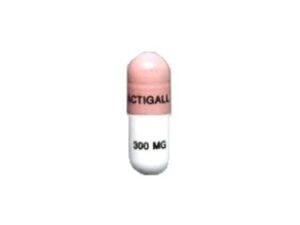
- Typical form: Oral capsules or soft capsules (strengths vary)
- Most important safety concern: Possible high calcium (hypercalcaemia) if dose is too high
- Monitoring: Blood tests for calcium, phosphate, and often vitamin D status
What is Alfacalcidol?
Alfacalcidol is a synthetic form of vitamin D. After you take it by mouth, your body converts it into the active hormone-like form of vitamin D, which helps regulate calcium and phosphate absorption and metabolism. This can improve symptoms and reduce complications related to vitamin D deficiency or disorders of vitamin D metabolism.
Mechanism of Action (How it Works)
Alfacalcidol works by acting as a prodrug of calcitriol (active vitamin D). Once converted in the body, active vitamin D increases the movement of calcium and phosphate from the gut into the bloodstream. It also influences kidney function and bone remodelling.
In simple terms:
- Improves calcium absorption from the intestines
- Supports phosphate balance (which is important for bone mineralisation)
- Helps bone health by promoting proper mineral deposition
- Supports normal muscle and nerve function by helping keep calcium in a safe range
Pharmacokinetics (What the Body Does to It)
Pharmacokinetics describes how the body absorbs, converts, and clears a medicine. While individual responses vary, the general pattern for alfacalcidol includes:
- Absorption: Taken orally and absorbed through the gastrointestinal tract.
- Conversion to active form: Alfacalcidol is converted in the body to calcitriol.
- Onset and duration: Effects typically appear within hours and can last long enough to allow less frequent dosing compared with some other vitamin D medicines.
- Distribution: Active vitamin D circulates and acts on target tissues (gut, bone, kidney, parathyroid glands).
- Elimination: The body clears the active forms primarily through metabolic pathways and excretion processes.
Because vitamin D medicines can influence calcium levels, treatment generally requires blood monitoring and dose adjustments.
Typical Use in the UK
Alfacalcidol is used to treat problems where vitamin D signalling is abnormal, or where the body cannot properly maintain calcium and phosphate levels. It may be chosen when active vitamin D is needed, or when there is an underlying disorder affecting vitamin D metabolism.
Common goals of therapy
- Raise or stabilise blood calcium
- Improve bone mineralisation and reduce risk of bone pain or fractures
- Support management of renal or endocrine conditions affecting vitamin D activation
- Reduce symptoms linked to mineral imbalance (where applicable)
Indications (What It Treats)
Alfacalcidol is used for conditions such as:
- Renal osteodystrophy (bone disease related to chronic kidney disease)
- Hypoparathyroidism or other disorders where vitamin D activation is impaired and calcium levels are low
- Rickets or osteomalacia due to impaired vitamin D metabolism
- Conditions associated with vitamin D deficiency or altered calcium regulation, when an active vitamin D approach is indicated
The exact suitability depends on your diagnosis, blood test results, kidney function, and other medicines you take.
Dosing: How Alfacalcidol is Usually Taken
Dosing can vary based on age, diagnosis, blood calcium and phosphate levels, kidney function, and how you respond. For vitamin D medicines, dose adjustments are often necessary to achieve the safest calcium range.
Typical dosing patterns
Alfacalcidol is commonly prescribed as a once-daily or less frequent regimen depending on the condition and product strength. In many cases, dosing starts at a measured level and may be adjusted after blood monitoring.
Practical guidance
- Take it at the same time each day to maintain consistent blood levels.
- Do not increase or double doses if you miss one—check your clinician’s instructions or advice from your pharmacist.
- Use the exact capsule strength provided to avoid dosing errors. If you switch brands or strengths, ask your pharmacist to confirm the dose.
- Keep follow-up blood tests—this is key to safe use.
Timing: When to Take It
Alfacalcidol can generally be taken at any time of day. Many people find it easiest to take it with a routine (for example, after breakfast). What matters most is consistency and coordinating with blood test schedules and other medicines.
Food and routine
Food may affect the tolerance of some vitamin D medicines. In many cases, taking alfacalcidol with food can help reduce stomach upset. If your healthcare team has given you specific instructions, follow those.
Food Interactions and Diet Considerations
Alfacalcidol works on calcium and phosphate balance, so diet can matter indirectly—particularly if you take additional calcium, high-dose vitamin supplements, or consume fortified products in large amounts.
Be cautious with:
- High-dose calcium supplements (unless specifically advised)
- High-dose vitamin D supplements alongside alfacalcidol
- Dietary overcorrection for low calcium (excess calcium can be harmful)
What to do
- Tell your pharmacist if you use calcium tablets or multivitamins.
- Keep vitamin and mineral supplements on your medicine list so interactions can be checked.
- If you have kidney disease, ask about phosphate and tailored dietary advice.
Alcohol Interactions
There is no universally expected direct interaction between alfacalcidol and alcohol for most patients. However, alcohol may still affect safety indirectly, for example by:
- Increasing the risk of dehydration (which can be relevant if kidney function is reduced).
- Contributing to poor nutrition in some people.
- Complicating adherence to medication routines.
If you drink alcohol, consider keeping it moderate and discuss your overall health and kidney status with your healthcare professional.
Medication Interactions
Alfacalcidol can interact with other medicines that affect calcium, phosphate, or vitamin D pathways. Because the risk of high calcium can be serious, it’s important to check all your medications (including over-the-counter products).
Common interaction categories
- Calcium supplements or other vitamin D products: combined use may raise calcium levels too much.
- Thiazide diuretics (e.g., hydrochlorothiazide): can increase blood calcium in some people.
- Cardiac glycosides (e.g., digoxin): high calcium can increase the risk of abnormal heart rhythm. Extra caution and monitoring may be needed.
- Magnesium-containing antacids/laxatives: in kidney impairment, magnesium can accumulate and cause complications.
- Anti-seizure medicines (enzyme inducers such as carbamazepine or phenytoin): may reduce vitamin D effects in some circumstances.
- Cholestyramine / bile acid sequestrants: may reduce absorption of fat-soluble vitamins and affect vitamin D effectiveness.
Not every interaction applies to every patient. The safest approach is to review your full medicine list with your pharmacist, especially if you start, stop, or change dose of any medication.
Safety Profile: Important Risks and Side Effects
Like all medicines, alfacalcidol can cause side effects. The most important risk is hypercalcaemia (too much calcium in the blood), which can lead to symptoms and complications. Risk increases if dosing is too high, monitoring is delayed, or you also take extra calcium/vitamin D.
Common or mild side effects
Some people may experience mild gastrointestinal discomfort, such as:
- Nausea
- Constipation
- Stomach discomfort
If these effects become troublesome or persistent, seek advice from your pharmacist or clinician.
Serious side effects (seek urgent medical advice)
Contact urgent medical services if you develop signs suggestive of significantly raised calcium, such as:
- Severe thirst or passing more urine than usual
- Confusion, unusual drowsiness, or severe weakness
- Severe constipation or persistent vomiting
- Heart rhythm symptoms (palpitations, fainting) especially if you take digoxin or have heart disease
- Severe abdominal pain
Who may need extra caution
- People with kidney problems or reduced renal function
- Those at risk of high calcium or kidney stones
- People taking medicines that affect calcium balance (such as thiazide diuretics or digoxin)
- Anyone using additional vitamin D or calcium supplements
Pregnancy and breastfeeding
Vitamin D medicines may be used during pregnancy or breastfeeding in certain circumstances, but dosing must be carefully controlled. If you are pregnant, trying to conceive, or breastfeeding, discuss your individual risk/benefit with a healthcare professional.
Practical Use Tips (How to Get the Best and Safest Results)
1) Keep up with monitoring
Regular blood tests help ensure calcium and phosphate remain in a safe range. Your prescriber may also monitor vitamin D-related markers. If you miss appointments, tell your clinician—dose adjustments might be needed.
2) Use a consistent routine
- Choose a time you can reliably remember (e.g., after breakfast).
- Take with water; follow the instructions on your product packaging.
- Store capsules as directed on the label (typically in a cool, dry place).
3) Double-check supplements
Many multivitamins and “bone health” products contain vitamin D and calcium. Combining these with alfacalcidol can unintentionally raise total vitamin D or calcium exposure.
4) Be careful with dose changes
Do not switch between strengths or brands without confirming the dose. If you receive a different product strength from your usual one, ask your pharmacist to confirm the number of capsules per dose.
5) Know when to seek help
If you experience symptoms that could be related to high calcium (especially severe constipation, excessive thirst, confusion, or vomiting), stop and seek medical advice promptly.
Alternative Options
Treatment choices depend on the underlying condition and your blood test profile. Alternatives may include other vitamin D formulations and supportive measures. Examples include:
- Cholecalciferol (vitamin D3) or ergocalciferol (vitamin D2) for some vitamin D deficiency scenarios
- Calcitriol (active vitamin D) in certain conditions requiring direct active vitamin D effect
- Calcium supplements (only if advised, and usually with monitoring to avoid high calcium)
- Phosphate binders or other kidney-related therapies when phosphate balance is a key issue
Your healthcare professional will recommend the most appropriate option based on diagnosis, kidney function, and monitoring results.
Market and Legal Context (United Kingdom)
In the UK, medicines are regulated under the Medicines and Healthcare products Regulatory Agency (MHRA) framework and associated guidance. Alfacalcidol is supplied through licensed pharmacy channels. Availability and packaging may vary across brands and strengths.
The NHS and UK clinical practice commonly emphasise ongoing monitoring for vitamin D analogues due to the risk of high calcium and the need to individualise dosing.
Recent clinical emphasis
- More frequent use of blood testing and careful dose titration for vitamin D analogues.
- Clear attention to co-prescription safety (calcium/vitamin D supplements and interacting medicines).
- Personalised management in people with chronic kidney disease and bone/mineral disorders.
Delivery and Availability
Alfacalcidol may be available in certain strengths and branded formats. Availability can vary by manufacturer and supply. If you order through an online pharmacy, stock status and lead times will be shown at checkout.
What to expect
- Dispatch times: Typically shown on the product page or order confirmation.
- Delivery options: Available options may include standard and express delivery depending on location.
- Packaging: Medicines are sent in secure, tamper-evident packaging.
- Cold-chain: Generally not required for alfacalcidol, but always follow the storage instructions on the label.
If you need a specific strength or brand, it’s wise to check compatibility with your existing dose schedule.
Safety Checklist Before You Start (or If You Restart)
- Do you have results for calcium and phosphate (if required for your condition)?
- Are you taking any calcium or vitamin D supplements (including multivitamins)?
- Do you take medicines such as digoxin, thiazide diuretics, or anti-epileptic drugs?
- Do you have kidney disease or a history of kidney stones?
- Are you pregnant, trying to conceive, or breastfeeding?
Reviewing these points helps reduce the risk of avoidable complications.
FAQ: Alfacalcidol
1) What is alfacalcidol used for?
Alfacalcidol is used to support calcium and phosphate balance and bone health, particularly in conditions where vitamin D activation is impaired or where calcium levels are low, such as certain bone/mineral disorders and renal-related osteodystrophy.
2) How long does it take to work?
Some effects may be noticed within hours to days, but the full benefit (including stabilising blood calcium) is usually assessed over a longer period. Clinicians typically use blood tests to judge response and adjust dosing.
3) Can I take alfacalcidol with food?
It’s generally possible to take it with or without food. If you find it upsets your stomach, taking it with food may help. Follow the instructions on the packaging and your healthcare team’s advice.
4) Should I take extra vitamin D or calcium?
Only take additional vitamin D or calcium if your healthcare team has advised it. Combining supplements with alfacalcidol may raise calcium too much and increase risk of side effects.
5) What are the signs of too much calcium?
Symptoms can include severe thirst, frequent urination, constipation, nausea/vomiting, weakness, confusion, and abnormal heart rhythm. If symptoms are severe or rapidly worsening, seek urgent medical help.
6) Is alfacalcidol safe for people with kidney disease?
It may be used in kidney-related bone/mineral disorders, but it requires careful monitoring and dose adjustment. People with reduced kidney function have a higher risk of calcium and phosphate imbalance, so follow-up blood tests are important.
7) Can I drink alcohol while taking alfacalcidol?
Moderate alcohol consumption is not expected to directly interact with alfacalcidol in most patients. However, alcohol may worsen dehydration or reduce adherence to nutrition and medication routines. If you have kidney problems or other medical conditions, discuss alcohol with your clinician.
8) What should I do if I miss a dose?
If you miss a dose, take it when you remember unless it’s close to the next scheduled dose. Do not take a double dose. Check the patient information for your specific product or ask your pharmacist for personalised advice.
9) Are there interactions with other medicines?
Yes. Medicines that affect calcium levels, vitamin D activity, or mineral balance may interact. Examples include calcium supplements, thiazide diuretics, digoxin, anti-epileptic drugs, and certain bile acid sequestrants. It’s important to review your full medicine list.
10) What monitoring will I need?
Your healthcare team may check blood calcium and phosphate levels, and sometimes other vitamin D-related markers. Monitoring frequency depends on your condition and how stable your results are.
Summary
Alfacalcidol is a vitamin D medicine used to help manage calcium and phosphate balance and support bone health. It works by converting to active vitamin D in the body. Because it can raise calcium levels, safe use depends on correct dosing, awareness of interactions (including supplements), and regular blood monitoring.
Alfacalcidol at a Glance
| Topic | Key Points |
|---|---|
| How it works | Converted in the body to active vitamin D to increase calcium/phosphate regulation. |
| Typical use | Bone/mineral disorders related to impaired vitamin D activation; low calcium in specific conditions. |
| Timing | Usually taken once daily or as directed; consistency is important. |
| Food | Food may help reduce stomach upset; avoid unnecessary extra calcium/vitamin D unless advised. |
| Alcohol | No universal direct interaction; moderation and hydration are sensible, especially with kidney issues. |
| Major risk | Hypercalcaemia if dose is too high or combined with supplements. |
| Monitoring | Blood tests for calcium/phosphate are commonly required for safe dose adjustment. |
| Medication interactions | Calcium/vitamin D supplements, thiazide diuretics, digoxin, enzyme-inducing medicines, and others. |