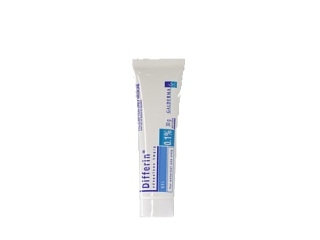

Adapalen (Adapalene) – Patient-Friendly Guide (UK)
Adapalen is a medicine used to treat acne. It belongs to a group of medicines called retinoids and works by helping to keep pores clear and by reducing inflammation. Many people use adapalene as part of an acne-care routine to improve breakouts and prevent new lesions from forming.
This guide explains what adapalene is, how it works, how to use it safely, what to expect during treatment, and practical tips for getting the best results. It also covers key interactions, safety information, and UK availability considerations.
Basic Product Information
- Active ingredient: Adapalene
- Medicines group: Topical retinoid (vitamin A–related)
- Common forms: Gel (e.g., 0.1%) and sometimes cream formulations depending on brand
- Where it’s applied: Usually to acne-prone areas of skin (face, and sometimes chest/back)
- Typical use: Mild to moderate acne; sometimes as part of maintenance therapy
In the UK: Adapalene products are available through different routes depending on strength and product type. Your online pharmacy can show the appropriate options and availability.
How Adapalene Works (Mechanism of Action)
Adapalene helps acne in two main ways:
- Normalises skin cell turnover: Acne is partly driven by pores clogging due to abnormal shedding of skin cells. Adapalene encourages more normal shedding, reducing blocked pores (comedones).
- Reduces inflammation: It has anti-inflammatory activity, which helps calm redness and swelling associated with acne.
What this means in practice: Adapalene is especially helpful for comedonal acne (blackheads and whiteheads) and can also improve inflammatory acne (red bumps and pustules) over time.
Pharmacokinetics (Absorption, Distribution, Metabolism, Elimination)
When applied to the skin, adapalene is designed to act locally. Key points include:
- Absorption: Only a small amount is expected to be absorbed through intact skin.
- Distribution: The majority of the medicine remains in the skin where it’s applied.
- Metabolism: Any absorbed fraction is metabolised primarily in the body (details are handled via normal metabolic pathways).
- Elimination: Absorbed drug is eventually cleared from the body, mainly through normal excretion routes.
Clinical implication: Because systemic absorption is low, adapalene is generally considered to have a lower risk of whole-body side effects compared with some oral acne medicines.
Typical Use and Indications
Adapalene is used to improve acne by treating:
- Comedonal acne: blackheads and whiteheads
- Mild to moderate inflammatory acne: red spots, pimples, and occasional pustules
- Acne maintenance: preventing recurrence after improvement (depending on clinician advice and product suitability)
Not ideal for: Sudden, rapid “instant” clearing of active spots. Adapalene works gradually by preventing pore blockage and reducing inflammation over weeks.
When Will It Work? Timing and Expected Results
Results often develop in stages:
- First few weeks: Some people notice mild dryness, peeling, or slight irritation as skin adjusts.
- Around 8–12 weeks: Acne improvements are commonly seen as comedones begin to clear and inflammation reduces.
- Up to 3–4 months: Best results are often achieved over longer use, especially for persistent acne.
Important: Avoid stopping early due to impatience. Acne is slow to respond to topical retinoids. However, severe irritation should be addressed promptly (see safety section).
Dosing and How to Apply
General dosing (typical patient use):
- Frequency: Usually once daily, often in the evening
- Amount: A thin layer is sufficient for the whole affected area
- Application: Apply to clean, dry skin
Step-by-step application tips:
- Wash: Use a gentle cleanser. Avoid harsh scrubbing.
- Dry skin completely: Let skin dry before applying adapalene to reduce irritation.
- Use a “pea-sized” amount: For the face, a small amount is usually enough. Use more only if the product guidance allows for a larger area (e.g., chest/back).
- Spread thinly: Cover acne-prone areas rather than spot-treating only one pimple.
- Avoid sensitive zones: Keep away from eyes, lips, corners of the nose, and any broken skin.
- Wash hands after use: Prevent accidental transfer to eyes or mouth.
How to start if your skin is sensitive:
- Consider applying 2–3 nights per week at first, then gradually increase to daily if tolerated.
- If irritation occurs, reduce frequency and consider moisturiser support (see practical tips).
Missed dose: Apply the next dose at the usual time. Do not double up.
Food Interactions
Because adapalene is applied to the skin, food interactions are not generally expected. There is typically no specific dietary restriction associated with topical adapalene.
Practical note: If you are using multiple acne treatments or have sensitive skin, maintaining a balanced diet and staying hydrated may support overall skin health, though this is supportive rather than a direct “interaction”.
Alcohol and Medicine Interactions
Alcohol: No direct alcohol interaction is typically expected with topical adapalene. However, avoid applying alcohol-based products on the same area if they worsen dryness or irritation (for example, some toners).
Other acne medicines and skincare products:
- Other retinoids: Avoid combining with additional retinoids (topical or oral) unless advised by a healthcare professional, as this can increase irritation.
- Strong exfoliants: Be cautious with scrubs, peels, and abrasive treatments. They can increase peeling and redness.
- Oxidising agents: Products containing benzoyl peroxide may be used with adapalene by some acne routines; however, timing and tolerance matter (see practical section).
- Topical antibiotics: Sometimes used together in combination acne regimens; tolerate carefully and follow product directions.
- Skincare irritation risk: Products with high alcohol content or strong fragrance can worsen side effects.
General rule: If a product increases redness, burning, or peeling, pause it and simplify your routine until your skin settles. You may then reintroduce products one at a time.
Safety Profile and Side Effects
Most side effects relate to local skin irritation. Adapalene can cause dryness and peeling, especially during the first weeks.
Common side effects
- Dryness (skin feels tight or flaky)
- Peeling or scaling
- Redness
- Burning or stinging sensation
- Itching
- Skin discomfort around application areas
Less common but important issues
- Severe irritation (intense burning, swelling, blistering)
- Allergic reactions are uncommon but possible (look for rash spreading beyond application site, marked swelling, or breathing difficulties—seek urgent help if breathing is affected)
- Worsening acne early in treatment can occur as the skin adjusts
When to seek advice urgently
- Severe swelling, blistering, or intense rash
- Eye exposure symptoms (severe redness, pain, or persistent discomfort)
- Signs of infection if skin breaks down (increasing pain, pus, spreading redness)
Practical Use Tips (Getting the Best Results with Less Irritation)
These tips can significantly improve comfort and adherence:
- Moisturise: Use a gentle moisturiser to reduce dryness. Apply moisturiser after adapalene if needed (or consider a “buffer” method if very sensitive).
- Start gradually: 2–3 nights per week initially can reduce irritation.
- Gentle cleanser only: Avoid scrubs, washcloth abrasion, and harsh toners.
- Use non-comedogenic products: Choose “won’t block pores” moisturisers and sunscreens.
- Sun protection is essential: Adapalene can make skin more sensitive to sunlight. Use broad-spectrum SPF and limit direct sun exposure.
- Check “left-on” time for other products: If using multiple actives, separate them by time or alternate nights.
Moisturiser “buffer” method (optional): Some people apply moisturiser first, wait a few minutes, then apply a thin layer of adapalene, followed by moisturiser again. If your product guidance differs, follow the packaging instructions or pharmacy advice.
Combining with benzoyl peroxide: Many acne routines combine these. Irritation varies by person. If you use both, consider:
- Using benzoyl peroxide on mornings and adapalene in the evening, or
- Alternating nights (e.g., adapalene one night, benzoyl peroxide the next) until you know how your skin reacts.
Alternative Options for Acne (UK)
Depending on acne type, severity, and tolerance, alternatives may include:
| Option | What it’s used for | Typical advantages | Possible considerations |
|---|---|---|---|
| Other topical retinoids (e.g., tretinoin/adapalene alternatives) | Comedonal and inflammatory acne | Helps prevent pore blockage; gradual improvement | Can cause dryness/irritation; response timing is similar (weeks) |
| Benzoyl peroxide | Inflammatory acne; reduces acne bacteria | Often improves redness/pimples; can be used with retinoids | Can be drying; may bleach fabrics |
| Topical antibiotics (usually short-term, targeted use) | Inflamed acne | Can reduce bacterial load and inflammation | Often used with other agents to reduce resistance |
| Azelaic acid | Mild to moderate acne; marks and redness | Can be gentler for some users; helps uneven tone | Still may cause irritation; consistency needed |
| Oral acne treatments (for more severe cases) | Moderate to severe or scarring acne | May be more effective for severe disease | May require clinician monitoring due to systemic effects |
Which is best for you? If you’re unsure, consider your acne type (comedones vs red inflamed spots), skin sensitivity, and what you’ve tried before.
Market and Legal Context in the United Kingdom
In the UK, acne treatments may be supplied through different routes depending on the product and strength. Medicines regulations and classification affect:
- Whether a product is available without additional assessment
- Which strengths are offered online
- What safety information customers must see
Online pharmacies typically provide clear product descriptions, usage instructions, and warnings. Policies can change over time to reflect regulator updates, product licensing, and public health guidance.
Recent guidance (general themes): Over recent years, acne care guidance has continued to emphasise:
- Gradual introduction of actives to improve tolerability
- Consistent use over multiple weeks for topical retinoids
- Sun protection due to increased photosensitivity risk with many acne actives
- Appropriate combination strategies (where suitable) to improve outcomes and reduce resistance where antibiotics are used
Note: Always follow the specific instructions on your product packaging and the directions provided by your pharmacy.
Delivery and Availability (UK)
Availability of adapalene products can vary by brand, strength, and formulation. Most UK online pharmacies offer:
- Home delivery to eligible UK addresses
- Packaging designed to protect stability (typical for topical medicines)
- Discrete delivery options in many services
Delivery time: This depends on the pharmacy provider and stock levels. You can usually see an estimated delivery window at checkout. If a product is temporarily unavailable, some pharmacies may list alternative formulations or strengths.
Storage: Store as directed on the label—typically at room temperature, away from excessive heat and out of reach of children.
Practical “First Week” Routine Example
Here is a simple starter routine many people find manageable:
- Morning: Gentle cleanser + moisturiser + SPF
- Evening: Gentle cleanser, let dry fully, apply adapalene (2–3 nights per week at first), then moisturiser
- Other nights: Cleanse + moisturiser only (if very sensitive)
Once your skin tolerates adapalene, you can increase to nightly use if appropriate for your product instructions and skin comfort.
FAQ (Frequently Asked Questions)
1) Is adapalene suitable for all acne types?
Adapalene is particularly helpful for comedonal acne (blackheads/whiteheads) and can also improve inflammatory acne over time. For severe acne, persistent nodules/cysts, or scarring, other treatments may be needed.
2) Why does my skin get dry or peel at the start?
Topical retinoids can accelerate cell turnover and reduce pore clogging, which can irritate skin initially. This usually settles as your skin adapts—if irritation is too strong, reduce frequency and use moisturiser.
3) Can I use adapalene with other acne products?
Often, yes—many acne routines combine different actives. However, combining multiple irritating products (like strong exfoliants or several retinoids) can worsen dryness. If you plan to use benzoyl peroxide or acids, consider separate timings or alternate nights.
4) Should I apply adapalene to wet skin?
No. For best tolerability, apply to completely dry skin after cleansing.
5) How long should I use it before judging results?
Many people notice improvements between 8 and 12 weeks. Full benefit may take 3–4 months. Give your skin time while still addressing excessive irritation.
6) Can I wear makeup?
Yes, provided your makeup is gentle and non-comedogenic. Consider applying makeup only after moisturiser has settled and if your skin is comfortable.
7) Does adapalene increase sun sensitivity?
It can. Use a broad-spectrum sunscreen every morning and avoid prolonged direct sun exposure.
8) Is there any interaction with food or drinks?
With topical adapalene, food interactions are not generally expected. Alcohol is not known to interact directly, but avoid alcohol-based products on your skin if they worsen irritation.
9) What if I accidentally get adapalene in my eyes or on broken skin?
Rinse thoroughly with clean water. If irritation is severe or persists, seek medical advice.
10) What should I do if my acne worsens initially?
Early flare-ups can happen. Try not to stop immediately. Adjust frequency, moisturise, and protect from sun. If worsening is severe or accompanied by significant pain or swelling, seek advice.
11) Are there long-term risks with continued use?
Many people use topical acne treatments over months and sometimes longer for maintenance. Long-term risks are generally limited when used as directed, but ongoing irritation or overuse should be avoided. Reassess your routine if your skin repeatedly becomes very inflamed.
Summary
Adapalene is a topical retinoid used to treat acne by improving how pores clear and by reducing inflammation. It works gradually, typically with visible improvement after a few weeks and best results over several months. While dryness, peeling, and redness are common at first, these can often be managed with a gentle skincare routine, moisturising, sun protection, and gradual introduction.
If you have concerns about skin irritation, suitability for your specific acne type, or how to combine products safely, speak to your pharmacist for tailored guidance based on the product you’ve chosen.