

Levocetirizine (Antihistamine) – Patient Guide (UK)
Levocetirizine is a commonly used antihistamine medicine for relieving the symptoms of allergies. It is used for conditions such as hay fever (seasonal allergic rhinitis) and itchy skin reactions like chronic urticaria (also known as chronic hives). Many people prefer levocetirizine because it is designed to be effective and is taken once daily for many uses.
This page explains how levocetirizine works, how to take it safely, and what to expect. If you have any questions about your specific situation—such as pregnancy, breastfeeding, kidney problems, or taking other medicines—speak to a pharmacist or GP.
Basic product information
- Medicine name: Levocetirizine
- Type: Antihistamine (non-sedating in most people, but can still cause drowsiness)
- How it works: Blocks the effects of histamine in the body
- Common formulations (UK): Tablets and oral solutions (availability varies by brand)
- Strength: Often 5 mg tablets or equivalent doses depending on the formulation
Brand names differ by manufacturer. Always check the pack for the exact strength and dosing instructions.
How levocetirizine works (mechanism of action)
When the body is exposed to an allergen (such as pollen, dust mites, animal dander, or certain foods), it releases histamine. Histamine contributes to classic allergy symptoms including:
- sneezing
- itchy, watery eyes
- runny or blocked nose
- itching and hives
Levocetirizine works by blocking histamine H1 receptors. By reducing histamine activity, it helps relieve allergy symptoms. Because it is an “active” antihistamine (the active form of cetirizine), it can act effectively at the sites where histamine causes symptoms.
Pharmacokinetics (how the body processes it)
Pharmacokinetics describes absorption, distribution, metabolism, and elimination. While exact values can vary by individual and formulation, levocetirizine generally behaves as follows:
- Absorption: Levocetirizine is absorbed after taking by mouth and typically reaches peak levels in the blood within a few hours.
- Onset of relief: Some symptom relief can be felt within a short time, often on the same day.
- Distribution: It circulates throughout the body and targets histamine receptors.
- Metabolism: A smaller proportion is processed by the liver compared with some other medicines.
- Elimination: It is mainly cleared by the kidneys.
- Half-life: It has a duration that supports once-daily dosing for many people.
Because the medicine is largely removed by the kidneys, dose adjustments may be necessary if you have reduced kidney function.
What levocetirizine is used for (indications)
Levocetirizine is used to treat allergic conditions, including:
- Seasonal allergic rhinitis (hay fever): relieving symptoms such as sneezing, runny nose, itching, and watery eyes.
- Perennial allergic rhinitis: symptoms from ongoing allergen exposure (for example dust mites) throughout the year.
- Chronic urticaria (chronic hives): reducing itching and the appearance of hives.
If you’re unsure whether your symptoms match an allergy pattern, consider speaking to a pharmacist. Some conditions (such as infections or non-allergic rhinitis) may need different treatment.
Typical timing: when to take it
Many people take levocetirizine once daily. The best time can depend on how you react to it.
- Daytime allergies: Take in the morning or early afternoon if drowsiness is not a problem for you.
- If you feel sleepy: Many people prefer taking it in the evening.
- Consistency: Taking it at the same time each day may help maintain symptom control.
If you are using it for hay fever, you may need to start before peak pollen exposure (or at the first sign of symptoms), depending on your usual allergy pattern.
Dosing (adults and children) – general UK guidance
Doses vary by age, kidney function, and the specific product strength. Use the dosing information on your pack or the instructions from your pharmacist. The points below are general typical dosing patterns.
| Who | Typical starting dose | How often | Notes |
|---|---|---|---|
| Adults and adolescents (commonly from 12 years) | 5 mg | Once daily | Adjustments may be needed in kidney impairment. |
| Children (age and formulation dependent) | Lower doses may apply | Once daily | Follow the product label for the exact dose by age. |
| People with reduced kidney function | May require a lower dose or less frequent dosing | Varies | Levocetirizine is mainly removed by the kidneys—seek advice. |
Missed dose: If you forget a dose, take it when you remember unless it is nearly time for the next dose. Do not take a double dose.
Duration: For allergy symptoms, you may use levocetirizine during the allergy season or longer if advised for chronic urticaria. If symptoms persist or worsen, consult a healthcare professional.
Food interactions: can you take it with meals?
Levocetirizine can usually be taken with or without food. Food may slightly affect how quickly it starts working for some people, but it generally does not stop it from working.
- Practical tip: Choose a time you can stick to daily (meal time or bedtime often works well).
- If you notice delayed effect: Take it consistently—either always with food or always without—so you can predict timing.
Alcohol and medicine interactions
Alcohol
While levocetirizine is designed to be less sedating for many people, it can still cause drowsiness in some individuals. Drinking alcohol may increase this effect, making it more likely you feel sleepy or less alert.
- Advice: Avoid or limit alcohol, especially when starting levocetirizine or if you have previously felt drowsy from antihistamines.
- Driving/operating machinery: Do not drive or use tools/machinery if you feel sleepy.
Interactions with other medicines
Always tell a pharmacist or healthcare professional about all medicines you take, including herbal products and non-prescription remedies. Key interaction themes include:
- Other sedating medicines: Combining levocetirizine with other antihistamines, sleeping tablets, or strong painkillers may increase drowsiness.
- Alcohol-containing products: Some cough syrups or tonics may contain alcohol—check labels if you’re sensitive to sedation.
- Kidney-cleared medicines: Because levocetirizine is cleared by the kidneys, medicines that also significantly affect kidney function may require caution or dose adjustment.
If you take multiple medicines, your pharmacist can check for likely interactions based on your exact products and medical history.
Safety profile and who should take extra care
Levocetirizine is generally well tolerated when used as directed. However, like all medicines, it can cause side effects. Some people experience drowsiness; others feel no noticeable effects.
Common side effects
- sleepiness or drowsiness
- dry mouth
- tiredness
- headache
- fatigue
Less common or serious effects
Stop using the medicine and seek urgent medical help if you develop signs of a serious allergic reaction, such as:
- swelling of the face, lips, tongue, or throat
- severe rash or hives spreading rapidly
- difficulty breathing or swallowing
If you experience persistent or worrying symptoms, contact a healthcare professional promptly.
Special populations
- Kidney problems: Because the medicine is cleared by the kidneys, you may need a different dose. Seek advice.
- Pregnancy and breastfeeding: If you are pregnant or breastfeeding, discuss options with a healthcare professional. They can weigh symptom severity against available safety data.
- Older adults: Drowsiness and reduced kidney function can increase sensitivity—consider speaking to a pharmacist.
- Children: Use the correct product and age-appropriate dose. Do not guess doses.
Driving and alertness
Levocetirizine may cause drowsiness in some people. Before driving, using machinery, or doing activities requiring concentration, see how you respond to the first doses.
Practical use tips (how to get the best results)
- Start when symptoms begin: For hay fever, starting early may help control symptoms before they peak.
- Keep it consistent: Once-daily dosing works best when taken at the same time each day.
- Use alongside trigger control: Simple measures can improve results—such as keeping windows closed on high pollen days, using glasses outdoors, and washing hair after outdoor exposure.
- Expect symptom relief, not cure: Levocetirizine helps reduce symptoms; it does not remove the underlying allergy trigger.
- Monitor for drowsiness: If you feel sleepy, shift the dose to the evening or ask a pharmacist about alternatives.
Alternative options (UK)
If levocetirizine doesn’t suit you—or if you want to consider other approaches—there are several alternatives. Your pharmacist can help you choose based on your symptoms and daily routine.
Other antihistamines
- Loratadine
- Desloratadine
- Fexofenadine
- Cetirizine
Different people respond differently: one antihistamine may cause more drowsiness than another.
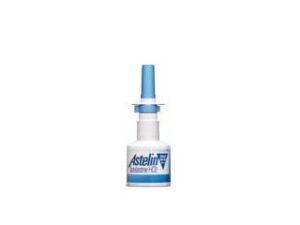
For nasal symptoms: intranasal treatments
- Intranasal corticosteroid sprays (often used for allergic rhinitis)
- Saline rinses to help clear allergens from the nose
Nasal sprays can be especially helpful when blocked nose is a major issue. They usually work best when used regularly during allergy season.
For chronic urticaria (hives)
If you have persistent hives, treatment plans may involve a stepwise approach. A pharmacist or GP can guide you on the best option and safe dosing strategy.
Market and legal context in the United Kingdom
In the UK, antihistamines for allergy relief are widely available through pharmacies and may be supplied for different strengths and indications depending on product classification and local availability. Availability can vary between:
- Pharmacy-only supplies for certain packs or formulations
- General sale (where applicable) for certain strengths/pack sizes
- Online pharmacy services that provide medicines after appropriate checks
Pharmacy services must comply with UK regulations on the supply of medicines, including ensuring safe supply, product identification, and appropriate patient information. Always check that the product you order is the correct strength and formulation for your needs.
Recent guidance and stewardship considerations (UK)
Guidance for allergy medicines often emphasises:
- Using the lowest effective dose for the shortest time needed, when appropriate.
- Checking suitability in people with kidney impairment, older age, pregnancy, or breastfeeding.
- Recognising when symptoms may need further assessment (for example, fever, worsening breathlessness, or severe persistent rash).
- Avoiding unnecessary long-term use if symptoms have resolved, while acknowledging that chronic urticaria may require longer management.
If you find yourself needing antihistamines continuously for an extended period, it’s worth discussing your allergy control plan with a pharmacist or GP.
Delivery and availability (online pharmacy in the UK)
Levocetirizine is typically available via UK online pharmacies in common pack sizes, subject to stock. Delivery times depend on the provider and service you select at checkout.
- Availability: Usually stocked; occasional variations occur by strength or formulation.
- Delivery: Standard and express options may be available.
- Packaging: Medicines are dispatched in protective packaging with clear labelling.
- Returns: Return policies can vary; check the store’s terms for sealed medicine or prescription-label procedures (if any).
To ensure you receive the correct product, confirm the strength, form (tablet vs liquid), and expiry date shown on delivery or packaging.
Safety checklist before you start
Before using levocetirizine, consider these quick checks:
- Do you have kidney problems?
- Are you pregnant or breastfeeding?
- Do you take medicines that may cause drowsiness?
- Have you ever had an allergic reaction to levocetirizine or related antihistamines?
- Will you need to drive or operate machinery
- Do you have symptoms of an infection (such as high fever), which may not be helped by antihistamines?
FAQ – Levocetirizine
1) How quickly does levocetirizine work?
Many people notice symptom relief within the same day of taking levocetirizine. The exact timing varies by person and by whether symptoms are nasal, itchy skin, or eye symptoms.
2) Will levocetirizine make me sleepy?
It can. Some people feel drowsy, while others do not. Be cautious the first time you take it—avoid driving or operating machinery until you know how it affects you.
3) Can I take levocetirizine every day?
It may be used daily for certain allergy conditions (for example, during hay fever season or for chronic urticaria). Follow the dose instructions on your pack and seek advice if you need it long term.
4) Can I take it with food?
Yes, levocetirizine can usually be taken with or without food. If you notice a delay in effect, keep your routine consistent and check with your pharmacist.
5) Is it safe to drink alcohol with levocetirizine?
Alcohol may increase drowsiness. It’s best to avoid alcohol or limit it, particularly when starting levocetirizine or if you are sensitive to sedation.
6) What if I miss a dose?
Take it when you remember unless it is close to your next dose. Do not take two doses to make up for a missed one.
7) Who should take extra care?
People with kidney problems, older adults, and anyone who is pregnant or breastfeeding should seek advice about suitability and dosing. Children should use age-appropriate formulations and dosing.
8) What are the most common side effects?
Common side effects include drowsiness, dry mouth, tiredness, and headache. If you experience severe or unusual symptoms, contact a healthcare professional.
9) Are there alternatives if I don’t get enough relief?
Yes. Other antihistamines or treatments (such as intranasal corticosteroid sprays for allergic rhinitis) may work better for some people. A pharmacist can help you choose the most appropriate option.
10) When should I stop and seek medical help?
Seek urgent help if you suspect a serious allergic reaction (e.g., swelling of the face/throat, severe rash, difficulty breathing). Also contact a healthcare professional if symptoms worsen, don’t improve, or you develop concerning new symptoms.
Remember: Always read the package leaflet and follow the instructions on your product. If you’re unsure about dosing, interactions, or suitability for your health situation, ask a pharmacist for advice.