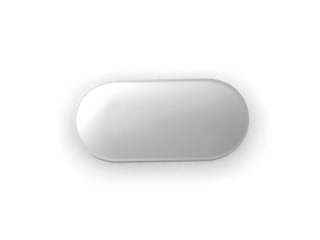

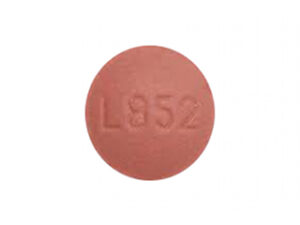
Ranexa (Ranolazine) — Patient Information (UK)
Ranexa contains ranolazine, a medicine used to help manage symptoms of chronic angina (stable angina). It may reduce the frequency of chest pain episodes and improve exercise tolerance in some people. Ranexa is not usually used for immediate relief of an angina attack; it works to help control symptoms over time.
This page explains how Ranexa works, how it is taken, key safety information, and practical tips for safe use in the United Kingdom.
Quick facts
- Active ingredient: Ranolazine
- Medicinal form: Tablet (extended release)
- Main use: Symptom control in chronic (stable) angina
- How it is taken: Usually twice daily (morning and evening)
- Not for: Immediate treatment of sudden chest pain
- Common side effects: Dizziness, constipation, nausea, headache
Basic product information
Ranexa is marketed in the UK in different strengths of extended-release tablets. The exact strengths and pack sizes depend on supply. Always check the strength stated on your own box.
Your treatment plan should be based on your medical history, other medicines you take, and how your heart condition responds.
How Ranexa is supplied
- Extended-release tablets designed to release ranolazine gradually
- Typically taken at consistent times each day
What is angina, and when is Ranexa used?
Angina is chest discomfort caused by reduced blood flow to the heart muscle. In chronic (stable) angina, symptoms tend to occur during predictable activity or stress and improve with rest.
Indication (what it is used for): Ranexa is used to treat symptoms of chronic (stable) angina in patients who remain symptomatic despite treatment with other medicines, or for whom certain therapies are not suitable. It may be used alongside other anti-anginal medicines.
Important: Ranexa is intended for long-term symptom control, not for emergency relief.
Mechanism of action (how Ranexa works)
Ranolazine helps reduce angina symptoms by improving the way the heart cells handle energy and by reducing abnormal electrical activity that can contribute to chest pain.
While it has multiple effects, a key action is the inhibition of a specific sodium current (often described as the late inward sodium current). This can reduce intracellular sodium overload and, in turn, limit calcium overload. The result is improved cellular performance under low-oxygen conditions.
Ranexa generally has less direct effect on heart rate and blood pressure than some other anti-anginal medicines, which can be helpful for people who cannot tolerate further reductions in blood pressure or heart rate.
Pharmacokinetics (how the body absorbs and processes it)
Understanding how ranolazine behaves in the body can help you take it correctly and appreciate why some interactions matter.
Absorption and release
- Ranexa is an extended-release tablet.
- It provides a controlled release of ranolazine over time.
- Steady levels in the body are typically reached after several days of consistent dosing.
Distribution and metabolism
- Ranolazine is extensively metabolised in the liver.
- It is influenced by drug-metabolising enzymes and transport proteins, which is why interactions are important.
Elimination
- Ranolazine and its metabolites are eliminated mainly via the kidneys and liver pathways.
- People with kidney or liver impairment may have higher exposure, which increases risk of side effects.
If you have kidney or liver problems, you may need dose adjustments and extra monitoring.
Typical use and timing
Ranexa is usually taken twice daily, at about the same times each day. This helps maintain consistent drug levels, supporting steady symptom control.
How to take it
- Swallow whole with water.
- Do not crush, split, or chew the extended-release tablets.
- Try to take it at a consistent morning and evening time.
If you miss a dose
If you miss a dose, take it when you remember unless it is close to the time of your next dose. Do not take a double dose to make up for the missed tablet.
When will it help?
Some people notice improvement over days to weeks. Because angina control depends on ongoing medication levels, consistent daily use is important.
Food interactions (what to consider with meals)
Ranolazine can be taken with or without food in many cases. However, food may affect how much drug your body absorbs, and consistency may help you avoid day-to-day variation.
Practical approach:
- If you tolerate it well, take it in the same way each day (with or without food).
- If you experience nausea or stomach upset, taking it with food may help some people.
Always follow the dosing instructions provided with your medicine and your clinician’s advice.
Alcohol and medicine interactions
Alcohol can worsen dizziness, drowsiness, or light-headedness in some people. It may also affect how well you feel during episodes of angina and may interfere with lifestyle measures used to control your heart condition.
Alcohol
- Limit or avoid alcohol if it makes you feel dizzy or unwell.
- Discuss alcohol use with your pharmacist or prescriber, especially if you have other medical conditions.
Medicine interactions (major examples)
Ranolazine has important drug interactions, mainly because certain medicines can increase ranolazine levels or increase the risk of heart rhythm changes.
Tell your healthcare professional about all medicines and supplements you use, including:
- Medicines for heart rhythm or QT-prolongation risk
- Some antibiotics and antifungals
- Medicines for depression or mood disorders
- HIV medicines
- Immunosuppressants
- Some medicines for migraine or nerve pain
- Medicines that affect liver metabolism (enzyme inhibitors/inducers)
If you are unsure whether a medicine is interacting, it is safest to check with your pharmacist.
Dosing (how much to take)
Ranexa dosing depends on your condition and how you tolerate the medicine. Typical dosing schedules may include dose titration from a lower strength to a higher one based on response and side effects.
Important: Use the strength and schedule on your own medicine label.
General principles
- Most adults take it twice daily.
- Your clinician may start at a lower dose and adjust gradually.
- Lower doses may be used if you have kidney or liver impairment or if you take interacting medicines.
Dose timing example (typical)
| Time | What to do |
|---|---|
| Morning | Take the prescribed Ranexa dose with water |
| Evening | Take the prescribed Ranexa dose again |
Safety profile (side effects and warnings)
Like all medicines, Ranexa can cause side effects. Many people tolerate it well, but it is important to know what to watch for. Your healthcare professional may monitor you, especially if you have risk factors for heart rhythm problems.
Common side effects
- Dizziness
- Constipation
- Nausea
- Headache
Possible serious side effects (seek urgent medical help)
Get urgent advice if you experience symptoms that may indicate a significant heart rhythm problem or other serious reaction.
- Fainting or severe light-headedness
- New palpitations that feel abnormal or persistent
- Shortness of breath, severe weakness, or chest discomfort that does not improve
- Allergic reaction symptoms such as swelling of the face/lips, severe rash, or trouble breathing
Heart rhythm considerations (QT prolongation risk)
Ranolazine can affect electrical signalling in the heart and may prolong the QT interval in some people. The risk may be higher with certain interacting medicines or if you have risk factors such as:
- Low potassium or magnesium levels
- Known rhythm disorders
- Congenital long QT syndrome
- Concomitant medicines that increase QT risk
Your clinician may consider an ECG (electrocardiogram) or blood tests if there are concerns.
Kidney and liver impairment
People with significant kidney or liver problems may have higher ranolazine levels, which increases side-effect risk. Your clinician may adjust the dose or use alternatives.
Practical use tips (getting the most from Ranexa safely)
- Take it consistently: Stick to your twice-daily routine.
- Keep a symptom diary: Note the number of angina episodes and triggers to help assess benefit.
- Do not stop suddenly: If you want to change treatment, discuss it first.
- Be cautious with new medicines: Antibiotics, antifungals, antidepressants, and some heart rhythm medicines can interact.
- Stay hydrated and eat regularly: Constipation and dizziness may be easier to manage with supportive lifestyle measures.
- Know your “rescue” plan: Ranexa is for control, not emergency relief. Ensure you have an appropriate action plan for sudden chest pain.
Alternative options for chronic (stable) angina
Treatment for angina often combines lifestyle measures with medicines. Depending on your health profile, options may include:
- Beta-blockers (reduce workload on the heart)
- Calcium-channel blockers (help relax coronary arteries)
- Nitrates (improve blood flow; some are long-acting for prevention)
- Antiplatelet therapy and statins when appropriate to reduce cardiovascular risk
- Other anti-anginal agents (for example, ivabradine in selected cases)
In selected patients, revascularisation procedures or other interventions may also be considered. Your clinician can advise what is most suitable.
UK market and legal context
In the United Kingdom, medicines such as Ranexa are regulated under the UK medicines framework. Supply is managed to ensure safe use, appropriate patient information, and controlled distribution.
For patient safety, always use medicines only as directed by your healthcare professional and follow the packaging instructions. If you have questions about eligibility for supply, your pharmacist can help.
Recent guidance note: Cardiac medicines and anti-anginal care may be updated over time through clinical guidance and safety alerts. If you are concerned about new recommendations for your condition or medicines, ask your pharmacist to check the latest information for your specific treatment plan.
Delivery and availability (UK online pharmacy)
Availability can vary by strength and pack size. Online pharmacies in the UK typically offer:
- Delivery options: Standard and tracked courier delivery (exact options depend on the retailer)
- Packaging: Medicines are supplied in original manufacturer packaging when available
- Stock checks: Many retailers check availability before dispatch
- Tracking: Tracking details are often provided once the order ships
If you are ordering a specific strength, consider ordering early if you have upcoming travel or appointments.
FAQs
1) Is Ranexa the same as a nitrate spray or tablet for sudden chest pain?
No. Ranexa is designed for long-term symptom control. It is not intended as a fast-acting rescue medicine for sudden chest pain. Make sure you have the correct emergency plan and rescue medication as advised by your clinician.
2) How long does it take for Ranexa to work?
Some people notice benefit within days to weeks, but symptom control can take longer. Consistent daily use helps achieve steadier levels in the body.
3) Can I take Ranexa with food?
Often yes. If you find it upsets your stomach, taking it with food may help. The key is to take it in a consistent way each day.
4) What should I do if I miss a dose?
Take it when you remember unless it is near your next dose. Do not take a double dose to compensate.
5) Can I drink alcohol while taking Ranexa?
Light alcohol may be tolerated by some people, but alcohol can increase dizziness or make you feel unwell. To be safe, keep alcohol to a minimum and discuss your typical intake with a pharmacist or clinician.
6) Are there medicines I should avoid?
Yes—some medicines can significantly increase ranolazine levels or raise heart rhythm risk. Always check interactions, especially with certain antibiotics, antifungals, antidepressants, HIV medicines, and medicines affecting QT interval. If you are unsure, ask a pharmacist.
7) What side effects are most common?
Common side effects include dizziness, constipation, nausea, and headache. If side effects persist or affect your daily life, seek advice.
8) When should I seek urgent help?
Seek urgent medical advice for fainting, severe light-headedness, significant or persistent palpitations, severe rash, swelling of the face/lips, or trouble breathing.
9) Does Ranexa affect driving or operating machinery?
Some people may feel dizzy. If you experience dizziness, avoid driving or using machinery until you know how Ranexa affects you.
10) What if I have kidney or liver problems?
Ranolazine exposure can be higher in kidney or liver impairment. Your clinician may recommend a lower dose, extra monitoring, or an alternative treatment.
Summary
Ranexa (ranolazine) is an extended-release tablet used for chronic (stable) angina symptom control. It works by affecting electrical activity and energy handling in heart cells, helping reduce chest pain episodes for many patients. It is usually taken twice daily and should be used consistently for best results.
Because Ranexa can interact with other medicines and may affect heart rhythm in some circumstances, it is important to follow your individual dosing instructions and check interactions before starting new medicines or supplements.
If you have questions about suitability, side effects, or interactions, speak to a pharmacist for tailored advice.