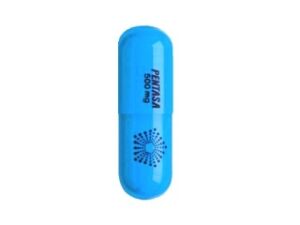
Zantac (Ranitidine) – Patient Information (United Kingdom)
Zantac contains ranitidine, a medicine used to reduce stomach acid. It has been commonly used for conditions such as heartburn (acid indigestion), reflux symptoms, and certain stomach-related problems where acid plays a role. This guide explains how ranitidine works, how to take it safely, what to expect, and important interactions and precautions.
Important UK note: Medicines containing ranitidine have had significant regulatory scrutiny in recent years due to concerns about impurities (including NDMA). Availability may vary and some products may no longer be marketed in the UK. Always check the specific product listing for current availability and follow advice from your healthcare professional or pharmacist.
Quick overview
| Feature | Details |
|---|---|
| Active ingredient | Ranitidine |
| Group | H2 receptor antagonist (H2 blocker) |
| Common uses | Heartburn/acid indigestion, reflux symptoms, certain acid-related conditions |
| How it works | Reduces acid production in the stomach |
| Typical form | Tablets (strengths vary by product) |
| Typical onset | Often within 1 hour for many symptoms |
| Availability | May be limited in the UK depending on regulatory decisions and product status |
How Zantac (ranitidine) works
Ranitidine belongs to a class of medicines called H2 receptor antagonists. In simple terms, it blocks histamine-2 receptors on stomach cells. Histamine signalling normally encourages the stomach to produce acid. By blocking these receptors, ranitidine helps to reduce the amount of acid produced.
This can help relieve symptoms such as:
- Heartburn (a burning feeling behind the breastbone)
- Acid indigestion
- Reflux or regurgitation symptoms
- Stomach discomfort related to excess acid
Pharmacokinetics (how the body handles ranitidine)
Absorption: After taking ranitidine by mouth, it is absorbed from the gastrointestinal tract into the bloodstream. Food may influence the rate at which it is absorbed, but it does not usually eliminate the overall effect.
Distribution: Ranitidine distributes throughout the body and reaches the stomach where it can reduce acid secretion.
Metabolism and elimination: The medicine is processed primarily in the liver and removed from the body through the kidneys. People with kidney impairment may have higher levels for longer, increasing the chance of side effects.
Half-life (general concept): The exact timing can vary by person, but ranitidine typically lasts long enough to provide symptom relief for a period after dosing. Follow the schedule on your specific product instructions.
What Zantac is used for (indications)
Ranitidine has been used for a range of acid-related conditions. The exact licensed indications can vary by product and UK regulatory status. Common uses include:
- Heartburn and acid indigestion
- Symptoms of gastro-oesophageal reflux disease (GORD) such as burning and discomfort
- Duodenal and gastric ulcers (in some situations, as part of ulcer management plans)
- Maintenance or recurrence prevention for certain ulcer-related conditions
- Conditions involving increased stomach acid production in specialist situations
If you’re unsure whether ranitidine is suitable for your symptoms, it’s best to speak to a pharmacist. Seek urgent assessment if symptoms suggest a more serious condition.
When to take it (timing guidance)
Timing can matter, particularly for symptoms that occur at specific times of day. In general:
- For daytime heartburn: consider taking it when symptoms are expected, often before meals or when advised by the product instructions or healthcare professional.
- For night-time reflux: taking a dose before bed may help reduce acid during the night for some people.
- Consistency: regular dosing (if recommended) tends to work better than taking doses only when symptoms become severe.
Always follow the instructions on your specific pack. If you are using a different strength or formulation, timing may differ.
Food interactions and what to expect
Ranitidine can be taken with or without food for many people. However, food may slightly affect how quickly it begins to work. In practical terms:
- If your symptoms are meal-related, taking ranitidine before eating may help.
- If you experience nausea or stomach upset, taking it with food may make it more comfortable.
- Avoid heavy meals and lying down soon after eating, even if you take acid-reducing medicines.
Alcohol interactions
There is no universally required “no alcohol” rule specifically for ranitidine in all cases, but alcohol can:
- Worsen reflux by relaxing the valve between the stomach and oesophagus
- Increase irritation of the digestive tract
- Make heartburn symptoms more difficult to control
If you notice your reflux is worse after alcohol, consider limiting it while you are treating symptoms. Also be cautious if you are taking other medicines that may cause drowsiness or stomach irritation.
Medicine interactions (important)
Interactions can occur with some medicines, particularly those whose absorption depends on stomach acidity. Tell your pharmacist or healthcare professional about all medicines you take, including over-the-counter products and herbal supplements.
Examples of potential interactions
- Medicines where absorption depends on acid: Because ranitidine reduces stomach acid, it may affect how well certain medicines are absorbed. This can be important for some treatments with narrow dosing requirements.
- Antifungal medicines (e.g., certain azoles): acid levels can influence absorption for some agents.
- Some HIV antivirals: acid suppression can change absorption of particular drugs.
- Warfarin (and similar anticoagulants): any change in medication or health status may require closer monitoring of INR.
- Medicines requiring regular stomach acid conditions: if a medicine is known to interact with acid-lowering therapies, ask before combining.
Practical tip: If you’re taking multiple medicines, keep a simple list (including doses and timing) and review it with a pharmacist. This helps avoid missed interaction issues.
Dose information (typical dosing principles)
Dose depends on the reason for use, symptom severity, age, and kidney function, and also on the strength of the product you have. Because available formulations and strengths can differ, rely on the instructions provided with your exact pack.
General dosing principles
- Adults: dosing for heartburn/reflux is often scheduled to cover the time when symptoms occur (e.g., around meals and/or bedtime).
- Kidney impairment: lower dosing or longer intervals may be needed. Do not adjust without advice if you have reduced kidney function.
- Children: use may be restricted depending on age and product licensing status. Always follow product guidance and seek advice.
If you are currently using ranitidine for a condition and your doctor or pharmacist provided a plan, follow it exactly. If you have missed a dose, do not take a double dose unless advised.
How to take Zantac (practical use tips)
- Take with water and swallow whole unless your pack instructs otherwise.
- Stay consistent with timing if symptoms occur predictably.
- Track symptom triggers (spicy foods, late meals, large portions, coffee, smoking, stress) to help reduce reliance on medicines.
- Don’t lie down after eating: try to wait at least 2–3 hours before bed.
- Use additional measures if recommended (e.g., antacids for quick relief, lifestyle changes).
Safety profile and side effects
Like all medicines, ranitidine can cause side effects. Not everyone experiences them. Many people tolerate ranitidine well, but stop and seek medical advice urgently if you develop signs of serious allergy.
Common side effects
- Headache
- Dizziness
- Constipation or diarrhoea
- Nausea
- Fatigue
Serious or urgent symptoms
Seek prompt medical attention if you develop:
- Swelling of the face, lips, tongue, or throat; trouble breathing; wheezing
- Severe skin rash, blistering, or peeling
- Unexplained bruising or bleeding
- Yellowing of the skin or eyes (jaundice) or dark urine
- Severe, persistent abdominal pain or vomiting blood
- Black/tarry stools or blood in stool
Who should be extra cautious
- People with kidney problems: ranitidine may build up.
- Older adults: side effects may be more likely; dosing may need adjustment.
- History of stomach or swallowing problems: persistent symptoms should be assessed.
- Those taking multiple medicines: increased need to check interactions.
When to seek medical advice (important)
Heartburn is common, but certain symptoms may indicate something more serious. Contact a healthcare professional urgently if you have:
- Difficulty swallowing or painful swallowing
- Unexplained weight loss
- Vomiting blood or material that looks like coffee grounds
- Black, tarry stools
- Persistent symptoms despite treatment
- New or worsening symptoms after age 55 (or your age if older than usual onset)
- Chest pain, shortness of breath, sweating, or pain spreading to the arm/jaw (possible cardiac causes)
Recent guidance and UK market/legal context
Over the past few years, there has been extensive discussion and regulatory action worldwide regarding impurities found in certain ranitidine products. In the UK, the Medicines and Healthcare products Regulatory Agency (MHRA) has issued updates and health information for patients and healthcare professionals. As a result, availability of ranitidine has been restricted or products withdrawn at various times.
What this means for you:
- Availability may differ by brand, strength, manufacturer, and pack status.
- Your pharmacist may recommend an alternative acid-suppressing medicine if ranitidine is not suitable or not available.
- If you have been taking ranitidine, do not stop suddenly without advice—ask your pharmacist about switching safely if needed.
Delivery and availability (UK online pharmacy information)
Delivery availability depends on the current product status and compliance requirements. If ranitidine products are available to order, they will typically be dispatched in line with standard UK delivery schedules. Delivery times can vary by location and courier service.
When you place an order, you should see:
- Expected dispatch and estimated delivery dates
- Stock status (in stock / low stock / back order)
- Pack details including strength and number of tablets
If ranitidine is not available, you may be offered suitable alternatives at checkout or recommended via a pharmacist follow-up.
Alternative options for acid-related symptoms
Depending on your symptoms and medical history, several other approaches may be more suitable than ranitidine. Common alternatives include:
- Proton pump inhibitors (PPIs) (e.g., omeprazole, esomeprazole, lansoprazole): often used for more persistent reflux or frequent symptoms.
- Other H2 blockers (e.g., famotidine where available): may reduce acid similarly but availability varies.
- Antacids (e.g., alginates or calcium carbonate products): can provide quicker, shorter relief for occasional heartburn.
- Alginate-based products: form a protective “raft” to reduce reflux symptoms in some people.
A pharmacist can help you choose the most appropriate option based on whether your symptoms are occasional or frequent, how severe they are, and any other medicines you’re taking.
Practical lifestyle tips to reduce reflux
Medicines can help, but lifestyle changes often make a noticeable difference. Consider:
- Eat smaller meals and avoid late-night eating.
- Avoid trigger foods (for example: spicy foods, acidic foods, chocolate, mint, fatty meals).
- Reduce caffeine and alcohol if they worsen symptoms.
- Stop smoking if you smoke.
- Raise the head of your bed slightly if night reflux is a problem.
- Maintain a healthy weight where possible.
FAQ about Zantac (ranitidine)
1) What is Zantac used for?
Zantac (ranitidine) reduces stomach acid and has been used for heartburn/acid indigestion, reflux symptoms, and certain acid-related conditions. The exact uses depend on the licensed product and current availability in the UK.
2) How quickly does it start working?
Many people notice symptom relief within about an hour, though this can vary. For reflux symptoms that occur at predictable times, timing your dose around meals or bedtime may help.
3) Can I take it with food?
In general, ranitidine can be taken with or without food. If your symptoms are linked to meals, taking it before eating may be helpful. Always follow the instructions on your pack.
4) Can I drink alcohol while taking ranitidine?
Alcohol may worsen reflux symptoms even if ranitidine reduces acid. If you notice alcohol triggers heartburn, reducing or avoiding it is often beneficial.
5) What medicines might interact with ranitidine?
Interactions can occur with medicines whose absorption depends on stomach acid, as well as some anticoagulants and other drug groups. Tell your pharmacist about all medicines and supplements you take.
6) Who should not use ranitidine or should ask for advice first?
People with kidney problems, older adults, those taking multiple medicines, and anyone with complex medical history should seek advice before use. Also seek medical advice if symptoms are severe, persistent, or associated with red-flag signs (difficulty swallowing, weight loss, vomiting blood, black stools, etc.).
7) Are there any serious side effects?
Serious allergic reactions, severe rash, jaundice, or signs of bleeding require urgent medical attention. Stop taking the medicine and seek help if you experience severe or worrying symptoms.
8) Is Zantac available in the UK?
Availability can change due to regulatory updates. Check the product listing for current status. If ranitidine isn’t available, your pharmacist can suggest suitable alternatives.
9) What should I do if I miss a dose?
If you forget a dose, take it when you remember unless it’s close to the time of your next dose. Do not take a double dose. Follow the pack instructions or ask a pharmacist if unsure.
10) How long should I take it for heartburn?
For occasional symptoms, short-term use may be appropriate. However, if you need acid-suppressing treatment regularly or your symptoms persist, you should seek medical advice to ensure the underlying cause is properly managed.
Summary
Zantac (ranitidine) is an H2 receptor antagonist that reduces stomach acid and may help relieve heartburn and reflux symptoms. The effectiveness and safety of any acid-suppressing medicine depend on your individual situation, your symptoms, and your medicines. Because UK availability of ranitidine may be limited due to regulatory updates, check the product status, follow pack instructions carefully, and speak to a pharmacist for personalised guidance and suitable alternatives.