

Pentasa (Mesalazine/Mesalamine) – Patient Guide (UK)
Pentasa is a medicine containing mesalazine (also known as mesalamine). It is used to help reduce inflammation in the gut and to maintain remission in certain inflammatory bowel conditions. This guide explains how Pentasa works, how it is usually taken, what to expect, and important safety information for patients in the United Kingdom.
Quick overview
- Active ingredient: Mesalazine (mesalamine)
- Where it works: Primarily in the lining of the bowel (intestine)
- Common uses: Ulcerative colitis and Crohn’s disease affecting the bowel
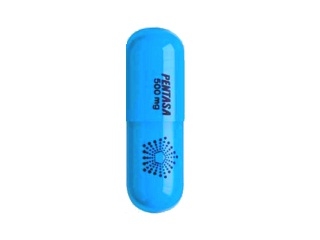
- Typical form: Modified-release granules/tablets (product strength and presentation vary)
- Goal: Reduce inflammation during flare-ups and help prevent symptoms returning
What is Pentasa?
Pentasa is a brand of mesalazine medicines. Mesalazine is an anti-inflammatory agent used in inflammatory bowel disease (IBD). It works locally in the gastrointestinal tract to help control symptoms such as diarrhoea, rectal bleeding, abdominal discomfort, and urgency.
In the UK, Pentasa is commonly prescribed/dispensed for ulcerative colitis and, in some cases, Crohn’s disease where inflammation affects the small bowel and/or colon.
How Pentasa works (mechanism of action)
Mesalazine helps reduce inflammation in the bowel lining through several complementary actions:
- Local anti-inflammatory effect: Mesalazine acts at the site of inflammation within the gut.
- Reduction of inflammatory mediators: It can interfere with the production of substances involved in inflammation (for example, prostaglandins and leukotrienes).
- Antioxidant activity: Mesalazine may help reduce oxidative stress in inflamed tissues.
- Modulation of immune responses: It can influence inflammatory pathways in the intestinal mucosa.
Important note: Pentasa is designed to deliver mesalazine effectively to the bowel. Many forms are modified-release, meaning the drug is released along the intestinal tract rather than all at once.
Pharmacokinetics (how the body handles it)
Pharmacokinetics describes how the medicine is absorbed, distributed, metabolised, and eliminated.
- Absorption: Mesalazine has limited systemic absorption. Much of its effect is local in the intestinal lining.
- Distribution: The main site of action is the gastrointestinal tract. Small amounts may circulate in the bloodstream.
- Metabolism: Mesalazine is converted to N-acetyl-5-aminosalicylic acid (N-acetyl-ASA), mainly in the gut wall and liver.
- Elimination: Both mesalazine and its metabolites are primarily eliminated via the kidneys into urine.
Why this matters: Because elimination involves the kidneys, kidney function is important for safe use, particularly in patients with existing kidney disease or those taking other medicines that can affect kidneys.
Typical use in the UK
Pentasa is used in inflammatory bowel disease, most often:
Indications
- Ulcerative colitis:
- To treat active disease (flare-ups)
- To help maintain remission (reduce the chance of relapse)
- Crohn’s disease (in selected cases):
- For mild-to-moderate disease affecting the bowel, depending on individual assessment
- Often considered when inflammation is primarily in the small intestine and/or colon
Not for: Pentasa is not an immediate pain-relief or fast-acting antidiarrhoeal. It works by reducing inflammation, so benefits develop over time.
When and how to take Pentasa (timing and practical routine)
Correct timing and adherence are important for maintaining drug levels in the gut.
Timing
- Take doses at the same times each day to help maintain steady exposure.
- Some modified-release presentations are taken once or multiple times daily depending on the prescribed regimen and product strength.
- If you miss a dose, follow the instructions provided with your medicine or ask a pharmacist for advice.
Food interactions and taking with meals
For most patients, Pentasa can be taken with or without food. However, food can affect comfort and digestion. Many people find it easier to take with meals to reduce stomach upset.
- Typical approach: Take with water. You may take with food if it helps with tolerability.
- Consistency matters: Try to keep meals and timing consistent day-to-day.
How to take modified-release forms
Because Pentasa products are designed for intestinal release, it is important to handle them as directed:
- Do not crush or chew modified-release granules/tablets unless the product instructions say you may.
- Take with sufficient water.
- If you have difficulty swallowing, ask your pharmacist about your specific presentation.
How long does it take to work?
Response varies between individuals and depending on whether the medicine is being used for an active flare or maintenance.
- Early effects: Some people notice improvements within days.
- Full benefit: It may take several weeks to achieve maximal control of symptoms.
- Maintenance: Even when you feel well, continuing therapy may help prevent relapse.
If symptoms worsen or do not improve, contact a healthcare professional promptly for review.
Dosing (general guidance for UK patients)
Important: The exact dose depends on the condition, severity, product strength, and your individual treatment plan. Always follow the regimen provided with your medicine.
Common dosing patterns
The following ranges are general examples often used for mesalazine in IBD. Your pharmacist/clinician will tailor your dose:
- Ulcerative colitis: Often taken in divided doses (for example, multiple times per day) or sometimes once daily depending on the product and severity.
- Crohn’s disease (selected cases): Dosing may be similar to ulcerative colitis, tailored to how much bowel is affected.
Typical approach to missed doses
- If you miss a dose, take it as soon as you remember unless it is close to the next dose.
- Do not take a double dose to make up for a missed one.
For personalised advice, consult your pharmacist and keep a record of your dosing schedule.
Safety profile and monitoring
Pentasa is generally well tolerated for many patients. As with all medicines, it can cause side effects, and some risks require monitoring.
Common side effects
- Headache
- Nausea or stomach discomfort
- Diarrhoea (may overlap with disease symptoms, so review if new or severe)
- Abnormal liver tests (less common)
Serious but less common reactions
Seek urgent medical advice if you experience signs of a serious allergy or complications, such as:
- Severe allergic reactions: swelling of the face/lips, difficulty breathing, widespread rash
- Kidney problems: reduced urine output, swelling of the legs/face, persistent flank pain
- Blood disorders: unusual bruising, persistent sore throat, fever, weakness
Kidney and blood monitoring
Because mesalazine is eliminated through the kidneys and can occasionally affect blood counts and inflammation markers, clinicians often arrange monitoring such as:
- Renal function tests (creatinine/eGFR)
- Full blood count
- Liver function tests (in some cases)
Your monitoring schedule may vary. If you have kidney disease, are elderly, or take medicines that can affect kidney function, monitoring may be more frequent.
When to be extra cautious
- History of kidney disease
- History of hypersensitivity to salicylates or similar medicines
- Existing liver problems
- Asthma and known sensitivity to anti-inflammatory medicines
Alcohol interactions
There is no direct, universally established “dangerous” interaction between mesalazine and alcohol. However, alcohol may:
- Worsen bowel symptoms in some people with IBD (diarrhoea, urgency, abdominal discomfort)
- Increase dehydration risk if diarrhoea is active
Practical tip: If you choose to drink alcohol, keep it moderate and consider avoiding alcohol during flare-ups, when the bowel is more sensitive.
Medicine interactions (including common examples)
Most people can take Pentasa without major interaction problems, but interactions can occur—especially involving the kidneys or the gastrointestinal system.
Medicines that may require extra caution
- Kidney-affecting medicines (e.g., some non-steroidal anti-inflammatory drugs/NSAIDs, certain diuretics, or other drugs known to affect renal function)
- Immunosuppressants (often used in IBD; your clinician will coordinate monitoring)
- Anticoagulants (warfarin-like medicines): monitoring may be needed if changes occur in diet, gut absorption, or health status
- Azathioprine/6-mercaptopurine (if used together, blood monitoring may be more important)
Herbal supplements
Herbal products can also affect the liver or kidneys or increase side effects in combination. Tell your pharmacist about anything you take, including supplements.
Always inform your pharmacist
Before starting or stopping any other medication, check for interactions—particularly if you have:
- Existing kidney or liver disease
- Frequent dehydration/diarrhoea
- Multiple medications
Practical use tips for best results
- Adhere to your schedule: Missing doses can reduce effectiveness, especially for maintenance.
- Keep granules/tablets intact: Do not crush or chew unless instructed; modified-release delivery depends on correct handling.
- Hydration: Maintain good fluid intake, especially during flare-ups or if you have diarrhoea.
- Track symptoms: A diary can help you notice patterns (food triggers, stress, missed doses).
- Know warning signs: Contact a healthcare professional if you develop fever, rash, persistent severe abdominal pain, or reduced urine output.
- Regular monitoring: Attend blood/urine tests if arranged by your clinician.
Alternative options (if Pentasa is not suitable)
Mesalazine medicines are available in different formulations. If Pentasa is unsuitable due to side effects, delivery concerns, or cost/availability, alternatives may include:
Other mesalazine preparations
- Different brands of mesalazine (formulation and release pattern may differ)
- Other modified-release formulations designed to target specific bowel segments
Non-mesalazine options (depending on disease and severity)
- Corticosteroids for short-term flare control (not for long-term maintenance in most patients)
- Immunomodulators in selected cases
- Biologic therapies for moderate-to-severe IBD or when other treatments fail
Your treatment plan should be individualised. A clinician may switch formulation rather than change class if mesalazine is the right therapeutic goal.
UK market and legal context (overview)
In the United Kingdom, mesalazine products for IBD are established therapies used under national clinical practice and specialist guidance. Medicines are regulated by the Medicines and Healthcare products Regulatory Agency (MHRA). Packaging, labelling, pharmacy supply arrangements, and patient information are designed to support safe use.
For online pharmacy supply, medicines are provided in line with UK regulations and standard pharmacy processes, including identity checks and compliance with applicable legal requirements.
Recent guidance and clinical practice (general points)
Clinical management of ulcerative colitis and Crohn’s disease is supported by guidance from UK and international bodies and is refined over time as new evidence emerges. In general, mesalazine therapy remains a core option for many patients with mild-to-moderate ulcerative colitis and selected Crohn’s disease cases, particularly for people seeking oral therapy that targets bowel inflammation.
Practical takeaway for patients: Many treatment plans focus on using anti-inflammatory therapy early in a flare and continuing suitable medication during remission to reduce relapse risk. Your clinician may adjust treatment based on symptom activity, disease extent, and laboratory results.
Delivery and availability (UK online pharmacy)
Availability can vary by strength and presentation. When ordered from a UK online pharmacy, you can generally expect:
- Home delivery: Delivered to your registered address (delivery times vary by stock and courier service).
- Packaging: Supplied in manufacturer/approved pharmacy packaging with patient information.
- Stock updates: If a product is temporarily unavailable, the pharmacy may offer an alternative formulation where appropriate.
Check the website for current stock status, delivery options, and estimated dispatch times. If you need a specific strength or formulation, it can help to confirm availability before ordering.
Frequently Asked Questions (FAQ)
1) Is Pentasa the same as mesalamine?
Yes. Mesalazine is the UK/EU name for the active medicine; mesalamine is the same drug name used in some other countries. Pentasa contains mesalazine.
2) Can I take Pentasa during a flare-up?
Pentasa is used to treat active inflammatory bowel disease and to maintain remission. If you are already taking it, continue as directed unless a clinician advises otherwise. If symptoms are severe or worsening, seek medical advice promptly.
3) How should I take Pentasa granules/tablets?
Follow the instructions for your specific product. Modified-release forms are designed to release medication along the bowel. Do not crush or chew modified-release presentations unless the package instructions say you may. Take with water.
4) What if I miss a dose?
Take it when you remember unless it is close to the next scheduled dose. Do not take a double dose. If you are unsure, ask a pharmacist for guidance.
5) Does Pentasa interact with food?
Most patients can take Pentasa with or without food. Taking with meals may improve comfort. Keep your routine consistent and follow your product-specific directions.
6) Can I drink alcohol while taking Pentasa?
There is generally no direct, unavoidable interaction. However, alcohol can worsen gut symptoms in some people and may increase dehydration risk during diarrhoea. Moderate intake and avoiding alcohol during flare-ups are sensible precautions.
7) What side effects should I watch for?
Common side effects include headache, nausea, and stomach discomfort. Seek urgent medical advice for signs of allergy, kidney problems (e.g., reduced urine output, swelling), or significant fever, rash, or persistent unusual bleeding or bruising.
8) Will I need blood or urine tests?
Many patients have periodic monitoring to check kidney function and blood counts, especially early in treatment or if risk factors are present. Your clinician will advise what schedule applies to you.
9) Can I take other medicines with Pentasa?
Some medicines require caution, particularly those that affect the kidneys or blood. Tell your pharmacist about all medicines and supplements, including over-the-counter products.
10) What are my alternatives if Pentasa doesn’t work?
If symptoms persist, your clinician may adjust the mesalazine formulation or dose, switch to another mesalazine product, or consider other therapies depending on your diagnosis, severity, and test results.
Summary
Pentasa (mesalazine/mesalamine) is an anti-inflammatory medicine used for inflammatory bowel diseases such as ulcerative colitis and, in selected cases, Crohn’s disease. It works largely in the bowel lining, helping to reduce inflammation. For many patients, it is used both to treat flares and to maintain remission. Consistent dosing, correct use of modified-release forms, and appropriate monitoring—especially of kidney function—are key to safe and effective treatment.
Seek medical advice if symptoms worsen, you develop fever or rash, or you notice reduced urine output or swelling. Your pharmacist can also help with questions about timing, missed doses, and interactions with other medicines.
Product information at a glance
| Category | Details |
|---|---|
| Active ingredient | Mesalazine (mesalamine) |
| Primary use | Inflammatory bowel disease: ulcerative colitis (active and maintenance), selected Crohn’s disease cases |
| How it works | Local anti-inflammatory action in the gut; reduces inflammatory mediators and oxidative stress |
| Absorption | Limited systemic absorption; designed for local intestinal effect |
| Elimination | Primarily via the kidneys (monitoring may be needed) |
| Typical dosing | Depends on disease and product strength; follow your regimen |
| Food interaction | Usually can be taken with or without food; take consistently and follow product instructions |
| Alcohol | Generally no direct interaction, but alcohol may worsen symptoms during flare-ups |
| Key safety points | Watch for allergy signs and kidney-related symptoms; periodic monitoring as advised |