
Protonix (Pantoprazole) – Patient Guide (UK)
Protonix contains pantoprazole, a medicine that reduces stomach acid. It is used to treat and prevent conditions caused by overproduction of acid, including gastro-oesophageal reflux disease (GORD), reflux-related heartburn, and certain ulcers. This guide explains how Protonix works, how to take it safely and effectively, and what to expect.
Quick product facts
| Feature | Details |
|---|---|
| Active ingredient | Pantoprazole |
| Medicinal group | Proton pump inhibitor (PPI) |
| Common uses | GORD, heartburn, acid-related stomach/oesophagus conditions |
| How it works | Reduces acid production in the stomach |
| Typical dosing pattern | Once daily for many uses; timing is usually before food |
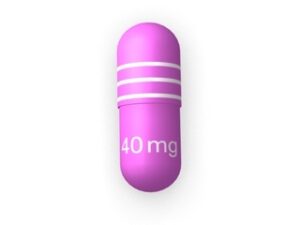
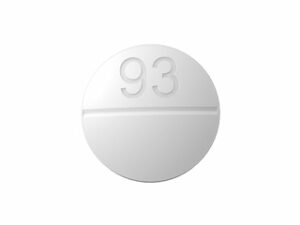
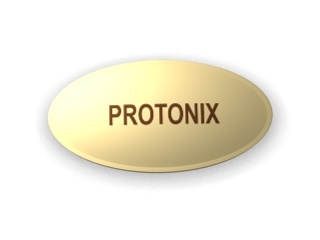
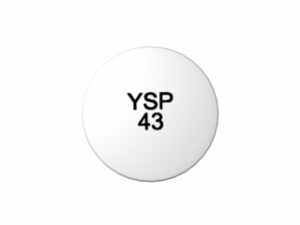
| Formulations | Tablets (and sometimes other strengths/forms depending on product availability) |
What is Protonix?
Protonix (pantoprazole) is a proton pump inhibitor (PPI). PPIs are among the most effective medicines for reducing stomach acid. Protonix is used to help heal the lining of the oesophagus and stomach when acid causes damage, and to relieve symptoms such as burning in the chest and sour taste.
In the UK, pantoprazole is widely used in clinical practice for acid-related conditions. Availability and pack sizes may vary between pharmacies. Always check the specific strength on your pack and follow the instructions provided with your medicine.
How Protonix works (mechanism of action)
Protonix works by blocking the “proton pump” in the stomach wall. This pump is responsible for producing the final step of stomach acid secretion. By inhibiting this process, pantoprazole:
- reduces the amount of acid produced by the stomach
- allows healing of inflamed or damaged tissue in the oesophagus and stomach
- helps prevent symptoms that occur when acid flows back into the oesophagus
Important note: PPIs like pantoprazole are not immediate “antacids.” They work best when taken consistently and allow time for the stomach’s acid pumps to be inhibited. Many people notice symptom improvement within a few days, but healing may take longer depending on the condition.
Pharmacokinetics: how the body handles pantoprazole
Pharmacokinetics describes how the medicine is absorbed, processed, and eliminated in the body. While individual responses vary, pantoprazole generally behaves as follows:
- Absorption: Pantoprazole is absorbed after swallowing the tablet. Because it is designed to withstand stomach acid, it can act in the intended location in the digestive system.
- Onset of action: Acid suppression begins after dosing, but maximal effect may take a few days with regular use.
- Metabolism: It is mainly processed by the liver through drug-metabolising enzymes (notably the CYP system).
- Elimination: It is eliminated from the body primarily via the kidneys and/or through metabolic breakdown products.
For people with severe liver disease or significant interactions with other medicines, clinicians may adjust the approach and monitor safety more closely. If you have liver problems, discuss suitability and monitoring with a healthcare professional.
Typical uses and indications (what it treats)
Protonix is used for conditions linked to stomach acid. Common indications in the UK include:
- Gastro-oesophageal reflux disease (GORD): relief of symptoms such as heartburn and regurgitation, and treatment of inflammation (oesophagitis) when present.
- Reflux-related erosions and ulceration of the oesophagus or stomach lining caused by acid.
- Prevention of certain ulcer complications in people at risk, particularly when taking medicines that can irritate the stomach (for example, some anti-inflammatory drugs).
- Zollinger–Ellison syndrome and other rare conditions characterised by excessive acid production.
The exact reason for use and the correct dose depends on your diagnosis and risk factors. If you are unsure why Protonix was recommended, check with a pharmacist or clinician.
How to take Protonix: timing and dosing
General timing guidance (important)
For most people, Protonix is taken once daily before food to improve effectiveness. A common approach is:
- Take in the morning about 30–60 minutes before breakfast, unless your instructions say otherwise.
- Swallow the tablet whole with water—do not crush or chew unless your specific product instructions allow it.
- If you miss a dose, take it when you remember unless it is close to your next dose (follow the specific instructions on your pack).
If Protonix is prescribed as part of a regimen that includes other medicines (for example, for eradication of Helicobacter pylori or ulcer prevention), timing instructions may differ. Always follow the plan provided with your treatment.
Typical dosing ranges (how much is commonly used)
Doses can vary based on the condition, symptom control, and individual factors such as liver function. The following gives a practical overview of commonly used regimens; your pack or clinician’s instructions are the final guide:
| Condition | Typical adult approach (may vary) | Notes on timing |
|---|---|---|
| GORD symptoms | Often once daily | Usually before breakfast |
| Erosive oesophagitis | May require higher strength or longer course | Once daily is common |
| Ulcer prevention in at-risk patients | Once daily maintenance in many cases | Before a meal |
| Zollinger–Ellison syndrome | Often higher doses and individualised schedule | May be split dosing depending on needs |
Do not change the dose without advice, and do not use Protonix longer than needed. Long-term use should be reviewed regularly, especially for people without ongoing risk factors.
How long does it take to work?
- Some symptom relief may be felt within a few days.
- Healing of irritated oesophagus or stomach lining may take longer, often several weeks depending on the condition.
- If symptoms do not improve or worsen, seek medical advice.
Food interactions: can you take Protonix with meals?
Food can affect how well PPIs work. The most reliable approach is taking Protonix before food, because this helps ensure the drug is present when the stomach pumps are most active. If Protonix is taken with or after food, acid suppression may be less consistent.
- Best timing: 30–60 minutes before breakfast.
- If you take it at another time: take it before the meal that is most relevant to your schedule.
- Swallow whole: do not crush or chew tablets.
Can you eat normally?
Yes. Protonix reduces acid, which may improve tolerance of meals. However, diet and lifestyle also influence reflux symptoms. Some people find that reducing trigger foods (such as very fatty meals, peppermint, chocolate, and alcohol) helps alongside treatment.
Alcohol and medicine interactions
Alcohol
Alcohol can worsen reflux symptoms in some people by relaxing the lower oesophageal sphincter and increasing irritation. While Protonix reduces acid, drinking alcohol may still trigger heartburn. For best symptom control, consider limiting alcohol—especially if you notice a clear relationship between alcohol and symptoms.
Interactions with other medicines
Pantoprazole can interact with other medicines in several ways. Some medicines require acid for absorption or have metabolism pathways influenced by liver enzymes. Always check your medicine list with a pharmacist if you are taking multiple products.
Examples of interaction categories (not exhaustive):
- Medicines that depend on stomach acidity for absorption: certain antifungal agents and some medicines for infection may be affected by reduced acid.
- Anticoagulants (blood thinners): PPIs may affect bleeding risk indirectly or interact with metabolism; people taking warfarin or similar medicines may need monitoring.
- Metabolised by liver enzymes: pantoprazole has a metabolism route involving the CYP system, so interactions may occur with drugs that share the same pathways.
- Other acid-lowering medicines: combining PPIs with other acid blockers may not be necessary unless advised.
Alcohol + medicine caution: alcohol may increase the risk of stomach irritation and can reduce overall safety. If you experience dizziness, unusual bruising, black stools, or persistent abdominal pain, seek advice promptly.
Safety profile: who should take care?
Protonix is generally well tolerated. However, like all medicines, it can cause side effects and may not be suitable for everyone. The list below is a patient-friendly overview—if you are concerned about a specific symptom, consult a pharmacist or clinician.
Common side effects
- Headache
- Nausea or stomach discomfort
- Diarrhoea or constipation (bowel habit changes)
- Flatulence (wind)
Less common but important to recognise
- Allergic reactions (such as rash, itching, swelling)
- Severe persistent diarrhoea (especially if watery or with fever)
- Unexplained weakness or dizziness
Seek urgent medical advice if
Call for urgent advice or seek medical attention if you notice any of the following:
- Blood in vomit
- Black/tarry stools
- Severe or worsening abdominal pain
- Unexplained weight loss
- Difficulty swallowing or pain when swallowing
- Persistent vomiting
- Signs of a serious allergic reaction (breathing difficulty, facial swelling)
Long-term safety considerations
Many people use PPIs for a limited period. If Protonix is taken long-term, healthcare professionals generally review whether continuing treatment is still necessary and at the lowest effective dose. Long-term use has been associated with certain risks, including changes related to minerals and vitamin absorption, and an increased risk of infections in some cases. These risks do not mean you should stop abruptly—discuss your plan with a pharmacist or clinician.
Practical use tips for better results
- Choose a consistent routine: take it at the same time each day, ideally before breakfast.
- Give it time: if symptoms are daily, it may take several days to feel full benefit.
- Don’t double-dose: if you miss a dose, follow the instructions in your pack.
- Use symptom tracking: note when heartburn occurs and whether timing of meals and alcohol affects you.
- Consider lifestyle changes: elevating the head of the bed, avoiding late meals, reducing alcohol, and maintaining a healthy weight can significantly improve GORD.
- Be cautious with non-prescription “extra” acid relief: some people add antacids or alginates. This may be appropriate, but avoid unnecessary stacking of products unless advised.
Alternative options to Protonix
Depending on your condition and severity, alternatives may include:
Other proton pump inhibitors (PPIs)
- Omeprazole
- Esomeprazole
- Lansoprazole
- Rabeprazole
- Others available in different formulations
H2 receptor antagonists
- Famotidine
- Cimetidine
- Nizatidine (availability varies)
Antacids and alginates
- Antacids can provide short-term relief by neutralising existing acid.
- Alginates form a raft-like barrier that may reduce reflux symptoms after meals.
Protonix is often chosen when stronger or longer-lasting acid suppression is needed. The “best” option depends on your diagnosis, response, and any medicine interactions. A pharmacist can help you compare suitable choices.
Market and legal context (UK)
In the United Kingdom, pantoprazole is a commonly used PPI and is subject to regulatory requirements for supply, labelling, and patient information. Pharmacies must ensure that customers receive appropriate advice and that medicines are supplied in line with UK medicines regulations.
Over time, UK guidance has emphasised the importance of:
- using PPIs only when clinically appropriate
- using the lowest effective dose
- reviewing the need for continuing therapy, especially for long-term use
- considering deprescribing where symptoms have resolved and risk is low
Recent guidance and best-practice themes
UK practice commonly follows principles found across clinical pathways and professional guidance: careful indication, dose optimisation, and review. While recommendations may be updated, current best practice generally supports:
- Confirming the diagnosis (for example, persistent symptoms may require assessment).
- Assessing “alarm” symptoms (such as weight loss, difficulty swallowing, gastrointestinal bleeding).
- Using PPIs for the shortest effective duration when possible.
- Reviewing ongoing therapy at intervals and considering step-down or alternative approaches when appropriate.
If you have been taking a PPI for months or years, do not stop suddenly without advice. Some people experience rebound acid symptoms. A gradual step-down plan may be recommended by a healthcare professional.
Delivery and availability in the UK
Protonix (pantoprazole) is commonly stocked by UK pharmacies and may be available in different strengths depending on local supply. Availability can vary due to demand and distribution schedules.
- Delivery: Delivery times depend on the chosen service (standard or express) and your location within the UK.
- Packaging: Medicines are supplied in appropriate manufacturer packaging with clear labelling.
- Stock status: If a particular strength or pack size is temporarily unavailable, the pharmacy may offer an alternative product where suitable.
To avoid delays, ensure your delivery details are accurate and keep an eye on tracking updates if provided.
FAQ – Protonix (Pantoprazole)
1) When is the best time to take Protonix?
Most people take Protonix 30–60 minutes before breakfast. If your routine requires a different meal time, take it before that meal. Consistency is key.
2) Will Protonix work immediately?
It usually starts working after the first dose, but maximal effect may take a few days. If symptoms are severe, your clinician or pharmacist may suggest temporary symptom relief (for example, antacids/alginates) during the initial period.
3) Can I take Protonix with food?
You can take it with water, but for best results take it before meals. Taking it after eating may reduce effectiveness.
4) What if I miss a dose?
If you miss a dose, take it when you remember unless it is close to the next scheduled dose. Do not take a double dose to make up for a missed tablet. Follow the instructions on your pack.
5) Does alcohol affect Protonix?
Alcohol can worsen reflux symptoms for some people, even though Protonix reduces acid. If you notice symptoms after alcohol, reducing intake may improve comfort.
6) Can Protonix be taken with other medicines?
Many medicines can be taken alongside Protonix, but interactions are possible. If you take regular medication (especially blood thinners, antifungals, or multiple liver-metabolised drugs), check with a pharmacist to confirm suitability.
7) Are there long-term risks?
Long-term PPI use may carry certain risks and should be reviewed regularly. Many people can use PPIs safely, but ongoing therapy should be assessed periodically to ensure the lowest effective dose and continued need.
8) Who should seek medical advice before using Protonix?
Seek medical advice if you have alarm symptoms (such as black stools, vomiting blood, unexplained weight loss, trouble swallowing, or persistent severe pain), if you have significant liver disease, or if you’re unsure about the cause of symptoms.
9) What are the lifestyle changes that can help GORD?
Common helpful steps include avoiding late meals, reducing spicy/fatty foods if they trigger symptoms, limiting alcohol, stopping smoking if applicable, maintaining a healthy weight, and raising the head of the bed.
10) What alternatives exist if Protonix doesn’t help?
If symptoms persist despite proper use, a pharmacist or clinician may review the diagnosis, dosing timing, and possible interactions. Alternatives can include a different PPI, an H2 antagonist, or add-on therapies such as alginates. Persistent symptoms may require further assessment.
Summary
Protonix (pantoprazole) is a proton pump inhibitor that helps control acid-related conditions such as GORD and reflux symptoms. For best results, it is usually taken before food, and consistent daily use improves effectiveness. If you develop alarm symptoms or your condition does not improve, seek medical advice promptly.
If you would like, share the strength on your pack and how you plan to take it (morning or evening). A pharmacist can help confirm that your timing and routine are likely to support the best results.