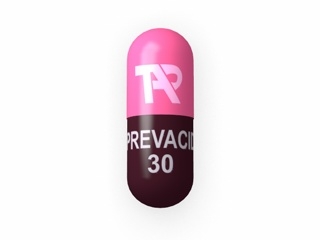

Prevacid (Lansoprazole) – Patient Guide (UK)
Prevacid contains the medicine lansoprazole, a proton pump inhibitor (PPI). It reduces the amount of acid your stomach makes. This can help relieve symptoms caused by acid and allow damaged tissue to heal.
This page explains what Prevacid is used for, how it works, how to take it safely, and what to consider with food, alcohol, and other medicines. It also includes practical tips and answers to common questions for people in the United Kingdom.
Quick product information
| Feature | What it means |
|---|---|
| Medicine | Prevacid (lansoprazole) |
| Type | Proton pump inhibitor (PPI) |
| How it helps | Reduces stomach acid production |
| Common uses | Heartburn/acid reflux (GORD), stomach/duodenal ulcers, and related conditions |
| Typical dosing time | Usually taken once daily before food (often before breakfast), depending on the condition |
| How long it takes | Symptoms may improve within days; healing may take weeks |
How Prevacid works (mechanism of action)
Lansoprazole belongs to a group of medicines called proton pump inhibitors. Proton pumps are specialised “acid pumps” located in the stomach lining (parietal cells). They are responsible for producing hydrochloric acid.
Prevacid:
- Blocks the proton pump activity, leading to a reduction in acid secretion
- Because it acts at the pump level, its effect lasts even after the dose has been taken (acid production gradually recovers)
- Helps relieve symptoms such as heartburn, acid regurgitation, and stomach pain related to excessive or problematic acid
Important: PPIs work best when the stomach’s acid pumps are actively being switched on. That is why timing (taking before food) matters.
Pharmacokinetics – how the body handles lansoprazole
“Pharmacokinetics” describes how a medicine is absorbed, distributed, broken down, and eliminated.
- Absorption: Lansoprazole is absorbed after you take it by mouth. Its absorption can be affected by stomach acid levels.
- Peak effect: The medicine is converted to its active form in the acidic environment of the stomach.
- Metabolism: It is mainly metabolised in the liver (primarily by CYP enzymes).
- Elimination: Metabolites are excreted mostly via urine and faeces.
- Onset of action: Symptom improvement is often noticed within the first few days, while full healing depends on the condition being treated.
If you have liver problems, your healthcare team may adjust the dose, as lansoprazole exposure can be higher.
Typical uses and indications in the UK
Prevacid is used for a range of acid-related conditions. Common indications include:
- GORD (gastro-oesophageal reflux disease): Relief of heartburn and acid regurgitation, and healing of inflammation in the oesophagus (oesophagitis).
- Peptic ulcer disease: Healing of gastric (stomach) and duodenal (small intestine) ulcers.
- Prevention of ulcer recurrence in appropriate patients, particularly those at risk.
- Acid-related symptoms: Such as upper abdominal discomfort linked to excessive acid production.
- Helicobacter pylori–related conditions: Lansoprazole may be used as part of combination therapy alongside antibiotics and other medicines (when advised by a clinician).
Reflux symptoms can have other causes. If you have persistent symptoms, difficulty swallowing, bleeding, unexplained weight loss, or vomiting, seek medical advice promptly.
Dosing – how to take Prevacid
Dosing depends on the condition being treated, severity, and your personal medical history. Below are general UK-oriented dosing patterns. Always follow the dosing instructions provided by your healthcare professional or the medicine label.
Typical adult dosing patterns
- Once daily dosing is common for reflux and ulcer healing.
- For some conditions, clinicians may use twice daily dosing.
Common timing: Many people take lansoprazole before breakfast or before the first meal of the day.
How to take it (step-by-step)
- Check your dose and follow the label instructions.
- Take it before food: swallow as directed (do not crush or chew unless the product instructions specifically say you can).
- If you are taking a dose twice daily, take the second dose before your evening meal (or as advised).
- Keep taking it regularly even if symptoms improve.
Missed dose: Take it when you remember unless it is close to the time for your next dose. Do not take a double dose to make up for a missed one.
When to take Prevacid – timing matters
For PPIs, timing is one of the most important practical factors for best effect.
Best practice: Take Prevacid at least 30 minutes before food (often 30–60 minutes before breakfast). This helps ensure the active drug is available when the acid pumps are being stimulated.
If you find you cannot take it before breakfast, talk to a healthcare professional or pharmacist about the best alternative schedule for you.
Taking with other medicines
Some medicines need careful spacing due to absorption changes. Your pharmacist can advise whether you need to separate doses.
Food interactions – what to know
Lansoprazole is affected by the timing relative to meals. In general:
- Take before meals for best results.
- Food does not “stop” the medicine but may reduce how effectively it works compared with taking it pre-meal.
- For people with nausea or swallowing difficulties, ask a pharmacist for product-specific guidance.
Note: Lansoprazole can reduce stomach acidity, which may influence absorption of certain medicines (for example, some antifungals or iron preparations). If you take multiple medicines, it is worth checking interactions.
Alcohol and lansoprazole interactions
There is no universally required complete avoidance of alcohol with lansoprazole, but alcohol can worsen reflux symptoms for many people. Alcohol may:
- Increase irritation of the oesophagus and stomach
- Trigger symptoms such as heartburn and regurgitation
- Reduce the overall effectiveness of symptom control, even if acid is lowered by the medicine
If you choose to drink alcohol, consider keeping it moderate and observe whether symptoms worsen. Seek medical advice if you drink heavily or have a history of alcohol-related liver problems.
Medicine interactions – key considerations
Lansoprazole can interact with other medicines through effects on liver metabolism and stomach acidity. Always review your current medicines with a pharmacist, especially if you take several long-term therapies.
Examples of interaction considerations
- Medicines affected by stomach acidity: Lower acid may change absorption of some drugs.
- Drugs metabolised by the liver: Lansoprazole may affect enzymes involved in breaking down certain medicines.
- Medicines used for blood clotting: Some interactions can be clinically relevant—monitoring may be required if you take anticoagulants.
- Antibiotics for H. pylori: Combination regimens often include lansoprazole with other medicines. Follow the full course exactly as directed.
What to do
- Tell your pharmacist about all medicines you take, including over-the-counter products and herbal supplements.
- Do not start or stop medicines without checking, particularly if you take long-term therapy.
- If you notice unexpected side effects after starting or changing doses, contact a healthcare professional promptly.
Safety profile – who should take care
Most people tolerate lansoprazole well. However, like all medicines, it has potential side effects and precautions.
Common side effects
- Headache
- Dizziness
- Diarrhoea or constipation
- Nausea, abdominal discomfort
- Flatulence (wind)
Seek urgent medical advice if you develop
- Signs of allergy: swelling of the face/lips, difficulty breathing, severe skin rash
- Severe or persistent diarrhoea, especially with fever or blood in stool
- Black stools or vomiting blood
- Unintentional weight loss, difficulty swallowing, or persistent vomiting
Long-term use – important considerations
PPIs may be used for weeks to months, and in some cases longer-term. If you need lansoprazole for an extended period, regular review is important. Long-term use may be associated with:
- Low magnesium in some people
- Low vitamin B12 over time
- Higher risk of certain gut infections due to reduced stomach acidity
- Bone-related concerns with prolonged use in some individuals
These risks do not mean everyone should avoid PPIs, but they support the UK practice of using the lowest effective dose for the shortest appropriate duration, with review if treatment continues.
Special populations
- Children and adolescents: Dosing varies by age and indication; follow specialist guidance.
- Older adults: Generally tolerated; the risk of side effects may be influenced by existing conditions and other medicines.
- Liver impairment: Dose adjustment may be needed.
- Pregnancy and breastfeeding: Use should be discussed with a clinician to weigh benefits and risks.
Practical use tips for getting the best results
- Keep the routine: Take Prevacid consistently at the same time each day.
- Use the correct timing: Aim to take it before breakfast or before your first meal.
- Give it time: Even if you feel better quickly, complete the course recommended for your condition.
- Don’t “double up” casually: If you miss a dose, follow the missed-dose guidance rather than taking extra.
- Review if symptoms return: If your reflux returns soon after stopping, discuss a maintenance plan and lifestyle changes.
- Track triggers: Common triggers include large meals, late-night eating, spicy/fatty foods, caffeine, and smoking.
Lifestyle measures that often help reflux
- Avoid lying down for 2–3 hours after eating
- Reduce late-night meals
- Eat smaller portions
- Maintain a healthy weight if possible
- Stop smoking
Alternative options to consider
If lansoprazole is not suitable or if you need different symptom control, options may include:
Other PPIs
- Omeprazole
- Pantoprazole
- Esomeprazole
- Rabeprazole
H2-receptor antagonists
- Famotidine (where available)
Antacids and alginate products
- Antacids (for rapid, short-term relief)
- Alginate-based therapies (forming a barrier to reduce reflux symptoms)
Choice depends on your symptoms, frequency of flare-ups, and any underlying conditions. A pharmacist can help compare options.
UK market and legal context (plain English)
In the United Kingdom, medicines such as PPIs are regulated and supplied according to UK medicines legislation and pharmacy standards. Availability can vary based on strength, formulation, and whether a product is intended for pharmacy use or prescription-only routes.
When buying or using Prevacid online, it’s important to:
- Confirm the product strength and formulation match your needs
- Check expiry date and storage instructions
- Ensure you understand the dosing schedule and duration
- Seek advice if you are unsure about suitability or interactions
Branding note: Prevacid is a brand name for lansoprazole. Other brands may contain the same active ingredient.
Recent guidance and best-practice approach in the UK
UK clinical practice commonly emphasises:
- Confirming the diagnosis when symptoms persist or “alarm features” are present
- Using a PPI as appropriate, then reviewing ongoing need
- Using the lowest effective dose and aiming for the shortest duration that controls symptoms and heals
- Checking for H. pylori where relevant in ulcer disease, and treating based on appropriate test and regimen plans
If you are taking a PPI long term, consider scheduling a medication review, especially if symptoms have settled.
Delivery and availability (UK)
Prevacid (lansoprazole) availability can vary by product size and strength. An online pharmacy typically provides:
- Home delivery in the UK
- Tracking updates where offered
- Secure packaging to help protect medicines during transit
Delivery times: These vary by supplier and destination. Check the estimated dispatch and delivery window displayed at checkout.
Storage: Keep the medicine as stated on the packaging (often at room temperature, away from moisture and out of sight of children).
FAQ – Frequently asked questions
1) How quickly does Prevacid work?
Many people notice symptom improvement within a few days. Healing of inflammation or ulcers can take longer, often several weeks depending on the condition and severity.
2) Should I take Prevacid before or after food?
For best effect, take it before food—commonly 30–60 minutes before breakfast (or before your first meal of the day). If you take it after meals, it may work less effectively.
3) Can I stop Prevacid when my symptoms improve?
Sometimes, short courses can be stopped as advised. However, stopping early may lead to symptom return or delayed healing. If you need long-term treatment, it should be reviewed and managed with the help of a healthcare professional.
4) What if I forget a dose?
Take it when you remember unless it’s close to your next dose. Do not take a double dose. If you’re unsure, ask a pharmacist for advice.
5) Is it safe to take Prevacid with other medicines?
Often it is safe, but interactions can occur. Tell your pharmacist about all medicines and supplements you take. Particular attention may be needed if you take blood thinners, certain antifungals, medicines that rely on stomach acidity for absorption, or multiple long-term drugs.
6) Are there any food or drink restrictions?
No strict “no food” rule exists, but taking it before meals is important. Alcohol can worsen reflux symptoms in many people, so moderate intake and symptom monitoring are recommended.
7) Can I take Prevacid long term?
Some people require long-term acid control. If you use PPIs for months or years, you should have regular medication reviews and use the lowest effective dose. Report any new or concerning symptoms promptly.
8) What side effects should I watch for?
Common effects include headache, diarrhoea/constipation, nausea, and stomach discomfort. Seek urgent advice if you develop signs of allergy, severe diarrhoea, bleeding, persistent vomiting, or black stools.
9) Does Prevacid cause vitamin or mineral problems?
Long-term use can be associated with low magnesium or vitamin B12 in some individuals. If you’ve been on a PPI for a long time, discuss monitoring and diet with a healthcare professional.
10) Are there alternatives if Prevacid doesn’t help?
Alternatives may include other PPIs, H2-receptor antagonists, antacids, or alginate products—depending on your symptoms. If symptoms persist, you may need assessment for causes other than reflux.
When to seek medical help
Please seek prompt medical advice if you experience:
- Difficulty swallowing, pain when swallowing, or food sticking in the chest
- Vomiting blood, black/tarry stools, or signs of bleeding
- Unexplained weight loss or persistent vomiting
- Severe chest pain (especially if it could be heart-related)
- Symptoms that do not improve or return quickly after stopping treatment
Disclaimer: This guide is for general information to help you understand Prevacid (lansoprazole). Always follow the instructions provided with your medicine and consult a pharmacist or healthcare professional if you have questions about suitability, dosing, or interactions.