Domperidone (UK) – Patient-Friendly Guide
Domperidone is a medicine used to help relieve certain stomach and gut symptoms, particularly where slowed stomach emptying (gastroparesis) or nausea is involved. In the UK, domperidone is available in different formulations and is used to support digestive comfort and reduce symptoms such as nausea and feeling of fullness.
This guide explains how domperidone works, what it’s used for, how to take it, key safety points (including important heart-rhythm considerations), and what to watch for when combining it with food, alcohol, and other medicines. If you have any concerns or your symptoms worsen, consult a healthcare professional promptly.
Quick facts
- Medicine name: Domperidone
- Common uses: Nausea, vomiting, and symptoms related to slow stomach emptying
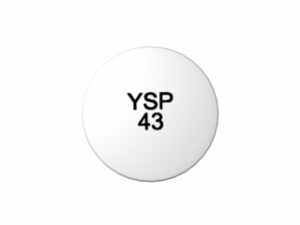
- Available forms (may vary): Tablets and/or oral solutions (depending on the product)
- Key mechanism: Blocks dopamine receptors (helps improve stomach motility and reduce nausea)
- Important safety note: May affect heart rhythm in some people—certain combinations are not recommended
Basic product information
Domperidone belongs to a group of medicines called prokinetics and antiemetics (medicines that help movement through the stomach and reduce nausea/vomiting). Different brands and strengths exist in the UK. Always check the specific product packaging and label instructions.
What it does (at a glance)
Domperidone helps your stomach empty more effectively and can reduce the sensation of nausea. It does this by affecting dopamine signalling in the digestive tract and in the brain’s nausea pathways.
How domperidone works (mechanism of action)
Domperidone works mainly by blocking dopamine (D2) receptors. Dopamine can slow down stomach motility and contribute to nausea. By blocking dopamine receptors, domperidone can:
- Increase stomach contractions and improve gastric emptying
- Reduce nausea and vomiting by acting on the emetic (vomiting) pathway
- Improve symptoms such as early fullness, bloating, and discomfort linked to slow digestion
Compared with some other dopamine-blocking medicines, domperidone generally has less penetration into the brain, which may reduce certain central nervous system side effects. However, safety still depends strongly on dose and individual risk factors (especially for heart rhythm effects).
Pharmacokinetics (how the body handles domperidone)
Pharmacokinetics describes what the body does to a medicine after you take it. While individual results vary, the general patterns for domperidone include:
- Absorption: Domperidone is absorbed from the gastrointestinal tract. Absorption can be influenced by food.
- Peak levels: Blood levels typically rise to maximum values after a dose (timing can vary by formulation and whether you take it with food).
- Distribution: It distributes into body tissues, including the digestive system.
- Metabolism: Domperidone is metabolised mainly in the liver by enzyme systems (notably CYP3A4).
- Elimination: It is eliminated largely through urine and faeces, with variations depending on kidney and liver function.
Because metabolism involves liver enzymes, certain interacting medicines can raise domperidone levels and increase the risk of adverse effects. This is one reason why combining domperidone with some drugs is contraindicated or requires careful monitoring.
Typical use in the UK
Domperidone is used to treat nausea and vomiting associated with digestive disturbances. It may also be used for symptoms suggestive of delayed gastric emptying (for example, gastroparesis or functional dyspepsia with troublesome upper gastrointestinal symptoms).
Indications (what domperidone is for)
In clinical practice, domperidone is commonly indicated for:
- Nausea and vomiting (including that related to impaired gastrointestinal motility)
- Symptoms related to slow stomach emptying, such as:
- Upper abdominal discomfort
- Feeling full quickly
- Post-meal bloating
- Distress after eating
The most appropriate use depends on the exact diagnosis and symptom pattern. If your symptoms persist, recur frequently, or you have red-flag signs (like unexplained weight loss, difficulty swallowing, bleeding, or persistent severe pain), seek urgent medical advice.
How to take domperidone (timing and dosing)
Always follow the instructions provided with your specific product. Dosing can differ by strength, formulation, and age group. Below is general guidance commonly used in adults; your label should confirm your exact regimen.
Timing with meals
Many people find that domperidone works best when taken before meals, especially when the goal is to improve stomach emptying. Taking it after meals may reduce or delay the effect in some individuals.
- For nausea linked to eating: take before meals if your product instructions allow it.
- For vomiting or sudden nausea: follow your dosing instructions; some prescribers advise doses at the time nausea is expected.
Typical adult dosing (general)
In the UK, dosing recommendations for domperidone have been carefully adjusted over time due to heart-rhythm risk. A common approach is to use the lowest effective dose for the shortest possible time, with limits based on product guidance.
Use the exact dosing instructions on your packaging. If you are unsure, check with a pharmacist.
How to use tablets or oral formulations
- Tablets: swallow with water.
- Oral solution: measure with the dosing syringe/spoon provided. Do not estimate.
- Missed dose: take it when you remember unless it is close to your next dose. Do not take a double dose.
- Stop and seek help: if you develop symptoms of allergy or significant side effects (see safety section).
Food interactions (taking with meals)
Food can affect how quickly domperidone reaches peak levels. In general:
- With food: absorption may slow, which can delay onset of symptom relief.
- Before meals: may improve timing of benefit for post-meal symptoms.
If your symptoms are predictable (e.g., always worse after specific meals), discuss timing adjustments with a pharmacist. Do not change dose frequency beyond the label.
Alcohol interactions
Domperidone is not primarily known for a direct “alcohol-drug” chemical interaction in the way some medicines are. However, alcohol can:
- Worsen nausea in some people
- Increase stomach irritation
- Make dizziness or tiredness more noticeable when present
- Make it harder to judge symptom severity
If you choose to drink alcohol, do so cautiously and consider whether it triggers or worsens your symptoms. Seek medical advice if you notice palpitations, faintness, or worsening side effects.
Medicine interactions (important)
Domperidone can interact with other medicines, especially those that: raise domperidone levels (via liver enzyme inhibition) or affect heart rhythm. These interactions can increase the risk of a serious heart rhythm disturbance.
Medicines to avoid or use with caution
Your pharmacist can check your specific combination. As a general guide, be careful with:
- Some antibiotics and antifungals that inhibit metabolism (for example, certain macrolides and azoles)
- Some antidepressants and antipsychotics that can affect the heart rhythm or interact with metabolism
- Some medicines for irregular heartbeat or those that prolong the QT interval
- Some medicines for malaria (certain drugs)
- Levodopa and dopamine agonists: interactions may reduce effectiveness or change effects
Other factors that can increase risk
Even without interacting medicines, heart rhythm risk may be increased if you have:
- Low potassium or low magnesium levels
- Significant heart disease (including existing rhythm problems)
- Bradycardia (very slow heart rate)
- Certain liver problems (because metabolism may be affected)
- Use of medicines that prolong QT interval
What to do
- Tell your pharmacist about all medicines you take (including over-the-counter, herbal products, and supplements).
- If you have a history of heart rhythm issues, mention this specifically.
- Do not combine domperidone with medicines known to interact unless a healthcare professional advises it is safe.
Safety profile and side effects
Most people tolerate domperidone well, but like all medicines it can cause side effects. The safety profile depends on dose, duration, and your personal risk factors—particularly regarding heart rhythm.
Seek urgent help if
Stop using domperidone and seek urgent medical advice if you experience:
- Fainting or near-fainting
- Severe dizziness with palpitations
- Fast or irregular heartbeat that is new or severe
- Allergic reactions such as facial swelling, difficulty breathing, or widespread rash
Common side effects
These may occur, usually mild and temporary:
- Dry mouth
- Headache
- Stomach cramps
- Diarrhoea
- Feeling sleepy or tired (in some people)
Less common but important
- Breast tenderness or enlargement, and/or abnormal milk production (due to hormonal effects linked to dopamine blockade)
- Sexual side effects (may include changes in libido)
- Heart rhythm changes (risk increases with higher doses and certain interacting medicines)
Heart rhythm risk (QT prolongation)
Domperidone can prolong the QT interval in some people, which can rarely lead to serious rhythm disturbances. UK guidance has emphasised using the lowest effective dose and reviewing whether continued use is needed.
Risk is higher when:
- Higher doses are used
- It’s taken together with interacting medicines that also affect heart rhythm or metabolism
- There are underlying heart conditions
- There are low potassium/magnesium levels
- People have significant liver impairment
If you are concerned about heart health, discuss your risk factors with a pharmacist before starting or continuing.
Practical use tips
- Use consistently with your schedule: if symptoms flare after meals, take it according to the timing guidance on your product.
- Keep doses within the label: do not exceed the recommended maximum.
- Check interactions: particularly with certain antibiotics, antifungals, antidepressants, and medicines that affect heart rhythm.
- Track triggers: note which foods or situations worsen nausea or fullness, and adjust meal size or composition.
- Hydration matters: if vomiting occurs, focus on fluid intake and seek medical advice if you cannot keep fluids down.
- Stop and get advice: if symptoms do not improve or you develop new concerning symptoms.
When domperidone may not be suitable
Domperidone may be unsuitable for some people, depending on medical history and current medicines. Extra caution is needed if you:
- Have a history of heart rhythm problems or significant cardiac disease
- Have liver impairment
- Have low levels of potassium and/or magnesium
- Take medicines that interact with domperidone or prolong QT interval
- Are pregnant, breastfeeding, or planning pregnancy (individual risk-benefit assessment is important)
If any of these apply, speak to a pharmacist for personalised guidance.
Alternative options
Depending on the cause of your symptoms (for example reflux/heartburn, infection, medication side effects, or functional dyspepsia), alternatives may include:
- Other anti-nausea medicines (choice depends on diagnosis and safety profile)
- Acid-suppressing medicines (such as proton pump inhibitors or H2 blockers) for reflux-related symptoms
- Antispasmodics for cramping or functional gut symptoms (where appropriate)
- Prokinetic alternatives in certain cases, under specialist guidance
- Non-medicine strategies:
- Smaller, more frequent meals
- Reducing fatty/spicy foods if they worsen symptoms
- Staying upright after eating
- Managing constipation and addressing hydration
The most suitable alternative depends on your symptoms and medical history. A pharmacist can help you consider which option best matches the type of digestive problem you’re experiencing.
UK market and legal context (what to expect)
Domperidone is an established medicine in the UK. Like other medicines, it is regulated through the UK medicines framework. Ongoing safety monitoring has influenced how it can be used, particularly regarding heart-rhythm risk. UK availability may differ by formulation, strength, and local pharmacy supply.
Regulatory reviews in recent years have led to emphasis on dose limitations and careful patient selection. For example, risk management has focused on:
- Limiting use to the lowest effective dose
- Reviewing the need for continued use
- Checking for contraindicated drug combinations
- Highlighting risk factors that require special caution
Recent guidance and safety updates (summary)
UK and European safety communications have consistently underlined that domperidone should be used carefully due to the risk of QT prolongation. The typical themes in guidance include:
- Use the lowest effective dose and avoid unnecessary long-term treatment
- Avoid certain interacting medicines that raise domperidone exposure or increase QT risk
- Assess risk factors such as heart disease, electrolyte problems, and liver impairment
- Seek medical advice promptly if symptoms suggest abnormal heartbeat
If you have been taking domperidone for a while, it may be worth a medication review with a pharmacist or GP to ensure the continued approach remains appropriate for you.
Delivery and availability in the UK
Domperidone availability can vary by product type and strength. Online pharmacies typically supply medicines via regulated supply chains and may require you to complete relevant customer checks. Delivery times depend on your location and the courier service used.
Before ordering, please check:
- Product details (strength, form, pack size)
- Expected dispatch and delivery window
- Storage instructions on the pack (often “store below 25°C” unless stated otherwise)
- Availability status (in-stock or backorder)
FAQ
1) What is domperidone used for?
Domperidone is used to relieve nausea and vomiting and to help with symptoms related to slowed stomach emptying (such as early fullness, bloating, and discomfort after eating), depending on your diagnosis and product guidance.
2) When should I take domperidone?
Many people take it before meals for better timing with post-meal symptoms. Follow the dosing instructions on your specific product label, and ask a pharmacist if you’re unsure.
3) Can I take it with food?
Food may affect how quickly domperidone is absorbed and when you feel symptom relief. If your symptoms are mainly after eating, taking it before meals may help. Follow product guidance for your formulation.
4) Does domperidone interact with other medicines?
Yes. Important interactions include medicines that increase domperidone levels or affect heart rhythm (QT interval). Always tell a pharmacist about all medicines and supplements you take.
5) Is domperidone safe for everyone?
Not necessarily. Extra caution is required if you have heart rhythm problems, low potassium/magnesium, liver impairment, or if you take interacting medicines. If you have concerns, consult a pharmacist before starting.
6) What side effects might occur?
Common side effects can include headache, dry mouth, abdominal cramps, or diarrhoea. Seek urgent advice if you faint, develop severe dizziness with palpitations, or signs of an allergic reaction.
7) Can I drink alcohol while taking domperidone?
Alcohol isn’t typically listed as a direct chemical interaction, but it may worsen nausea and stomach symptoms. If you drink, do so cautiously and seek advice if symptoms worsen or you feel unwell.
8) What should I do if I miss a dose?
Take it when you remember unless it’s close to the next scheduled dose. Do not take a double dose.
9) How long can I take it?
Use domperidone for the shortest time needed and review ongoing treatment if symptoms persist. If you are taking it regularly, consider a medication review with a pharmacist or GP.
10) Are there alternatives to domperidone?
Alternatives depend on the cause of symptoms, and may include other anti-nausea options or medicines that reduce acid or treat reflux, as well as lifestyle measures. A pharmacist can help match the option to your symptoms.
Summary
Domperidone can be helpful for nausea, vomiting, and symptoms associated with delayed stomach emptying. It works by blocking dopamine receptors, helping improve digestive motility and reducing nausea. To use it safely, follow the labelled dose and timing, consider how food may affect onset, and—most importantly—check for medicine interactions and personal risk factors relating to heart rhythm. If you’re unsure whether domperidone is appropriate for you, speak to a pharmacist before starting or continuing.