Desmopressin (DDAVP and related brands) – Patient Information for the United Kingdom
Desmopressin is a medicine used to reduce urine production and, in some situations, help the body manage water balance. It is commonly used for conditions such as nocturnal enuresis (bedwetting), central diabetes insipidus, and certain bleeding disorders. This guide explains how desmopressin works, how it is taken, important safety information, and practical tips to help you use it correctly.
| Category | Details |
|---|---|
| Active ingredient | Desmopressin |
| What it does | Helps the kidneys retain water; may also support blood clotting in selected conditions |
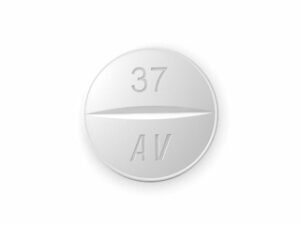
| Common forms | Tablets, melt (sublingual/orodispersible forms), nasal spray/solution (where available), and other licensed presentations depending on UK market |
| Typical dosing frequency | Varies by indication (for example, once or twice daily for diabetes insipidus; often once daily at bedtime for nocturnal enuresis; event-based for bleeding indications) |
| Key risk to be aware of | Low sodium (hyponatraemia) from excessive water retention |
Basic product information
Desmopressin is a synthetic (man-made) version of vasopressin, a natural hormone that reduces water loss from the body. In desmopressin, small structural changes make it act more specifically on the V2 receptors in the kidney (promoting water reabsorption) with reduced effects on blood vessels compared with natural vasopressin.
In the UK, desmopressin products may be supplied under different brand names and in different strengths depending on the formulation. If you are unsure which one you have, check the label and your packaging information for the product name and strength.
How desmopressin works (mechanism of action)
Desmopressin works mainly by mimicking the actions of vasopressin:
- Kidney water reabsorption (V2 action): Desmopressin binds to V2 receptors on cells in the kidney’s collecting ducts. This increases water reabsorption and concentrates urine.
- Reduced urine output: With less water loss in the urine, the body retains more fluid, helping to improve symptoms in conditions where excessive urination occurs.
- Bleeding-related effect (V1-like effects in some contexts): Desmopressin may increase release of factors involved in blood clotting (notably von Willebrand factor and factor VIII) in selected bleeding disorders. The exact approach depends on the condition and clinical guidance.
Pharmacokinetics (how the body processes it)
Pharmacokinetics describes how the body absorbs, distributes, metabolises, and eliminates desmopressin. Values can vary somewhat by formulation and individual factors.
- Absorption: Desmopressin absorption differs by route (for example, oral vs nasal). Oral forms generally have delayed peak levels compared with nasal administration.
- Onset: The effect begins after administration, with peak activity occurring at different times depending on the formulation. Many uses rely on timed dosing for night-time symptom control.
- Distribution: After absorption, desmopressin distributes into the body and acts on the kidneys.
- Metabolism and elimination: Desmopressin is eliminated primarily by the kidneys. Reduced kidney function may increase exposure, raising the risk of side effects such as fluid/electrolyte imbalance.
- Duration of action: Effects typically last long enough to influence urine output for several hours; the exact duration depends on the condition and dose.
Typical uses in the UK
Desmopressin is used for several medical conditions. The appropriate form and dosing schedule depend on your diagnosis and response.
1) Central diabetes insipidus
A condition where the body has reduced production of vasopressin, causing large volumes of dilute urine and thirst. Desmopressin helps reduce urine output and improve fluid balance.
2) Nocturnal enuresis (bedwetting) – where indicated
Desmopressin may be used to reduce nighttime urine production in children and some adults with bedwetting when appropriate. It is usually combined with behaviour measures and advice about fluid intake.
3) Bleeding disorders (selected indications)
Desmopressin may be used in some bleeding conditions to help improve clotting function. In these settings, dosing and monitoring should follow condition-specific clinical protocols.
Timing and practical schedules
Timing is important because desmopressin affects how much urine you produce over a period of time, and it can influence sodium levels.
For central diabetes insipidus
- Daily rhythm: Many people take doses at intervals designed to control urine output across the day and night.
- Follow your schedule: Dosing frequency may change with age, symptoms, and the form used.
For nocturnal enuresis
- Usually taken in the evening: Many regimens use a dose before bedtime to reduce urine production overnight.
- Consistent bedtime: Keeping a regular sleep schedule can help the medicine work predictably.
For bleeding-related indications
- Event-based use: Timing may relate to procedures or bleeding events, and may involve monitoring for response.
Tip: If you miss a dose, do not double up to “catch up” without advice from a healthcare professional or the product’s instructions. Your safest next step depends on why you are taking desmopressin and the formulation.
Food interactions and absorption
Food and drink can affect how desmopressin is absorbed, especially with certain oral formulations. Follow the instructions supplied with your specific product.
- General guidance: Some oral desmopressin products may have reduced or altered absorption when taken with food.
- Consistency matters: If your product leaflet recommends taking it on an empty stomach or with a specific time gap from meals, try to keep to that routine.
- Nasal products: Food generally has less direct impact on nasal absorption, though overall fluid management still matters.
If you tell us the brand name and form (tablet, melt, nasal spray), we can help you locate the exact “how to take” instructions that apply to that specific product.
Alcohol interactions
Alcohol can affect hydration, sleep patterns, and hormone balance. Because desmopressin changes how your body handles water, alcohol may indirectly increase the risk of fluid imbalance.
- Avoid excessive alcohol: Heavy drinking can worsen dehydration or lead to unpredictable drinking patterns, which may increase the risk of side effects.
- Night-time caution: If using desmopressin at bedtime (for example for bedwetting), alcohol may affect sleep and fluid intake, which can complicate symptom control and safety.
If you are concerned about alcohol use, ask your pharmacist or prescriber for personalised advice based on your condition.
Medicine interactions (important)
Desmopressin can increase the chance of low sodium levels if the body retains too much water. Other medicines and conditions that affect water and sodium balance can raise or lower risk.
- Diuretics (especially loop diuretics): These can influence urine output and sodium balance. Some diuretics may reduce desmopressin’s effect, while others may contribute to fluid and electrolyte changes.
- Medicines affecting water balance (antidiuretic-like drugs): Certain medicines can increase water retention. Combined effects may increase the risk of hyponatraemia.
- Other drugs that lower sodium: Some antidepressants and other medicines can contribute to low sodium in susceptible people.
- Non-steroidal anti-inflammatory drugs (NSAIDs): In some contexts, NSAIDs may affect kidney function and increase risk of fluid retention when combined with desmopressin.
- Risk factors: The risk is higher if you drink excessive fluids, have kidney problems, or are taking interacting medications.
Important: Always inform a pharmacist about all medicines you take, including over-the-counter products and herbal supplements. This helps check for potential interactions and to confirm safe fluid guidance.
Indications (when desmopressin is used)
Below is a patient-friendly overview of the common indications. Your exact dose and choice of formulation will depend on your age, diagnosis, and response.
- Central diabetes insipidus: To reduce excessive thirst and urine output caused by insufficient natural vasopressin.
- Nocturnal enuresis: To reduce night-time urine production and help with bedwetting in appropriately selected individuals.
- Some bleeding disorders: To improve clotting factor levels in selected situations under clinical protocols.
Dosing (general principles)
Dosing for desmopressin depends on the condition being treated, the formulation used, age, kidney function, and how your body responds. The most reliable dosing details are the instructions printed on your specific product and provided by your healthcare team.
General dosing principles
- Individualised: The correct dose is tailored to your symptoms and (where relevant) monitoring results.
- Adjustments may be needed: If symptoms don’t improve or side effects occur, the dose may be adjusted.
- Maximum fluid advice: For indications such as bedwetting, fluid intake around the dose is typically restricted to reduce risk of low sodium.
Common dosing patterns (not a substitute for your instructions)
- Diabetes insipidus: Often taken one to several times per day depending on control and formulation.
- Nocturnal enuresis: Usually taken shortly before bedtime as a single dose in many regimens.
- Bleeding-related indications: Dosing may be based on weight and timing relative to an event or investigation.
If you share your age and product form/strength, we can help you interpret typical UK instructions and explain how to take it safely.
Safety profile and side effects
Like all medicines, desmopressin can cause side effects. The most important safety concern is hyponatraemia (low sodium in the blood), which can happen when the body retains too much water.
Serious risk: low sodium (hyponatraemia)
Symptoms can range from mild to severe. Seek medical advice urgently if you or your child develops symptoms such as:
- headache
- nausea or vomiting
- feeling unusually sleepy or confused
- unusual behaviour changes
- muscle weakness or cramps
- seizures (in severe cases)
The risk of hyponatraemia increases with:
- drinking too much fluid, especially near the time of dosing
- very young age or low body weight
- kidney problems
- other medicines that increase water retention or affect sodium levels
Other possible side effects
- Generally: dizziness, stomach discomfort, or headache may occur.
- With nasal products: nasal irritation, nosebleeds, or congestion can occur.
- With oral products: some people may experience nausea or abdominal discomfort.
This list is not exhaustive. If you notice any symptoms that worry you, or if side effects persist, seek advice from a pharmacist or healthcare professional.
Practical use tips (how to take desmopressin safely)
Safe use is strongly linked to fluid management. The guidance below applies generally; always follow the specific instructions for your product and indication.
Fluid intake guidance
- Follow tailored fluid restrictions: For nocturnal enuresis and some other situations, patients are commonly advised to limit fluid intake in the hours around the dose.
- Avoid extra drinks “to compensate”: Taking extra water after a desmopressin dose may increase the risk of hyponatraemia.
- Don’t use to “dry out” overnight without restrictions: The medicine reduces urine output, so thirst and fluid advice must be taken seriously.
Correct administration
- Use the exact dose: Measure or administer precisely according to the instructions.
- Keep timing consistent: For bedtime use, take it close to the intended time, and avoid changing the routine without advice.
- Check the formulation: Different forms (tablets vs oral melts vs nasal sprays) may have different absorption characteristics.
Monitoring in children and higher-risk groups
- Encourage symptom reporting: In children, be alert for unusual fatigue, headaches, vomiting, or behaviour changes after doses.
- Possible sodium checks: In some clinical situations, blood sodium monitoring may be recommended, especially if symptoms suggest imbalance or if risk factors are present.
Missed dose, overdose, and what to do
If you miss a dose
- Follow product instructions: The correct approach depends on timing and indication.
- Do not double up: Doubling doses increases the risk of side effects.
What if too much is taken
Taking more than the recommended dose increases the risk of water retention and hyponatraemia. If an overdose is suspected, seek urgent medical advice or follow local emergency guidance.
Alternative options
Alternatives depend on what desmopressin is being used for. Below are common categories of alternatives that may be considered in clinical practice.
For nocturnal enuresis
- Behavioural strategies: bedwetting alarms, timed voiding, and motivational approaches.
- Other medicines (where appropriate): healthcare professionals may consider different pharmacological options in selected cases, depending on age and underlying causes.
- Assessing underlying factors: constipation, sleep-disordered breathing, and urinary tract issues can contribute and may need addressing.
For diabetes insipidus
- Desmopressin remains the cornerstone: There may be alternative dosing regimens or formulations rather than a completely different medicine, depending on the cause and response.
- Management of thirst and fluid: tailored fluid advice and monitoring of symptoms are essential.
For bleeding disorders
- Condition-specific therapies: alternatives may include clotting factor concentrates or other haemostatic measures, depending on the diagnosis and severity.
Discuss options with a healthcare professional to ensure any alternative is suitable for your diagnosis and safety profile.
UK market and legal context (overview)
Medicines in the UK are regulated to support safe supply and appropriate use. Desmopressin products may be subject to different legal classifications depending on formulation and strength. Some routes of supply require healthcare oversight, and there may be specific conditions for use and monitoring in certain patient groups.
Availability can vary between:
- Different presentations: tablets, oral melts, and nasal forms may not all be available at the same time.
- Strengths and brands: packaging and dosing vary by product.
- Clinical indications: some products may have particular age or indication restrictions.
Recent guidance and clinical considerations
Clinical guidance for desmopressin typically emphasises:
- Safety first: avoiding hyponatraemia through correct fluid management and dose timing.
- Risk stratification: extra caution in children, adolescents, older adults, and people with kidney impairment.
- Monitoring when needed: blood sodium checks may be considered in higher-risk cases or when symptoms suggest imbalance.
Because guidance can evolve, always refer to the product leaflet and consult relevant healthcare sources if you are starting a new treatment or changing dose.
Delivery and availability (online pharmacy information)
Availability of desmopressin formulations can vary. Online pharmacies typically offer:
- Standard delivery: commonly available for in-stock items.
- Dispatch times: may differ depending on stock status.
- Packaging: medicines are supplied with the manufacturer’s outer packaging and patient information leaflet.
When ordering, check:
- Product name and strength: ensure it matches what you need.
- Form: tablet vs melt vs nasal product (they are not always interchangeable).
- Expiry date: always verify the expiry on the packaging when received.
FAQ – Frequently asked questions
1) What is desmopressin used for?
Desmopressin is used to treat conditions where the body produces too much urine due to reduced vasopressin activity (such as central diabetes insipidus). It is also used for nocturnal enuresis (bedwetting) in appropriately selected patients, and in some bleeding disorders under clinical protocols.
2) How quickly does desmopressin work?
The onset depends on the formulation. In many regimens, especially for bedtime use, the dose is timed to reduce urine production overnight. For exact timing, follow the leaflet and your healthcare team’s instructions for your specific product.
3) Why is fluid restriction important with desmopressin?
Because desmopressin reduces urine production, too much fluid can cause the body to retain excess water, leading to low sodium levels (hyponatraemia). Fluid guidance is designed to reduce this risk.
4) Can I drink normally after taking desmopressin?
It depends on your condition and the product. Some indications (particularly nocturnal enuresis) typically require restricted fluid intake around the dose. Always follow the specific instructions given for you.
5) What happens if I drink more than recommended?
Drinking excess fluid after taking desmopressin increases the risk of hyponatraemia. If you notice symptoms such as headache, nausea, unusual sleepiness, confusion, or vomiting, seek urgent medical advice.
6) Is desmopressin safe for children?
Desmopressin may be used in children for specific indications. However, children are at particular risk of hyponatraemia, so strict adherence to dose and fluid guidance is essential. Clinicians may recommend monitoring and careful observation of symptoms.
7) Can I take desmopressin with food?
Food may affect absorption for some oral formulations. Check your product leaflet for whether to take it with or without food, and try to be consistent.
8) Are there interactions with other medicines?
Yes. Medicines that affect water balance or sodium levels (including certain diuretics, NSAIDs, and other drugs) can increase the risk of low sodium or alter effectiveness. Provide your pharmacist with a full list of your medicines and supplements to check for interactions.
9) Can I drink alcohol while taking desmopressin?
Alcohol may affect hydration and drinking patterns, which can complicate safe fluid management. It’s generally best to avoid excessive alcohol, especially if you take desmopressin at bedtime.
10) What are the warning signs of low sodium?
Warning signs include headache, nausea/vomiting, unusual tiredness or confusion, muscle weakness, and in severe cases, seizures. These symptoms require urgent medical attention.
11) Is desmopressin the same as vasopressin?
No. Desmopressin is a synthetic analogue designed to act more strongly on the kidney’s water reabsorption pathways with reduced activity on blood vessels compared with natural vasopressin.
12) How should I store desmopressin?
Store according to the manufacturer’s instructions on the packaging. In general, keep medicines in a dry place away from excessive heat and out of reach of children. Do not use after the expiry date.
When to seek urgent help
Contact emergency services or urgent medical care if you suspect overdose or if you (or the person taking desmopressin) develop symptoms suggestive of hyponatraemia, such as severe headache, repeated vomiting, significant confusion, loss of consciousness, or seizures.
For non-urgent concerns—such as questions about timing, fluid restrictions, or side effects—speak to a pharmacist or healthcare professional.