Revia (Naltrexone) – Patient Information (UK)
Revia contains naltrexone, a medicine used to help manage certain conditions related to alcohol dependence and opioid use. This guide is written to be patient-friendly and focused on practical understanding: how Revia works, when it’s taken, what to expect, and important safety points in the United Kingdom.
Always follow the instructions given by your healthcare professional. If you have questions about suitability or side effects, seek medical advice.
Key product information
| Item | Details |
|---|---|
| Active ingredient | Naltrexone |
| Brand name | Revia |
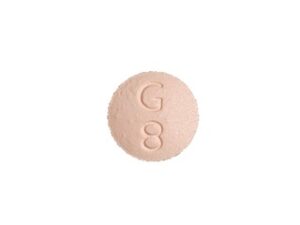
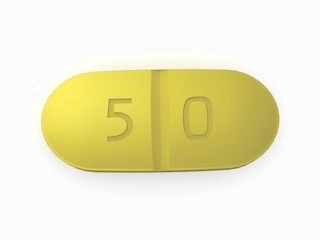
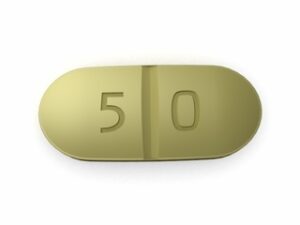
| Medicinal form | Oral tablets (strengths may vary by supply) |
| Common uses (where appropriate) | Supporting treatment plans for alcohol dependence; relapse prevention in people who have been opioid-free for long enough as advised |
| How it works | Blocks opioid receptors, reducing the rewarding effects of opioids and alcohol-related endorphin activity |
| Typical dosing style | Once daily or as directed by your clinician; may require specific preparation beforehand for opioid use |
What Revia is used for
Revia is used as part of a broader treatment plan. Medicines often work best when combined with psychological support, counselling, or structured support groups.
Indications in general terms
- Alcohol dependence: to help reduce the likelihood of relapse for some patients, often alongside behavioural support.
- Opioid dependence: to support relapse prevention after opioid withdrawal, when an individual is opioid-free for a sufficient period (the timing depends on the opioid previously used and your clinical assessment).
Revia is not designed to relieve sudden opioid intoxication or to treat acute opioid overdose. For emergencies, call 999.
How Revia works (mechanism of action)
Naltrexone works by blocking opioid receptors in the brain and body. It is mainly an antagonist at the mu-opioid receptors.
This blocking effect can help in two main ways:
- Opioid dependence: if someone uses opioids while taking naltrexone, the expected opioid “effects” may be reduced or prevented. This can help reduce relapse risk.
- Alcohol dependence: alcohol can increase release of endogenous opioid-like substances in the brain. By blocking opioid receptors, naltrexone may reduce alcohol’s rewarding effects for some people.
Not everyone responds the same way. Treatment success depends on factors such as the individual’s condition, support plan, and adherence.
Pharmacokinetics (how the body handles naltrexone)
Pharmacokinetics describes what happens to the medicine after you take it. Key points include:
- Absorption: after oral dosing, naltrexone is absorbed into the bloodstream.
- Metabolism: naltrexone is metabolised mainly by the liver.
- Active metabolite: an important metabolite is 6β-naltrexol, which also contributes to overall activity.
- Half-life and duration: naltrexone and its metabolite are cleared over time; effects generally persist for a day or longer depending on the person and metabolism.
- Excretion: metabolites are primarily eliminated by the kidneys (urine).
People with liver impairment may be at higher risk of adverse effects, so clinicians may adjust the plan or avoid use in certain circumstances.
Typical use and treatment approach
Revia is taken as part of a structured approach, which commonly includes:
- Education about dependence and relapse prevention
- Behavioural strategies and coping skills
- Regular follow-up and monitoring of progress
- Support for cravings and triggers
How and when to take Revia
Timing
Revia is usually taken once daily or according to your clinical instructions. Try to take it at about the same time each day to help you remember.
If you miss a dose, take it as soon as you remember unless it is close to the time of the next dose. Do not take a double dose to make up for a missed tablet.
Food and drink
Food may affect the rate of absorption of some medicines. For naltrexone, the practical advice is generally:
- Take it consistently as instructed (with or without food, depending on what suits you).
- If you notice stomach upset, taking it with food may help.
Food interactions
There are no commonly required dietary restrictions solely because of Revia. However, general liver-friendly practices can be beneficial, such as limiting alcohol (especially as Revia is often used in alcohol dependence). Always follow advice from your healthcare professional regarding diet and alcohol.
Alcohol interactions
Revia is often used in people with alcohol dependence, but it’s important to understand the interaction:
- Alcohol and treatment goals: If your goal is to stop or reduce alcohol, taking Revia may support that process. However, you should not rely on Revia as a reason to drink—its effect varies between people.
- Risk of worsening liver health: Regular heavy alcohol use can harm the liver. Naltrexone is metabolised by the liver, so heavy alcohol consumption may increase the likelihood of liver-related side effects.
- Cravings and relapse: Some people may still drink while on treatment. If you drink despite taking Revia, you may be less able to judge risk; seek help early if cravings escalate.
If you experience symptoms such as yellowing of the eyes or skin, dark urine, severe fatigue, or persistent nausea, contact medical services promptly.
Medicine interactions
The most critical interaction concerns opioids. Because naltrexone blocks opioid receptors, it can interfere with opioid medicines and opioid pain relief.
Opioids (including opioid painkillers and cough medicines)
- Opioid analgesics: taking naltrexone may reduce the effect of opioid pain medicines. This can be important if you later need surgery or pain control.
- Opioid-containing cough medicines: similar principles apply.
- Risk of attempted “overriding”: do not attempt to overcome opioid blockade with additional opioids. This can be dangerous. Emergency care may be required in the case of accidental opioid exposure.
Non-opioid pain relief
Non-opioid options (for example, certain anti-inflammatory or pain-relieving medicines) may still be used depending on your health conditions, but always check with your healthcare professional.
Other medicines
Some medicines can affect liver metabolism or increase the risk of side effects. Tell your healthcare professional about all medicines you take, including:
- Over-the-counter medicines
- Herbal supplements
- Recreational substances
- Prescription medicines from other services
Your clinician can review potential interactions and decide whether monitoring is needed.
Possible side effects and safety profile
Like all medicines, Revia can cause side effects. Not everyone will get them. Many side effects are mild and improve after the first weeks, but some require urgent attention.
Common or reported side effects
- Nausea, stomach discomfort
- Headache
- Fatigue or tiredness
- Dizziness
- Sleep disturbance
- Appetite changes
Serious side effects (seek urgent help)
- Liver problems: symptoms such as yellowing of the eyes/skin, dark urine, severe upper abdominal pain, persistent vomiting, or marked unusual tiredness.
- Allergic reaction: swelling of the face/lips, rash with itching, severe skin reactions, or breathing difficulties.
- Severe mood changes: new or worsening severe depression, suicidal thoughts, agitation, or unusual behaviour—contact urgent care or emergency services immediately.
Who should take extra care?
Extra caution is generally advised if you have:
- Existing liver disease or a history of abnormal liver tests
- Kidney impairment (may require monitoring)
- Concurrent opioid use or recent opioid use (special preparation is required)
- Current withdrawal symptoms or uncertain opioid exposure
Your healthcare team may arrange blood tests (including liver function tests) before and during treatment.
Practical use tips (for day-to-day success)
- Make it part of your routine: choose a consistent time each day and consider linking it with an existing habit (for example, breakfast).
- Keep track of progress: note cravings, triggers, and any side effects. This can help you and your clinician adjust the plan.
- Tell healthcare professionals: inform any clinician, dentist, or hospital service that you take naltrexone so they can plan pain control appropriately.
- Do not stop abruptly without advice: depending on your treatment goal, stopping may affect relapse risk. Discuss changes with your healthcare team.
- Avoid opioid “experiments”: attempting to use opioids while on naltrexone can be unpredictable and dangerous.
- Support matters: pairing medication with counselling, mutual support groups, or addiction services improves outcomes for many people.
Dosing (general information)
Dosing for Revia can vary depending on the condition being treated and your medical history. The exact dose should be based on your healthcare professional’s plan.
General principles
- Start appropriately: the timing of starting naltrexone is important, particularly for people with recent opioid use.
- Adhere to the schedule: consistent daily dosing is often used to maintain receptor blockade and treatment effect.
- Monitor liver function: blood tests may be recommended before starting and periodically during treatment.
Opioid-free requirements (important safety point)
For opioid dependence, beginning naltrexone requires special preparation to reduce the risk of precipitated withdrawal. Your clinician will advise when it is safe based on your opioid history.
If you are unsure whether you are opioid-free, ask for guidance before taking your next dose.
Alternative options
If Revia is not suitable or doesn’t work for you, there may be other treatment options depending on your situation. Alternatives may include:
For alcohol dependence
- Acamprosate (supports maintaining abstinence in some patients)
- Disulfiram (used to deter alcohol intake; requires careful supervision)
- Psychological therapies and structured relapse-prevention programmes
For opioid dependence
- Methadone (opioid substitution therapy)
- Buprenorphine (opioid substitution therapy)
- Specialist counselling and relapse prevention programmes
Your best option depends on factors such as your medical history, preferences, stability, and what support is available.
UK market and legal context
In the United Kingdom, medicines like naltrexone are regulated and must be supplied in line with UK medicines legislation and pharmacy standards. Supply routes typically involve:
- Authorised pharmaceutical supply chains
- Pharmacy screening processes
- Appropriate clinical checks for suitability
Regulatory updates, including safety communications and prescribing guidance, may be issued over time by UK regulatory and health bodies.
Recent guidance and monitoring (what you may be asked to do)
Guidance may emphasise:
- Careful liver assessment before treatment and during follow-up
- Assessment of opioid exposure before starting for opioid dependence
- Clear counselling about opioid blockage and emergency planning
- Ongoing review of benefits versus side effects
If you’ve been advised to have blood tests or follow-up appointments, it’s important to keep them to support safe use.
Delivery and availability in the UK
Revia availability can vary by pharmacy supplier and stock levels. Most online pharmacies operate a standard delivery service within the UK, with tracking.
- Dispatch times: commonly within 24–72 hours on business days (subject to stock).
- Delivery options: delivery methods may vary (e.g., standard or tracked services).
- Stock status: if an item is temporarily unavailable, some pharmacies may offer alternatives or restock alerts.
Check the pharmacy website for the most up-to-date delivery estimates, packaging details, and stock availability.
FAQ
1) What is Revia used for?
Revia (naltrexone) is used in treatment plans for alcohol dependence and for relapse prevention in opioid dependence after opioid withdrawal, when clinically appropriate.
2) How long does Revia take to work?
Some people notice changes in cravings or relapse risk support relatively early, while for others the effect may become clearer over weeks as part of a full treatment programme. Follow-up helps assess response.
3) Can I drink alcohol while taking Revia?
If you’re aiming for abstinence or reduced drinking, Revia may support that goal. However, you should avoid relying on it to “cancel out” alcohol effects. Drinking can still be risky for your health and may contribute to liver strain.
4) Will Revia stop me feeling the effect of opioids?
Naltrexone blocks opioid receptors, so opioid effects may be reduced. However, it is not safe to treat this as a plan to use opioids. Trying to overcome blockade can be dangerous and unpredictable.
5) What if I need pain relief or surgery?
Tell clinicians and dentists that you take Revia. They may plan pain relief differently because opioid pain medicines may be less effective. Clear communication improves safety.
6) Are there liver risks?
Naltrexone is metabolised by the liver. Liver-related side effects are an important consideration, especially in people with existing liver impairment or heavy alcohol use. Blood tests and monitoring may be recommended.
7) What should I do if I miss a dose?
Take it when you remember unless it is close to the next dose. Do not take a double dose. If you miss several doses, contact your healthcare professional for advice.
8) Can I take Revia with food?
Many people can take it with or without food. If you feel nausea, taking it with food may help. Keep the routine consistent with your clinician’s instructions.
9) Is it safe to start Revia after opioid use?
Starting naltrexone after recent opioid use requires careful timing to avoid withdrawal complications. Your healthcare professional will advise when it is safe based on your opioid history.
10) What should I do if I experience side effects?
For mild effects, contact your healthcare professional if they persist. For serious symptoms such as signs of liver problems, allergic reactions, or severe mood changes, seek urgent medical help.
Important patient reminders
- Revia works best as part of a planned support and follow-up programme.
- Always inform healthcare professionals that you take naltrexone.
- If you have concerns about liver health, mood changes, or opioid exposure, seek medical advice promptly.
This information is intended for general guidance. For personalised advice on suitability, dosing, and monitoring, speak to a qualified healthcare professional.