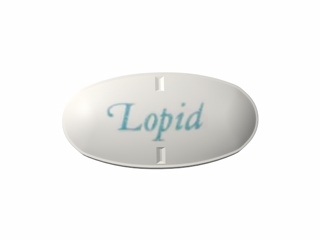
Lopid (Gemfibrozil) – Patient-Friendly Guide (UK)
Lopid contains gemfibrozil, a medicine used to help manage certain types of abnormal cholesterol and triglyceride levels. This page explains how Lopid works, how it is typically taken, key safety information, and what to expect in everyday use. It is written for patients in the United Kingdom.
Important: Always follow the instructions provided with your medicine and the advice of your healthcare professional. This guide is intended to support—not replace—individual medical guidance.
At a glance
- Medicine: Lopid (gemfibrozil)
- Used for: High triglycerides in selected people, often when risk of pancreatitis is a concern.
- How it works: Reduces triglycerides and (to a lesser extent) affects cholesterol patterns.
- Common side effects: Upset stomach, nausea, abdominal discomfort, and sometimes headache.
- Key safety points: Interactions (especially with some cholesterol medicines), gallstone risk, and careful use with kidney or liver problems.
Basic product information
Lopid is the brand name for gemfibrozil. It belongs to the class of medicines known as fibrates (lipid-regulating medicines).
| Feature | Details |
|---|---|
| Active ingredient | Gemfibrozil |
| Drug class | Fibrate (lipid-modifying medicine) |
| Typical purpose | Lowering raised triglycerides; selected cholesterol disorders |
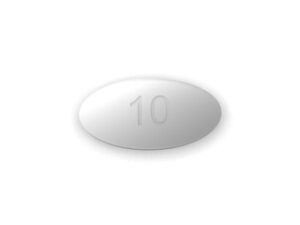
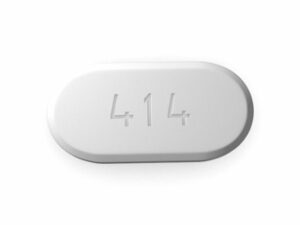
| Common form | Tablets (strengths may vary) |
| How it is taken | Usually by mouth, often 15–30 minutes before meals (follow your own instructions) |
How Lopid works (mechanism of action)
Gemfibrozil helps improve blood lipid levels primarily by lowering triglycerides. It works through several related actions within the liver and bloodstream, including:
- Increasing breakdown and clearance of triglyceride-rich particles (lipoproteins) from the blood.
- Reducing production of triglycerides in the liver.
- Modifying lipoprotein metabolism so cholesterol profiles can shift (often lowering triglycerides and raising HDL—“good cholesterol”—to some degree).
The result is typically a reduction in triglycerides and, in many people, changes in other lipid measures. The exact response varies between individuals.
Pharmacokinetics (how the body handles it)
While details can vary by person, the general pharmacokinetic behaviour of gemfibrozil is understood as follows:
- Absorption: Gemfibrozil is absorbed after oral dosing. Taking it as directed (often before meals) may influence how much is absorbed.
- Distribution: It distributes into body tissues and is highly protein-bound.
- Metabolism: The liver breaks down gemfibrozil (metabolism occurs through hepatic pathways).
- Elimination: Metabolites are cleared mainly through the body’s elimination routes, with both bile and kidney contributions reported.
- Half-life: Gemfibrozil’s effects persist for long enough that dosing is typically scheduled in a way that maintains lipid-lowering action throughout the day.
If you have kidney or liver impairment, drug levels can be altered. This is one reason why your prescriber may adjust the plan and monitor you more closely.
What Lopid is used for in the UK
In clinical practice within the UK, gemfibrozil is most often used for:
- Markedly raised triglycerides (especially when levels are high enough that pancreatitis risk may be increased).
- Some lipid disorders where a fibrate is considered appropriate based on lipid profile and individual risk factors.
Treatment decisions are guided by national and local guidance and are based on the full picture: lipid values, cardiovascular risk, history of pancreatitis, diabetes status, kidney function, and potential drug interactions. Many people will also be advised on lifestyle changes such as diet, weight management, exercise, stopping smoking, and limiting alcohol.
Indications and when it may be considered
Your clinician may consider gemfibrozil when:
- Your triglyceride level remains high despite lifestyle measures.
- There is concern about very high triglycerides and the related risk of inflammation of the pancreas.
- Alternative options are unsuitable or not appropriate for you.
Note: Gemfibrozil is not a “one-size-fits-all” cholesterol tablet. It is chosen for specific lipid patterns and patient risk profiles. If you have been told to take Lopid, it is because your clinician judged it suited your situation.
Typical dosing and timing
Doses can vary based on your individual situation and the product strength you have been given. Follow your medicine label and the dosing instructions provided by your healthcare professional.
How to take Lopid
- Timing with food: Many fibrate regimens are taken 15–30 minutes before meals. This helps ensure consistent absorption and effectiveness. Always follow the exact instruction for your prescription label.
- Swallowing: Swallow tablets whole with water. Do not crush or chew unless your product instructions say it is safe.
- Dosing schedule: If your plan is “twice daily”, try to keep doses evenly spaced (for example, morning and evening).
If you miss a dose
- Take it as soon as you remember unless it is close to the time for your next dose.
- If you are close to the next dose, skip the missed dose and continue as normal.
- Do not take a double dose to make up for a missed one.
How long it takes to work
Lipid responses can begin within days, but meaningful changes in blood tests are typically assessed over a few weeks. Your clinician will usually arrange blood tests to check triglycerides and other relevant markers.
Food interactions and best diet support
Lopid can interact with meal timing, and—more importantly—with the broader diet and lifestyle that affect triglycerides. Consider the following:
- Take with the recommended meal timing: Many patients are advised to take gemfibrozil before food. This may be particularly important if you notice an inconsistent response when doses are taken at random times.
- Reduce alcohol: Alcohol can raise triglycerides. Limiting or avoiding alcohol may make the medicine work better and reduce risk of complications.
- Limit sugary and refined carbohydrates: High sugar intake can worsen triglycerides, especially in some people with insulin resistance or diabetes.
- General healthy eating: A diet focusing on vegetables, whole grains, lean proteins, and healthy fats (as advised by your clinician or dietitian) supports lipid control.
Alcohol and medicine interactions
Alcohol: Because alcohol may increase triglyceride levels, it can undermine lipid control. If your triglycerides are very high, your clinician may recommend avoiding alcohol entirely.
Medicine interactions (very important)
Gemfibrozil has important interactions with other medicines. Some combinations can raise the risk of muscle problems or other side effects. Always tell your healthcare professional about all medicines you take, including over-the-counter products and supplements.
Key interaction risks may include:
- Statins (cholesterol-lowering medicines): Taking gemfibrozil with certain statins can increase the risk of muscle injury (myopathy/rhabdomyolysis). Your clinician may avoid this combination or use a different fibrate/strategy if needed.
- Some blood-thinning medicines (anticoagulants): Fibrates can affect bleeding risk in certain situations. Monitoring may be required if you take warfarin or similar medicines.
- Diabetes medicines: Lipid-lowering changes and drug effects can sometimes alter glucose control. Close monitoring may be needed if you use insulin or oral diabetes agents.
- Other lipid medicines: Combining lipid treatments can increase side effects in some people. Your clinician will consider the benefits versus risks.
- Repaglinide and other specific drug classes: Certain interactions can occur due to effects on drug metabolism. Always check with a pharmacist if you’re unsure.
If you have been told not to combine Lopid with a particular medicine, please follow that advice. When starting or stopping other medicines, ensure your lipid treatment plan is reviewed.
Safety profile: side effects and when to seek help
Most people tolerate gemfibrozil reasonably well, but like all medicines it can cause side effects. Some are mild and may improve with time; others require urgent assessment.
Common side effects
- Stomach upset, indigestion, or abdominal discomfort
- Nausea or sometimes vomiting
- Headache
- Changes in blood test results (your clinician may monitor liver enzymes and other markers)
Less common but important risks
- Gallstones (cholelithiasis): Fibrates can increase the risk of gallstones. Seek medical advice if you develop pain in the upper right abdomen, especially if it comes with fever or yellowing of the skin/eyes.
- Muscle problems: Report new unexplained muscle pain, tenderness, weakness, or dark urine promptly—especially if you also take other cholesterol medicines.
- Liver effects: Your clinician may monitor liver function. Seek advice if you experience unusual fatigue, persistent nausea, dark urine, or yellowing of the skin/eyes.
- Blood count changes and other metabolic changes: usually identified through blood tests.
When to seek urgent medical help
Contact urgent care or emergency services if you have signs of serious reactions such as:
- Severe muscle pain with weakness or dark urine
- Severe abdominal pain, especially with fever or jaundice
- Signs of an allergic reaction: swelling of the face/lips, breathing difficulties, widespread rash
Practical use tips for everyday life
- Keep to a routine: If your dosing is before meals, set reminders around meal times to avoid missed or late doses.
- Attend follow-up blood tests: Lipid control and safety checks rely on monitoring.
- Know your triggers: If you drink alcohol or eat high-sugar foods, recognise that these can significantly affect triglycerides.
- Review your medication list: Before starting any new medicine or supplement, ask your pharmacist about interactions with gemfibrozil.
- Stay hydrated and monitor symptoms: If you experience unusual side effects, report them early.
Monitoring: what your clinician may check
Because gemfibrozil affects lipid metabolism and can influence liver function and other systems, clinicians often monitor:
- Lipid profile (triglycerides, total cholesterol, HDL, LDL as appropriate)
- Liver function tests
- Kidney function (especially in people with existing kidney disease)
- Muscle-related symptoms and sometimes relevant blood tests if muscle issues are suspected
Alternative options for raised triglycerides and mixed lipids
Treatment choices depend on your exact lipid pattern and risk level. Alternatives may include:
Lifestyle measures (often foundational)
- Diet changes to reduce sugars and refined carbohydrates
- Weight loss if overweight
- Regular physical activity
- Smoking cessation
- Limiting or avoiding alcohol
Medication alternatives
- Other fibrates: Some fibrate medicines may be considered depending on interaction risks and local prescribing preferences.
- Omega-3 fatty acids (where appropriate): Certain formulations can help lower triglycerides in selected patients.
- Statins: These primarily target LDL cholesterol and cardiovascular risk, but may be considered depending on the overall lipid picture and risk. Important: interaction risk varies by fibrate and statin combination.
- Other lipid-lowering medicines: In special circumstances, your clinician may consider other options to achieve targets.
If you are considering switching medicines or stopping Lopid, do not change your regimen without medical advice. Lipids can rebound, and high triglycerides may return quickly in some people.
Market and legal context in the United Kingdom
In the UK, lipid-regulating medicines are used within a structured healthcare framework, including primary care, specialist services, and national guidance that supports safe prescribing and monitoring. Medicines are supplied under UK medicines law and pharmacy regulations, and product information is governed by the Medicines and Healthcare products Regulatory Agency (MHRA).
Your access to Lopid depends on local prescribing and pharmacy processes. Online pharmacy availability may vary by manufacturer stock levels and supplier schedules.
Recent guidance and how it may affect fibrate use
UK lipid management guidance typically prioritises:
- Cardiovascular risk assessment (using recognised risk tools where appropriate).
- Lifestyle first alongside medication where needed.
- Focused treatment for very high triglycerides to reduce pancreatitis risk, alongside monitoring and addressing secondary causes.
- Careful selection of medicines based on interactions, comorbidities (e.g., diabetes, kidney disease), and tolerability.
In practice, this means fibrates like gemfibrozil may be used when triglycerides are markedly elevated or when other options are unsuitable. Your clinician will weigh benefits and risks, including interaction potential with other medicines.
Availability, delivery and how ordering typically works online (UK)
Availability can depend on the specific tablet strength, supplier range, and current pharmacy stock. For online purchasing in the UK, delivery options commonly include standard and tracked delivery.
- Stock status: Some strengths may be in higher demand and can occasionally run low.
- Dispatch times: Orders are typically dispatched after processing and verification steps.
- Delivery methods: Tracked delivery is commonly used to improve reliability.
- Storage: Store tablets at room temperature in a dry place, away from direct sunlight, and keep out of reach of children.
If your preferred strength is not available, the pharmacy may offer an alternative pack size or request further information to meet safety and supply requirements.
Storage and handling
- Keep tablets in their original packaging.
- Store away from moisture and heat.
- Do not use after the expiry date shown on the pack.
- Return unused medicines to a local pharmacy for safe disposal (if available in your area).
FAQ about Lopid (gemfibrozil)
1) What is Lopid used for?
Lopid (gemfibrozil) is used to help manage lipid problems, particularly markedly raised triglycerides in selected patients to reduce risks such as pancreatitis.
2) How quickly will my triglycerides improve?
Lipid levels may start to improve within days, but blood test changes are usually assessed over a few weeks. Your clinician will schedule monitoring to check your response and safety.
3) Should I take Lopid before or after meals?
Many people are advised to take gemfibrozil 15–30 minutes before meals. Always follow the exact timing on your medicine label or instructions given by your healthcare professional.
4) Can I drink alcohol while taking Lopid?
Alcohol can raise triglycerides, potentially reducing the benefit of treatment. If your triglycerides are high, your clinician may advise limiting alcohol or avoiding it.
5) What medicines should not be taken with Lopid?
Gemfibrozil can interact with several medicines. The most well-known interaction risk is with some statins due to increased muscle injury risk. Always check with your pharmacist about your current medication list, including over-the-counter products and supplements.
6) What side effects are common?
Common effects include stomach upset, nausea, abdominal discomfort, and headache. If side effects are severe or persistent, contact your healthcare professional.
7) What are the warning signs I should watch for?
Seek urgent medical advice for severe muscle pain or weakness (especially with dark urine), severe abdominal pain, fever, jaundice, or signs of an allergic reaction.
8) Is Lopid suitable for people with kidney problems?
Caution is required. Kidney impairment may increase exposure to the medicine, so your clinician may adjust treatment and monitor you more closely. Discuss your kidney function history before continuing therapy.
9) Can I stop Lopid if my blood test results improve?
Do not stop without advice. Lipid levels can rise again after stopping, and the underlying risk may remain. Your clinician may adjust dose or continue depending on your overall risk and monitoring results.
10) Are there alternatives if I can’t tolerate Lopid?
Depending on your lipid profile and risk, alternatives may include lifestyle changes, different lipid-lowering medicines (including other fibrates or triglyceride-lowering options), or different combinations. Your clinician can guide the safest approach for you.
Summary
Lopid (gemfibrozil) is a fibrate medicine used to improve certain lipid abnormalities, most notably high triglycerides in selected patients. It works by influencing how the body processes triglycerides, and it requires careful attention to timing, food and alcohol habits, and drug interactions.
With regular monitoring and prompt attention to side effects, many people can use Lopid safely as part of a broader lipid-management plan. If you have questions about your individual situation—especially interactions with other medicines—speak to a pharmacist or healthcare professional.