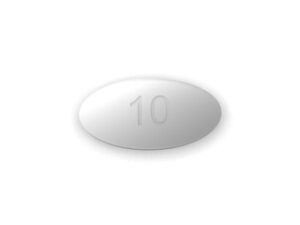

Atorvastatin
Atorvastatin is a widely used cholesterol-lowering medicine from the statin family. It helps reduce low-density lipoprotein (LDL) cholesterol (“bad cholesterol”) and lowers the risk of cardiovascular events such as heart attack and stroke in people who are at risk. It is commonly used in the United Kingdom as part of a broader plan that may include healthy eating, exercise, and—where appropriate—stopping smoking.
This page provides patient-friendly information about what Atorvastatin does, how it works, how to take it safely, and what to expect. It is not a substitute for advice from a healthcare professional.
Basic product information
- Medicine name: Atorvastatin
- Medicinal group: Statin (HMG-CoA reductase inhibitor)
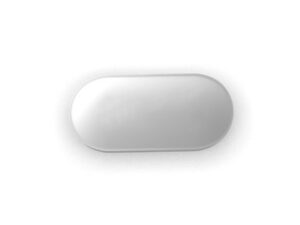
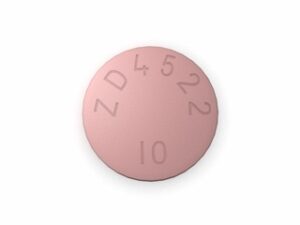
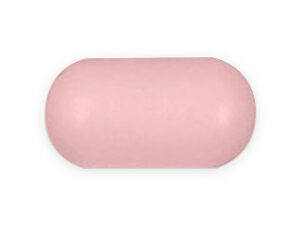
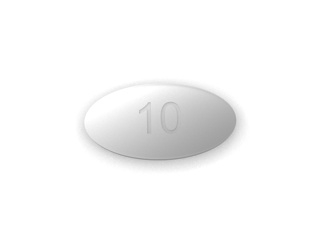
- Common strengths (may vary by brand): 10 mg, 20 mg, 40 mg, 80 mg
- How it is taken: By mouth, usually once daily
- Common brand examples (varies): Lipitor is a well-known brand; many generic versions are available
- Typical duration: Long-term treatment in many people
How Atorvastatin works (mechanism of action)
Atorvastatin works by blocking an enzyme in the liver called HMG-CoA reductase. This enzyme plays a key role in cholesterol production. By reducing the liver’s cholesterol production, the liver:
- Increases the number of LDL receptors on liver cells
- Removes more LDL cholesterol from the bloodstream
- Helps lower total cholesterol and other atherogenic lipids
In addition to lowering cholesterol levels, statins also stabilise plaque in blood vessels and may reduce inflammation, which can contribute to cardiovascular protection.
Pharmacokinetics: how your body handles Atorvastatin
Pharmacokinetics describes what happens after you take a medicine—how it is absorbed, distributed, metabolised, and removed.
- Absorption: Atorvastatin is absorbed from the gut. Food may slightly affect how much is absorbed, but it is usually not clinically significant for the typical dosing schedule.
- Distribution: It is carried in the bloodstream and acts mainly in the liver.
- Metabolism: Mostly metabolised by the liver enzyme CYP3A4. This is why some medicines (and some foods/drinks) can raise or lower Atorvastatin levels.
- Elimination: Atorvastatin and its metabolites are eliminated largely via bile into the gut.
- Half-life: The drug and its active effects last long enough that once-daily dosing is generally effective.
Typical use in the UK
In the United Kingdom, Atorvastatin is commonly used to:
- Lower LDL cholesterol in people with primary hypercholesterolaemia (high cholesterol)
- Lower LDL cholesterol in people with mixed dyslipidaemia
- Reduce cardiovascular risk in people who have not yet had a major cardiovascular event but are at increased risk
- Reduce the risk of heart attack and stroke in people with established cardiovascular disease
Your individual target cholesterol level depends on your risk profile and treatment plan.
Indications (when Atorvastatin may be used)
Atorvastatin is indicated for:
- Cardiovascular risk reduction in people at increased risk due to conditions such as established coronary artery disease
- Hyperlipidaemias including heterozygous familial hypercholesterolaemia and mixed dyslipidaemia
- Prevention of major cardiovascular events in appropriate patient groups
Specific eligibility and dosing are determined by clinical assessment and guidelines used in the UK.
How to take Atorvastatin: timing and dosing
Timing
Atorvastatin is usually taken once a day. Many people take it at any time of day, but try to take it at the same time each day to help you remember. If you notice it upsets your stomach, taking it with a light meal may help.
Some patients are advised to take it in the evening, but the most important factor is consistency.
Typical dosing (adults)
Doses vary depending on the reason for treatment and your cholesterol response. Common adult starting and maintenance doses include:
| Purpose | Typical starting dose | Possible dose range | Notes |
|---|---|---|---|
| Primary hypercholesterolaemia / mixed dyslipidaemia | 10 mg or 20 mg once daily | 10 mg to 80 mg once daily | Dose adjusted based on LDL reduction and tolerability |
| High cardiovascular risk / established cardiovascular disease | 20 mg to 40 mg once daily | 20 mg to 80 mg once daily | Higher-intensity treatment may be recommended where appropriate |
Dose adjustments and monitoring
- Your prescriber may adjust your dose after blood tests—often after a few weeks—to check response and safety.
- Additional testing may include liver function and, if you develop symptoms, tests related to muscle concerns.
- People with certain liver conditions may require special consideration.
If you miss a dose
- If you remember the same day, take it when you remember.
- If you only remember the next day, skip the missed dose and take your next dose at the usual time.
- Do not take a double dose to make up for a missed dose.
Food interactions: what to know
Food usually does not prevent Atorvastatin from working, and it can generally be taken with or without food. However, there are important exceptions.
Grapefruit and grapefruit juice
Avoid grapefruit products during treatment. Grapefruit can inhibit CYP3A4, which may increase Atorvastatin levels and raise the risk of side effects, particularly muscle-related effects.
General meal tips
- If the medicine causes stomach upset, try taking it with a meal.
- Keep your diet consistent day to day, especially if you are adjusting cholesterol-lowering foods.
- Continue lifestyle measures such as reducing saturated fat and increasing soluble fibre where appropriate.
Alcohol and medicine interactions
Alcohol
Moderate alcohol intake may be compatible with Atorvastatin for many people, but alcohol can affect the liver. Because statins are processed in the liver and may affect liver enzymes, heavy or frequent alcohol use may increase the chance of liver-related side effects.
- If you drink heavily, seek medical advice before continuing.
- If you have liver disease or elevated liver enzymes, you may need extra monitoring or an alternative.
- Stop and seek advice promptly if you develop symptoms such as unusual fatigue, dark urine, pale stools, or yellowing of the skin/eyes.
Common medicine interactions (important)
Atorvastatin levels can be increased by medicines that inhibit CYP3A4 or affect drug transporters. This can increase the risk of side effects, including muscle injury.
Examples of medicines that may interact include:
- Some antibiotics/antifungals (e.g., certain macrolides like clarithromycin, and azole antifungals)
- HIV medicines (some protease inhibitors or boosters)
- Certain blood pressure/heart medicines (some may require caution or dose adjustment)
- Cyclosporin
- Some lipid-lowering medicines used together with statins (e.g., fibrates such as gemfibrozil)
- Niacin (where used; may increase side effect risk)
Interaction risk also depends on the exact dose and your personal risk factors. Always provide a full list of medicines to your healthcare professional or pharmacist, including over-the-counter products and supplements.
Herbal and supplement considerations
- St John’s wort may reduce Atorvastatin levels (via enzyme induction) and may reduce effectiveness.
- Other supplements can affect bleeding risk or liver function; check with a pharmacist if unsure.
Safety profile: common and serious side effects
Like all medicines, Atorvastatin can cause side effects. Many people have no problems and continue long-term safely. The most important safety considerations involve muscles and the liver.
Common side effects
- Headache
- Indigestion, nausea, or mild stomach discomfort
- Muscle aches or mild muscle tenderness (less severe cases can occur)
- Changes in blood liver enzymes (often found on routine blood tests)
Serious side effects: seek urgent medical advice
Contact a healthcare professional promptly (or seek urgent help) if you develop:
- Severe muscle pain, weakness, or cramps—especially if accompanied by fever or feeling very unwell
- Dark/tea-coloured urine with muscle symptoms (possible rhabdomyolysis)
- Signs of liver problems such as yellowing of the skin/eyes, unusual tiredness, dark urine, or persistent upper abdominal pain
- Allergic reaction such as swelling of the face/lips or difficulty breathing
Risk factors for muscle side effects
Your risk may be higher if you:
- Take interacting medicines
- Are older
- Have kidney problems
- Have thyroid disorders that are not well controlled
- Take high statin doses
Practical use tips for everyday life
- Take it consistently: once daily and keep a routine. If you use a pill organiser, include the correct strength and schedule.
- Keep lifestyle changes in place: medicines work best alongside diet, exercise, and smoking cessation.
- Know what to watch for: report persistent muscle pain or weakness early rather than waiting.
- Check before new medicines: when you start any new prescription or over-the-counter medicine, ask a pharmacist about interactions.
- Arrange monitoring: follow up on blood tests and appointments, especially after dose changes.
- Hydration and activity: maintain good hydration, particularly during hot weather or heavy exercise, and avoid sudden intense workouts if you are prone to muscle symptoms.
What happens if you stop?
Stopping Atorvastatin can lead to cholesterol levels rising again and may increase long-term cardiovascular risk. If you are thinking about stopping or changing treatment, discuss this with a clinician first.
Alternative options (if Atorvastatin isn’t suitable)
Not everyone responds to or tolerates the same cholesterol-lowering medicine. Alternatives may include:
Other statins
- Rosuvastatin
- Simvastatin
- Pravastatin
- Pitavastatin (availability varies)
Non-statin cholesterol medicines
- Ezetimibe: reduces cholesterol absorption in the intestine
- Bempedoic acid (where appropriate): affects cholesterol synthesis pathways
- PCSK9 inhibitors (in selected patients): reduce LDL through increased clearance
- Fibrates: sometimes used mainly for triglycerides, with careful risk assessment when combined with statins
- Omega-3 fatty acids: may be used for triglyceride lowering in specific cases
Your healthcare professional will consider your cholesterol profile, cardiovascular history, and any side effects when choosing an alternative.
Market and legal context in the United Kingdom
In the UK, statins are widely used for cholesterol management. Atorvastatin is available in a range of strengths and is often prescribed under National Health Service (NHS) services and in private healthcare settings.
- Guideline-led practice: UK treatment decisions commonly follow evidence-based recommendations for cardiovascular risk reduction.
- Safety monitoring: healthcare providers use blood tests and symptom checks to reduce the risk of adverse effects.
- Generic availability: Many people can access generic Atorvastatin, which can reduce cost while maintaining therapeutic effect.
Recent UK guidance (general themes)
UK recommendations for lipid management emphasise:
- Risk-based prescribing (treating to reduce cardiovascular events)
- A shared decision approach, balancing benefits and side effects
- Using appropriate intensity statin therapy and checking response with follow-up lipid measurements
- In selected high-risk patients, considering combination therapy or add-on treatments when LDL goals are not met
Guidance can be updated over time, and your prescriber will tailor treatment to your current risk category and test results.
Delivery and availability
Atorvastatin is commonly stocked by online pharmacies and is generally available in multiple pack sizes and strengths. Availability may vary depending on local supply and the exact strength/brand.
- Delivery options: Most UK online pharmacies offer standard and express delivery (availability depends on supplier).
- Packaging: Medicines are typically dispatched in secure packaging with pharmacy labelling.
- Stock status: If a product is temporarily out of stock, some pharmacies can offer an alternative strength or brand.
Check the retailer’s delivery terms, dispatch times, and returns policy before ordering.
FAQ: Frequently asked questions
1) Can I take Atorvastatin with food?
Yes. Atorvastatin can usually be taken with or without food. If it upsets your stomach, taking it with a meal may help. Avoid grapefruit products.
2) What time of day should I take it?
Most people take Atorvastatin once daily at a time they can remember consistently. Many take it in the evening, but the key is daily adherence. If your clinician advised a specific time, follow that guidance.
3) Why does my doctor sometimes change the dose?
Doses may be adjusted based on how much your LDL cholesterol falls and whether you experience side effects. After changes, blood tests are often repeated to assess response and safety.
4) What if I feel muscle pain after starting?
Mild aches can occur, but you should report muscle pain, weakness, or tenderness—especially if it is severe or persistent. Seek prompt medical advice if you have muscle symptoms together with fever or dark urine.
5) Are there medicines I must avoid with Atorvastatin?
Some medicines can increase Atorvastatin levels and raise the risk of side effects. Provide a full list of your medicines, including antibiotics, antifungals, HIV medicines, and lipid-lowering agents, to your pharmacist or clinician. If you are unsure about any product, ask before starting.
6) Can I drink alcohol while taking it?
Many people can drink alcohol in moderation, but heavy or frequent drinking may increase liver-related risks. If you have liver disease or drink heavily, discuss this with a healthcare professional.
7) Does Atorvastatin help prevent heart attacks and strokes?
Yes. In appropriate patients, statins reduce the risk of cardiovascular events. They work by improving cholesterol levels and supporting plaque stability. Results depend on your baseline risk and adherence.
8) What cholesterol numbers should I expect to improve?
Atorvastatin typically lowers LDL cholesterol. Some people also see reductions in total cholesterol and triglycerides, while HDL may increase modestly. Targets are individualized based on risk and local treatment goals.
9) Can I switch from one statin to another?
Sometimes yes. If you cannot tolerate Atorvastatin, a clinician may recommend a different statin or a different dose. Do not switch or stop without medical advice.
10) Who should be extra careful before taking Atorvastatin?
Extra caution may be needed if you have liver disease, kidney problems, uncontrolled thyroid disease, a history of statin intolerance, or you take interacting medicines. Always discuss your full medical history.
Summary
Atorvastatin is a proven cholesterol-lowering medicine used across the UK to help reduce cardiovascular risk. It works by reducing cholesterol production in the liver and increasing LDL clearance from the bloodstream. When taken consistently and safely—while avoiding grapefruit and managing medicine interactions—it can meaningfully improve long-term heart and stroke outcomes.