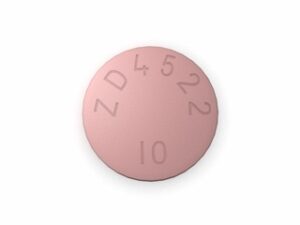
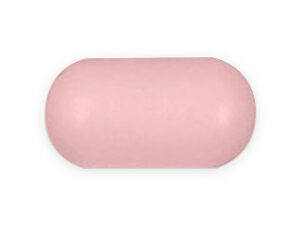
Ezetimibe (UK) – Patient-Friendly Guide
Ezetimibe is a cholesterol-lowering medicine used in adults (and in some cases children and adolescents) to help reduce “bad” cholesterol levels in the blood. It is often prescribed alongside diet changes, and may be used alone or combined with a statin. In the UK, it is widely available through pharmacies and is used to help reduce cardiovascular risk.
This guide explains how ezetimibe works, how it’s taken, what to expect, and important safety information. It is written for patients and everyday users in the United Kingdom.
At a glance
- Medicine name: Ezetimibe
- What it helps lower: LDL (“bad”) cholesterol, total cholesterol; sometimes non‑HDL cholesterol
- Common use: as part of cholesterol management for people at higher cardiovascular risk
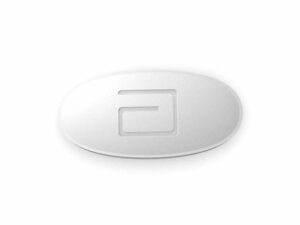
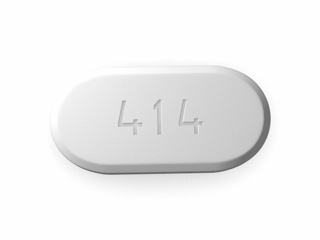
- Typical form: oral tablets
- How it’s usually taken: once daily (with or without food)
Basic product information (UK)
Ezetimibe is an oral medicine used to lower cholesterol. In the UK, it is supplied in tablet form. Some people receive ezetimibe as a standalone tablet; others receive it in combination products depending on their individual treatment plan.
| Feature | What to know |
|---|---|
| Active ingredient | Ezetimibe |
| Route | By mouth (oral) |
| How often | Usually once daily |
| With food? | Usually can be taken with or without food |
| Where it fits | Often used with diet and lifestyle; may be used with statins |
What does ezetimibe do? (Mechanism of action)
Ezetimibe works by reducing the amount of cholesterol absorbed from the small intestine. Specifically, it targets the NPC1L1 (Niemann-Pick C1-Like 1) transporter, which is responsible for absorbing cholesterol into the body. By blocking this transporter, ezetimibe:
- reduces cholesterol uptake from the diet and bile-related cholesterol in the intestine
- lowers LDL cholesterol levels over time
- may help reduce overall cardiovascular risk when used as part of guideline-based cholesterol management
Ezetimibe is not a statin. It does not primarily act by blocking cholesterol production in the liver. Because it works through a different pathway, it can provide extra LDL lowering when combined with a statin.
How ezetimibe works in the body (Pharmacokinetics)
Pharmacokinetics describes how the body absorbs, processes, and eliminates a medicine. After taking ezetimibe by mouth, it is absorbed and extensively converted in the intestinal wall and liver to its active metabolite, ezetimibe-glucuronide.
- Absorption: Ezetimibe is absorbed from the gut and then converted to its major metabolite.
- Conversion: Ezetimibe is rapidly metabolised to ezetimibe-glucuronide.
- Elimination: The drug and its metabolites are cleared mainly via the bile into the gastrointestinal tract. A smaller proportion leaves via urine.
- Time to effect: LDL lowering typically begins within days, with more stable reductions seen over several weeks.
Individual response varies. Your clinician will usually check cholesterol levels after a suitable interval to confirm effectiveness and to adjust treatment if needed.
Typical uses in the UK (Indications)
Ezetimibe is used as part of cholesterol management. Common indications in clinical practice include:
- Primary hypercholesterolaemia (high LDL cholesterol), especially when diet and lifestyle alone are not sufficient
- Heterozygous familial hypercholesterolaemia, often as add-on therapy to statins when additional LDL lowering is needed
- Homozygous familial hypercholesterolaemia in selected patients (usually in combination with other lipid-lowering therapies)
- Mixed hyperlipidaemia in selected cases
- Statin intolerance or inadequate response (where appropriate) – your healthcare professional will decide the best option for you
Ezetimibe may also be used in people aiming for lower LDL targets due to cardiovascular risk factors, according to UK clinical guidance and individual risk assessment.
Dosing and timing
The typical adult dose of ezetimibe is:
- 10 mg once daily by mouth
In children and adolescents, dosing may differ based on age and the specific condition being treated. Your healthcare team will provide the correct strength and schedule.
Timing (how to take it day-to-day)
- Once daily: choose a time you can remember and take it consistently.
- With or without food: generally both are acceptable.
- Missed dose: if you forget a dose, take it when you remember on the same day. If it is close to your next dose, skip the missed dose and continue your normal schedule.
If you are taking other cholesterol medicines, follow your prescriber’s instructions. Some combinations are designed to be taken at different times, while others are compatible with once-daily routines.
Food interactions
Ezetimibe can usually be taken with or without food. However, practical consistency is important—taking it at the same time each day helps you build a routine.
Bile acid sequestrants (important interaction)
If you take a bile acid sequestrant (sometimes used for cholesterol), your clinician may advise separating the dosing because these medicines can reduce absorption of other medicines.
- Typically, a separation of several hours may be recommended between ezetimibe and the sequestrant.
- Your pharmacist can help confirm the timing based on the specific product you use.
Alcohol and medicine interactions
Ezetimibe is not known for the same pattern of alcohol-related toxicity as some other medicines. That said, general safe drinking advice still applies, particularly if you also take a statin or have existing liver conditions.
- Alcohol and statins: if ezetimibe is combined with a statin, your safety guidance may depend on the statin you are taking and your medical history.
- Liver health: limit alcohol if you have liver problems, abnormal liver blood tests, or symptoms such as unusual tiredness, dark urine, or yellowing of the skin/eyes.
If you drink alcohol regularly or have any liver history, discuss your situation with a pharmacist or GP so you can receive personalised advice.
Medicines interactions (including common co-treatments)
Many people taking ezetimibe also take other long-term medicines. Tell your pharmacist about all medicines you use, including over-the-counter products and herbal supplements.
Statins (common combination)
Ezetimibe is frequently used with statins. This combination can provide greater LDL lowering than either treatment alone. As with statins generally, muscle-related symptoms and liver-related monitoring may be relevant, depending on your overall regimen.
Medicines that may affect absorption or effect
- Bile acid sequestrants: may require dose spacing to avoid reduced ezetimibe absorption.
- Some cholesterol-lowering combinations: ensure your regimen is clear to avoid doubling up on similar therapies.
- Other medicines: your pharmacist can review possible interactions based on your exact products.
If you start, stop, or change any medicine (including supplements), check with a pharmacist if the change could affect ezetimibe or your cholesterol results.
Safety profile (what to watch for)
Like all medicines, ezetimibe can cause side effects. Many people experience none or only mild effects. The sections below provide patient-friendly safety information and practical guidance.
Common side effects
- Headache
- Stomach or gut symptoms (such as abdominal pain, diarrhoea, or indigestion)
- Tiredness
Less common but important
- Allergic reactions: seek urgent advice if you develop swelling of the face/lips, trouble breathing, or widespread rash.
- Muscle symptoms: with statin combinations, report new muscle pain, tenderness, weakness, or dark urine promptly.
- Liver-related signs: if you feel unwell, have unusual fatigue, vomiting, pale stools, dark urine, or yellowing of the skin/eyes, contact a clinician.
Who should take extra care?
- Liver disease: ezetimibe may require careful monitoring if you have liver impairment or abnormal liver blood tests.
- People taking a statin: the combination can influence the overall safety monitoring plan.
- Pregnancy and breastfeeding: discuss with a healthcare professional if you are pregnant, trying to conceive, or breastfeeding.
Practical use tips (to get the best results)
- Keep taking it even if you feel well: cholesterol medicines prevent future risk and work over time.
- Pair with lifestyle changes: a heart-healthy diet, regular exercise, and weight management remain key.
- Take consistently: choose a time that fits your day and use reminders if helpful.
- Know your cholesterol targets: your clinician may set goals based on your cardiovascular risk.
- Follow up with blood tests: if you’re on combination therapy (e.g., with a statin), you may have periodic monitoring.
How soon will cholesterol improve?
You may start to see effects within days, but most clinicians check response after several weeks. The timing of follow-up depends on your overall treatment plan.
Alternative options (if ezetimibe isn’t suitable)
Depending on your cholesterol levels, medical history, and treatment goals, alternatives may include:
- Statins (such as atorvastatin, rosuvastatin, simvastatin) – commonly first-line for many patients
- Other add-on or alternative lipid-lowering medicines, chosen case-by-case (e.g., bile acid sequestrants, depending on tolerance)
- PCSK9 inhibitors (injectable medicines) in selected higher-risk patients
- Bempedoic acid and other emerging options may be considered in specific circumstances
- Lifestyle strategies (dietary changes, exercise, smoking cessation, reducing excess alcohol, managing blood sugar)
Your healthcare professional can explain the most appropriate option based on your LDL level, cardiovascular risk, existing conditions, and other medicines you take.
Market and legal context in the United Kingdom
In the UK, ezetimibe is regulated as a prescription medicine. It is marketed and supplied under the national medicines framework, and its use is supported by clinical guidance and evidence for cardiovascular risk reduction when appropriate.
Many people access ezetimibe through community pharmacies with medicines management and advice from trained professionals. If you have questions about availability, strength, or whether a specific brand is interchangeable with your usual supply, a pharmacist can help.
Recent guidance and clinical practice (general updates)
Cholesterol management in the UK continues to emphasise:
- assessing overall cardiovascular risk
- prioritising lifestyle changes alongside medication
- using statins as core therapy for many patients
- adding or switching medicines when LDL targets are not achieved or when medicines are not tolerated
Ezetimibe is commonly used when additional LDL lowering is needed beyond statin therapy, or when a person cannot tolerate statins. Exact decisions are guided by your clinician’s assessment and local protocols.
Delivery, availability, and ordering in the UK
Ezetimibe availability can vary by brand and strength, but community pharmacies in the UK generally stock commonly prescribed medicines and can often obtain them from wholesalers if needed.
Delivery (typical online pharmacy process)
- Dispatch times: deliveries are usually processed promptly once your order is confirmed.
- Tracking: some orders may include a delivery tracking option.
- Packaging: medicines are supplied in secure, tamper-evident packaging.
What to check when it arrives
- Confirm the strength and name match what you expect.
- Check the expiry date.
- If you are unsure about a change in appearance or brand, contact the pharmacy for advice.
Storage advice
- Store tablets according to the package instructions.
- Keep out of the sight and reach of children.
- Do not use after the expiry date stated on the pack.
- Keep the medicine in its original packaging to protect it from moisture where required.
FAQ – Ezetimibe
1) Can I take ezetimibe with food?
Yes. Ezetimibe is generally taken with or without food. For convenience, many people take it at the same time each day.
2) How long does it take to work?
Cholesterol-lowering effects begin within days, but the full effect is usually assessed over several weeks. Your clinician will advise when to check your blood results.
3) Will ezetimibe replace a statin?
It depends on your situation. Some people use ezetimibe alongside a statin to reach LDL targets, while others may use it when statins are not suitable. Do not stop or change treatment without advice.
4) What if I miss a dose?
Take it when you remember on the same day if possible. If it’s nearly time for the next dose, skip the missed dose and continue your regular schedule. Do not take a double dose.
5) Are there any foods I should avoid?
There are no special dietary exclusions for most patients. A consistent heart-healthy diet is recommended. If you take a bile acid sequestrant, dosing separation may be required.
6) Can I drink alcohol while taking ezetimibe?
Moderate alcohol is usually acceptable for many people, but individual advice can vary—especially if ezetimibe is combined with a statin or if you have liver problems. If you’re unsure, ask a pharmacist.
7) What side effects are most common?
The most common effects are typically mild and include headache and gut-related symptoms such as abdominal discomfort or diarrhoea. Stop and seek urgent advice for signs of an allergic reaction.
8) Can ezetimibe cause muscle problems?
Muscle-related effects are more commonly associated with statins. If you take ezetimibe with a statin and you develop muscle pain, weakness, or dark urine, contact a clinician promptly.
9) How do I know it is safe for me to take?
Safety depends on your personal health history, other medicines, and how your liver is functioning. Speak to a healthcare professional if you have liver impairment or take medicines known to interact.
10) What are some alternatives to ezetimibe?
Alternatives depend on your cholesterol type and risk. They can include statins, other cholesterol-lowering medicines, or injectable options in selected cases, alongside lifestyle measures.
When to seek medical advice urgently
Contact urgent medical help if you experience signs of a serious allergic reaction (such as swelling of the face/lips, difficulty breathing, or severe rash). Seek prompt advice if you develop symptoms that could indicate liver problems (e.g., yellowing of the skin or eyes, dark urine, severe persistent nausea/vomiting) or significant muscle symptoms (especially when on statin therapy).
If you want, you can also share your current medicines list with a pharmacist to check for any likely interactions and to confirm the best time to take ezetimibe alongside your other treatments.