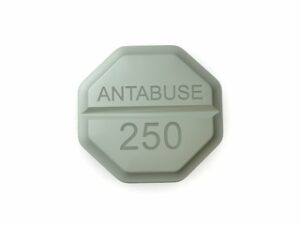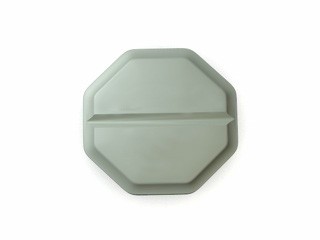

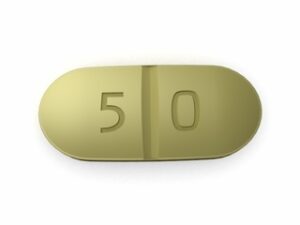
Disulfiram (Disulfiram) — Patient Information
Disulfiram is a medicine used to help some people with alcohol dependence stay away from alcohol. It works by making the body react unpleasantly when alcohol is consumed, which can help discourage drinking. This page explains how disulfiram works, how it is taken, important safety information, and what to expect in day-to-day use.
Key product information
- Medicine name: Disulfiram
- Common uses: Support for alcohol dependence (as part of a wider treatment plan)
- How it works: Causes unpleasant effects when alcohol is consumed
- Availability: In the UK, disulfiram-containing products may be supplied by pharmacies depending on local supply arrangements and product availability
- Important note: Disulfiram is not an “alcohol replacement” and should be used alongside appropriate support and lifestyle planning
How disulfiram works (mechanism of action)
Disulfiram interferes with an enzyme involved in alcohol breakdown. Normally, the body metabolises alcohol (ethanol) through several steps. One key step involves an enzyme called aldehyde dehydrogenase.
When disulfiram blocks this step, alcohol breakdown slows down and a chemical called acetaldehyde builds up. Acetaldehyde is associated with the characteristic unpleasant reaction that can occur after drinking alcohol while taking disulfiram.
The intensity and timing of reactions vary between individuals, but the goal is to make alcohol consumption feel distinctly uncomfortable, supporting long-term abstinence.
Pharmacokinetics (how the body handles disulfiram)
Understanding pharmacokinetics can help explain why disulfiram’s effects may persist after stopping. Individual responses vary, and factors such as liver function can influence the way the medicine is processed.
- Absorption: Disulfiram is absorbed after oral dosing.
- Distribution: It distributes into body tissues, including the liver where alcohol metabolism occurs.
- Metabolism: Disulfiram is metabolised in the body, and it also acts through intermediate compounds that inhibit alcohol metabolism.
- Elimination: The medicine and its effect can last longer than the time taken to swallow a tablet, which is why avoiding alcohol (and some alcohol-containing products) must continue after stopping.
- Onset: The “sensitivity” to alcohol may develop with regular dosing and may vary depending on how long disulfiram has been taken.
If you miss doses, or if you stop and restart, talk to a healthcare professional for personal advice on how to manage alcohol avoidance safely.
Typical use and role in treatment
Disulfiram is used in people who have alcohol dependence. It is typically part of a broader approach that may include counselling, support groups, relapse prevention strategies, and monitoring.
Disulfiram may suit some people who:
- Want an additional deterrent to help maintain abstinence
- Have a structured support plan
- Can reliably avoid alcohol-containing products
- Have been assessed as suitable for disulfiram by a clinician
Disulfiram is not appropriate for everyone, and suitability depends on medical history (particularly liver health, heart health, and other conditions).
When to take disulfiram (timing and routine)
Follow the dosing schedule provided with your specific product and clinician advice. In general:
- Consistent timing: Many people take disulfiram once daily at the same time to maintain steady effect.
- Avoid alcohol completely: The key requirement is strict avoidance of alcohol in drinks and many everyday products.
- Plan ahead: If you expect to be around alcohol (events, parties, celebrations), discuss alternatives and safety steps in advance.
If you are unsure about timing after missing a dose, seek advice from a healthcare professional rather than guessing.
Food and alcohol interactions
Food interactions
Disulfiram can usually be taken with or without food, but personal tolerability may vary. If your stomach is sensitive, taking it with food may help reduce discomfort. Always follow your product instructions and clinical advice.
Alcohol interactions (very important)
The most important interaction is with alcohol. Drinking alcohol while taking disulfiram can trigger a severe reaction that may include:
- Flushing (face/neck reddening)
- Nausea and vomiting
- Headache
- Palpitations (fast heartbeat)
- Low blood pressure, dizziness or fainting
- Shortness of breath or chest discomfort
- In severe cases, shock-like illness
Disulfiram can also react with alcohol contained in some everyday items. Strict avoidance should include:
- Alcoholic drinks: beer, wine, spirits, cocktails
- Medicines and cough/cold remedies that contain alcohol
- Some mouthwashes and antiseptic products (check labels)
- Aftershave, perfumes, and fragranced products that may contain alcohol (avoid intentional use on large skin areas)
- Cooking products containing alcohol (including some sauces or marinades)
If you are uncertain whether a product contains alcohol, check the ingredients list. When in doubt, ask your pharmacist.
Interactions with other medicines
Disulfiram can interact with other medicines, and some combinations may increase risk of side effects or change disulfiram’s effects. Always check interactions before starting new medicines, including over-the-counter products and herbal supplements.
Key points to consider:
- Medicines containing alcohol: Avoid where possible (or discuss with your pharmacist).
- Drugs affecting liver function: Because disulfiram may stress the liver in some people, combining with other potentially liver-impacting medicines should be carefully considered.
- Warfarin and other anticoagulants: Drug interactions may occur; close monitoring may be required.
- Some antidepressants and sedatives: The overall safety profile may be affected; seek professional advice.
This is not a complete list. Tell your pharmacist about all medicines you take, including:
- Prescription medicines
- Over-the-counter products (including cold/flu remedies)
- Herbal products and supplements
- Topical products applied to skin or used in the mouth (where relevant)
Indications (what disulfiram is used for)
Disulfiram is indicated for use in people with alcohol dependence, to help support abstinence by causing an adverse reaction if alcohol is consumed.
It may be recommended when:
- The person is motivated to avoid alcohol
- Other approaches may be insufficient or disulfiram is considered appropriate based on medical assessment
Dosing (general guidance)
Dosing varies by patient and product strength. The dosing plan should be tailored by a healthcare professional, taking into account factors such as age, liver function, and prior treatment history. Always use the dose on your product instructions.
| Stage | Typical approach (general) | What to watch for |
|---|---|---|
| Starting | Often begins with a monitored initiation period to assess tolerance and ensure understanding of strict alcohol avoidance | Tell a clinician promptly about any unusual symptoms |
| Maintenance | Continues once daily dosing to support abstinence, adjusted as needed | Look out for side effects such as headache, fatigue, or mood changes |
| Missed dose / stopping | Do not “experiment” with alcohol to test the effect; follow clinical advice on how long to remain alcohol-free after stopping | Adverse reactions can occur even after changes in dosing |
Practical reminder: If you are starting disulfiram, ask your pharmacist to confirm your dosing schedule and a “safe alcohol-free period” plan for any events or travel.
Safety profile (who should be cautious)
Like all medicines, disulfiram can cause side effects. The risk profile depends on individual health, including liver and heart function. People considering disulfiram should be assessed for suitability.
Common side effects
- Headache
- Fatigue or drowsiness
- Metallic taste
- Nausea or abdominal discomfort
- Skin reactions (in some cases)
Serious side effects (seek urgent advice)
Seek urgent medical help if you develop symptoms suggestive of a serious reaction, including:
- Severe or persistent vomiting
- Fainting, severe dizziness, or signs of shock
- Chest pain, severe palpitations, or difficulty breathing
- Signs of liver problems: yellowing of the eyes/skin (jaundice), dark urine, severe upper abdominal pain, or persistent nausea
- Severe rash, swelling, or breathing difficulties
When disulfiram may not be suitable
Disulfiram may be unsuitable or requires extra caution in people with certain conditions. Extra care may be needed if you have:
- Significant liver disease or abnormal liver tests
- Severe heart disease or conditions that make low blood pressure risky
- Psychiatric conditions (especially where mood and cognition can be affected)
- Neurological conditions
- Known hypersensitivity to disulfiram or related ingredients
If any of these apply, discuss with your clinician before using disulfiram.
Practical use tips for safe, effective treatment
- Read labels carefully: Alcohol can be present in some cough syrups, mouth products, and some “non-alcoholic” alternatives may still contain small amounts—always check.
- Carry a list: Consider keeping a note in your phone or wallet stating you take disulfiram and must avoid alcohol.
- Plan for dental and medical procedures: Some medical preparations may contain alcohol. Inform healthcare professionals that you are taking disulfiram.
- Be cautious with mouth products: Avoid mouthwashes containing alcohol; opt for alcohol-free versions where available.
- Never “test” the reaction: Do not drink small amounts to see what happens—reactions can be unpredictable and may be severe.
- Monitor wellbeing: If mood or sleep changes occur, seek advice rather than ignoring symptoms.
What to do if you accidentally consume alcohol
If alcohol is consumed while taking disulfiram, symptoms may occur. The reaction can range from unpleasant to potentially dangerous, depending on the amount of alcohol and individual sensitivity.
- If symptoms are mild: Stop taking alcohol immediately and seek advice from a healthcare professional or NHS 111 for guidance.
- If symptoms are severe (or you feel very unwell): seek urgent medical help (call 999 or go to the nearest emergency department).
If possible, provide healthcare professionals with:
- What you consumed and roughly when
- Your disulfiram dose and when you last took it
- Any other medicines you have taken
Alternative options (discuss with a clinician)
There are several other medicines and approaches used in alcohol dependence. Your best option depends on your medical history, treatment goals, and the support available.
Other medicine options commonly considered in alcohol dependence
- Naltrexone: Can help reduce cravings for alcohol in some people.
- Acamprosate: Helps maintain abstinence after alcohol withdrawal.
- Other supportive approaches: Psychological therapies, structured counselling, and relapse prevention programmes.
For many people, the most effective strategy combines medication (if appropriate) with psychosocial support. Discuss options with a healthcare professional to find what fits best.
UK market and legal context (United Kingdom)
In the UK, medicines are regulated by the Medicines and Healthcare products Regulatory Agency (MHRA) and are supplied according to legal requirements. Alcohol dependence treatments may require careful suitability checks due to safety considerations and the need to review medical history.
Pharmacy supply practices may vary depending on product availability, local protocols, and clinical screening requirements. Your pharmacy can advise what is currently available.
Recent guidance and practical expectations
Treatment for alcohol dependence in the UK typically emphasises:
- Comprehensive assessment of suitability for any alcohol-related medicine
- Ongoing monitoring for side effects, particularly liver-related concerns for medicines where relevant
- Integration with psychosocial support and harm minimisation strategies
- Clear counselling on avoiding alcohol and alcohol-containing products where necessary
Guidance and local service availability can change. If you are starting disulfiram, confirm the latest local advice with your healthcare team.
Delivery and availability (UK)
Availability of disulfiram products can vary. When placing an order, you may see options for:
- In-stock delivery: where the item is available locally or via a fast dispatch route
- Order-and-dispatch timelines: depending on supplier stock levels
Delivery times depend on the service selected at checkout and your location within the UK. If a product is temporarily unavailable, you may be offered alternatives or an estimated restock date.
For the safest outcome, ensure the product you receive matches the strength and form you expected, and check the expiry date on the packaging.
How to store disulfiram
- Store at room temperature, away from direct heat and sunlight.
- Keep out of sight and reach of children.
- Keep the container tightly closed.
- Do not use after the expiry date printed on the pack.
FAQ — Disulfiram (United Kingdom)
1) Can I drink alcohol while taking disulfiram?
No. Alcohol can trigger a potentially dangerous reaction. You should avoid alcoholic drinks completely and also check for alcohol in medicines and everyday products.
2) What counts as “alcohol” beyond drinks?
Alcohol can be present in some cough/cold medicines, mouthwashes, antiseptics, and certain cooking products. Always read labels and ask your pharmacist if you’re unsure.
3) How long do I need to avoid alcohol after stopping disulfiram?
Disulfiram’s effect can persist because the medicine and its metabolites may remain active for some time. The exact duration varies by individual and dose. Ask your pharmacist or clinician for advice tailored to you.
4) What should I do if I accidentally consume alcohol?
Stop drinking immediately. If you feel unwell or develop severe symptoms (such as chest pain, severe vomiting, fainting, or breathing difficulty), seek urgent medical help. For mild symptoms, contact NHS 111 or your healthcare team for guidance.
5) Can disulfiram be taken with food?
Many people can take disulfiram with or without food. If stomach upset occurs, taking it with food may help. Follow your product instructions and clinician advice.
6) Are there particular medicines I must avoid?
Medicines containing alcohol (including some cough medicines) should be avoided, and some drug combinations may increase risks. Provide your pharmacist with a full list of medicines and supplements so they can check interactions.
7) Will disulfiram cure alcohol dependence?
Disulfiram helps support abstinence by discouraging alcohol use. It is most effective when combined with supportive care such as counselling and relapse prevention planning.
8) What side effects are most common?
Headache, tiredness, and nausea can occur in some people. Contact a clinician if symptoms are bothersome or persistent.
9) When should I seek urgent help?
Seek urgent medical help if you develop severe vomiting, fainting, severe dizziness, chest pain, severe palpitations, breathing difficulty, or symptoms suggestive of liver problems.
10) Is disulfiram suitable for everyone with alcohol dependence?
No. Suitability depends on medical history, especially liver and heart health, and on your ability to strictly avoid alcohol and alcohol-containing products. A healthcare professional can assess whether disulfiram is appropriate for you.
Important reminder: This information is designed to help you understand disulfiram. For advice specific to you—especially regarding your dose, alcohol avoidance duration after stopping, and interactions with your other medicines—seek guidance from a qualified healthcare professional or pharmacist.