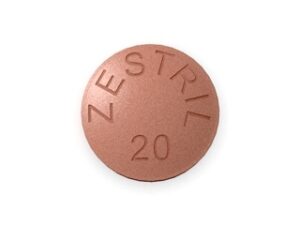

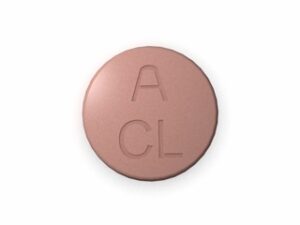
Calan SR (Verapamil) — Patient Information
Calan SR is a brand of medicine containing verapamil, provided in a form designed to release the drug slowly over time. In the UK it is commonly used for certain heart rhythm problems and, in some cases, for angina and high blood pressure (depending on the individual and the condition being treated).
This page explains how Calan SR works, how it is used, common safety information, and practical tips to help you take it correctly. If you are unsure about your treatment plan or what your medicine is for, check with your pharmacist or prescriber.
Key information at a glance
- Active ingredient: Verapamil
- Brand: Calan SR
- Formulation: Slow/modified release (SR)
- Medicinal use: Heart rate/rhythm and cardiovascular conditions
- Common dosing frequency: Often once daily for SR tablets (varies by strength and indication)
- Important safety note: Verapamil can affect heart rate and blood pressure; interactions are possible with several medicines
What is Calan SR?
Calan SR is a slow-release tablet containing verapamil. Slow release means the medicine is released gradually, which helps maintain more steady levels in the body throughout the day.
In the UK, verapamil products may be prescribed for different cardiovascular indications. Your exact dose and timing depend on why you’re taking it, your age, kidney and liver function, and how your heart responds.
How verapamil works (mechanism of action)
Verapamil is a calcium channel blocker (mainly affecting calcium movement into heart and blood vessel cells). It helps to:
- Slow down the heart rate by reducing electrical conduction through the atrioventricular (AV) node.
- Reduce the force of heart contraction to some extent, which can lower the heart’s workload.
- Relax blood vessels, which can help lower blood pressure and reduce strain on the heart.
These actions are useful in conditions where controlling heart rate/rhythm is important, and in some cases of angina and hypertension.
Pharmacokinetics (how the body handles it)
“Pharmacokinetics” describes what the body does to the medicine—how it is absorbed, distributed, metabolised, and eliminated. For SR formulations, the key features are slow absorption and sustained drug levels.
- Absorption: Verapamil is absorbed after oral dosing; SR tablets are designed for gradual release.
- Time to effect: SR tablets provide a more gradual onset and steadier concentrations compared with immediate-release formulations.
- Metabolism: Verapamil is metabolised mainly in the liver (primarily via CYP3A4).
- Elimination: The drug and its metabolites are removed from the body through renal (kidney) and other routes.
- Protein binding: Verapamil is known to be highly protein-bound, which may influence interactions.
Because liver metabolism is involved, people with liver impairment may need extra monitoring and dose adjustment.
Typical use in the UK
Calan SR (verapamil SR) is used to treat certain cardiovascular conditions. Your specific indication depends on your diagnosis and clinical assessment.
Common indications may include:
- Supraventricular tachycardia (fast heart rhythms originating above the ventricles), where rate control is required.
- Heart rhythm control in certain tachyarrhythmias, under specialist guidance.
- Angina (chest pain due to reduced blood flow to the heart), sometimes as part of a treatment plan.
- Hypertension (high blood pressure) in selected circumstances.
Not every patient will use verapamil for all these conditions. If you’re unsure what your course is meant to treat, check your medicine label and ask your clinician or pharmacist.
When to take Calan SR (timing and how to use it)
Follow the dosing instructions on your label. SR tablets usually help you take the medicine once daily, but some people may be prescribed twice daily depending on their condition and tablet strength.
Practical timing tips
- Pick a routine: Take it at the same time each day.
- Keep it consistent: If your dosing schedule changes due to other medicines, your clinician may recommend monitoring.
- Swallow whole: Do not crush or chew SR tablets unless your healthcare professional tells you it’s safe. Crushing can change how the medicine is released.
- Missed dose: If you forget a dose, take it when you remember unless it’s close to your next dose. Do not take a double dose.
If you’re starting Calan SR, your prescriber may gradually adjust your dose. Early in treatment, it’s important to monitor symptoms such as dizziness, faintness, or unusually slow heartbeat.
Food interactions
Food can affect how some medicines are absorbed. For verapamil SR, the effect of food may vary by formulation and individual response.
- General advice: Take Calan SR consistently with respect to meals (for example, always with food or always on an empty stomach) unless your clinician advises otherwise.
- Grapefruit and bitter orange: These can increase verapamil levels in the body and may raise side effect risk. It’s generally advised to avoid grapefruit products while taking verapamil.
- High-fibre meals and meal timing: If you notice unexpected changes in how you feel, discuss it with your pharmacist; they can advise whether your timing should be adjusted.
Alcohol and medicine interactions
Alcohol may increase dizziness, drowsiness, or light-headedness when taking medicines that affect the heart and blood vessels. Verapamil can lower heart rate and blood pressure, and alcohol can also lower blood pressure or impair coordination.
Alcohol advice
- Be cautious: Avoid or limit alcohol, especially when starting treatment or when adjusting your dose.
- Watch for symptoms: If you feel faint, unusually weak, or have blurred vision, avoid alcohol and seek advice.
Medicine interaction highlights
Verapamil has potentially important drug interactions. This is because it affects heart conduction and because many medicines influence the liver enzymes that metabolise verapamil. Always keep your healthcare team informed about all medicines you take, including over-the-counter products and herbal supplements.
Medicines that may increase verapamil levels (example interaction types):
- CYP3A4 inhibitors (some antibiotics/antifungals/antivirals; examples include clarithromycin or certain azole antifungals).
- Cimetidine (a medicine that reduces stomach acid) may also increase levels.
Medicines that may lower heart rate too much:
- Beta-blockers (e.g., bisoprolol, metoprolol) — together they may increase risk of slow heart rate and conduction problems.
- Other rate-slowing drugs used for heart rhythm.
Medicines that may be affected by verapamil or affect it:
- Digoxin — verapamil can change digoxin levels; monitoring may be needed.
- Statins — some statins may have altered levels when taken with verapamil; your clinician may choose a safer statin or adjust dose.
- Antiarrhythmics — combinations can increase risk of heart conduction issues.
- Immunosuppressants or other medicines metabolised by liver enzymes may require careful management.
If you’re unsure whether a specific medicine interacts with verapamil, consult a pharmacist.
Dosing: how much is usually taken?
Dosing varies based on your condition, age, and response. SR tablets are available in different strengths. Your label will specify exactly what you should take.
General dosing principles (not a substitute for your label)
- Start low, adjust carefully: Many patients begin with a lower dose and are increased gradually if needed.
- Once daily is common for SR: However, some patients may be prescribed twice daily depending on formulation and goals.
- Monitor heart rate and blood pressure: If your heart rate becomes too slow or you develop dizziness, your dose may need adjustment.
Example dosing schedule (for understanding only)
Different strengths exist and regimens can vary. Always follow the prescription label provided with your medicine.
| Condition (general) | Typical SR approach | Notes |
|---|---|---|
| Rate control in certain tachyarrhythmias | Often once daily with possible adjustment | Dose is tailored to heart rate and symptoms |
| Angina | Once or twice daily depending on plan | May be combined with other antianginal medicines |
| Hypertension | Once daily in many cases | BP targets and tolerability determine dose |
Do not change your dose without medical advice. If you miss doses repeatedly, consult a pharmacist about how to restart safely.
Safety profile: what to watch for
Like all medicines, Calan SR can cause side effects. Many people tolerate verapamil well, but you should be aware of symptoms that may indicate low blood pressure, slowed heart rate, or other issues.
Common side effects
- Dizziness or light-headedness
- Headache
- Constipation (a well-known effect of verapamil in some people)
- Swelling (ankles/feet) due to fluid retention
- Feeling tired or weak
- Nausea
Serious side effects (seek urgent advice)
Contact urgent medical help or seek immediate advice if you develop symptoms such as:
- Fainting or severe dizziness
- Very slow heartbeat or palpitations with feeling unwell
- Breathing difficulties or severe swelling
- Chest pain that is severe or worsening
- Signs of an allergic reaction (swelling of face/lips, rash, difficulty breathing)
Who should take extra care?
- People with heart conduction problems (e.g., certain types of AV block) or very slow resting heart rate.
- People with heart failure or reduced heart pumping function—this should be specialist-guided.
- Liver impairment, because verapamil is metabolised in the liver.
- Older adults, who may be more sensitive to blood pressure lowering and dizziness.
- Those taking multiple interacting medicines.
Practical use tips to help you get the most from Calan SR
- Stand up slowly: If you feel light-headed, get up gradually from sitting or lying down.
- Stay hydrated: Dehydration can worsen low blood pressure and dizziness.
- Manage constipation: Drink enough fluids, consider fibre, and speak with your pharmacist about suitable constipation relief if needed.
- Check your pulse: If you’ve been advised to monitor your heart rate, do so at the same time each day and record results.
- Avoid grapefruit: It may increase verapamil levels, raising side-effect risk.
- Keep a medicine list: Carry a list of all medicines and supplements you take, especially if you visit urgent care or another clinician.
- Do not stop suddenly: Stopping verapamil without guidance may worsen symptoms in some cases. If you need to stop, your clinician will advise how.
Alternatives to Calan SR (verapamil)
Alternative options depend on what condition you are treating. Your clinician chooses the most appropriate medicine based on your heart rhythm, blood pressure, other conditions, and interaction risk.
Possible alternative medicines (depending on indication)
- Diltiazem (another non-dihydropyridine calcium channel blocker) — may be used for similar rate control purposes.
- Beta-blockers (e.g., bisoprolol, metoprolol) — commonly used for rate control and angina in suitable patients.
- Other antianginal drugs (e.g., nitrates) — for angina symptom relief.
- Hypertension alternatives such as ACE inhibitors, angiotensin II receptor blockers, thiazide-like diuretics, or other classes—chosen based on your medical history.
Your pharmacist can also discuss non-medicine alternatives that may be part of heart care, such as lifestyle measures and monitoring plans.
Indications overview (what it’s used for)
Verapamil is used when slowing heart conduction and controlling heart rate is beneficial, and in some cases to reduce chest pain and control blood pressure. The final choice of indication and dose is determined by your diagnosis and overall health.
- Heart rhythm/tachyarrhythmias: for controlling certain fast heart rhythms.
- Angina: to help reduce frequency or severity of chest pain episodes.
- Hypertension: in selected patients as part of a broader blood pressure strategy.
Recent guidance and monitoring (UK context)
In the UK, cardiovascular prescribing generally follows evidence-based guidance and local formularies. Ongoing clinical practice emphasises:
- Careful interaction checks with medicines that affect the liver or heart rhythm.
- Monitoring blood pressure and pulse, especially after dose changes.
- Appropriate selection in patients with comorbidities such as liver disease or heart failure.
- Patient education about symptoms that require urgent attention (e.g., fainting, severe dizziness, significant slowing of pulse).
If you have had recent changes to your health or started new medicines, re-check interactions with your pharmacist.
Market and legal context for the United Kingdom
Medicines containing verapamil are established in UK practice for relevant cardiovascular conditions. Availability may depend on formulation and strength, and supply routes follow UK medicines regulations.
Pharmacy services in the UK may offer delivery options and safety checks as part of dispensing. Always ensure the product you receive matches your intended formulation (SR where prescribed).
Delivery and availability
Calan SR may be available from online pharmacies in the UK depending on stock levels, strengths, and supply agreements. Delivery times vary by service provider and location, and may include options such as standard or expedited delivery where available.
- Stock may vary: Availability depends on supply and demand.
- Packaging: Products are supplied in their original packaging where possible.
- Contact support: If your order is delayed or if you need clarification about your medicine, contact customer support.
Frequently asked questions (FAQ)
1) Is Calan SR the same as regular verapamil?
Calan SR refers to a slow-release (SR) formulation. This differs from immediate-release or other forms of verapamil, which may release the medicine faster. Do not substitute formulations unless advised.
2) How long does it take to work?
Many people notice changes in symptoms such as heart rate control or chest discomfort within days, but full stabilisation can take longer. SR tablets provide more sustained effects. If you don’t feel improvement or your symptoms worsen, seek advice promptly.
3) What should I do if I miss a dose?
Take it when you remember unless it is close to your next dose. If it’s near the next dose, skip the missed dose. Do not take a double dose. If you miss several doses, speak to a pharmacist for tailored guidance.
4) Can I take Calan SR with food?
Many people can take verapamil SR with or without food. For consistent absorption, it’s best to take it the same way each day. Avoid grapefruit products unless your pharmacist says otherwise.
5) Can I drink alcohol?
It’s best to limit alcohol, particularly when starting treatment or after dose changes, because alcohol may increase dizziness or lower blood pressure. If you feel faint or unusually unwell, avoid alcohol and seek advice.
6) What are the most important drug interactions?
Interactions can include medicines that affect the liver enzymes involved in verapamil metabolism (which can raise verapamil levels), and medicines that also slow heart rate or conduction. Always check with a pharmacist, especially if you’re starting antibiotics, antifungals, antiviral medicines, or new heart drugs.
7) Does verapamil cause constipation?
Yes, constipation is a common effect reported with verapamil. Increasing fluids and fibre can help. If constipation becomes troublesome, ask your pharmacist about suitable remedies.
8) Can I stop Calan SR suddenly?
Do not stop suddenly without advice. Stopping verapamil can lead to worsening of symptoms in some patients. If you need to discontinue, your healthcare professional will advise a safe plan.
9) What should I do if I feel dizzy?
Sit or lie down, and avoid driving or operating machinery until you feel steady. If dizziness is severe, persistent, or associated with fainting, contact urgent medical advice. Your dose may need review.
10) Are there alternatives if Calan SR isn’t suitable?
Yes. Depending on your diagnosis, alternatives may include other calcium channel blockers (such as diltiazem), beta-blockers, or different classes of cardiovascular medicines. The best option depends on your overall health and other medicines.
Important patient reminder
This information is designed to help you understand Calan SR (verapamil SR). It does not replace personalised advice from your healthcare professional. If you have symptoms you are worried about—particularly fainting, severe dizziness, breathing problems, or chest pain—seek urgent medical help.
For the safest use, keep your medicine label, read the patient leaflet supplied with your pack, and check interactions whenever you start or stop another medicine.