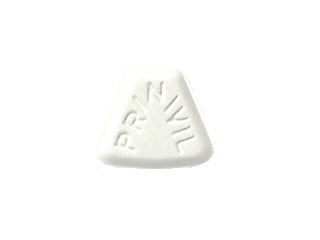
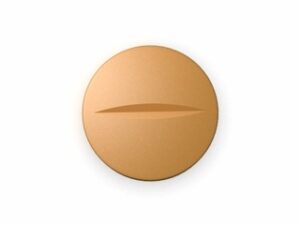

Prinivil (Lisinopril) — Patient Information (UK)
Prinivil contains lisinopril, a medicine used to treat certain conditions affecting the heart and blood vessels. This page explains what Prinivil is, how it works, how to take it safely, and what to expect. It is written for people in the United Kingdom and uses UK wording and general clinical practice.
Important: Always follow the advice of a qualified healthcare professional who knows your medical history. If you have concerns about side effects, interactions, or the right dose for you, speak to your doctor or pharmacist.
1. Basic product information
| Item | Details |
|---|---|
| Medicine name | Prinivil |
| Active ingredient | Lisinopril |
| Medicinal class | ACE inhibitor (angiotensin-converting enzyme inhibitor) |
| Common forms | Tablets of various strengths (availability may vary) |
| How it is used | Taken by mouth, usually once daily |
| Target conditions (examples) | High blood pressure, heart failure, and after certain heart attacks |
2. How Prinivil works (mechanism of action)
Lisinopril is an ACE inhibitor. It works by blocking an enzyme (ACE) that helps produce angiotensin II, a substance that tightens blood vessels and increases blood pressure. By reducing angiotensin II:
- Blood vessels relax, which helps lower blood pressure.
- The heart often works with less strain (particularly helpful in heart failure).
- Some body systems that retain salt and water are affected, helping reduce fluid build-up.
In addition, ACE inhibition can increase levels of bradykinin. This is one reason ACE inhibitors can sometimes cause a dry, persistent cough and, rarely, angioedema (swelling of deeper layers of skin and tissues).
3. Pharmacokinetics — what the body does to lisinopril
“Pharmacokinetics” describes how a medicine is absorbed, distributed, metabolised, and eliminated.
- Absorption: Lisinopril is absorbed after swallowing a tablet. Absorption is not strongly dependent on food.
- Peak levels: Blood levels typically peak within several hours after a dose.
- Metabolism: Lisinopril is not extensively metabolised by the body.
- Elimination: It is mainly removed by the kidneys. Because of this, the dose may need adjustment if you have kidney problems.
- Half-life: The duration of action is long enough for many people to take it once daily.
Because elimination depends largely on kidney function, doctors often monitor kidney-related blood tests (such as creatinine and potassium) after starting and during treatment.
4. Typical uses in the UK
Prinivil is commonly prescribed for conditions including:
- High blood pressure (hypertension): To lower blood pressure and reduce cardiovascular risk.
- Heart failure: To help relieve symptoms and improve outcomes, often as part of a wider treatment plan.
- After a heart attack (myocardial infarction): In selected patients to support heart function and reduce complications.
- Other specialist indications: Depending on your clinical circumstances and local guidance.
Your healthcare professional will decide whether Prinivil is suitable based on your condition, test results, and other medicines you take.
5. When to take Prinivil — timing and routine
For many adults, Prinivil is taken at about the same time each day. You may be advised to:
- Take it at the same time daily to help remember.
- Swallow the tablet(s) with water.
- If you feel dizzy, ask your pharmacist whether taking it in the evening might help (only change timing if advised).
Missed dose: If you miss a dose, take it when you remember unless it is close to your next dose. Do not take a double dose to make up for a missed tablet.
Stopping: Do not stop suddenly without medical advice. Stopping ACE inhibitors can worsen symptoms and blood pressure control.
6. Food interactions — can you take it with meals?
In general, food does not significantly affect lisinopril’s effect for most people. You can usually take Prinivil with or without food.
That said, always try to take it consistently—if you take it with breakfast, continue with breakfast daily.
7. Alcohol and medicine interactions
Alcohol
Alcohol may increase the chance of light-headedness or dizziness, especially when starting treatment or when your dose is increased. Alcohol can also affect blood pressure control. If you drink alcohol, consider:
- Starting with smaller amounts
- Avoiding heavy drinking after dose changes
- Seeking advice if you experience faintness or unusual tiredness
Important medicine interactions
Several medicines can interact with ACE inhibitors. Always tell your doctor or pharmacist about all medicines and supplements you use, including over-the-counter products.
Common interaction areas include:
- Potassium supplements and potassium-containing salt substitutes: may increase the risk of high potassium (hyperkalaemia).
- Diuretics (especially “potassium-sparing” types): can change potassium levels and blood pressure effects.
- Non-steroidal anti-inflammatory drugs (NSAIDs) (e.g., ibuprofen, naproxen, diclofenac): regular or high-dose use may reduce kidney function and lower the blood-pressure effect. Dehydration increases this risk.
- Other blood pressure medicines: may increase the chance of low blood pressure, particularly at the start or after dose changes.
- Medicines for diabetes (insulin or tablets): ACE inhibitors may enhance glucose-lowering in some people, occasionally causing low blood sugar—watch for symptoms.
- Lithium: ACE inhibitors can increase lithium levels, increasing toxicity risk—this combination requires specialist monitoring.
- Immunosuppressants (for example, some chemotherapy or transplant-related medicines): may increase infection or blood count-related risks.
Dual ACE/ARB therapy caution: Medicines that act on the renin–angiotensin system are usually combined only under close supervision. In many situations, using more than one such medicine can increase risks like kidney impairment and high potassium. Your healthcare team will advise if any combination is appropriate.
8. Indications — when Prinivil is used
Below are common indications. Your local treatment plan may vary based on your medical history and the results of investigations.
- Hypertension: To reduce elevated blood pressure and lower risk of stroke, heart disease, and kidney complications.
- Heart failure: To reduce symptoms and hospital admissions and to improve long-term outcomes in eligible patients. Often used alongside other medicines such as beta-blockers and diuretics.
- After myocardial infarction: To support patients who may benefit from ACE inhibition after a heart attack, particularly where there are signs of left ventricular dysfunction or other risk factors.
Your clinician will consider your kidney function, blood potassium levels, blood pressure, and other medicines before starting.
9. Dosing — how Prinivil is usually started and adjusted
Doses vary widely depending on the condition being treated and your kidney function. The following information is a general guide; your actual dose may differ.
General principles
- Start low, go slow: Many people begin with a lower dose, especially if they are older, have reduced kidney function, low blood pressure, or are taking diuretics.
- Monitoring is key: Blood tests for kidney function and potassium are typically checked after starting and after dose changes.
- One daily dose: Most patients take lisinopril once per day.
Typical dosing patterns (general)
- High blood pressure: Starting doses are often adjusted based on response and tolerability.
- Heart failure: Lower starting doses are typical, with gradual increases under supervision.
- After a heart attack: Starting and titration depend on stability, blood pressure, kidney function, and symptoms.
Kidney impairment: Because lisinopril is cleared by the kidneys, doctors may adjust dosing if you have chronic kidney disease or reduced kidney function.
Missed dose reminder: If you miss a dose, take it as soon as possible unless close to the next dose. If you’re unsure, ask your pharmacist.
10. Safety profile — who should be cautious?
Prinivil is generally well tolerated for many people, but it can cause side effects. Some are mild; others require urgent medical attention.
Common side effects
- Dizziness or light-headedness (often related to blood pressure changes)
- Dry, persistent cough
- Headache or tiredness
- Nausea and stomach discomfort in some people
Less common but important side effects
- Low blood pressure (especially after the first dose or dose increases)
- High potassium (may not cause noticeable symptoms but can be detected on blood tests)
- Kidney function changes (monitored by blood tests)
Seek urgent medical help if you notice
Contact emergency services or urgent care immediately if you experience signs of severe allergic reaction or angioedema, such as:
- Swelling of the face, lips, tongue, or throat
- Difficulty breathing or swallowing
- Severe rash or widespread hives
ACE inhibitors can cause angioedema rarely, but when it occurs it can be life-threatening.
When to contact your healthcare team promptly
- Reduced urination or sudden swelling
- Marked fatigue, muscle weakness, or abnormal heartbeat sensations (possible high potassium)
- Fainting or severe dizziness
- Signs of infection (e.g., fever, sore throat) — especially if you feel unwell unexpectedly
11. Practical use tips — getting the best and safest results
- Keep appointments for blood tests: Kidney function and potassium are monitored, particularly after starting and increasing dose.
- Stand up slowly: This can reduce dizziness and faintness, especially early in treatment.
- Stay hydrated: Avoid dehydration, particularly during hot weather or illness (unless your clinician has restricted fluids).
- Check “hidden” potassium: Some salt substitutes and electrolyte drinks contain potassium.
- Avoid frequent NSAID use: If you need pain relief, ask your pharmacist what is safest for you.
- Track blood pressure: Home readings can help your clinician adjust treatment.
- Tell healthcare providers you use an ACE inhibitor: Carry a list of your medicines if you attend appointments or hospital.
Illness precautions (“sick day” approach): If you become seriously unwell (for example, vomiting, severe diarrhoea, or dehydration), you may need advice about whether to temporarily withhold certain medicines, including ACE inhibitors. Always follow guidance given by your clinician or NHS “sick day” advice if provided.
12. Alternative options (if Prinivil isn’t suitable)
Depending on your condition and tolerance, doctors may consider other treatments. Alternatives include:
- Other ACE inhibitors: Such as enalapril or ramipril (similar mechanism; different dosing and tolerability).
- ARBs (angiotensin receptor blockers): Such as losartan, valsartan, candesartan. Often considered if an ACE inhibitor causes an intolerable cough.
- Other blood-pressure medicines: such as calcium channel blockers or thiazide-like diuretics, depending on individual needs.
Your clinician will choose the most suitable option based on your blood pressure, kidney function, potassium levels, and the reason for treatment.
13. UK market and legal context — what matters for patients
In the UK, lisinopril/Prinivil is regulated as a prescription-only medicine in typical circumstances. Medicines are supplied through pharmacies and authorised channels. The British healthcare system uses structured guidance for cardiovascular medicines, including ACE inhibitors, and emphasises safety monitoring (notably renal function and potassium levels).
Quality and sourcing: In the UK, reputable pharmacies supply medicines from licensed manufacturers and distributors. For online purchases, ensure you use a properly regulated pharmacy website displaying relevant UK information and compliance details.
Pharmacovigilance: Medicines are monitored for safety after marketing. If you experience an unexpected side effect, you can report it via the Yellow Card scheme through the MHRA (Medicines and Healthcare products Regulatory Agency).
14. Recent guidance (general UK practice)
UK clinical practice continues to emphasise:
- Baseline and follow-up blood tests (kidney function and potassium) when starting ACE inhibitors or adjusting dose.
- Careful use in people with kidney disease and those taking interacting medicines.
- Attention to cough and angioedema risk, and switching therapy when needed (e.g., to an ARB).
- Risk-reduction approaches in cardiovascular disease, where ACE inhibitors may form part of a broader strategy.
Guidelines may be updated over time by professional bodies such as NICE (National Institute for Health and Care Excellence) and by cardiology/primary care recommendations. Your clinician will follow the latest evidence and local protocols.
15. Delivery and availability (UK online pharmacy information)
Availability of Prinivil tablet strengths can vary by supplier and market demand. A UK online pharmacy typically provides:
- Stock checks before dispatch
- Estimated delivery times at checkout
- Discrete packaging for privacy
- Customer support for delivery queries
Cold storage: Prinivil tablets do not usually require refrigeration. Store at room temperature and protect from moisture as directed on the package.
Keep out of reach of children.
16. FAQ — Prinivil (Lisinopril) for people in the UK
1) How long does it take for Prinivil to start working?
Some blood-pressure lowering effects may be seen within hours, but full benefit often develops over days to a few weeks as the body adapts and the dose is optimised.
2) What if I feel dizzy after taking my first dose?
Dizziness can occur, particularly when you first start or when the dose increases. Sit or lie down until you feel better. If dizziness is persistent, severe, or you faint, seek urgent medical advice. Contact your pharmacist or prescriber for guidance—your dose may need adjustment.
3) Can I take Prinivil with other medicines for blood pressure?
Often yes—many people use more than one medicine to achieve good control. However, combinations can increase the risk of low blood pressure, kidney strain, or potassium changes. Your healthcare team will guide safe combinations.
4) Why do ACE inhibitors cause a dry cough?
ACE inhibitors can raise bradykinin levels in the airways, which may trigger a dry, persistent cough. If the cough is troublesome, clinicians may consider switching to an ARB.
5) Is Prinivil safe for people with kidney problems?
It can be used, but kidney function must be monitored closely. Dose adjustments and regular blood tests may be needed. If you already have chronic kidney disease or a tendency to high potassium, extra caution is important.
6) Can I drink alcohol while taking Prinivil?
Small amounts may be acceptable for some people, but alcohol can increase dizziness and affect blood pressure. Avoid heavy drinking and be cautious, especially when starting treatment or after dose changes. Ask your pharmacist for personal advice.
7) Are there foods I should avoid?
No specific foods are generally forbidden. However, be mindful of salt substitutes and supplements that may contain potassium. A dietitian or pharmacist can help if you have been advised to follow a potassium-aware diet.
8) What should I do if I take too much?
If you suspect an overdose, seek urgent medical help immediately. In the UK, contact NHS 111 for advice or go to the Emergency Department if symptoms are severe (e.g., fainting, collapse, or breathing difficulties). Keep the medicine pack with you.
9) Can I take ibuprofen or other painkillers?
NSAIDs such as ibuprofen can sometimes affect kidney function and reduce the effect of blood pressure medicines. Occasional use may be possible for some people, but it’s safer to ask your pharmacist what’s suitable for your situation.
10) What happens if I miss a dose?
Take it when you remember unless it’s nearly time for the next dose. Do not take a double dose. If you’re unsure, ask your pharmacist.
11) When should I seek medical help urgently?
Seek urgent help if you experience swelling of the face, lips, tongue, or throat; trouble breathing or swallowing; severe rash; or fainting/very severe dizziness.
Summary
Prinivil (lisinopril) is an ACE inhibitor used to treat conditions such as high blood pressure and heart failure. It relaxes blood vessels and can reduce the workload on the heart. Like all medicines, it needs safe use: monitoring kidney function and potassium, being cautious with interacting medicines (especially NSAIDs, potassium supplements, and lithium), and seeking urgent help if you develop signs of angioedema. With proper guidance and consistent routine, many people benefit from reliable cardiovascular control.
If you’d like, tell me your age range (e.g., 40s/60s), the condition you’re using Prinivil for, and any other medicines you take—and I can help you understand which interactions or monitoring points are most relevant to your situation.