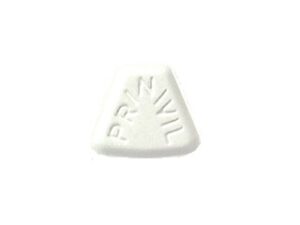
Frumil (Amiloride) – Patient-Friendly Guide (UK)
Frumil is a medicine containing amiloride, used mainly as a diuretic (“water tablet”). It helps the kidneys remove excess fluid from the body while also helping to reduce potassium loss. This means Frumil is often used when doctors want a diuretic effect without causing the typical potassium drop seen with some other water tablets.
This guide explains what Frumil is, how it works, how it’s usually taken, important safety information, possible interactions, and practical tips for safe use in the United Kingdom.
Basic product information
| Feature | Details |
|---|---|
| Active ingredient | Amiloride (Frumil) |
| Medicinal class | Potassium-sparing diuretic |
| Common purpose | Reduce fluid retention and help prevent low potassium |
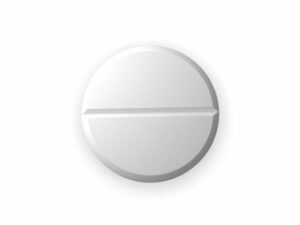
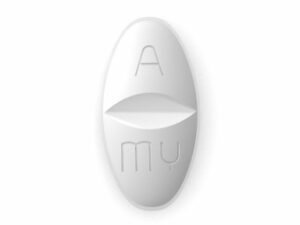
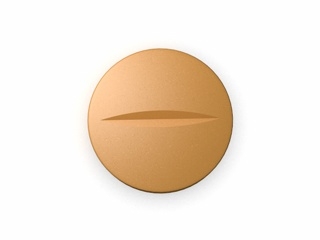
| Typical form | Tablets (strengths may vary by product) |
| Where it fits in therapy | Often used alone or with other diuretics to balance potassium levels |
Note: Brand formulations and strengths can vary. Always check your specific pack for the correct strength and directions.
How Frumil works (mechanism of action)
Frumil contains amiloride, a potassium-sparing diuretic. It acts in the kidney, primarily in the distal tubules (a part of the nephron, the kidney’s filtering unit).
- Blocks sodium reabsorption via the epithelial sodium channel (ENaC).
- This causes the kidneys to excrete more sodium (and therefore water) into the urine.
- Because of the way it affects ion handling, it reduces potassium loss that can occur with many other diuretics.
- As a result, Frumil can help maintain potassium levels—though in some people it may raise potassium.
Why potassium matters: Potassium is essential for normal muscle and nerve function and heart rhythm. Too low potassium (hypokalaemia) can cause weakness and rhythm problems, while too high potassium (hyperkalaemia) can also be dangerous.
Pharmacokinetics (how the body handles amiloride)
Understanding pharmacokinetics helps explain onset, duration, and monitoring needs.
- Absorption: Amiloride is absorbed after oral administration.
- Onset of effect: Diuretic effects generally begin within a few hours after taking a dose.
- Distribution: It distributes into body tissues, with notable relevance to fluid and electrolyte balance.
- Metabolism: Amiloride is not extensively metabolised.
- Elimination: It is primarily eliminated by the kidneys. This is why kidney function is important for safe use.
- Half-life: The duration of action depends on kidney function. Reduced renal function may increase the risk of accumulation and potassium rise.
Clinical takeaway: If you have impaired kidney function, your doctor may require lower doses and more frequent blood tests.
Typical uses of Frumil in the UK
Frumil is prescribed for conditions where reducing fluid retention and/or maintaining electrolyte balance is important. Common reasons include:
- Fluid retention (oedema) in specific conditions, often as part of a broader treatment plan.
- To reduce potassium loss when a person is taking other diuretics that can lower potassium.
- Adjunct treatment in patients where potassium levels are a concern.
- Low potassium prevention in appropriate circumstances under medical supervision.
Which use applies to you depends on your diagnosis, current medicines, and blood test results (particularly potassium and kidney function).
Indications (when Frumil may be recommended)
In clinical practice, amiloride may be indicated for:
- Hypertension in certain cases, sometimes as part of a combination strategy.
- Oedema linked to fluid balance issues (for example, in cardiac-related fluid retention, or other causes depending on the individual plan).
- Management of diuretic-induced electrolyte disturbances, especially helping prevent low potassium from other diuretics.
Important: Indications and suitability vary by person. Your healthcare team will consider your kidney function, potassium levels, and overall medication list.
How to take Frumil: timing and practical guidance
Always follow the instructions on your pack or the advice given by a healthcare professional. The information below is general and patient-oriented.
Timing
- Because Frumil is a diuretic and can increase urination, many people prefer to take it earlier in the day to avoid sleep disruption.
- If you’re prescribed a once-daily dose, morning dosing is common.
- If you’re prescribed a twice-daily dose, dividing doses across the day may be advised.
With or without food
Frumil can generally be taken with or without food. However, taking it at a consistent time each day may help you remember.
Practical use tips
- Stay hydrated unless your healthcare team has restricted fluids.
- Do not double up if you miss a dose. Follow local advice on missed doses or seek guidance.
- Keep track of blood tests if you’re monitored for potassium and kidney function.
- Monitor your symptoms: swelling changes, dizziness, weakness, palpitations, and muscle cramps can be relevant.
- Use a medication organiser (pill box) to improve adherence.
Food interactions
Food interactions are important mainly through their effect on potassium.
- High-potassium diets (for example, very large amounts of certain fruit juices, salt substitutes, and potassium-rich foods) may increase the risk of high potassium when combined with potassium-sparing diuretics like amiloride.
- Salt substitutes: Some “low salt” or salt-replacement products contain potassium chloride. These can be particularly risky in combination with amiloride.
- Alcohol-free lifestyle changes: While not a direct “food interaction,” maintaining consistent eating patterns can help avoid dehydration which may affect kidney function.
Tip: If you use salt substitutes or eat potassium-rich foods frequently, tell your healthcare team so they can advise appropriately.
Alcohol interactions
Alcohol is not a direct chemical interaction with amiloride in the way some medicines are, but it can indirectly affect safety:
- Dizziness or low blood pressure: Both diuretics and alcohol can contribute to feeling lightheaded, especially when standing up.
- Dehydration: Alcohol may contribute to dehydration, which can affect kidney function and electrolyte balance.
Practical advice: If you drink alcohol, do so in moderation and monitor for dizziness or weakness. Avoid binge drinking, and ensure adequate fluid intake unless you’ve been told to restrict fluids.
Medicine interactions (important)
Frumil can interact with several medicines, mostly by affecting potassium levels and kidney handling of electrolytes. Tell your healthcare provider about all medicines you use, including over-the-counter products and supplements.
Medicines that may increase potassium (higher risk of hyperkalaemia)
- ACE inhibitors (e.g., ramipril, lisinopril)
- Angiotensin II receptor blockers (ARBs) (e.g., losartan, valsartan)
- Other potassium-sparing diuretics (e.g., spironolactone, eplerenone)
- Potassium supplements
- Heparin (in certain contexts)
- Trimethoprim (an antibiotic with potassium-sparing potential)
- Non-steroidal anti-inflammatory drugs (NSAIDs) (e.g., ibuprofen, naproxen): can affect kidney function and electrolyte balance.
NSAIDs and kidney function
For some people, taking NSAIDs alongside diuretics can impair kidney perfusion, raising the risk of kidney problems and electrolyte disturbances. If you need occasional pain relief, consider discussing safer options with a pharmacist or GP.
Other considerations
- Lithium: Diuretics may alter lithium levels, potentially causing toxicity. Monitoring is essential if used together.
- Digoxin: Potassium disturbances can affect heart rhythm and digoxin safety.
- Blood pressure medicines: Combined effects may increase dizziness or low blood pressure in some individuals.
Always check with a healthcare professional if starting, stopping, or changing any medicine.
Safety profile and who should take extra care
Like all medicines, Frumil can cause side effects. Many people tolerate it well, but the key safety concern is potassium imbalance and changes in kidney function.
Commonly discussed risks
- High potassium (hyperkalaemia): Can cause muscle weakness, tingling, slow heart rate, or palpitations. Severe cases can be life-threatening.
- Kidney function changes: Because it is eliminated by the kidneys, reduced renal function can increase risk.
- Low blood pressure (hypotension): May occur especially during the early period, or with dehydration.
- Dehydration or dizziness: While potassium is spared, a diuretic effect still exists.
Possible side effects (not exhaustive)
- Dizziness, lightheadedness
- Headache
- Nausea
- Increased urination
- Muscle cramps or weakness (may relate to electrolytes)
- Palpitations or unusual heartbeats (possible electrolyte disturbance)
Seek urgent medical advice if you experience symptoms suggesting dangerously high potassium (for example, severe weakness, fainting, marked palpitations, or severe ongoing dizziness).
Who needs extra monitoring
- Older adults (kidney function may decline with age)
- People with kidney disease
- People taking other medicines that raise potassium (see interactions)
- Those with diabetes or heart failure (often require closer electrolyte monitoring)
Dosing: general information
Dose requirements vary depending on the condition being treated, kidney function, and your current electrolyte levels. Follow your specific instructions.
Typical dosing principles
- Many regimens start with a lower dose and adjust based on response and blood test results.
- Frequency may be once daily or twice daily depending on the plan.
- Renal impairment: Lower doses may be needed to reduce the risk of potassium accumulation.
Missed dose
If you miss a dose, take it as soon as you remember unless it’s close to the time for the next dose. In general, do not take double to make up for a missed tablet. If you’re unsure, ask a pharmacist for advice.
Practical use tips for everyday life
- Attend blood test appointments: If you are monitored, keep these appointments—electrolytes (especially potassium) and kidney function guide safe dosing.
- Know the warning signs: Seek help if you develop unusual weakness, numbness/tingling, severe tiredness, fainting, or significant heartbeat changes.
- Stay consistent with diet: Sudden increases in high-potassium foods or use of potassium-based salt substitutes may be risky.
- Be cautious with OTC products: Some “herbal” or electrolyte-containing products can affect potassium or kidney function.
- Plan around toilet access: Diuretic effects can increase urination, particularly after doses.
Alternative options
Alternative treatment depends on the reason you’re taking Frumil. If amiloride isn’t suitable, clinicians may consider:
- Other diuretics (e.g., loop or thiazide-like agents), sometimes with potassium-sparing strategies depending on potassium levels.
- Spironolactone or eplerenone (also potassium-sparing diuretics) in appropriate cases—these have different side effect profiles and interaction considerations.
- Combination regimens using different diuretic types tailored to electrolyte status and fluid balance.
- Non-diuretic approaches for underlying causes of oedema or blood pressure control, depending on your diagnosis.
Do not switch on your own. If you think you need an alternative, speak with a pharmacist or clinician who can consider your blood results and current medicines.
UK market and legal context (overview)
In the United Kingdom, medicines are regulated by the Medicines and Healthcare products Regulatory Agency (MHRA). Prescription medicines and pharmacy medicines follow specific legal frameworks. The ability to purchase Frumil through an online pharmacy may depend on its classification and current regulations.
For online ordering: We recommend choosing reputable UK pharmacy services that follow legal requirements for safe supply, including identity and medicine-safety checks where required.
Important: Product availability and the method of supply may change over time. Always confirm current options on the website listing and the product page you are using.
Recent guidance and monitoring practices (UK-relevant)
While specific “recent guidance” can evolve, the main UK clinical themes for medicines like amiloride typically include:
- Electrolyte monitoring: Regular checks of potassium and kidney function (often after starting treatment and after dose changes).
- Medication review: A review of all interacting medicines (especially ACE inhibitors, ARBs, NSAIDs, and potassium supplements).
- Patient education: Clear counselling on diet, salt substitutes, and warning signs of electrolyte imbalance.
- Safer use in high-risk groups: Increased caution and monitoring in older adults and those with renal impairment.
If you are unsure about your monitoring schedule, ask your GP practice, clinic, or pharmacist.
Delivery and availability (online pharmacy)
Availability of Frumil may vary by strength and pack size. Reputable online pharmacies generally provide:
- Clear stock information: Showing whether items are currently available.
- Estimated delivery times: Often shown at checkout.
- Packaging: Medicines should arrive in appropriate protective packaging.
- Customer support: Guidance if you have questions about your order.
Delivery advice: Store medicines as instructed on the pack. Keep medicines out of reach of children. If you receive an item that doesn’t match your order, contact the pharmacy promptly.
FAQ about Frumil (Amiloride)
1) What is Frumil used for?
Frumil (amiloride) is used as a potassium-sparing diuretic to help reduce fluid retention (oedema) and, in some situations, to help prevent potassium loss that can occur with other diuretics.
2) How quickly does Frumil work?
Diuretic effects usually start within a few hours after taking a dose. The full clinical effect depends on your condition and dose, and may take days to become fully apparent.
3) Can I take Frumil with food?
In general, Frumil can be taken with or without food. Choose a time that helps you remember and keeps your dosing consistent.
4) Should I avoid salt substitutes?
Many salt substitutes contain potassium chloride. When using amiloride, this may raise potassium levels. It’s best to avoid potassium-based salt substitutes unless your healthcare team has specifically advised it.
5) Are there foods to avoid?
The main issue is very high potassium intake. If you eat large amounts of potassium-rich foods or use potassium-based substitutes, discuss this with your healthcare team, especially if you have kidney problems or you are due for blood tests.
6) What should I do if I miss a dose?
Take it when you remember unless it’s close to your next scheduled dose. Do not double the dose. If unsure, ask a pharmacist.
7) What interactions should I watch for?
Tell your healthcare professional about medicines that may increase potassium (such as ACE inhibitors, ARBs, potassium supplements, trimethoprim) or affect kidneys (such as NSAIDs). Always include over-the-counter painkillers and supplements in your review.
8) Can I drink alcohol while taking Frumil?
Alcohol may increase dizziness or dehydration risk. If you drink, keep it moderate, avoid binge drinking, and watch for lightheadedness.
9) Who should be monitored more closely?
People with kidney disease, older adults, and those taking multiple medicines that affect potassium typically need more frequent monitoring of potassium and kidney function.
10) What symptoms mean I should get urgent help?
Seek urgent medical advice if you develop severe weakness, fainting, significant palpitations, or symptoms suggesting dangerously high potassium or serious dizziness.
Summary
Frumil (amiloride) is a potassium-sparing diuretic used in the UK to support fluid balance and help prevent potassium loss. Its key benefits come from how it acts in the kidney, but safe use relies on monitoring potassium and kidney function and being mindful of interactions and dietary potassium. If you have any concerns—especially about symptoms like dizziness, weakness, or heartbeat changes—contact a pharmacist or healthcare professional promptly.