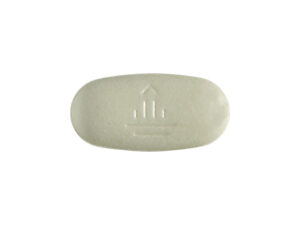
Spironolactone (UK) — Patient-Friendly Guide
Spironolactone is a medicine used to treat fluid retention and certain hormone-related conditions. It belongs to a group known as potassium-sparing diuretics (sometimes called “water tablets”). Unlike many other diuretics, spironolactone helps your body remove excess fluid while typically not causing the same level of potassium loss—making potassium monitoring important.
This guide explains what spironolactone does, how it works, how it is usually taken, what to watch for, and how to reduce the risk of side effects. It is written for people in the United Kingdom.
Basic product information
| Category | Details |
|---|---|
| Medicinal product | Spironolactone |
| Class | Potassium-sparing diuretic; aldosterone antagonist |
| Common strengths | Varies by brand (e.g., 25 mg, 50 mg, 100 mg tablets) |
| How it works | Blocks aldosterone effects in the kidney (helps excrete sodium/water while retaining potassium) |
| Typical use | Fluid retention (oedema), heart failure, hyperaldosteronism, and related conditions as advised |
How spironolactone works (mechanism of action)
Your kidneys help control how much salt (sodium) and water stay in your body. The hormone aldosterone increases sodium reabsorption and encourages potassium loss.
Spironolactone blocks aldosterone at hormone receptors in the kidney’s tubules. As a result:
- Sodium and water are excreted (helping reduce fluid build-up).
- Potassium is retained (reducing potassium loss, but increasing the risk of high potassium).
- In conditions like heart failure, blocking aldosterone can improve fluid balance and reduce strain on the cardiovascular system.
Pharmacokinetics (how your body handles it)
“Pharmacokinetics” describes what happens to the medicine in the body: absorption, distribution, metabolism, and elimination. While individual responses vary, the following general points are helpful:
- Absorption: Spironolactone is absorbed from the gut after oral dosing.
- Metabolism: It is metabolised in the body to active metabolites (which also contribute to its effect).
- Onset: Diuretic effects may begin within hours, but full benefits (especially for hormonal conditions) may take days to weeks.
- Elimination: Metabolites are eliminated mainly through the urine (and also partly through other routes).
If you have reduced kidney function, the risk of potassium-related side effects is higher, so your clinician may adjust your dose and monitor blood tests more closely.
Typical uses in the UK
Spironolactone may be used for several conditions where aldosterone plays a role. Common indications include:
- Fluid retention (oedema) due to certain medical conditions.
- Heart failure (often alongside other therapies, as advised).
- Hyperaldosteronism (when aldosterone levels are high).
- Some hormone-related conditions where aldosterone or androgen effects are involved (as determined by your healthcare professional).
Your exact indication and target dose depend on your diagnosis, kidney function, and blood potassium levels.
How and when to take spironolactone (timing)
Follow the instructions given by your healthcare professional and the medicine label. In general:
- Once daily dosing: Often taken in the morning to reduce the chance of needing to pass urine at night.
- Twice daily dosing: Morning and early evening doses may help avoid nighttime bathroom trips.
- With meals or without: Many people take it with food to help minimise stomach upset, though it may also be taken without food depending on your product instructions.
Consistency matters: Try to take it around the same time each day. If you forget a dose, take it when you remember unless it is close to the next dose—then skip the missed dose. Do not take double to make up for a missed one.
Food interactions and dietary considerations
Spironolactone works by affecting potassium. Diet choices and supplements can change potassium levels.
Key food-related points
- Avoid high potassium supplements unless specifically advised. This includes “potassium tablets” and potassium-containing salt substitutes.
- Be cautious with salt substitutes: Many are made with potassium chloride and can increase potassium.
- Normal balanced eating is usually fine: Do not make major diet changes without advice, but aim for a steady intake of potassium-rich foods unless you have been told otherwise.
Alcohol and food
Food generally doesn’t create a major “direct” interaction with spironolactone, but eating and hydration can affect how you feel (for example, dizziness can be worsened by dehydration). If you experience light-headedness, consider taking it with a meal and ensure you are not under-hydrated.
Alcohol and medicine interactions
Alcohol does not have a single universally documented “hard” interaction with spironolactone, but there are practical risks:
- Dizziness and low blood pressure: Spironolactone can lower blood pressure in some people. Alcohol can also contribute to dizziness.
- Dehydration: Alcohol may contribute to fluid imbalance, which may make diuretic effects feel stronger.
- Medication adherence: Alcohol can make it easier to miss doses.
If you drink alcohol, consider keeping it moderate and avoid sudden changes in intake. Seek advice if you get faint, feel very dizzy, or develop palpitations.
Other medicine interactions (important)
Some medicines can increase the risk of high potassium (hyperkalaemia) or kidney problems when taken with spironolactone. Always inform healthcare professionals and pharmacists about all medicines you use, including over-the-counter products.
Medicines most relevant to monitoring potassium or kidney function
- ACE inhibitors (e.g., ramipril, lisinopril) and ARBs (e.g., losartan, candesartan) — may increase potassium.
- Other potassium-sparing diuretics (e.g., amiloride, triamterene).
- Potassium supplements and potassium-containing salt substitutes.
- Non-steroidal anti-inflammatory drugs (NSAIDs) (e.g., ibuprofen, naproxen, diclofenac) taken regularly or in higher doses — can affect kidney function and may affect electrolyte balance.
- Trimethoprim (an antibiotic) — can increase potassium risk.
- Some immunosuppressants (e.g., tacrolimus, ciclosporin) and other agents may also affect potassium and kidney function.
- Digoxin — potassium abnormalities can influence digoxin effects. (Any medication changes should be guided by a clinician.)
Herbal and supplement caution: If you use “natural” supplements, check with a pharmacist first—some may affect kidneys, blood pressure, or electrolytes.
Dosing: what is typical?
Dosing varies widely based on your diagnosis, age, kidney function, and blood tests. The following provides general information about how spironolactone dosing may be approached in practice.
General principles
- Start low, increase carefully: Clinicians often start at a lower dose and adjust based on symptoms and blood potassium/creatinine.
- Monitoring is central: Blood tests for potassium and kidney function are commonly required, especially early in treatment or after dose changes.
- Once daily vs divided doses: Some regimens use once-daily dosing; others split into morning/evening dosing.
Examples of dose ranges (illustrative)
The exact dose should come from your healthcare professional. Common adult ranges used across indications may include:
- Often 25 mg to 50 mg daily for many conditions, with adjustments as needed.
- Higher doses may be used in certain diagnoses under close monitoring. Some people may receive doses above 100 mg daily depending on the clinical situation.
Do not change your dose without advice. If you think your dose is too high (for example, severe dizziness, fainting, muscle weakness), contact a clinician promptly.
Safety profile: common concerns and serious warning signs
Spironolactone is generally well tolerated when properly monitored. However, because it affects potassium and fluid balance, certain side effects require attention.
Common or expected side effects
- Increased urination (often improves over time)
- Reduced blood pressure, leading to light-headedness
- Gastrointestinal upset (nausea, abdominal discomfort)
- Headache
Potentially serious side effects (seek prompt medical advice)
- High potassium (hyperkalaemia) — symptoms may include muscle weakness, tingling, nausea, slow heart rate, or palpitations.
- Kidney function changes — reduced urine output, unusual fatigue, swelling, or feeling unwell.
- Dehydration — severe dizziness, fainting, confusion, or very dry mouth. (Risk rises if you’re ill with vomiting/diarrhoea or not drinking enough.)
- Allergic reactions — rash, itching, swelling of the face/lips, or breathing difficulties.
- Breast tenderness or enlargement and sexual side effects may occur in some people, particularly at higher doses. If these are troublesome, talk to your healthcare professional—alternatives may be considered.
Who should be extra careful?
- People with kidney disease
- People with higher baseline potassium
- Older adults (often more sensitive to dizziness and electrolyte changes)
- People taking medicines that raise potassium or affect kidneys
- People at risk of dehydration (e.g., during acute illness)
If you become unwell (for example, vomiting or severe diarrhoea), you may be at greater risk of kidney strain and potassium changes. Contact your healthcare professional for advice on continuing your medicines during acute illness.
Practical use tips (making treatment easier and safer)
- Plan bathroom timing: If urination increases, take your dose earlier in the day when possible.
- Keep blood tests on schedule: Potassium and kidney function tests are key to safe use, especially after dose changes.
- Avoid potassium salt substitutes: Ask your pharmacist which products are safe.
- Check labels: Some “sports” drinks, electrolyte powders, and supplements can contain potassium.
- Manage dizziness: Rise slowly from sitting/lying down. If you feel faint, sit or lie down and seek advice.
- Track symptoms: If you monitor weight or swelling, keep notes. Sudden changes can signal over- or under-treatment.
- Don’t double up: If you miss a dose, take the next one at the usual time unless advised otherwise.
Alternative options
Alternatives depend on the reason you are taking spironolactone and your health history. Your pharmacist or clinician may consider different medications or approaches.
Possible medication alternatives (examples)
- Eplerenone (another aldosterone antagonist). Often has fewer hormonal side effects than spironolactone for some people.
- Other diuretics (e.g., loop diuretics or thiazides) may be considered for fluid control, depending on your diagnosis and electrolyte needs.
- For certain hormone-related skin conditions, clinicians may consider other hormonal treatments or topical approaches. (Choice depends on your assessment and medical history.)
If you are considering switching, do not stop spironolactone suddenly without guidance, particularly if you use it for heart failure or fluid retention.
Market and legal context in the UK (availability and regulation)
In the UK, spironolactone products are regulated medicines. Availability may vary by formulation and supplier. Pharmacies follow UK medicine regulations for supply, labelling, and patient information.
Many pharmacies will provide dosing instructions and counselling based on your situation and the product you receive. Always ensure you have the correct strength and follow the instructions on the label.
Recent guidance and monitoring emphasis
Over recent years, emphasis has continued on:
- Electrolyte monitoring (especially potassium) for aldosterone antagonists.
- Reviewing interacting medicines (ACE inhibitors/ARBs/NSAIDs and other agents).
- Assessing kidney function before starting and after dose changes. This is particularly important in people with chronic kidney disease or in older adults.
Always use up-to-date advice from your clinician or local NHS resources for your specific condition.
Delivery and availability (online pharmacy)
Availability depends on the specific strength and brand offered by each pharmacy. Many online pharmacies deliver medicines to UK addresses.
- Check stock before ordering: Some strengths may be temporarily unavailable.
- Delivery times: Typically depend on your location and the pharmacy’s dispatch schedule.
- Packaging: Medicines are usually supplied in original packaging with clear labelling and patient information.
- Storage: Follow the instructions on the pack. Keep out of sight and reach of children.
If you have urgent symptoms, do not rely on delivery—seek medical help promptly.
FAQ: Spironolactone (UK)
1) How long does spironolactone take to work?
Some effects, such as increased urine output, may begin within hours. However, for conditions where long-term hormone or fluid balance changes are needed, it can take several days to weeks to notice full benefit. Your clinician may assess progress over time and adjust dose if needed.
2) Can I take spironolactone with food?
Many people take it with meals to reduce stomach upset. If your product instructions do not specify, you can generally take it with or without food. Choose a consistent routine and follow your label instructions.
3) Why do I need blood tests?
Spironolactone can raise blood potassium and affect kidney function. Blood tests help your healthcare team ensure the dose remains safe for you. Monitoring is especially important after starting treatment, increasing dose, or if you develop illness affecting hydration.
4) What should I avoid while taking spironolactone?
Avoid potassium supplements and potassium-containing salt substitutes unless your healthcare professional has told you to use them. Also be cautious with NSAIDs (like ibuprofen) and other medicines that may affect kidneys or potassium—check with your pharmacist if unsure.
5) Is spironolactone safe for everyone?
Not for everyone. People with kidney impairment or those at high risk of elevated potassium may need careful monitoring and dose adjustments. Your suitability depends on your medical history and current medications.
6) What should I do if I miss a dose?
Take it when you remember unless it is close to your next dose. If it’s almost time for the next dose, skip the missed one. Do not take two doses at once.
7) Can I drink alcohol?
Moderate alcohol may be tolerated, but alcohol can worsen dizziness or dehydration risk. If you feel light-headed or unwell after drinking, avoid alcohol and seek advice.
8) What are signs of high potassium?
Symptoms can include muscle weakness, tingling, nausea, or abnormal heartbeats/palpitations. High potassium can also be detected before symptoms occur via blood tests. If you suspect high potassium, contact medical help promptly.
9) Are there alternatives if I get side effects?
Sometimes eplerenone is considered if hormonal side effects are problematic. Other diuretics or treatment changes may be suitable depending on the condition. Discuss options with your clinician before stopping or switching.
10) Can I stop spironolactone suddenly?
Do not stop without medical advice, particularly if you use it for heart failure or significant fluid retention. Stopping abruptly can lead to worsening symptoms.
Important safety reminder
Spironolactone affects fluid balance and potassium levels. Always follow the dosing instructions on your medicine label and keep appointments for blood tests. If you experience severe dizziness, fainting, palpitations, muscle weakness, or signs of allergy, seek medical advice urgently.
For personalised advice about interactions and suitability, speak to a pharmacist or healthcare professional—especially if you have kidney disease, diabetes, heart problems, or you take medicines such as ACE inhibitors/ARBs, NSAIDs, or potassium supplements.