
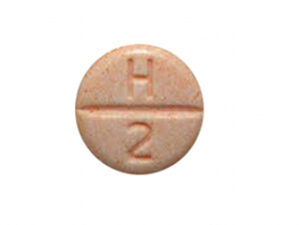
Edarbyclor (Azilsartan) – Patient Guide (UK)
Edarbyclor is a prescription medicine used to treat high blood pressure (hypertension). It contains azilsartan as its active ingredient (often described together with another component in clinical use). This page explains what Edarbyclor is, how it works, how it’s used, and important safety and practical tips for everyday life in the United Kingdom.
Note: Always follow the instructions given by your healthcare professional and read the patient information leaflet that comes with your medicine.
Quick Facts
- Medicine name: Edarbyclor
- Active ingredient: Azilsartan (in combination as supplied)
- Used for: Lowering high blood pressure
- How it works: Blocks angiotensin II receptors (RAAS pathway)
- Typical dosing: Once daily (timing varies by individual)
- Common considerations: Kidney function and potassium levels may be monitored
What Is Edarbyclor?
Edarbyclor is a medicine designed to help manage hypertension. High blood pressure can damage the heart, brain, kidneys, and blood vessels over time. By lowering blood pressure, Edarbyclor helps reduce the risk of cardiovascular events such as stroke and heart attack.
In the UK, treatment decisions are guided by national and local clinical recommendations. Many people require more than one medicine to reach target blood pressure.
How Does Edarbyclor Work? (Mechanism of Action)
Edarbyclor works by affecting a hormone system that controls blood vessel tone and fluid balance:
- Angiotensin II receptor blockade: Azilsartan helps reduce the effect of angiotensin II by blocking AT1 receptors. This leads to blood vessel relaxation and reduced strain on the heart.
- Improved circulation and lower resistance: With less vasoconstriction, blood flows more easily, helping lower blood pressure.
- RAAS regulation: By altering the renin–angiotensin–aldosterone pathway, the medicine may also help reduce aldosterone-related fluid and electrolyte effects.
Why this matters: Sustained blood pressure control is key; the benefits build over weeks to months, not just days.
Pharmacokinetics (How the Body Handles the Medicine)
Pharmacokinetics describes what happens after you take a dose—absorption, distribution, metabolism, and elimination.
- Absorption: Azilsartan is absorbed after oral dosing. Food may affect the rate and extent slightly, but the clinical impact is generally manageable.
- Distribution: The medicine distributes through the bloodstream and tissues, with protein binding contributing to its action.
- Metabolism: Azilsartan is processed mainly through metabolic pathways in the body.
- Elimination: Metabolites and drug components are eliminated largely via urine and bile/feces pathways.
Practical takeaway: Because the drug is designed for once-daily use, consistent daily dosing helps maintain steady blood pressure control.
What Is Edarbyclor Used For?
Edarbyclor is used to treat high blood pressure in adults, particularly when blood pressure is not adequately controlled with a single medicine.
It may be considered in people who:
- Need combination therapy to reach target blood pressure
- Have tolerated RAAS-blocking treatment previously
- Have been assessed as appropriate for the medicine based on kidney function, potassium levels, and overall risk
Indications and Clinical Use (UK Context)
In routine UK practice, antihypertensive medicines are selected based on patient characteristics, including age, cardiovascular risk, kidney function, diabetes status, and existing medication.
Edarbyclor may be used for:
- Hypertension requiring combination therapy
- Patients needing additional blood pressure lowering beyond a single agent
Important: Your clinician will decide whether Edarbyclor is appropriate based on your medical history and recent blood tests.
How to Take Edarbyclor: Dosing and Timing
Typical dosing
Edarbyclor is usually taken once daily. Your exact dose will depend on your situation, response to treatment, and tolerance.
Common approach in practice:
- Start at a suitable dose recommended for your condition and monitoring needs.
- Adjust dose if needed, based on blood pressure response and blood test results.
Timing
Many people take their dose at the same time each day to maintain consistency.
- Morning vs evening: Either can be used. Choose a time that is easy to remember and aligns with how you feel (especially if you notice dizziness).
- Consistency matters: If you’re stable, taking it at roughly the same time each day is helpful.
If you miss a dose
- If you forget a dose, take it as soon as you remember on the same day.
- If it is close to your next scheduled dose, skip the missed dose.
- Do not double up to make up for a missed dose.
How long until it works?
You may notice blood pressure lowering within the first days, but the full effect is typically seen over several weeks. Regular monitoring helps confirm that your blood pressure is controlled.
Food Interactions: Can You Take Edarbyclor With Meals?
Food may influence drug absorption for some medicines. For Edarbyclor:
- General advice: You can usually take Edarbyclor with or without food.
- Practical tip: Choose a consistent routine (e.g., always with breakfast or always on an empty stomach) if you find it easier to remember.
If you have stomach problems, take the medication in a way that best suits you while remaining consistent.
Alcohol and Medicine Interactions
Alcohol can affect blood pressure and may increase side effects such as dizziness or lightheadedness.
- Alcohol: Try to keep alcohol intake within recommended limits. If you drink, consider how you feel after taking your dose.
- Do not mix with driving risks: If alcohol makes you dizzy, avoid driving or hazardous tasks.
Other medicine interactions: Some drug combinations can increase risks such as kidney strain, high potassium, or low blood pressure. Tell your healthcare professional about all medicines you use, including:
- Other blood pressure medicines
- NSAIDs (e.g., ibuprofen, naproxen, diclofenac)
- Potassium supplements or potassium-containing salt substitutes
- Diuretics (“water tablets”)
- Medicines affecting kidney function
Your clinician may monitor kidney function and potassium levels if you use interacting medicines.
Safety Profile: Common and Important Side Effects
Like all medicines, Edarbyclor can cause side effects. Many people experience none or only mild effects. Some effects require medical attention.
Common side effects (may occur)
- Dizziness or lightheadedness (particularly when standing up)
- Fatigue
- Headache
- Changes in kidney function (often detected by blood tests)
- Raised potassium (hyperkalaemia), depending on individual risk factors and other medicines
Seek urgent medical advice if you experience
- Signs of an allergic reaction: swelling of face/lips, difficulty breathing, widespread rash
- Severe dizziness or fainting
- Signs of very high potassium: unusual weakness, palpitations, or severe muscle symptoms (needs prompt assessment)
- Symptoms of kidney problems: marked reduction in urine, severe back pain, or sudden swelling (get medical help)
Special caution groups
- Kidney disease or reduced kidney function
- High potassium history
- Dehydration (e.g., vomiting/diarrhoea, poor fluid intake)
- Low blood pressure symptoms
- Older adults (may be more prone to dizziness and falls)
Practical Use Tips (Getting the Best Results Safely)
- Monitor blood pressure: Use a validated home blood pressure monitor if advised. Keep a simple log of readings.
- Attend blood tests: Kidney function and potassium may be checked soon after starting and after dose changes.
- Stand up slowly: If you feel dizzy, rise slowly from sitting or lying positions.
- Stay hydrated unless restricted: Dehydration can increase the risk of dizziness and kidney issues.
- Be careful with “salt substitutes”: Many contain potassium—check with your pharmacist or clinician.
- Avoid self-medication with NSAIDs: If you need pain relief, ask your pharmacist which option is safest for you.
During illness: If you develop significant vomiting/diarrhoea, or you cannot drink fluids normally, contact your healthcare team for advice. Sometimes blood pressure medicines may need temporary review during severe dehydration.
Alternative Options for High Blood Pressure
If Edarbyclor is not suitable or not effective enough, clinicians may consider other medicines and combinations. Alternatives commonly include:
- ACE inhibitors (e.g., ramipril, lisinopril)
- Other angiotensin receptor blockers (ARBs) (e.g., losartan, valsartan, candesartan)
- Calcium channel blockers (e.g., amlodipine)
- Thiazide-like diuretics (e.g., indapamide, chlorthalidone)
- Beta-blockers (e.g., bisoprolol, metoprolol) in specific patient groups
- Mineralocorticoid receptor antagonists (specialist use in selected cases)
The best option depends on your overall health, blood test results, and response.
UK Market and Legal Context (What Patients Should Know)
In the United Kingdom, medicines like Edarbyclor are supplied through regulated channels. Patient safety relies on:
- Regulated manufacturing and licensing: Medicines sold in the UK are authorised by the relevant authorities and must meet safety and quality standards.
- Controlled supply and information: Healthcare professionals and pharmacies play a key role in ensuring correct use.
- Pharmacovigilance: Suspected side effects can be reported through appropriate national reporting routes.
Online pharmacies should provide clear product information and comply with UK advertising and medicines guidance, including appropriate availability of patient leaflets and safety information.
Recent Guidance and Clinical Monitoring (General Overview)
Blood pressure targets and monitoring strategies evolve as clinical evidence develops. In general, UK practice typically emphasises:
- Regular blood pressure assessment, often using both clinic and home readings.
- Checking kidney function and electrolytes after starting RAAS-related medicines (including ARBs) and after dose changes.
- Reviewing overall cardiovascular risk, not just the number on the blood pressure reading.
If you have diabetes, kidney disease, or other comorbidities, your monitoring schedule may be more frequent.
Delivery and Availability in the UK
Availability can vary depending on stock levels and package size. When ordering from a UK online pharmacy, typical expectations include:
- Dispatch times: Orders are usually dispatched promptly after verification and processing.
- Delivery options: Standard and express delivery may be offered depending on the pharmacy and location.
- Tracking: Some services provide tracking updates once your parcel is on the way.
- Packaging: Medicines are delivered in secure, compliant packaging.
If you have a time-sensitive need (for example, you’re running low), check the estimated delivery window during checkout.
Frequently Asked Questions (FAQ)
1) Is Edarbyclor the same as azilsartan?
Edarbyclor is a branded antihypertensive medicine where azilsartan is the active component used to lower blood pressure. The exact formulation you receive should be confirmed on the product label and packaging.
2) How quickly will my blood pressure drop?
Some people see improvement within the first days, but the full benefit is often achieved over several weeks. Consistent daily dosing and follow-up checks help confirm that you’re on track.
3) Can I take Edarbyclor at night?
Yes, many people can take it at night if it suits their routine. If you notice dizziness when standing or you get up frequently at night, discuss timing with your clinician.
4) What should I do if I feel dizzy?
If dizziness happens, sit or lie down and avoid sudden standing. If dizziness is severe, persistent, or you faint, seek medical advice promptly. Your dose may need adjustment.
5) Do I need blood tests?
Blood tests are commonly used to monitor kidney function and potassium levels, especially after starting or changing the dose. The exact schedule depends on your risk factors and other medicines.
6) Can I take painkillers like ibuprofen?
Some painkillers (notably NSAIDs) can affect kidney function and blood pressure control in certain patients. Ask your pharmacist which option is safest for you, particularly if you use Edarbyclor.
7) Are there any food restrictions?
Typically, there are no strict food restrictions. Taking Edarbyclor with or without food is usually acceptable. Keep a consistent routine to help with adherence.
8) Can I drink alcohol while taking Edarbyclor?
Alcohol may increase the chance of dizziness and can lower blood pressure further. Keep intake moderate and pay attention to how you feel after taking your dose.
9) What if I’m dehydrated?
If you have vomiting, diarrhoea, or are not drinking enough, you may be at higher risk of dizziness and kidney-related complications. Contact your healthcare professional for advice during significant illness.
10) What if I want to stop taking it?
Do not stop suddenly without medical advice. Stopping blood pressure treatment can lead to a rise in blood pressure. If you’re experiencing side effects or have concerns, speak with a clinician to discuss alternatives.
Summary
Edarbyclor (with azilsartan as a key active component) is used to treat high blood pressure by reducing angiotensin II effects and helping relax blood vessels. When taken once daily, it can support long-term blood pressure control. As with other medicines in this class, monitoring kidney function and potassium may be required, especially after starting or adjusting dose.
For the safest and most effective treatment, take your dose consistently, attend recommended blood tests, and discuss any other medicines (including NSAIDs and potassium-containing products) with your healthcare professional.
At-a-Glance Reference
| Topic | What to know |
|---|---|
| Common use | Treatment of hypertension, often when combination therapy is needed |
| How it works | Blocks angiotensin II AT1 receptors to help lower blood pressure |
| Typical timing | Once daily; choose a time that’s consistent and suits you |
| With food | Usually can be taken with or without food |
| Key monitoring | Kidney function and potassium levels may be checked |
| Alcohol | May increase dizziness; keep intake moderate |
| Important interactions | NSAIDs, potassium supplements/salt substitutes, and other BP meds may interact |