
Advair Diskus (Salmeterol + Fluticasone) – Patient Information (UK)
Advair Diskus is an inhaled medicine used to help control long-term lung conditions such as asthma and chronic obstructive pulmonary disease (COPD). It combines two medicines in one device: salmeterol (a long-acting bronchodilator) and fluticasone (an inhaled corticosteroid). Used regularly, it can reduce symptoms, improve breathing, and lower the risk of flare-ups.
This page explains how Advair Diskus works, when and how to use it, practical tips, key safety information, and common questions. It is designed to be patient-friendly and should be read alongside advice from your clinician and the medicine leaflet provided in the pack.
Key product information
| Category | Details |
|---|---|
| Medicine name | Advair Diskus |
| Active ingredients | Salmeterol + Fluticasone (fixed-dose combination) |
| Medicine type | Inhaled corticosteroid (ICS) + long-acting beta2-agonist (LABA) |
| Main use | Long-term control of asthma; COPD symptom control (where appropriate) |
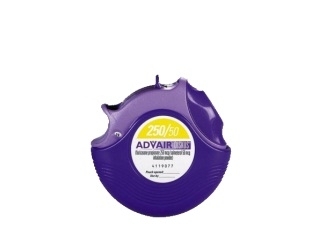
| Device | Diskus dry powder inhaler (DPI) |
| How it’s taken | Inhalation only; usually twice daily for maintenance |
| Typical benefit | Prevents symptoms and reduces exacerbations when used consistently |
How Advair Diskus works (mechanism of action)
Advair Diskus contains two complementary medicines:
- Fluticasone is an inhaled corticosteroid. It helps reduce inflammation in the airways, which is a key driver of asthma and many COPD flare-ups. Over time, this can improve airflow and reduce symptoms such as wheeze, breathlessness, and chest tightness.
- Salmeterol is a long-acting beta2-agonist (LABA). It relaxes airway smooth muscle, helping the airways stay open for longer. This bronchodilating effect improves breathing and helps prevent symptoms returning before the next dose.
Together, these medicines help control chronic symptoms and reduce the likelihood of exacerbations. The anti-inflammatory action from fluticasone may take time to build, while salmeterol provides longer-lasting bronchodilation.
Pharmacokinetics – how the body handles the medicines
After inhalation, a portion of the dose reaches the lungs and the remainder may be swallowed. Key points include:
- Absorption: Fluticasone and salmeterol are absorbed from the lungs; some swallowed drug is absorbed through the gut. The actual amount reaching the bloodstream depends on inhalation technique and lung deposition.
- Distribution: Both components can bind to proteins in the blood. The medicines mainly act in the airways, which is why inhalation is used.
- Metabolism: Fluticasone is primarily broken down by the liver enzyme CYP3A4. Salmeterol is also metabolised in the body, with metabolites eventually cleared.
- Elimination: Inactive metabolites are removed mainly by the liver and through the bile into the gut, with some clearance via the kidneys.
In practice, systemic effects (effects outside the lungs) are generally lower with inhaled use compared with tablets, but can still occur—especially with higher doses or if technique is poor.
What Advair Diskus is used for (indications in the UK)
Advair Diskus is used for maintenance treatment of:
- Asthma in people who require regular inhaled therapy with both an inhaled corticosteroid and a long-acting bronchodilator, as advised by their clinician.
- COPD in people with symptoms who are appropriate candidates for combination therapy, according to clinical assessment and local guidance.
It is important to note:
- Advair Diskus is not for immediate relief of sudden breathing difficulties.
- For sudden symptoms, you will usually be prescribed a reliever inhaler (typically a short-acting bronchodilator) to be used as needed.
Typical dosing and timing
Advair Diskus is generally taken for maintenance. The exact strength depends on your condition and severity. Your clinician/pharmacist will specify the correct dose for you.
When to take each dose
- Try to take your doses at roughly 12-hour intervals.
- Choose times that fit your day (for example, morning and evening).
- If you miss a dose, take it when you remember unless it is nearly time for the next dose. Do not take a double dose.
How long until it helps?
- Salmeterol can help symptoms relatively quickly.
- Fluticasone may take several days (sometimes longer) to reach full effect.
- Consistent use is key—even if you feel better, continue unless advised otherwise.
Food interactions
Because Advair Diskus is an inhaled medicine, food interactions are generally minimal. The medicine is not typically affected by eating or drinking in the way that tablets can be.
However, swallowed portions of inhaled medication can be influenced by overall gut absorption and tolerance. A practical approach is:
- Take your inhaler at your chosen times, whether with or without food.
- If you find it causes throat irritation, consider taking it before meals or rinsing your mouth after use (see “Practical use tips”).
Alcohol and medicine interactions
Alcohol
There are no direct, well-established alcohol-specific interactions for salmeterol/fluticasone inhalation. That said, alcohol can worsen breathing symptoms in some people and may trigger reflux or sleep-related breathing problems. If you drink alcohol, do so in moderation and monitor for symptom changes.
Medicine interactions (important)
Some medicines can affect how fluticasone or salmeterol work, or increase side effects. Tell your clinician or pharmacist about all medicines you use, including inhalers, tablets, herbal products, and occasional medications.
Notable interaction themes include:
- Strong CYP3A4 inhibitors (may increase fluticasone exposure): Examples include some antifungal medicines (such as ketoconazole or itraconazole) and certain antivirals (such as ritonavir-containing regimens). These can raise the risk of systemic corticosteroid side effects.
- Other LABA or long-acting bronchodilators: Using additional LABAs with Advair Diskus may increase side-effect risk. Your regimen should be coordinated to avoid duplicate therapy.
- Beta-blockers (including some eye drops): Non-selective beta-blockers can reduce the effect of beta-agonists and may worsen bronchospasm in susceptible people. If you need a beta-blocker, discuss which type is safest for your lungs.
- Diuretics and certain other medicines that can lower potassium: When combined with beta-agonists, potassium levels may be further reduced. This is especially relevant in higher doses or with other risk factors.
- Oral or high-dose inhaled corticosteroids: Combined steroid exposure may increase the chance of systemic steroid effects (for example, effects on bones or eyes), particularly over long periods.
- Anti-arrhythmics and QT-prolonging medicines: LABAs can rarely be associated with rhythm changes; medicines that affect heart rhythm may require extra caution.
Keep a list of your medicines (including your inhalers) and review it regularly with your healthcare team.
Safety profile – when to be careful
Advair Diskus is generally well tolerated when used correctly. However, as with all medicines, there are potential side effects. The table below summarises common and important safety considerations.
Common side effects
- Hoarseness or voice changes
- Sore throat
- Thrush (oral candidiasis)—a fungal infection in the mouth
- Headache
- Muscle cramps or tremor (more linked to the LABA component in some people)
Less common but important risks
- Asthma-related issues: Symptoms that worsen despite correct use, or sudden flare-ups, should be assessed promptly.
- Systemic corticosteroid effects: With higher doses or prolonged use, inhaled corticosteroids can rarely contribute to systemic effects (for example, effects on adrenal function, bone density, or cataracts/glaucoma). These risks are usually lower with inhaled therapy than with long-term tablets but are not zero.
- Heart effects: LABAs can sometimes cause palpitations, increased heart rate, or tremor. Seek medical advice if you experience troubling symptoms.
- Low potassium (hypokalaemia): Usually mild, but can be relevant if you have risk factors or use certain interacting medicines.
- Allergic reactions: Rarely, inhaled medicines may trigger allergy. Stop and seek urgent advice if you develop swelling, hives, or severe breathing difficulty.
Seek urgent help if
- Your breathing suddenly becomes much worse and your reliever doesn’t help.
- You have severe chest tightness, fainting, or significant irregular heartbeat.
- You develop signs of a severe allergic reaction (for example, swelling of face/lips, widespread hives).
Practical use tips (how to get the best effect)
Correct technique is essential for inhaled medicines. Even the right dose may not work well if the inhaler isn’t used correctly.
Before you use
- Check that the device is within its use-by period and not damaged.
- If you’re unsure about technique, ask a pharmacist or nurse to watch you use it.
- If you use multiple inhalers, make sure you know the order and timing your clinician advised.
During use (general steps for Diskus DPI)
While exact steps can vary by model, common Diskus technique includes:
- Open the Diskus until you hear it click.
- Load the dose by moving the lever as directed in the device instructions.
- Breathe out fully away from the device.
- Seal your lips around the mouthpiece and inhale strongly and steadily (a quick, deep breath helps powder reach the lungs).
- Hold your breath for as long as comfortable (often around 5–10 seconds), then breathe out.
- If a second dose is prescribed, repeat the steps.
After use
- Rinse and spit (or brush teeth) after use to help prevent thrush and throat irritation.
- Wipe the mouthpiece if needed and store the inhaler as instructed.
- Keep track of doses remaining in the device to avoid running out.
Common reasons inhalers “don’t work”
- Inhalation technique is weak or inconsistent (not taking a strong, deep breath).
- The inhaler is not prepared correctly (for example, lever not clicked).
- Not rinsing after use (increases thrush risk).
- Skipping doses or stopping once symptoms improve.
- Using the wrong inhaler for symptom relief (Advair Diskus is for maintenance, not rapid rescue).
Alternative options (what else might be considered in the UK)
The best alternative depends on whether you have asthma or COPD, your symptom pattern, exacerbation history, inhaler technique, and other health factors. Typical options include:
- Inhaled corticosteroid alone (ICS) for some asthma patients. These may be considered when a LABA is not appropriate or when symptoms are controlled with lower step therapy.
- ICS + LABA combinations in other devices (including other DPI and pressurised inhalers), depending on strengths, availability, and your preferences.
- Asthma add-on therapies for certain people (for example, other controller medicines) when symptoms are not adequately controlled on standard combinations.
- COPD bronchodilator options such as LAMA, LABA, or triple therapy (ICS/LABA/LAMA) depending on clinical assessment.
Your clinician can guide the safest choice. Switching between devices may require technique checks and dose adjustments.
Recent guidance and UK healthcare context
In the UK, asthma and COPD management is guided by evidence-based clinical pathways and national recommendations, often referenced by: same-day symptom relief strategies, stepwise maintenance therapy, and regular review of control and inhaler technique.
- For asthma, typical guidance emphasises using an appropriate controller regimen to prevent exacerbations and ensuring that patients have rapid-acting reliever medication available. Regular review aims to use the lowest effective maintenance dose.
- For COPD, guidelines focus on reducing symptoms and exacerbations and tailoring inhaled therapy to disease severity and response. Many patients benefit from structured inhaler education and follow-up.
Because Advair Diskus combines an ICS and LABA, it is usually used within a planned regimen. If symptoms worsen, do not increase the dose on your own—seek advice so the cause can be assessed and therapy adjusted safely.
Delivery and availability in the United Kingdom
Advair Diskus is a branded inhaler product available through UK pharmacies. Availability can vary by strength (for example, different fluticasone/salmeterol combinations) and by stock levels.
- Dispatch times: Many online pharmacies aim to dispatch orders quickly on working days.
- Delivery: Delivery is typically handled by a courier or postal service; estimated delivery windows are usually shown at checkout.
- Strength selection: Ensure you order the correct strength and inhaler type matching your current regimen.
- Packaging: Medicines are supplied in manufacturer packaging and should be checked on arrival for integrity.
If your required strength is temporarily out of stock, the pharmacy may offer an alternative equivalent option where clinically appropriate.
How to use Advair Diskus effectively (step-by-step routine)
- Choose your daily times and set reminders if helpful.
- Prepare the inhaler by opening and loading the dose as instructed.
- Breathe out fully away from the inhaler.
- Inhale strongly and steadily through the mouthpiece.
- Hold your breath briefly, then breathe out slowly.
- Rinse and spit after use to reduce thrush risk.
- Use your reliever inhaler only for fast relief of sudden symptoms, if prescribed.
- Review control regularly with your healthcare team (especially if you need reliever more often).
Dosing notes (important practical considerations)
- Use consistently: Advair Diskus works best as a regular controller.
- Do not substitute: If you have been prescribed a specific strength, changing strength without advice may affect control and side-effect risk.
- Do not use for emergency relief: Use the reliever inhaler you were prescribed for acute symptoms.
- Consider technique checks: If symptoms change, reassess inhaler technique and adherence before adjusting therapy.
FAQ – Frequently asked questions
1) Is Advair Diskus the same as a reliever inhaler?
No. Advair Diskus is a maintenance inhaler (controller). It helps prevent symptoms and reduce flare-ups over time. For sudden shortness of breath or wheeze, you should use your reliever inhaler as instructed by your clinician.
2) How soon will I feel better?
Some people notice breathing improvement shortly after starting, but the full benefit—especially from fluticasone—may take several days (sometimes longer). Consistent twice-daily use is important.
3) What should I do if I miss a dose?
Take it when you remember unless it is almost time for your next dose. Do not take a double dose to make up for a missed inhalation.
4) Can I use Advair Diskus with other inhalers?
Many people use multiple inhalers (for example, a reliever). It is important to use each inhaler as directed and to avoid duplicate therapy (especially additional LABA medicines). If you’re unsure about your inhaler plan, check with a pharmacist.
5) Why do I need to rinse my mouth after using it?
Rinsing and spitting helps reduce the risk of oral thrush and throat irritation related to the corticosteroid component. This is a small step that can make a big difference.
6) Will Advair Diskus cause weight gain?
Inhaled corticosteroids generally have a lower risk of whole-body steroid side effects than oral steroids. However, higher doses and long-term use can contribute to systemic effects in some people. If you notice concerning changes (for example, swelling, rapid weight gain, or unusual bruising), seek advice.
7) What if my symptoms get worse while using Advair Diskus?
Worsening symptoms may mean the condition is not well controlled, you need a review, or there may be an inhaler technique/adherence issue. Use your reliever as directed and contact your healthcare team promptly for review, especially if symptoms are severe or rapidly worsening.
8) Are there interactions with antibiotics or antifungal medicines?
Some antibiotics and antifungals can interact indirectly through liver enzymes. The most important interaction pattern involves strong CYP3A4 inhibitors (including some antifungals and HIV medicines), which can increase fluticasone exposure. Always tell your pharmacist about any new medicines you start.
9) Can children use Advair Diskus?
Use in children depends on age, the specific product strength, and clinical assessment. Only use if prescribed for the child and confirm device technique with a healthcare professional.
10) Can I stop Advair Diskus once I feel well?
Do not stop suddenly without medical advice. Controller inhalers are usually intended for long-term control. Stopping may lead to worsening symptoms or increased risk of flare-ups.
Summary
Advair Diskus combines salmeterol and fluticasone to provide long-term control of asthma and, where appropriate, COPD. It works by reducing airway inflammation and keeping airways open for longer. For best results, use it regularly, master correct inhaler technique, rinse your mouth after each dose, and use your reliever inhaler for sudden symptoms as directed.