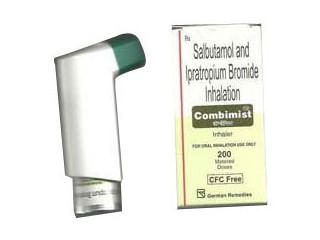

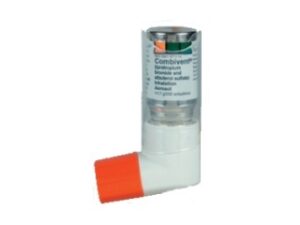
Combimist L Inhaler (Salbutamol + Ipratropium) – Patient Guide (UK)
Combimist L Inhaler is a combination inhaler used to help relieve breathing difficulties in people with long-term lung conditions. It contains two medicines: salbutamol (a short-acting bronchodilator) and ipratropium (an antimuscarinic bronchodilator). Together, they work to open the airways and make it easier to breathe.
This page is written to help you understand what the inhaler is for, how it works, how to use it properly, and what to watch for. For personalised advice, always follow the directions provided with your medicine and speak to a healthcare professional if you have questions.
Key product information
| Feature | What to know |
|---|---|
| Medicine | Combimist L Inhaler – combination bronchodilator (salbutamol + ipratropium) |
| Type | Inhaled medicine for airway opening and symptom relief |
| Main benefits | Relieves breathlessness and improves airflow during COPD and related conditions |
| Common use | Long-term management with rescue/relief during symptoms (as advised) |
| How it’s taken | By inhalation using the device (follow the leaflet for correct technique) |
| Typical onset | Often begins within minutes; peak effect may be within 15–30 minutes |
How Combimist L works (mechanism of action)
Breathlessness in conditions such as chronic obstructive pulmonary disease (COPD) and some other chronic airway disorders is often caused by:
- Airway narrowing (bronchospasm)
- Increased airway secretions
- Inflammation and reduced ability to clear mucus
Combimist L contains two medicines that target different pathways:
- Salbutamol (a beta2-adrenoceptor agonist): Relaxes smooth muscle in the airways, leading to bronchodilation (widening of the airways).
- Ipratropium (an antimuscarinic): Blocks muscarinic receptors in the airways, reducing bronchoconstriction and mucus-related effects.
Why the combination helps: using both together can provide better bronchodilation than either component alone for many patients, especially during symptom flare-ups or periods of increased breathlessness.
Pharmacokinetics (what the body does to the medicine)
Inhaled medicines act mainly in the lungs. After inhalation, a portion of the dose deposits in the airways; some may be swallowed and absorbed from the gut. Overall, the key clinical effect is local bronchodilation in the respiratory tract.
- Absorption: The medicine is delivered to the lungs with inhalation. The swallowed fraction may be absorbed via the gastrointestinal tract.
- Onset: Bronchodilator effects can begin within minutes.
- Distribution & metabolism: Salbutamol is metabolised in the body (primarily in the liver) to less active metabolites. Ipratropium is metabolised to inactive or less active products.
- Elimination: Both components are cleared from the body via metabolic pathways and excretion.
Because Combimist L is inhaled, systemic effects are generally lower than with oral bronchodilators, though some side effects can still occur.
What Combimist L is used for (indications)
In the UK, Combimist L Inhaler is commonly used to help relieve symptoms and improve breathing in people with:
- COPD (chronic obstructive pulmonary disease)
- Other chronic obstructive airway conditions where a healthcare professional decides a combination bronchodilator is appropriate
It may be used as part of a maintenance plan and/or as relief during symptoms, depending on your overall treatment regimen. Always follow the schedule given for your specific inhaler.
When to take it (timing and routine)
The timing of Combimist L depends on your personal treatment plan. Common approaches include:
- Regular use (e.g., scheduled doses throughout the day) to help prevent symptoms from building up.
- Use during symptom flare-ups if advised to relieve breathlessness.
If you have been told to take it at set times, try to take doses at consistent intervals. Many patients find it helpful to link doses to daily routines (for example, morning and evening), provided this matches the prescribed schedule.
Missed dose: If you miss a dose, take it when you remember unless it is close to the time of your next dose. Do not take extra doses to make up for a missed one unless a healthcare professional advises this.
Dosing (how many puffs/units to use)
Dosing instructions can vary depending on your age, severity of symptoms, and whether the inhaler is used regularly or for relief. The exact dose and frequency should be confirmed by the information provided with your product and your clinician’s plan.
- Follow your inhaler instructions exactly. If the leaflet or label states a particular number of activations, use that dose.
- Do not exceed the maximum frequency without medical advice.
- If you need it much more often than usual, this may signal that your COPD or airway condition is worsening. Seek medical advice promptly.
Important: If you are unsure how many doses you should take, check the pack and speak to a pharmacist or clinician.
Food interactions
Because Combimist L is inhaled, food interactions are not usually expected. In most cases, you can take your inhaler before or after meals without needing to change your diet.
- If any swallowed fraction occurs, it generally does not create clinically significant interactions with food.
- Some people experience mild throat irritation; it may be helpful to rinse your mouth if your inhaler instructions suggest this.
If you have specific dietary or digestive issues, or you are taking multiple medicines, ask your pharmacist for personalised guidance.
Alcohol and medicine interactions
Alcohol
There are no typical, direct alcohol interactions that apply to all patients taking inhaled bronchodilators like Combimist L. However, alcohol may worsen breathlessness for some people and can affect judgement about dosing.
- If you drink alcohol, consider moderating your intake and monitor how you feel.
- Avoid heavy drinking if it triggers coughing, wheeze, or shortness of breath.
Other medicines (medicine interactions)
Combimist L can interact with some other medicines, especially those affecting the heart rhythm, potassium balance, or the nervous system. Tell a pharmacist or clinician about all medicines you use, including:
- Other beta-agonists (e.g., additional salbutamol tablets or inhalers): increased risk of side effects such as tremor or palpitations if overused.
- Anticholinergic medicines (medicines that also block muscarinic receptors): could increase anticholinergic side effects like dry mouth.
- Diuretics (“water tablets”) that lower potassium: may increase the risk of low potassium-related effects when combined with beta-agonists.
- Medicines affecting heart rhythm or with cardiovascular effects: may raise the importance of monitoring for palpitations.
- Steroids (inhaled or oral): generally used together in COPD care; interactions are not usually direct, but overall monitoring matters.
- Xanthines (such as theophylline): can add to stimulant-type effects.
- MAO inhibitors or tricyclic antidepressants: may increase risk of cardiovascular effects in some circumstances.
This is not a complete list. If you provide your current medicine list to a healthcare professional, they can check for interactions more accurately.
Safety profile and side effects
Like all medicines, Combimist L can cause side effects. Many are mild and temporary, but some require urgent attention. The section below summarises common and important potential effects.
Common side effects
- Tremor or shakiness (often from salbutamol)
- Headache
- Dry mouth or throat dryness (often from ipratropium)
- Nervousness or mild jitteriness
- Fast heartbeat or awareness of heartbeat
- Muscle cramps (can occur with beta-agonists)
Less common but important side effects
- Palpitations (feeling your heart is racing or irregular)
- Low potassium (hypokalaemia): more likely with frequent use; symptoms may include weakness or muscle cramps
- Bladder/urinary retention symptoms in susceptible individuals (more relevant for anticholinergic effects)
- Eye effects (very rare): if the mist gets into the eyes, it may worsen narrow-angle glaucoma symptoms in susceptible people
Seek urgent help if you experience
- Severe allergic reaction signs (swelling of face/lips, difficulty breathing, rash/hives)
- Sudden worsening of breathing that does not improve with the inhaler
- Chest pain, fainting, or significant heartbeat irregularities
- Eye pain and blurred vision (especially if you have a history of glaucoma)
Practical use tips (to get the best benefit)
Correct technique is crucial for inhalers. Poor technique can mean less medicine reaches the lungs, leading to weaker relief. Use the steps below as general guidance—always follow the instructions specific to your inhaler device.
- Check the device: Ensure the inhaler is ready for use as described in your leaflet.
- Position: Sit upright or stand if possible. This helps lung expansion.
- Exhale gently: Breathe out away from the mouthpiece.
- Seal your lips: Create a good seal around the mouthpiece (or mask if using an appropriate device).
- Inhale at the right pace: Inhale as instructed by the device (some require slow, deep inhalation).
- Hold your breath: If comfortable, hold for a few seconds to allow medicine to deposit in the airways.
- Repeat if directed: If more than one dose is required, wait the recommended interval between doses.
- Rinse (if advised): Some patients benefit from rinsing the mouth—follow the instructions on the leaflet, especially if you also use inhaled corticosteroids.
When to ask for technique support: If your symptoms are not controlled, or if you are unsure you are using the inhaler correctly, ask a pharmacist or nurse to review your inhaler technique. In the UK, regular inhaler technique checks are strongly encouraged.
Typical effectiveness and what to expect
Many people notice symptom relief within minutes of taking Combimist L. The inhaler helps by widening the airways and improving airflow. However, the degree and speed of relief varies by person and by severity of their condition.
- If your breathing worsens or you need doses much more frequently than usual, this can indicate your condition is deteriorating. Contact a clinician promptly.
- If your inhaler seems to have little effect, your technique, device function, or your treatment plan may need reviewing.
Alternative options (for COPD and obstructive airway symptoms)
If you and your healthcare professional decide that Combimist L is not suitable or not effective enough, there are other inhaled bronchodilator options and combinations available in the UK, depending on your diagnosis and severity.
- Short-acting bronchodilators alone (e.g., salbutamol or ipratropium separately) for relief.
- Long-acting bronchodilators (often used for maintenance in COPD), such as long-acting beta2 agonists (LABAs) and long-acting muscarinic antagonists (LAMAs).
- Triple therapy options (a LABA + LAMA + inhaled corticosteroid in certain patients) if inflammation control is needed.
- Other combination inhalers that combine different bronchodilators with specific dosing patterns.
The best alternative depends on your symptoms, exacerbation history, side effect sensitivity, and whether you are already using inhaled corticosteroids. Always make changes with professional guidance.
Market and legal context (United Kingdom)
In the UK, inhaled medicines are regulated under the UK medicines framework. Availability and supply depend on product licensing and classification. Your local pharmacy can advise on how a specific inhaler is supplied and what documentation is required for purchase.
For safety, medicines are expected to be used according to their licensed indications and patient instructions. Pharmacies and clinicians also follow guidance from UK health authorities to support safe prescribing, correct inhaler use, and appropriate escalation when symptoms worsen.
Recent guidance and COPD care approach in the UK
UK COPD care commonly focuses on:
- Optimising bronchodilator therapy to control breathlessness
- Using inhaler technique training and regular reviews
- Managing exacerbations with clear action plans
- Smoking cessation and vaccinations (where appropriate)
If you experience frequent symptoms, night-time breathlessness, or exacerbations, your clinician may adjust your inhaler regimen (for example, moving from short-acting relief to long-acting maintenance therapy).
Delivery and availability from UK online pharmacies
Combimist L Inhaler availability may vary by supplier and stock levels. When ordering online in the UK:
- Check product availability and delivery estimates during checkout.
- Use accurate delivery details so the parcel reaches you without delay.
- Packaging: Medicines are typically supplied in original packaging with patient information leaflets and labels.
- If you have specific needs (e.g., mobility issues), consider choosing a delivery option that provides safe access at your address.
For the most up-to-date information, refer to the delivery policy and service terms shown on the pharmacy website.
Storage instructions
- Store according to the instructions on the pack (commonly at room temperature and away from direct heat or sunlight).
- Keep out of sight and reach of children.
- Do not use after the expiry date shown on the packaging.
Safety checklist: who should take extra care
Speak to a pharmacist or clinician before using Combimist L if you have any of the following conditions (or if you’re unsure):
- Heart problems, such as irregular heartbeat or known arrhythmias
- Overactive thyroid (hyperthyroidism)
- Diabetes (beta-agonists can affect blood sugar levels in some people)
- Glaucoma (especially narrow-angle glaucoma—avoid getting mist into the eyes)
- Prostate enlargement or difficulty passing urine
- Other inhaled or oral bronchodilator use that may increase total beta-agonist exposure
FAQ (Frequently asked questions)
1) Is Combimist L a reliever or a preventer?
Combimist L is a bronchodilator used to improve breathing and relieve symptoms. Depending on your overall COPD plan, it may be used on a regular schedule and/or for symptom relief. Follow your specific dosing instructions.
2) How soon will it work?
Many people feel relief within minutes after inhalation. The peak effect may occur within about 15–30 minutes, but responses vary.
3) What should I do if I still feel breathless after using it?
If your breathing does not improve or you worsen quickly, seek medical advice promptly. Do not keep taking extra doses beyond what you have been instructed. Worsening symptoms may indicate an exacerbation or a need to review your treatment.
4) Can I use it with my other inhalers?
Often, Combimist L is used alongside other inhalers as part of COPD treatment. However, it depends on what medicines you take (for example, inhaled corticosteroids, long-acting bronchodilators, or nebulisers). If you are unsure, ask a pharmacist to check for suitability and timing.
5) Will I get side effects?
Some side effects are possible, especially tremor or a fast heartbeat. Many are mild and improve as your body adjusts or as dosing stabilises. Contact a clinician if you develop persistent or severe side effects.
6) Can I drive or operate machinery?
Combimist L is not typically associated with significant drowsiness. However, breathing difficulties and palpitations can affect concentration. If you feel unwell or dizzy, avoid driving and seek advice.
7) Is it safe in pregnancy or while breastfeeding?
If you are pregnant, trying to conceive, or breastfeeding, discuss with a healthcare professional. The safety of medicines can depend on individual factors and the severity of the respiratory condition.
8) What if I accidentally get the spray/mist in my eyes?
If you get medicine into your eyes and you experience eye pain, redness, or blurred vision—especially if you have glaucoma—seek urgent medical advice. Use the inhaler as instructed to reduce this risk.
Summary
Combimist L Inhaler combines salbutamol and ipratropium to help open the airways and relieve breathlessness in conditions such as COPD. Its effects typically start quickly, making it useful during symptomatic periods as part of a broader management plan.
- Use it exactly as directed and ensure good inhaler technique.
- Be aware of possible side effects such as tremor or a fast heartbeat.
- If symptoms worsen or relief is inadequate, seek medical advice promptly.
Always read the patient information leaflet supplied with your inhaler and consult a healthcare professional if you have questions about your treatment.