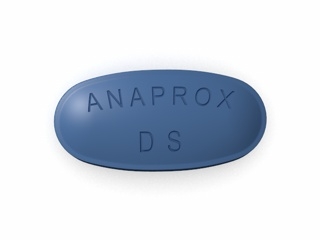
Anaprox (Naproxen) — Patient-Friendly Guide (UK)
Anaprox contains naproxen, a well-known non-steroidal anti-inflammatory drug (NSAID) used to relieve pain, inflammation, and stiffness. It is commonly used for conditions such as painful inflammatory disorders, muscular aches, and some types of joint pain.
This guide explains what Anaprox is, how it works, how it behaves in the body, how to take it safely, and what to consider in the UK context (including interactions, alcohol, and availability).
Quick product information
| Category | Details |
|---|---|
| Medicine | Anaprox (naproxen) |
| Type | NSAID (anti-inflammatory pain relief) |
| Common uses | Pain and inflammation from inflammatory conditions and musculoskeletal problems |
| How it helps | Reduces inflammation-related chemicals and helps relieve pain |
| Typical timing | Often taken once or twice daily depending on the formulation |
| Food interaction | Taking with food can reduce stomach upset |
How Anaprox works (mechanism of action)
Naproxen works by blocking enzymes called cyclooxygenase (COX-1 and COX-2). These enzymes help your body produce substances called prostaglandins, which contribute to:
- Pain (by sensitising nerves to pain signals)
- Inflammation (swelling and tissue irritation)
- Fever (in some illnesses)
By lowering prostaglandins, Anaprox can reduce pain and stiffness and may improve function in conditions where inflammation plays a key role.
Pharmacokinetics: what happens in the body
Understanding basic pharmacokinetics can help explain why timing matters and why interactions occur. Individual results can vary due to age, kidney function, liver function, other medicines, and overall health.
Absorption
Naproxen is absorbed after oral dosing. Food can slow absorption slightly but often improves tolerability by reducing stomach irritation.
Distribution
Naproxen binds to plasma proteins in the bloodstream. Because of protein binding and enzyme effects, interactions with other medicines can occur.
Metabolism
Naproxen is metabolised in the liver (primarily via pathways involving drug-metabolising enzymes).
Elimination (half-life)
Naproxen generally has a relatively long duration of action compared with some other NSAIDs. This is one reason it can be taken once or twice daily depending on the formulation.
Kidney and liver considerations
Since NSAIDs can affect kidney blood flow, people with dehydration, older age, kidney impairment, or those taking certain “heart” or “water” medicines may be at higher risk of kidney-related side effects.
Typical use and indications
Anaprox is used for relief of pain and inflammation associated with a range of conditions. In the UK, doctors and pharmacists may use naproxen in appropriate patients where an NSAID is suitable.
Common indications (examples)
- Inflammatory joint conditions (for example, some forms of arthritis)
- Musculoskeletal pain such as sprains, strains, and back pain
- Shoulder and tendon-related pain (e.g., when inflammation is involved)
- Gout (NSAIDs are sometimes used to reduce pain and swelling during flare-ups)
- Period pain (dysmenorrhoea), depending on the situation and suitability
The best option depends on the type of pain, your medical history, and the safety profile for you personally.
When to take Anaprox (timing and how to use it)
Always follow the dosing instructions on the product label or provided by a healthcare professional. Doses can vary by formulation and strength.
General timing advice
- Take with food or soon after eating if you get indigestion or stomach discomfort.
- Take at evenly spaced times if you are using it more than once daily.
- Use the lowest effective dose for the shortest time needed to control symptoms.
- If symptoms persist, it’s important to seek advice rather than continuing indefinitely.
Missed dose
If you miss a dose, take it when you remember unless it is close to the next dose. Do not take a double dose to make up for the missed one.
Food interactions: effects on absorption and stomach safety
Food does not usually make naproxen ineffective, but it may reduce gastrointestinal side effects by cushioning the stomach. If you experience nausea, heartburn, or stomach pain, taking Anaprox with meals can help.
- Taking with food: can reduce stomach upset.
- Taking on an empty stomach: may increase the chance of indigestion or gastritis.
- Avoid very heavy meals right before lying down if you are prone to reflux.
Alcohol interactions (and why they matter)
Combining NSAIDs with alcohol may increase the risk of stomach irritation and bleeding. Alcohol can also affect the stomach lining and increase the chance of indigestion, ulcers, or GI discomfort.
- Try to limit alcohol while taking Anaprox.
- Avoid if you have a history of gastrointestinal ulcers or bleeding.
- If you notice symptoms like vomiting blood, black tarry stools, or severe stomach pain, seek urgent help.
Medicine interactions: important combinations to know
Many medicines can interact with NSAIDs. Below are common categories of interactions. Your pharmacist can confirm the safety of your specific combination.
Avoid combining with other NSAIDs
- Do not take Anaprox alongside other NSAIDs such as ibuprofen, diclofenac, or aspirin for pain (unless prescribed). Using multiple NSAIDs increases GI and kidney risk.
Blood thinning medicines
- Warfarin or other anticoagulants may increase the risk of bleeding when combined with NSAIDs.
- Antiplatelet drugs (e.g., clopidogrel) may also raise bleeding risk.
Antidepressants (SSRIs/SNRIs)
Some antidepressants (SSRIs/SNRIs) can increase bleeding risk when taken with NSAIDs. This doesn’t mean they can never be used together, but it should be considered carefully.
Blood pressure and kidney-related medicines
- ACE inhibitors (e.g., ramipril, lisinopril) and ARBs (e.g., losartan)
- Diuretics (“water tablets” such as furosemide)
- NSAIDs can potentially affect kidney function, especially if you are dehydrated or older.
Other medicines
- Lithium: NSAIDs may raise lithium levels, increasing toxicity risk.
- Methotrexate: may increase methotrexate toxicity depending on dose and regimen.
- Some diabetes medicines: monitor for changes in blood sugar control if advised.
- Digoxin: NSAIDs may alter digoxin levels in some cases.
Always tell your pharmacist about all medicines and supplements you take, including herbal products.
Dosing: typical adult regimen and safety limits
Dosing depends on the condition being treated and the specific Anaprox strength/formulation available. In the UK, naproxen may be supplied as different strengths or with specific instructions.
The information below is a general guide. For the safest and most accurate dosing schedule, follow the label directions included with your product.
General principles
- Start with the lowest effective dose.
- Short-term use is preferred for many pain problems.
- Do not exceed the maximum daily dose stated on the packaging.
- Use caution in older adults, those with kidney/stomach disease, or those on interacting medicines.
Example dosing patterns (common adult practice)
Different formulations may result in different schedules. Many naproxen regimens involve dosing either once or twice daily because of its longer duration of action.
- Once daily schedules are often used for some extended-release presentations.
- Twice daily schedules are common for immediate-release dosing.
If you are unsure which Anaprox strength you have, check the label or ask a pharmacist.
Safety profile: who should be careful
Like all NSAIDs, Anaprox can cause side effects, especially when used at higher doses or for longer periods. Most people tolerate it, but some are at higher risk.
Common side effects
- Indigestion, heartburn, nausea
- Stomach pain or discomfort
- Headache or dizziness (in some people)
- Swelling due to fluid retention (occasionally)
Serious side effects: seek urgent medical advice
- Signs of stomach bleeding: black tarry stools, vomiting blood, or severe persistent stomach pain
- Allergic reaction: swelling of face/lips, wheezing, rash or severe itching
- Breathlessness or chest pain (especially if new or severe)
- Reduced urination, sudden weight gain, or severe ankle swelling
- Unexplained severe fatigue or yellowing of skin/eyes
High-risk groups
- People with a history of stomach ulcers or gastrointestinal bleeding
- People with kidney disease or significant dehydration
- Those with heart disease or previous stroke risk factors should use NSAIDs carefully
- People with asthma triggered by NSAIDs
- Pregnancy (especially later pregnancy), unless advised otherwise by a clinician
If any of these apply to you, discuss suitability with a pharmacist or healthcare professional before using Anaprox.
Practical use tips for everyday life
- Take with food if you’re prone to indigestion.
- Stay hydrated, especially if you’ve been sweating, ill, or travelling.
- Don’t combine with other NSAIDs for “extra strength”.
- Consider non-medicine options alongside NSAIDs for musculoskeletal pain: rest, gentle movement, heat/cold packs, stretching advice, and physiotherapy.
- Review ongoing pain: if pain lasts beyond a short course or keeps returning, seek advice to identify the cause.
- Keep to the label: dose and frequency should match the product instructions.
Alternative options
Depending on your condition and medical history, other treatments may be suitable. Options often include:
Other pain relief medicines
- Paracetamol: may help pain and is generally gentler on the stomach (but does not reduce inflammation as strongly).
- Different NSAIDs: some people tolerate one NSAID better than another.
- Topical anti-inflammatory gels (for some joint and muscle problems): can reduce local pain with less systemic exposure.
Non-medicine options
- Physical therapy and targeted exercises
- Heat/cold therapy
- Maintaining mobility within comfortable limits
- Weight management and posture/ergonomics for back and joint pain
A pharmacist can help compare alternatives based on your symptoms, age, and other medicines.
UK market and legal context (overview)
In the United Kingdom, medicines are regulated by the Medicines and Healthcare products Regulatory Agency (MHRA) and governed by the wider framework of medicines legislation. NSAIDs such as naproxen are used widely but require responsible supply and clear patient information due to known risks.
Availability may vary based on product formulation, strength, and whether it is supplied as a prescription-only product or via other routes. Always follow the relevant category instructions for your specific product.
Recent guidance and safety reminders (UK-focused)
Across the UK, healthcare information regularly emphasises key NSAID safety principles:
- Lowest effective dose for the shortest duration needed
- Greater caution in older adults and those with gastrointestinal, kidney, or cardiovascular risk
- Awareness of drug interactions (especially anticoagulants, other NSAIDs, and certain antidepressants)
- Considering gastroprotection in high-risk individuals (a clinician or pharmacist can advise)
If you are using naproxen for a long period, or if you have a history of stomach ulcers/bleeding, it is important to seek advice before continuing.
Delivery and availability (online pharmacy)
Availability of Anaprox may vary depending on the exact strength and whether multiple pack sizes are offered. When ordering online in the UK, your delivery options and timeframes can depend on local logistics and stock levels.
- Check the product page for current stock status and delivery estimates.
- Packaging should arrive sealed and labelled according to UK requirements.
- Storage: keep at room temperature, away from excess heat and moisture, and out of reach of children.
If you require assistance choosing the correct Anaprox strength or want to confirm suitability with your current medicines, a pharmacist can help.
FAQ
1) Is Anaprox the same as naproxen?
Yes. Anaprox is a brand name that contains naproxen, an NSAID.
2) How quickly does Anaprox work?
Many people notice pain relief within a short time after taking it, although timing can vary by formulation, dose, and the condition being treated. If symptoms worsen or do not improve after a reasonable period, seek advice.
3) Can I take Anaprox with food?
Yes. Taking with food (or soon after eating) can reduce stomach irritation. If your stomach is sensitive, this is often the preferred approach.
4) Can I drink alcohol while taking Anaprox?
It’s generally best to limit alcohol because alcohol and NSAIDs can both increase the risk of stomach irritation and bleeding. Avoid alcohol if you’ve previously had ulcers or GI bleeding, or if you experience stomach side effects.
5) What should I avoid taking it with?
Avoid combining with other NSAIDs (like ibuprofen or diclofenac) for pain relief. Also be cautious with blood thinners (such as warfarin), antiplatelet medicines, and some antidepressants. Always check with a pharmacist if you’re unsure.
6) Who should not use Anaprox?
You should seek advice before use if you have a history of NSAID allergy, asthma triggered by NSAIDs, a previous stomach ulcer or gastrointestinal bleeding, significant kidney disease, certain heart disease risks, or if you are pregnant (particularly later pregnancy).
7) What happens if I take too much?
Taking more than the recommended dose increases the risk of serious side effects, including stomach bleeding and kidney problems. If you think you may have taken too much, seek urgent medical help or contact NHS 111 (or emergency services if severe symptoms occur).
8) Can I use Anaprox for period pain?
NSAIDs can be effective for period pain in many people because they reduce inflammation-related prostaglandins. Suitability depends on your health history and other medicines, so choose the safest option for you.
9) Will Anaprox treat the cause of my condition?
Anaprox helps relieve pain and inflammation. It does not cure the underlying cause of every condition. If symptoms persist, return frequently, or you have red-flag symptoms (such as fever with severe pain, sudden swelling, or unexplained weight loss), seek medical advice.
10) Are there non-medicine ways to help my pain?
Yes. For many musculoskeletal problems, staying gently active, using heat/cold packs, stretching within comfort, and considering physiotherapy can improve outcomes and may reduce how long you need pain relief.
Important patient reminders
- Read the label and follow the dosing instructions exactly.
- Use the lowest effective dose and avoid prolonged use unless advised.
- Stop and seek medical advice if you develop signs of allergy or stomach bleeding.
- If you are taking multiple medicines or have existing health conditions, ask a pharmacist to review interactions.
This information is provided to help you understand Anaprox (naproxen) and use it safely. It does not replace medical advice. If you have concerns about side effects or suitability, speak to a healthcare professional.