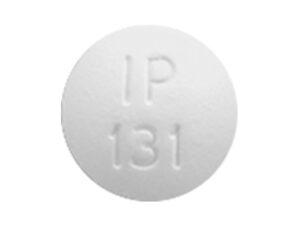
Colchicum autumnale (Colchicum) — Patient Information
Colchicum autumnale is a herbal-derived medicine used in specific conditions, most notably gout and inflammatory disorders where colchicine is the active medicinal component. In the UK, products may be supplied as medicines containing colchicine (commonly as tablets), and the name “Colchicum autumnale” may be used to describe the source plant. This page explains how the medicine works, how it is used, and important safety information.
Important: Always follow the instructions on your pack or any clinician guidance provided with your medicine. Do not use this information as a substitute for professional advice, particularly if you have kidney or liver problems, take interacting medicines, or are pregnant or breastfeeding.
Basic product information
| Category | Typical details (UK) |
|---|---|
| Common name | Colchicum autumnale (colchicine-containing medicine) |
| Active component | Colchicine |
| Medicinal use | Inflammatory conditions such as gout flares; may be used in prevention strategies in select situations |
| How it is taken | Oral tablets/capsules (depending on brand) |
| Availability | Medicines containing colchicine may be available through pharmacies; availability can vary by brand and strength |
| Prescription status | UK supply rules vary by product and strength—follow what applies to the specific item you buy |
How Colchicum autumnale works (mechanism of action)
Colchicine (from Colchicum autumnale) is an anti-inflammatory medicine. It works by disrupting microtubule formation within cells. This affects a key process in inflammation:
- Reduces recruitment and activation of inflammatory cells (particularly neutrophils).
- Decreases release of inflammatory signals involved in the pain and swelling of gout flares.
- Helps limit the inflammatory cascade that can worsen symptoms if started late.
For acute gout, the goal is to reduce the intensity and duration of inflammation. It is not a painkiller like ibuprofen; it works by controlling inflammatory pathways.
Pharmacokinetics: how the body handles colchicine
Pharmacokinetics describes absorption, distribution, metabolism and elimination.
- Absorption: Orally taken colchicine is absorbed from the gastrointestinal tract. Food can affect absorption in some circumstances (details below).
- Distribution: Colchicine distributes into body tissues, including areas relevant to inflammation.
- Metabolism: It is metabolised primarily by enzymes in the liver (CYP3A4).
- Transport: Colchicine is also influenced by P-glycoprotein (P-gp) transport systems.
- Elimination: It is eliminated through a combination of metabolism and excretion. Clearance can be reduced by kidney or liver impairment.
Why this matters: Because colchicine is handled by CYP3A4 and P-gp, medicines that inhibit or induce these pathways can significantly increase or decrease colchicine levels—leading to either toxicity or reduced effect.
Typical uses in the UK
Colchicine-containing products derived from Colchicum autumnale are used to treat and sometimes prevent inflammatory attacks, especially:
- Acute gout flares: To reduce pain, swelling, and inflammation when a flare starts.
- Prevention of gout attacks: In some patients, doctors may use low-dose regimens as part of a long-term approach alongside urate-lowering therapy. (Your regimen depends on your individual risk profile and kidney/liver function.)
- Other inflammatory conditions: In some cases, specialists may use colchicine for conditions that involve inflammatory mechanisms (availability and indications depend on local guidance and the specific product’s licence).
Note: Colchicine is not intended to immediately “dissolve” urate crystals. For gout, long-term prevention usually involves urate-lowering treatment and lifestyle measures.
Timing: when to take it for best results
For acute gout flares, the timing is important. In general, colchicine works best when started as early as possible after symptoms begin.
- Start early: Ideally within the first 24 hours of flare onset (follow your product instructions).
- Do not delay: Later starts may lead to less symptom reduction.
- Adhere to the dosing schedule: Avoid extra doses to “catch up” if you missed an early dose.
If your symptoms worsen rapidly or you develop fever, severe illness, or signs of infection in a joint, seek urgent medical advice—gout can sometimes resemble infections.
Indications: what it’s used for
“Indications” means the conditions a medicine is authorised to treat. For colchicine-containing medicines (derived from Colchicum autumnale), indications commonly include:
- Acute gout (to treat flare-ups)
- Prevention of gout flares in selected patients as part of a broader plan
- Other inflammatory disorders where colchicine has a recognised role (depending on the product licence)
Check your pack: Exact indications and dosing vary between products and licensed strengths. Always read the leaflet for your specific brand.
Dosing guidance (general information)
Doses vary depending on the condition being treated, your kidney and liver function, age, and interacting medicines. The information below is general and should be tailored to your prescribed/labelled instructions.
Acute gout flare (general principles)
- Colchicine dosing for a flare is typically short-term and starts early after symptoms begin.
- There is usually a maximum daily amount and a limit on how many doses may be taken within a flare.
- People with kidney impairment or liver impairment may need dose reductions or longer intervals.
Prevention (general principles)
- Prevention regimens (if used) are usually lower dose and taken on a regular schedule.
- Your prescriber/pharmacist may review your need for ongoing prevention periodically.
Missed dose
- If you miss a dose, take it when you remember unless it is near the time of your next dose.
- Do not double up to make up for missed doses.
Safety note: Colchicine has a relatively narrow margin between effective and harmful doses, particularly in people with reduced kidney or liver function or with interacting medicines. If you have any doubt, consult your pharmacist.
Food interactions: can you take it with meals?
Food may influence absorption for some colchicine products. In practice:
- If your medicine instructions say it can be taken with or without food, you may take it either way.
- If you experience stomach upset, taking with food may reduce discomfort if your leaflet allows.
- For some regimens, maintaining consistent timing (e.g., always with meals) can help with tolerability.
Grapefruit and similar fruit: Grapefruit and some citrus products can affect CYP3A4 activity and may increase colchicine levels. Avoid them unless your healthcare professional has confirmed it is safe for you.
Alcohol interactions
Moderate alcohol intake is not usually listed as a direct interaction with colchicine, but alcohol can affect:
- Liver function (relevant because colchicine is metabolised by the liver)
- Gout risk (alcohol can increase likelihood of flares, particularly beer and spirits)
- Dehydration (which can worsen side effects such as gastrointestinal upset)
Practical advice:
- During a flare or while taking colchicine, consider limiting alcohol to reduce the risk of dehydration and stomach irritation.
- If you have liver disease or drink heavily, discuss your situation with a clinician before use.
Medicine interactions (very important)
Colchicine levels can change significantly with certain medicines. Some interactions can be severe and may lead to toxicity (for example, diarrhoea, vomiting, muscle weakness, or bone-marrow suppression). Common interaction categories include:
Strong CYP3A4 inhibitors
- Examples may include some antifungals (e.g., ketoconazole) and certain antibiotics/antivirals.
- These can increase colchicine exposure.
P-gp inhibitors
- Some medicines affect P-gp transport and can increase colchicine levels.
Strong CYP3A4 inducers
- These can reduce colchicine levels and make it less effective.
Other important interaction examples
- Some statins (risk of muscle-related side effects may increase)
- Other medicines that affect kidney or liver function can indirectly increase risk
- Medicines causing dehydration (e.g., certain diuretics) may worsen tolerability in acute illness
What you should do:
- Tell your pharmacist about all medicines you take, including over-the-counter products and supplements.
- Pay special attention if you take medicines for fungal infections, HIV, or heart rhythm—many involve CYP3A4/P-gp pathways.
- If you develop unusual symptoms after starting colchicine, seek advice promptly.
Safety profile: who should take extra care?
Colchicine can cause side effects, particularly affecting the gastrointestinal tract and, less commonly, muscles and blood cell production. Risk increases with higher doses, repeated dosing in a short time, older age, kidney/liver impairment, and interacting medicines.
Common side effects
- Diarrhoea
- Nausea
- Vomiting
- Abdominal pain
Less common but serious effects
- Muscle pain, weakness, or tenderness (especially if you take certain interacting medicines)
- Unusual bruising or infections (possible blood-related effects)
- Severe dehydration from gastrointestinal upset
When to seek urgent help
- Severe or persistent diarrhoea/vomiting
- Signs of dehydration (dizziness, fainting, very dry mouth, reduced urination)
- Severe weakness, muscle breakdown symptoms (for example, severe muscle pain)
- Confusion, extreme fatigue, or any rapidly worsening illness
Special populations
- Kidney impairment: Reduced clearance can increase colchicine levels. Dose adjustments or alternative treatment may be needed.
- Liver impairment: Reduced metabolism can increase levels. Close supervision may be required.
- Older adults: Increased sensitivity and a higher chance of kidney/liver changes and polypharmacy (multiple medicines).
- Pregnancy and breastfeeding: Safety varies by situation. Discuss risks and benefits with a healthcare professional before use.
- Children: Use depends on age, condition, and product licence. Follow licensed guidance only.
Practical use tips (how to get the best and safest outcome)
- Start early for flares: Take when symptoms first begin, but follow your pack instructions exactly.
- Do not exceed the dose: Colchicine toxicity is a recognised risk.
- Stay hydrated: Especially if you are experiencing stomach upset or the flare is making you feel unwell.
- Use a medication list: Keep an up-to-date list of your medicines to review with your pharmacist.
- Monitor for side effects: If diarrhoea or vomiting occurs, contact a pharmacist or clinician for advice, particularly if symptoms are significant.
- Consider flare prevention: Long-term strategies for gout usually include lifestyle changes and urate-lowering therapy where appropriate.
Storage: Store in the original package at the recommended temperature on the label. Keep out of sight and reach of children.
Alternative options
Depending on your condition, alternatives may include:
- Other gout flare treatments: Anti-inflammatory medicines such as NSAIDs or corticosteroids may be used in selected people. Choice depends on kidney function, stomach risk, and other factors.
- Urate-lowering therapy: For gout prevention, urate-lowering medicines (for example, allopurinol or febuxostat) may be considered as part of a longer-term plan.
- Supportive measures: Resting the affected joint, ice packs, and hydration during flares may help symptom control.
- Non-pharmacological strategies: Reducing alcohol intake, maintaining a healthy weight, and dietary changes can help reduce flare frequency.
What to discuss with a pharmacist: If colchicine isn’t suitable due to interactions or side effects, ask about the safest alternative for your situation.
UK market and legal context (what to expect)
In the UK, medicines and pharmacy supplies are regulated to ensure patient safety. Colchicine-containing products are considered medicinal products and are subject to UK pharmaceutical regulations, including:
- Authorisation and licensing: Products must hold marketing authorisation (or be supplied under an appropriate regulatory route) for their indicated uses.
- Pharmacist oversight: Pharmacies must follow controlled supply processes and ensure safe use, particularly for medicines with interaction risks.
- Pharmacovigilance: Safety reporting helps identify rare adverse effects and supports updated guidance.
Supply may vary: Brand availability, pack sizes, and dosing strengths may differ between pharmacies and over time.
Recent guidance and clinical practice considerations
Clinical practice for gout management evolves, and guidance may be updated to reflect new evidence on:
- Optimising timing for acute flare treatment (starting early)
- Risk stratification for patients with kidney/liver impairment
- Interaction safety through tighter review of CYP3A4/P-gp pathways
- Prevention strategies that integrate urate-lowering therapy and flare prophylaxis where appropriate
Because colchicine safety depends on individual factors, the most up-to-date, person-specific advice comes from your healthcare professional and your product leaflet.
Delivery and availability (UK)
Availability of colchicine-containing medicines in the UK can vary by brand, strength, and stock levels. When ordering online:
- Check product strength: Confirm the tablet strength on the pack to ensure it matches your dosing plan.
- Plan ahead: For acute flares, having your medicine available may reduce delay—however, only store and use if it is recommended for your condition.
- Delivery times: Most online pharmacies offer standard and express delivery options. Delivery timelines can vary by location and demand.
What we do for safe fulfilment: Online pharmacies should review your order details and may ask for additional information to ensure safe supply (for example, medicine interactions, age, or kidney/liver status). If additional checks are needed, your order may be delayed until safety requirements are met.
FAQ — Frequently asked questions
Is Colchicum autumnale the same as colchicine?
Colchicum autumnale is the source plant. Many colchicine medicines in the UK contain colchicine as the active ingredient derived from (or related to) this plant. Always check the label for the active ingredient and strength.
How quickly does it work for a gout flare?
When taken early, colchicine can help reduce inflammation and pain within hours, though symptom improvement varies between individuals. It is most effective when started promptly after flare onset.
Can I take it with other painkillers?
Sometimes it may be used alongside other medicines, but it depends on what you take and your medical history. Always ask your pharmacist, especially if you use NSAIDs, corticosteroids, or statins.
What foods should I avoid?
Avoid grapefruit or products that may increase colchicine levels. Otherwise, follow your product’s instructions on taking with or without food.
Can I drink alcohol while taking colchicine?
Moderate alcohol may not be a direct interaction for every person, but alcohol can increase gout risk and can worsen dehydration and liver stress. During a flare, it’s often best to limit alcohol and stay well hydrated.
What should I do if I miss a dose?
Take it when you remember unless it is close to the next scheduled dose. Do not double up. If you are unsure, ask a pharmacist.
How do I know if I’m having side effects?
Gastrointestinal symptoms such as diarrhoea, nausea, and abdominal pain are common. Seek prompt advice if symptoms are severe, persistent, or you notice muscle weakness or signs of dehydration.
Who should not use colchicine without extra advice?
Extra caution is needed for people with kidney or liver problems, those taking interacting medicines (especially CYP3A4/P-gp inhibitors or certain statins), and people who are pregnant or breastfeeding.
What happens if I take too much?
Overdose can be serious. If you suspect overdose or you took more than instructed, seek urgent medical help immediately.
Summary
Colchicum autumnale (colchicine) is used to treat inflammatory conditions—most commonly acute gout flares—by reducing key steps in the inflammatory process. It works best when started early, but it must be used carefully due to potential side effects and important interactions, especially with medicines that affect CYP3A4 and P-gp pathways.
If you have kidney or liver conditions, take multiple medicines, or have previously experienced side effects, speak to a pharmacist before starting or repeating treatment. Always follow the dose and timing on your product pack for the safest and most effective outcome.