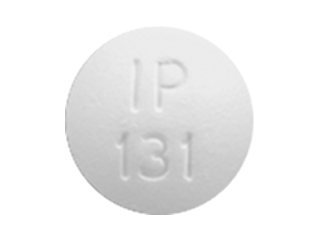
Colchicine (Colchicum autumnale) – Patient Information (UK)
Colchicine is a medicine used to treat and prevent certain painful inflammatory conditions, particularly gout and inflammation associated with rheumatic diseases. It comes from the plant Colchicum autumnale (autumn crocus) and has a long history of medical use. This guide explains how colchicine works, how it is taken, key safety considerations, and what to expect in day-to-day use in the United Kingdom.
Basic product information
| Feature | Information |
|---|---|
| Medicine name | Colchicine |
| Source (origin) | Colchicum autumnale (autumn crocus) |
| Common uses | Gout flares and prevention of gout-related attacks; certain inflammatory conditions (as advised) |
| How it works | Reduces inflammatory processes driven by crystals and neutrophils |
| Typical route | Oral (tablets) |
| Availability | Availability may vary by formulation and supplier within the UK |
Important: Always follow the dosing plan supplied with your medicine. The dose and duration may vary depending on your diagnosis, kidney and liver function, and other medications.
How colchicine works (mechanism of action)
Colchicine targets key steps in inflammation. In many inflammatory diseases—especially gout—sharp urate crystals trigger an immune response. A major part of this response involves neutrophils, a type of white blood cell, which release inflammatory substances and contribute to pain and swelling.
Colchicine works by interfering with microtubule formation inside cells. This affects cell movement and the release of inflammatory mediators. As a result, colchicine can:
- Reduce the intensity and duration of inflammatory responses
- Help limit neutrophil activation and migration
- Lower inflammation driven by crystal-related attacks (e.g., gout)
For acute gout, colchicine is most effective when taken early after symptoms start.
Pharmacokinetics: what the body does to colchicine
“Pharmacokinetics” describes how colchicine is absorbed, distributed, metabolised, and eliminated. While exact figures vary between individuals, these are the key principles:
- Absorption: Colchicine is absorbed from the gut. Food can influence how much and how fast it is absorbed.
- Distribution: It distributes into tissues involved in inflammation.
- Metabolism: Colchicine is processed mainly by the liver through enzyme pathways such as CYP3A4 and transport proteins including P-glycoprotein (P-gp).
- Elimination: Clearance is affected by kidney and liver function. Reduced kidney or liver function can increase colchicine levels and the risk of side effects.
Because colchicine depends on liver enzymes and transport systems, interactions with other medicines that inhibit these pathways can significantly raise colchicine blood levels.
Typical use and indications
In the UK, colchicine is used for inflammation related to gout and for prevention of recurrent gout attacks in selected people. It may also be used for other inflammatory conditions where it is specifically indicated by clinical guidance.
Common indications include:
- Acute gout flares to help relieve inflammation and pain
- Prevention of gout flares (for example, around the time gout treatments are started or adjusted, as advised)
- Other inflammatory conditions where your clinician has assessed that colchicine is suitable (use depends on the individual product licence and clinical judgement)
If you are unsure why colchicine has been recommended for you, ask your pharmacist or clinician.
When to take colchicine (timing)
For an acute gout flare
Colchicine works best when started as early as possible after gout symptoms begin. Many people notice improvement within hours, although complete relief may take longer.
- Start at the recommended time from your treatment plan.
- Do not take extra doses to “catch up” if you missed an early dose.
- If symptoms are not improving or worsen, seek medical advice promptly.
For prevention
If colchicine is being used to prevent flares, timing matters less than consistency: take it at the same times each day as directed.
Dosing: general guidance (individual plans vary)
Dosing is tailored to the condition being treated, the formulation, and your kidney/liver function, as well as potential drug interactions. The sections below provide general patient-friendly context.
- Do not exceed the dose written for you. Colchicine has a relatively narrow safety margin.
- Kidney or liver impairment may require a lower dose or different schedule.
- Drug interactions may require dose adjustments or avoidance. See the interactions section below for details.
Examples of dosing approaches (not a personal instruction)
In practice, dosing regimens may differ depending on the product and current clinical recommendations. Your pharmacist can explain your exact schedule.
- Acute flare: an early course is typically used, with dose limits and maximum daily totals.
- Prevention: a once-daily or divided daily schedule may be used, depending on your plan.
Further check: Always read the instructions provided with your pack. If you are ever uncertain, consult your pharmacist.
Food interactions
Food can affect colchicine absorption and how much drug reaches the bloodstream. For many people, colchicine can be taken with or without food, but following the packaging instructions is important.
- Take with food if it upsets your stomach, unless your product instructions state otherwise.
- Avoid grapefruit and grapefruit juice if your clinician or pharmacist advises it, as it may interact with liver enzymes/transport systems involved in colchicine metabolism.
- If you have had stomach problems (e.g., gastritis), discuss with your pharmacist whether taking with food may help.
Tip: Try to take your dose the same way each day (with or without food) unless advised differently.
Alcohol interactions
Alcohol can worsen some inflammatory conditions and may irritate the stomach. While alcohol is not always a direct biochemical interaction with colchicine, combining them may increase the chance of side effects such as:
- Stomach upset, nausea, vomiting, diarrhoea
- Dehydration (especially if diarrhoea occurs), which can affect kidney function
- Higher risk of complications if you are unwell
If you drink alcohol, consider keeping it moderate and be extra careful to stay hydrated. Ask your clinician or pharmacist for personal advice based on your health status.
Medicine interactions (very important)
Colchicine interacts with other medicines that influence CYP3A4 and P-gp. Some combinations can raise colchicine levels to potentially dangerous amounts, increasing risk of severe side effects such as severe diarrhoea, dehydration, and blood disorders.
Tell your pharmacist about all medicines you take, including:
- Prescription medicines
- Over-the-counter products
- Herbal supplements (e.g., St John’s wort)
- Vitamins or mineral products
Examples of medicines that may interact
- Powerful CYP3A4 inhibitors / P-gp inhibitors (may require avoidance or major dose changes) such as some antifungals (e.g., certain azoles) and some antibiotics (e.g., macrolides)
- Some HIV medicines that affect CYP3A4/P-gp
- Statins and other cholesterol-lowering drugs: combining colchicine with certain statins can increase risk of muscle-related side effects
- Fibrates (used for high triglycerides): may increase muscle risk when combined in some cases
- Other gout medicines: your regimen may need adjustment, especially if kidney function is reduced
Do not start or stop interacting medicines without checking first. Your pharmacist can screen for interactions quickly using your full medication list.
Safety profile: who should be careful
Colchicine can be effective but may cause side effects, particularly at higher doses or in people with kidney/liver impairment, dehydration, or interacting medicines.
Common side effects
- Diarrhoea
- Nausea
- Vomiting
- Abdominal pain or cramping
Serious side effects (seek urgent advice)
Contact urgent medical help or seek prompt advice if you develop symptoms such as:
- Severe or persistent diarrhoea/vomiting leading to dehydration
- Severe weakness or dizziness
- Unusual bruising or infections (possible blood cell effects)
- Muscle pain, tenderness, weakness (especially if taking a statin or fibrate)
- Signs of an allergic reaction (e.g., swelling of the face/lips, breathing difficulties, rash)
Groups who may need extra caution
- Older adults, as kidney function may decline with age
- People with kidney impairment
- People with liver impairment
- People who are dehydrated (e.g., during diarrhoea/illness)
- People taking interacting medicines, especially inhibitors of CYP3A4/P-gp
If you have any of the above, ask your pharmacist about the safest dose and how to avoid interactions.
Practical use tips (making colchicine safer and more comfortable)
- Start early for flares: when a gout flare begins, follow your plan promptly.
- Do not “top up”: do not take extra doses beyond what is written for you.
- Stay hydrated: dehydration increases the risk of side effects, particularly diarrhoea-related dehydration.
- Watch for stomach symptoms: mild tummy upset can occur; persistent severe symptoms need advice.
- Check for interaction risk: whenever you get a new medicine (including antibiotics/antifungals), confirm it is safe with colchicine.
- Use a medication list: keep an up-to-date list or use an electronic reminder for what you take.
- Inform clinicians: mention you’re on colchicine if you are admitted to hospital or see a new healthcare professional.
Alternative options for gout and prevention
Depending on your diagnosis and medical history, there are other treatments for gout and inflammatory attacks. Alternatives may include:
- Anti-inflammatory medicines such as NSAIDs (when suitable for you)
- Corticosteroids (oral or injection, depending on circumstances)
- Long-term urate-lowering therapy to reduce the frequency of gout attacks (e.g., medicines that lower uric acid, chosen by your clinician)
- Lifestyle measures (discuss with your clinician): hydration, weight management, and dietary adjustments
In prevention strategies, colchicine may be used temporarily while long-term urate-lowering treatment is established. Your clinician will guide the overall plan.
Market and legal context in the United Kingdom
In the UK, medicines are regulated by the Medicines and Healthcare products Regulatory Agency (MHRA). Patient information, licensing status, and safety communications (including changes to dose guidance or warnings) are typically reflected in product information and prescribing guidance.
Regulatory and clinical advice may be updated over time. For example, guidance can change in response to:
- New evidence about effectiveness and safety
- Better understanding of interaction risks
- Updates to national clinical recommendations for gout management
Your pharmacist and clinician can confirm current UK recommendations relevant to your condition.
Recent guidance and safety updates (UK-oriented)
Clinical practice around colchicine for gout has evolved, particularly regarding:
- Dosing strategies to balance effectiveness with safety
- Interaction screening (especially with strong CYP3A4/P-gp inhibitors)
- Emphasis on kidney and liver function when deciding dosing limits
- Awareness of gastrointestinal side effects and dehydration risks
If you have been taking colchicine for a while or your medicines have changed (e.g., a new antibiotic/antifungal or statin), it’s worth reviewing your regimen with a pharmacist to ensure it still matches current safety expectations.
Delivery and availability (UK)
Delivery times vary depending on the supplier, formulation, and stock availability. Many pharmacies offer:
- Home delivery to UK addresses (subject to service area and regulations)
- Tracking so you can monitor progress
- Secure packaging to protect tablets during transit
Availability may depend on the product strength and manufacturer batch. If your preferred strength is temporarily out of stock, the pharmacy may offer an alternative branded equivalent where appropriate.
If delivery is urgent, ask customer services about expected dispatch times before ordering.
FAQ about colchicine
1) What is colchicine used for?
Colchicine is commonly used for gout: to help treat acute gout flares and to reduce the risk of future attacks in selected people. It may also be used for other inflammatory conditions where it is advised by your healthcare professional.
2) How quickly does colchicine work?
Many people start to notice improvement within hours for acute gout flares. Full benefit can take longer. If you don’t improve as expected, seek medical advice.
3) Can I take colchicine with food?
Often yes, but follow the instructions on your pack. Taking with food may help if you get stomach upset.
4) What should I do if I miss a dose?
If you miss a dose for prevention, take it when you remember unless it’s close to your next dose—then skip the missed dose. Do not take double doses. For acute flare treatment, follow the specific plan provided to you.
5) Can I drink alcohol while taking colchicine?
Moderate alcohol intake may be acceptable for some people, but alcohol can worsen stomach side effects and dehydration risk. If you’re prone to diarrhoea, have kidney issues, or are currently unwell, it’s best to avoid alcohol and ask your pharmacist.
6) Are there foods I should avoid?
Avoid grapefruit and grapefruit juice if advised, as they may affect colchicine levels. Maintaining hydration and a balanced diet can also help reduce flare triggers.
7) What interactions are most important?
The biggest concern is medicines that inhibit CYP3A4 and/or P-gp, as they can raise colchicine levels. Interactions with some cholesterol medicines can also increase muscle risk. Always provide your full medication list to your pharmacist.
8) What side effects should I watch for?
Common side effects include diarrhoea, nausea, vomiting, and abdominal pain. Seek urgent advice if symptoms are severe, persistent, or accompanied by weakness, fever, unusual bruising, breathing problems, or signs of dehydration.
9) Is colchicine safe for everyone?
Not always. Extra caution is needed if you have kidney or liver impairment, are elderly, are dehydrated, or take interacting medicines. Your pharmacist can check suitability based on your history and current medication list.
10) What are good practical tips to reduce problems?
Use the exact dose prescribed for you, start early for flares, keep hydrated, and contact a pharmacist promptly if diarrhoea or vomiting occurs. Also re-check interactions whenever your medicines change.
Disclaimer: This patient information is designed to help you understand colchicine. It does not replace advice from a healthcare professional. If you have questions about your personal situation, ask your pharmacist for support.