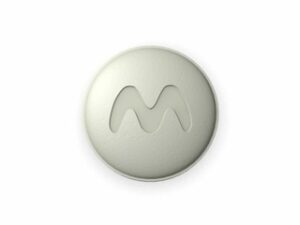

Arcoxia (Etoricoxib) — Patient Guide (UK)
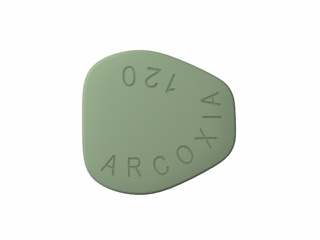
Arcoxia is a prescription medicine containing etoricoxib, a pain-relieving and anti-inflammatory drug from the coxib (selective COX-2 inhibitor) family. It is used for certain conditions where reducing pain and inflammation is important. This page explains how Arcoxia works, how it’s typically used, what to expect, and key safety considerations.
Please read this information carefully. If anything is unclear, speak with a healthcare professional or pharmacist.
Quick overview
- Active ingredient: Etoricoxib
- Drug class: COX-2 selective non-steroidal anti-inflammatory drug (NSAID)
- Common reasons for use: Osteoarthritis, rheumatoid arthritis, ankylosing spondylitis, acute gout, and dental pain
- How it’s taken: Once daily (most strengths) or for short courses depending on the condition
- Typical onset: Some pain relief may be noticeable within hours; full effect may take days
What Arcoxia is and basic product information
Arcoxia contains etoricoxib, which belongs to the NSAID family but is designed to selectively inhibit the COX-2 enzyme. COX-2 plays a role in inflammation and pain.
In the UK, Arcoxia is available in different strengths depending on the intended use. Your exact dose and duration will depend on your diagnosis, severity of symptoms, and personal risk factors.
| Topic | Details |
|---|---|
| Generic name | Etoricoxib |
| Brand name | Arcoxia |
| Drug type | Selective COX-2 inhibitor (NSAID) |
| Main effects | Reduces pain and inflammation; helps with stiffness |
| Typical dosing style | Usually once daily; sometimes short courses |
How it works: mechanism of action
Pain and inflammation are partly driven by substances called prostaglandins. These are produced by enzymes including cyclooxygenase (COX).
- COX-2 is more closely associated with inflammation and pain signalling.
- COX-1 is involved in normal protective functions (for example, supporting the stomach lining and kidney blood flow).
Etoricoxib selectively inhibits COX-2, lowering the production of inflammatory prostaglandins. Because it is more selective for COX-2, it may have different gastrointestinal effects compared with some non-selective NSAIDs, but it can still carry important risks, especially for the heart, blood pressure, kidneys, and the stomach.
Pharmacokinetics (how the body handles Arcoxia)
Understanding pharmacokinetics can help you know when the medicine might start to work and why food may matter. Individual responses vary, especially in older adults or people with liver/kidney issues.
- Absorption: Etoricoxib is absorbed after taking a tablet by mouth.
- Time to peak level: The highest blood levels are typically reached within about 1 hour for many doses (exact timing can vary).
- Food effects: Food has little impact on the overall exposure for many conditions, but specific factors may change absorption timing depending on the type of meal.
- Distribution: It distributes into tissues and is bound to plasma proteins.
- Metabolism: Mostly metabolised in the liver.
- Elimination: Excreted primarily via kidneys (with some in faeces through metabolism products).
Because metabolism involves the liver, dose adjustments or extra caution may be needed in people with liver disease. Because clearance involves the kidneys, kidney function should be considered if you have dehydration or existing kidney problems.
Typical uses (indications) in the UK
Arcoxia is used to relieve pain and inflammation related to certain conditions. Common indications include:
- Osteoarthritis: For symptoms such as pain and stiffness in joints (e.g., hip or knee).
- Rheumatoid arthritis: To help reduce pain and swelling and improve function.
- Ankylosing spondylitis: For inflammation related to the spine and large joints.
- Acute gout: Short-term relief of sudden, severe gout attacks.
- Dental pain: For short-term management of moderate pain following dental procedures.
The dose and length of treatment depend on the condition. In all cases, the general principle is to use the lowest effective dose for the shortest time needed.
Dosing: how Arcoxia is usually taken
Dosing schedules can vary by indication. The information below is intended to help you understand typical adult dosing patterns. Always follow the dosing plan provided by your healthcare professional.
- General rule: Take Arcoxia once daily for chronic conditions unless instructed otherwise.
- Lowest effective dose: Choose the smallest dose that controls symptoms.
- Shortest duration: Avoid using longer than necessary—especially for gout and dental pain.
Typical dosing ranges (adults):
| Condition | Typical daily dosing approach | Notes |
|---|---|---|
| Osteoarthritis | Once daily at a dose chosen for symptom control | Often started at the lowest effective strength |
| Rheumatoid arthritis | Once daily | Used to relieve pain and reduce inflammation |
| Ankylosing spondylitis | Once daily | Used for long-term symptom control when appropriate |
| Acute gout | Once daily for a short period | Short course; dosing may depend on severity |
| Dental pain | Often a short course (one day or a few days) | Best used briefly and at the lowest effective dose |
Important: Strength and dosing vary between people. Your prescriber/pharmacist will determine the exact dose for you, considering age, cardiovascular and gastrointestinal risk, and kidney/liver function.
Timing: when to take Arcoxia and how quickly it may help
- Once daily schedule: Many people take Arcoxia at the same time each day to maintain steady symptom control.
- Onset of relief: Some people notice improvement within a few hours, but full benefit for chronic inflammatory conditions can take longer (often several days).
- If you miss a dose: Take it when you remember unless it’s close to the next dose. Do not take a double dose.
Food interactions: can you take Arcoxia with meals?
Arcoxia generally can be taken with or without food. However, meal composition may influence absorption. A practical approach is:
- Choose a routine: Taking it the same way each day (with or without food) can help you notice how it affects you.
- Large, heavy meals: If you find your pain relief varies, try taking it consistently with meals or consistently on an empty stomach.
If you experience stomach discomfort, nausea, or indigestion, taking Arcoxia with food may be helpful (unless your healthcare professional advises otherwise). If symptoms persist or worsen, seek advice promptly.
Alcohol and medicine interactions
Alcohol
It’s wise to limit or avoid alcohol while taking NSAIDs, including Arcoxia. Alcohol can increase the risk of stomach irritation, bleeding, and may affect how comfortable you feel overall.
- Heavier drinking or binge drinking: increases risk of gastrointestinal side effects.
- If you have a history of ulcers or bleeding: extra caution is needed—ask your healthcare professional.
Other medicines that may interact
Arcoxia can interact with a variety of medicines. Tell your pharmacist or prescriber about all current medicines, including over-the-counter products and herbal remedies.
- Other NSAIDs (e.g., ibuprofen, naproxen, diclofenac): may increase risks such as kidney problems and stomach bleeding. Avoid combining unless a clinician has specifically advised it.
- Low-dose aspirin: sometimes used to protect the heart. Do not stop aspirin unless told to do so by a clinician.
- Blood thinning medicines (e.g., warfarin, apixaban, rivaroxaban, dabigatran, edoxaban): the combination can increase bleeding risk.
- Antiplatelet medicines (e.g., clopidogrel): may increase bleeding risk.
- ACE inhibitors / ARBs / diuretics: “triple therapy” with NSAIDs can increase kidney risk and affect blood pressure control in some people.
- Lithium: NSAIDs can increase lithium levels.
- Methotrexate (especially at higher doses): NSAIDs can increase methotrexate toxicity.
- Cyclosporine or tacrolimus: can increase kidney risk when combined with NSAIDs.
- Digoxin: may be affected by NSAID use.
- SSRIs/SNRIs (some antidepressants): may increase gastrointestinal bleeding risk.
- Strong CYP450 inducers or inhibitors: medicines that affect liver enzymes may change etoricoxib levels.
This is not an exhaustive list. If you’re unsure whether a medicine is safe to combine, check with your pharmacist.
Safety profile: key risks to know about
Like other NSAIDs, Arcoxia can cause side effects. Some risks are more serious and need prompt attention. In particular, coxibs and NSAIDs may increase cardiovascular and gastrointestinal risks, especially with higher doses or longer use.
Common side effects
- Headache
- Dizziness
- Indigestion, heartburn, stomach discomfort
- Swelling due to fluid retention (oedema) in some people
- Raised blood pressure in some individuals
Serious risks (seek urgent medical advice if these occur)
- Signs of allergic reaction: rash, swelling of the face/lips, wheezing, or difficulty breathing.
- Chest pain, sudden breathlessness, or stroke-like symptoms: urgent assessment is needed.
- Severe stomach pain or vomiting blood / passing black stools (possible bleeding).
- Sudden decrease in urine output or swelling of legs/ankles with shortness of breath (possible kidney or fluid-related issues).
- Severe skin reactions such as peeling rash or blistering (rare, but serious).
- Yellowing of skin/eyes (jaundice) or severe fatigue (possible liver issues).
Who needs extra caution?
Risk varies by individual. Extra care is often needed if you have:
- A history of heart disease, stroke, or uncontrolled high blood pressure
- A history of stomach ulcers or gastrointestinal bleeding
- Kidney disease or conditions that can cause dehydration
- Liver disease
- A tendency for fluid retention or heart failure
Practical use tips for safer, more comfortable treatment
- Use the lowest effective dose: Don’t increase the dose to “make it work faster” without advice.
- Limit duration: Use short courses where intended (e.g., gout attacks, dental pain).
- Avoid combining with other NSAIDs: If you need additional pain relief, ask your pharmacist about the safest option for you.
- Monitor blood pressure: NSAIDs can raise blood pressure. If you have hypertension, follow your monitoring plan.
- Stay hydrated: Dehydration increases kidney risk. Drink fluids sensibly, especially during hot weather or illness.
- Watch for warning signs: Stop and seek medical help if you get severe stomach pain, signs of allergy, or unexplained breathlessness.
- Keep a symptom diary: Record pain levels and side effects, which helps clinicians adjust treatment.
Alternatives to Arcoxia (etoricoxib)
Treatment options depend on the condition and your risk factors. Alternatives may include:
Other medicines
- Other NSAIDs (non-selective or other COX-2 inhibitors) — may be suitable for some people, but safety risks must be considered.
- Paracetamol (acetaminophen) — often used for pain relief, particularly when NSAIDs are unsuitable.
- Topical NSAIDs (e.g., gels for knee/hand osteoarthritis) — can reduce systemic exposure.
- For inflammatory arthritis: disease-modifying treatments may be used under specialist care.
- For gout: specific gout medicines (e.g., urate-lowering therapy) may be used alongside short-term anti-inflammatory treatment.
Non-medicine options
- Physiotherapy and guided exercise programs
- Weight management for joint-related pain
- Heat/cold therapy for flare-ups
- Assistive devices (e.g., braces, walking aids)
Your pharmacist or clinician can help you choose a suitable alternative if Arcoxia isn’t appropriate or doesn’t control symptoms.
Market and legal context in the United Kingdom
In the UK, Arcoxia (etoricoxib) is regulated under the Medicines and Healthcare products Regulatory Agency (MHRA) framework. COX-2 inhibitors and NSAIDs are monitored for safety, and product information is updated when new evidence emerges.
Prescribers consider UK clinical guidance for pain and inflammatory conditions and balance benefits against risks, particularly cardiovascular and gastrointestinal risk. UK safety monitoring includes pharmacovigilance reports and risk communications.
If you are buying medicines online, ensure the pharmacy is legitimate and operates within UK legal requirements. Only use sources that provide clear product information and comply with UK health and retail standards.
Recent guidance and safety messages (UK context)
While guidance can evolve over time, key UK-facing safety principles for NSAIDs and COX-2 inhibitors remain consistent:
- Use the lowest effective dose for the shortest duration.
- Assess cardiovascular and bleeding risk before starting and during treatment.
- Consider alternative options (such as topical NSAIDs or paracetamol) when risks are higher.
- Be cautious in older adults and people with kidney/liver problems.
- Watch for interactions with blood thinners, ACE inhibitors/ARBs, diuretics, lithium, and methotrexate.
If you’re currently taking Arcoxia, and your health situation changes (new chest pain, stomach symptoms, worsening blood pressure, or reduced kidney function), seek advice promptly. Don’t wait for a routine review if symptoms are concerning.
Delivery and availability in the UK
Availability can vary by strength and supply. Reputable UK online pharmacies typically offer:
- Home delivery: often within 24–72 hours depending on local stock and courier service.
- Trackable parcels: many services provide tracking updates.
- Pack and strength checks: ensure you receive the correct strength and quantity.
When ordering, confirm:
- Your chosen strength matches your treatment plan.
- The quantity and expiry date are acceptable.
- Packaging is intact and stored as instructed.
If your order doesn’t arrive as expected, contact the pharmacy customer service team using the details provided at checkout.
FAQ — Common questions about Arcoxia
1) How long does Arcoxia take to work?
Many people notice pain relief within hours. For ongoing inflammatory conditions, it may take several days to achieve the best effect. If you don’t notice any improvement after the expected time, consult your pharmacist or clinician.
2) Can I take Arcoxia with food?
Yes. Arcoxia can generally be taken with or without food. For some people, taking it with food helps reduce indigestion. Choose a consistent routine.
3) Is it safe to take Arcoxia with ibuprofen or naproxen?
Usually, it’s best to avoid combining with other NSAIDs unless specifically advised by a healthcare professional, because it can increase side-effect risks (especially stomach and kidney problems).
4) Can I drink alcohol while taking Arcoxia?
It’s recommended to limit alcohol. Alcohol can increase the risk of stomach irritation and bleeding and may worsen tolerability. If you have a history of ulcers or bleeding, ask for personalised advice.
5) Will Arcoxia raise my blood pressure?
It can. Some people experience fluid retention and increased blood pressure with NSAIDs. If you have hypertension or heart failure risk, blood pressure monitoring is important.
6) What should I do if I miss a dose?
Take it when you remember unless it’s nearly time for the next dose. Do not take a double dose to make up for a missed tablet.
7) What side effects should make me stop and seek help?
Seek urgent medical advice for symptoms such as severe allergic reaction (swelling, wheeze, trouble breathing), chest pain, sudden breathlessness, stroke-like symptoms, black/tarry stools, vomiting blood, severe stomach pain, sudden weakness, or signs of serious rash.
8) Can Arcoxia be used for every type of pain?
It is intended for specific inflammatory and pain conditions. For other types of pain, different treatments may be safer. Ask a pharmacist if you’re unsure which option fits your symptoms.
9) Who should not take Arcoxia?
Suitability depends on individual risk factors. Extra caution or avoidance may be needed in people with certain cardiovascular conditions, active stomach ulcers/bleeding, significant kidney impairment, or certain allergy histories. Your healthcare professional can confirm whether it’s appropriate for you.
10) Are there safer alternatives if my risk is higher?
Sometimes. Options may include paracetamol, topical NSAIDs, or different anti-inflammatory strategies. For inflammatory arthritis or gout, a specialist plan may reduce the need for higher-risk long courses.
Important reminder
Arcoxia can be effective for pain and inflammation, but it has important safety considerations—especially for heart, kidneys, and the digestive system. If you have concerns, existing medical conditions, or you’re taking other medicines, discuss them with a healthcare professional or pharmacist.