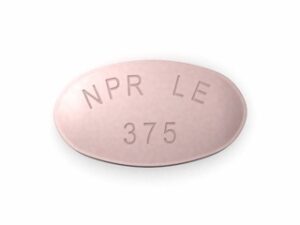


Cyclosporine (for use in the UK) — Patient Guide
Cyclosporine is an immunosuppressant medicine used to help control the activity of the immune system. It is prescribed for a range of conditions, including preventing organ rejection after transplantation and treating certain inflammatory or autoimmune diseases. Because cyclosporine can affect the kidneys, liver and blood pressure, and because it interacts with many other medicines and foods, careful monitoring and correct use are important.
This page explains how cyclosporine works, how it behaves in the body, what it is used for, how to take it, key interactions (including alcohol), safety considerations, and practical tips. It also covers UK availability and commonly asked questions.
Basic product information
| Topic | Details |
|---|---|
| Generic name | Cyclosporine |
| Common medicine type | Immunosuppressant |
| How it is usually supplied | Oral capsules, oral solution (and sometimes modified-release formulations, depending on the brand) |
| How it is taken | By mouth, typically once or twice daily depending on formulation and treatment plan |
| Monitoring needs | Blood tests for kidney function, liver function, blood pressure, and (in some settings) blood levels of cyclosporine |
| Key precautions | Infections, kidney effects, high blood pressure, interactions with many medicines and foods |
How cyclosporine works (mechanism of action)
Cyclosporine helps calm an overactive immune response. It does this by blocking an important pathway inside immune cells called “T-cell activation.” More specifically, cyclosporine binds to a protein inside cells (cyclophilin), and this complex then inhibits calcineurin, a signalling enzyme required for the immune cells to multiply and produce inflammatory signals.
By reducing the activity of T-lymphocytes, cyclosporine:
- Helps prevent rejection of transplanted organs by lowering immune attack
- Reduces inflammation and immune-driven damage in certain diseases
- Can improve symptoms while decreasing flare-ups in selected conditions
Pharmacokinetics: how the body handles cyclosporine
Pharmacokinetics describes what the body does to a medicine—how it is absorbed, distributed, metabolised, and eliminated. Cyclosporine has variable absorption, meaning blood levels can vary between individuals and even day-to-day.
Absorption
Cyclosporine is absorbed from the gut after oral dosing. The amount absorbed can change depending on formulation and what is taken with it (including food).
Distribution
It binds strongly to blood components and is distributed widely throughout the body. Because of this, it requires consistent dosing and careful monitoring in people at higher risk.
Metabolism (breakdown)
Cyclosporine is mainly metabolised in the liver by enzymes in the cytochrome P450 system (particularly CYP3A4/5). This is why it has many interactions with other medicines that either inhibit or induce these enzymes.
Elimination
Cyclosporine is eliminated largely through bile and the digestive tract, with a smaller amount leaving via urine. The half-life can vary, and steady blood levels depend on consistent daily dosing and formulation.
Blood level monitoring
In transplantation and other settings where maintaining a specific therapeutic range matters, clinicians may measure cyclosporine blood levels. This helps balance effectiveness with reduced risk of toxicity (for example, kidney injury).
Typical uses in the UK
Cyclosporine is used in specialist settings for conditions where immune suppression is beneficial. Common indications include:
- Organ transplantation to help prevent rejection
- Severe inflammatory or autoimmune conditions where other treatments may not be enough or may not be suitable
- Some skin, eye, or other immune-mediated disorders depending on local guidance and product licensing
Indications can vary based on the specific formulation and clinical judgement. Your healthcare team will choose the most appropriate option for your diagnosis and risk profile.
Timing: when and how to take cyclosporine
Taking cyclosporine consistently helps maintain stable exposure. Timing may differ depending on the exact product. Always follow the directions given for your individual regimen.
General timing tips
- Take it at the same times each day to support steady blood levels.
- Be consistent with food: either take it consistently with meals or without meals (according to your plan), because food can affect absorption.
- Do not switch products or formulations (for example, from one brand to another or from one release type to another) without checking with your prescriber/pharmacist, as blood levels can differ.
If you miss a dose
If you miss a dose, take it when you remember unless it is close to the next dose. In most cases, do not take a double dose. If you are unsure, check with a pharmacist.
Food interactions and effects on absorption
Food can affect how much cyclosporine is absorbed. For this reason, many regimens aim for a consistent approach rather than random meal timing.
What to watch for
- Consistency matters: take cyclosporine in the same way each day (for example, always with a similar meal pattern).
- Grapefruit and grapefruit juice may increase cyclosporine exposure due to effects on drug-metabolising enzymes—avoid unless your healthcare team says otherwise.
- High-fat meals may change absorption for some formulations. Keep meals consistent and discuss changes with your pharmacist.
Alcohol interactions
Alcohol may increase strain on the liver and can worsen side effects such as dizziness or tiredness. While cyclosporine is not always directly contraindicated with alcohol, combining the two can increase the risk of complications, especially in people with liver issues or those taking interacting medicines.
If you drink alcohol, it is often safest to keep intake low and occasional and to seek advice from a pharmacist—particularly if you experience nausea, dizziness, abdominal discomfort, or unusual fatigue after drinking.
Medicine interactions: what to avoid and what to tell your pharmacist
Cyclosporine has significant interaction potential because it is metabolised by CYP enzymes and transported by proteins that many other medicines also affect. Interactions can lead to:
- Higher cyclosporine levels → increased risk of kidney problems, high potassium, neurological effects, and other toxicity
- Lower cyclosporine levels → reduced effectiveness and, in transplant patients, increased rejection risk
Common categories of medicines that may interact
- Antifungal medicines (for example, azoles such as ketoconazole, itraconazole, voriconazole)
- Macrolide antibiotics (for example, clarithromycin, erythromycin)
- Some antivirals (including certain HIV or hepatitis treatments)
- Calcium channel blockers and other cardiovascular medicines (interaction risk varies)
- Anticonvulsants (some can lower cyclosporine levels)
- Rifampicin (can significantly reduce cyclosporine exposure)
- St John’s wort (herbal remedy) may reduce cyclosporine levels
- NSAIDs (painkillers such as ibuprofen, naproxen): in combination with cyclosporine, there may be increased kidney risk, especially if dehydrated
- Potassium supplements and potassium-sparing diuretics: risk of raised potassium
What to do before starting any new medicine
- Tell your pharmacist about all medicines you take, including over-the-counter products and herbal supplements.
- Ask whether any new medicine is expected to increase or decrease cyclosporine levels.
- Do not start, stop, or change doses without advice.
If you are taking multiple medicines, it can be helpful to keep an up-to-date list (including strength and dosing times) and bring it to appointments.
Dosing: how cyclosporine dosing is typically determined
Cyclosporine dosing is individualised. The correct dose depends on your condition, kidney function, liver function, blood pressure, and (in transplant settings) blood cyclosporine levels and other immunosuppressive medicines used with it.
General dosing principles
- Start dose is selected by your clinician based on diagnosis and risk factors.
- Adjustment over time: doses may be reduced or increased to achieve the desired balance of efficacy and safety.
- Blood monitoring may guide changes, especially in transplantation.
Typical schedules
Dosing frequency differs by formulation and treatment plan. Many regimens are taken once or twice daily. If your medicine is modified-release, the dosing pattern may differ and should not be swapped with immediate-release products.
Practical note on switching products
Changing brands or release formulations can alter drug levels. If you receive a different product than usual (for example, due to supply changes), check with your pharmacist before continuing at the same dose.
Safety profile: important warnings and side effects
Like all medicines, cyclosporine can cause side effects. Not everyone will experience them, but some effects require prompt medical attention. Your healthcare team will balance benefits against risks and monitor you regularly.
Common side effects
- Headache
- Tiredness or feeling unwell
- Gastrointestinal symptoms such as nausea
- Tremor in some people
- Increased hair growth and/or gum overgrowth (more common with long-term use)
- Skin changes or swelling
- Raised blood pressure
Serious side effects (seek urgent medical advice)
- Signs of infection (fever, chills, persistent sore throat, unusual cough, painful urination)
- Kidney problems: reduced urine output, swelling in legs/face, sudden weight gain
- Severe allergic reaction: rash with swelling of face/lips, breathing difficulties
- Neurological symptoms: severe confusion, seizures, significant vision changes
- Severe or persistent shortness of breath or chest pain
Why monitoring is essential
Cyclosporine can affect kidney function and increase blood pressure. It may also affect electrolytes (such as potassium and magnesium) and liver enzymes. Monitoring typically includes blood tests and blood pressure checks. In many cases, clinicians also assess cyclosporine blood levels.
Pregnancy, breastfeeding and fertility
If you are pregnant, trying to conceive, or breastfeeding, discuss this with a clinician. Immunosuppressant regimens may be adapted depending on the condition being treated and trimester-specific risks.
Practical use tips for day-to-day life
Practical tips can help you take cyclosporine safely and reduce the chance of avoidable problems.
- Keep it consistent: take at the same times each day and follow the same meal pattern.
- Use the same product: if you notice the appearance or brand has changed, check first with your pharmacist.
- Stay hydrated: dehydration can increase kidney stress, especially if you use painkillers such as NSAIDs.
- Protect against infection: wash hands regularly, avoid close contact with people who have contagious infections, and seek advice early if you develop fever.
- Attend monitoring appointments: kidney/liver blood tests and blood pressure checks are key for early detection of problems.
- Oral hygiene: gum overgrowth is associated with cyclosporine—use good dental care and attend regular dental check-ups.
- Sun protection: immunosuppression can increase skin sensitivity—use sunscreen and protective clothing.
Alternative options (depending on the condition)
“Alternative options” depend on what cyclosporine is being used for and your individual medical history. For immune-mediated conditions, your clinician may consider other immunosuppressants or biologic therapies.
Common alternatives that may be considered in certain situations (as directed by specialists) include:
- Tacrolimus (another calcineurin inhibitor)
- Azathioprine
- Mycophenolate mofetil
- Sirolimus/everolimus (mTOR inhibitors)
- Biologic medicines for selected inflammatory conditions
Switching medicines is a clinical decision. If you are interested in alternatives, discuss risks, monitoring differences, and how each option fits your diagnosis.
Market and legal context in the UK
In the United Kingdom, cyclosporine products are regulated medicines and are supplied under UK medicines legislation via authorised routes. Availability can vary by brand, formulation, and local prescribing patterns.
UK healthcare practice typically emphasises:
- Appropriate monitoring for immunosuppressants
- Medicines safety through interaction checks
- Consistency of formulation where maintaining stable drug levels is important
- Patient education to reduce dosing errors
Recent guidance and monitoring trends
Over recent years, UK and international clinical practice has continued to highlight:
- Therapeutic drug monitoring where appropriate, especially in transplant care
- Vigilance for infections in immunosuppressed patients
- Careful review of interactions, particularly with antibiotics, antifungals, and metabolic enzyme modulators
- Blood pressure and kidney function monitoring as routine safety measures
Guidance can evolve, and local protocols differ by specialty and condition. Always rely on advice from your healthcare team for the most up-to-date recommendations relevant to you.
Delivery and availability (UK)
Online pharmacies in the UK typically supply cyclosporine products that are authorised and available through regulated supply chains. Stock can vary due to manufacturing schedules, formulation availability, and prescribing patterns.
- Product availability may differ between brands (for example, capsule versus oral solution and modified-release versus immediate-release).
- Ordering ahead is advisable if you have regular monitoring schedules or if you need uninterrupted treatment.
- Packaging and appearance may vary—always confirm you have the intended strength and formulation.
If your usual product is temporarily unavailable, your pharmacist may discuss suitable options. Avoid self-directed switching because of potential differences in blood levels.
FAQ
1) Is cyclosporine a steroid?
No. Cyclosporine is not a corticosteroid. It is an immunosuppressant that acts by inhibiting T-cell activation through the calcineurin pathway.
2) Why do I need blood tests while taking cyclosporine?
Cyclosporine can affect the kidneys, liver, blood pressure and blood chemistry. Blood tests help detect changes early and guide dose adjustments. In some cases, blood level monitoring ensures exposure remains within a safe and effective range.
3) Can I take cyclosporine with meals?
Food can influence absorption. The safest approach is to take cyclosporine in the same way each day (with or without meals) as advised for your specific formulation. If you change your meal pattern significantly, discuss it with your pharmacist.
4) Can I drink alcohol while on cyclosporine?
Occasional, small amounts may be acceptable for some people, but alcohol can worsen side effects and increase strain on the liver. If you drink, keep intake low and seek advice—especially if you have liver issues, kidney concerns, or you feel unwell.
5) What infections should I watch out for?
Because cyclosporine suppresses the immune system, it can make infections more likely or more serious. Contact a clinician promptly for fever, chills, persistent sore throat, breathlessness, painful urination, or any rapidly worsening symptoms.
6) Are there foods I should avoid?
Grapefruit and grapefruit juice may interact and increase cyclosporine levels, so it is usually advised to avoid them unless your healthcare team has given specific guidance.
7) Can I take ibuprofen or other painkillers?
Some painkillers, especially NSAIDs such as ibuprofen, may increase kidney risk when combined with cyclosporine—particularly if you are dehydrated. Ask your pharmacist what is safest for your pain/fever.
8) What should I do if I miss a dose?
Take it when you remember unless it is near the next dose. Do not take a double dose. If you are unsure, ask a pharmacist for advice.
9) Can I switch between brands or formulations?
It is best to avoid switching without checking. Different brands and release types may change blood levels. If your supply changes, consult your pharmacist before continuing.
10) How long does cyclosporine take to work?
Some symptoms may improve within weeks, but the full effect depends on the condition being treated and your response. In transplant care, the regimen is typically established early and maintained with monitoring.
When to seek urgent help
Seek urgent medical advice if you develop signs of serious infection (such as high fever or feeling very unwell), severe allergic reaction symptoms, significant swelling, reduced urine output, severe shortness of breath, chest pain, seizures, or sudden severe confusion.
This guide is intended to help you understand cyclosporine and support safe use. For personalised advice about your condition, monitoring schedule, and interactions, contact a pharmacist or healthcare professional.