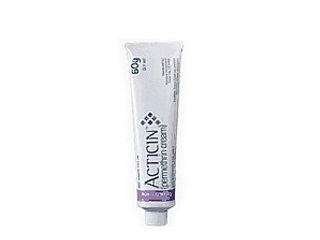
Permethrin (Topical) – Patient Guide (UK)
Permethrin is an insecticide medicine used to treat certain skin infestations. It works by targeting the nervous system of parasites, helping to kill them and relieve symptoms such as intense itching. This guide explains what permethrin is, how it works, how to use it, and important safety information—written for patients in the United Kingdom.
Please note: product names and strengths can vary (for example, cream or lotion, depending on the infestation and age group). Always read the specific patient information leaflet for your exact product.
Quick facts
- Medicine: Permethrin
- How it’s used: Topically on the skin (cream or lotion)
- Common uses in the UK: Scabies and head lice (depending on product strength)
- How it works: Kills the parasite by disrupting nerve function
- Key practical point: Some conditions need a repeat treatment to ensure success
- Common side effects: Mild skin irritation, burning, redness, or itching
Basic product information
| Feature | What to expect |
|---|---|
| Active ingredient | Permethrin |
| Medicinal form | Topical cream or lotion (product depends on indication) |
| Typical strength | Varies by product (commonly 5% for scabies; head lice products may differ) |
| Where applied | Infested skin areas or hair/scalp, as directed for your condition |
| Storage | Store as stated on the packaging; keep out of sight and reach of children |
Mechanism of action (how permethrin works)
Permethrin belongs to a group of medicines called pyrethroids. It acts on the parasite’s nervous system:
- It interferes with nerve signals by affecting sodium channels in the parasite’s nerve cells.
- This disrupts normal nerve function, leading to paralysis and death of the parasite.
- Permethrin also helps to reduce infestation by killing lice/mites and reducing the ability of remaining parasites to survive.
Importantly, itching may continue for a short period even after the parasites are killed, because your skin may still be reacting to the infestation.
Pharmacokinetics (what happens to the medicine in the body)
When used as directed on the skin, permethrin is usually absorbed only in small amounts.
- Absorption: Absorption through skin is generally limited. The level absorbed may increase if applied over larger areas, on broken skin, or repeatedly.
- Distribution: Once absorbed, it is distributed through the body, but levels typically remain low.
- Metabolism: Permethrin is broken down in the body (mainly in the liver).
- Excretion: Metabolites are mainly eliminated via the kidneys (urine).
For most people using permethrin topically for skin infestations, systemic exposure is low.
Typical uses in the UK
Permethrin is widely used in the UK for infestations that respond to topical pyrethroids. The most common indications include:
- Scabies: A contagious infestation caused by Sarcoptes scabiei mites. It causes intense itching, often worse at night.
- Head lice: Infestation with Pediculus humanus capitis (product strength and formulation may vary by pharmacy product).
Your specific permethrin product will state its indication and directions. Using the wrong formulation or strength for your condition may reduce effectiveness.
Indications and signs to look for
Scabies – what to look for
- Persistent itching, often worse at night
- Small bumps or rashes, commonly on hands, wrists, elbows, waistline, genital area
- Possible tracks (thin lines) on the skin
- Close contacts may develop symptoms too
Head lice – what to look for
- Itching of the scalp
- Small insects or nits (eggs) attached to hair shafts
- Infestation can spread among children and households
How to use permethrin: timing and application
The exact timing depends on the condition and product. The following sections describe common approaches used for permethrin in the UK. Always follow your product’s instructions.
Scabies (commonly a 5% permethrin cream)
Typical instructions often include:
- Day 1: Apply to the skin as directed (often covering most of the body from the neck down).
- Leave on for the recommended time: Many scabies regimens specify a set application duration (often around 8–12 hours) before washing off.
- Day 2: Wash off after the recommended time.
- Second dose: Often repeated about 7 days later to treat mites that hatch from eggs.
- Household/contact treatment: Close contacts are usually treated at the same time to prevent re-infestation.
Head lice (product dependent)
Head lice regimens may include:
- Day 1: Apply to the scalp/hair as directed and leave for the specified time.
- Comb through: Use a fine-tooth comb to remove lice and eggs.
- Repeat treatment: Some products require repeating after about a week, while others follow different schedules. Follow the leaflet for your exact product.
Dosing (general guidance)
Because permethrin products vary by indication and strength, dosing guidance must be specific to the product you purchase. Do not substitute one permethrin product for another.
- Use only the amount stated in your leaflet.
- Apply thoroughly to the target areas (e.g., for scabies, commonly from neck down, including between fingers and toes—again depending on your instructions).
- Avoid eyes, lips, and inside the nose unless the product directions explicitly allow otherwise.
- Do not reapply more frequently than recommended.
If you are unsure which product you have, check the label for its strength and indication, then follow the written directions carefully.
Practical step-by-step tips (to improve success)
Before application
- Read the leaflet fully so you know the leave-on time and whether repeat treatment is required.
- Wash hands before and after applying (unless your instructions say otherwise).
- Check product suitability for your age group and skin condition.
During application
- Apply evenly to all required areas.
- Don’t miss common trouble spots: for scabies, areas like between fingers/toes, under nails, around wrists and waistline may be important (follow your leaflet).
- Keep away from heat sources and smoking while the product is on the skin, especially if using creams on large surfaces.
After application
- Wash off at the recommended time.
- Repeat if scheduled (often around 7 days for scabies and some head lice regimens).
- Clean bedding and clothing as advised:
- Machine washable items: wash at the temperature recommended in your guidance.
- Items that can’t be washed: store in sealed bags for the recommended period or as the leaflet advises.
Managing itching after treatment
Itching may continue even when the infestation has been treated. This can be due to ongoing skin inflammation. Contact a clinician if symptoms are worsening, spreading, or not improving, or if you suspect treatment failure or reinfestation.
Food interactions
Because permethrin is used topically, food interactions are not expected. No specific dietary changes are generally required.
Alcohol and medicine interactions
There are no known direct alcohol interactions with topical permethrin. In most cases, you can continue normal alcohol intake.
However, practical considerations still apply:
- Other skin medicines: Avoid applying other creams or ointments to the same area unless advised.
- Steroids and other anti-itch treatments: If you use additional topical treatments, follow your leaflet and seek advice if you are unsure.
- Systemic medicines: Since absorption is generally low, interactions with tablets are unlikely.
Safety profile (side effects and warnings)
Common or mild side effects
- Skin irritation (burning, stinging)
- Redness
- Itching or temporary worsening of itching
- Dryness or rash
Less common effects
- Allergic reactions (such as swelling or more severe rash)
- Eye irritation if it gets into the eyes
When to seek urgent medical advice
Get medical help promptly if you experience:
- Signs of a serious allergic reaction (e.g., difficulty breathing, widespread swelling)
- Severe skin reactions, blistering, or worsening extensive rash
- Severe eye pain or persistent eye irritation
Who should take extra care
- Infants and young children: Use according to the product’s age guidance.
- Pregnancy or breastfeeding: Many topical treatments can be used, but check product guidance or seek advice for your situation.
- Broken or infected skin: Follow leaflet advice; absorption may increase.
- Asthma or sensitivities: Rarely, irritation of the skin can trigger discomfort; if you have a history of sensitivity to insecticides, seek advice.
Using permethrin safely: key precautions
- Avoid inhalation and ingestion: Apply only to the skin/hair as directed.
- Avoid eyes and mouth: If contact occurs, rinse thoroughly with water.
- Don’t use on large open wounds unless directed.
- Dispose of used materials safely (e.g., packaging, comb waste) according to normal household hygiene practices.
- Wash clothing and bedding as instructed to prevent reinfestation.
Alternative options
Depending on the infestation, product availability, age, severity, and local guidance, alternative treatments may include:
For scabies
- Other topical scabicides (alternative pyrethroids or related products, depending on availability)
- Oral anti-parasitic medicines may be used for some cases by healthcare professionals, especially when topical treatments are difficult or for outbreaks
For head lice
- Dimeticone- or silicone-based products (mechanism differs; may be used in some cases)
- Other anti-lice lotions/sprays where appropriate
- Physical removal (wet combing) as an adjunct to treatments
If treatment seems unsuccessful, it may be due to missed areas, reinfestation from close contacts, or resistance patterns. A pharmacist or clinician can help choose the most suitable option.
UK market and legal context (what to know)
In the United Kingdom, medicines are regulated and supplied through licensed channels. Availability can vary between:
- Pharmacy-only products (often requiring pharmacist advice)
- General sale products (availability depends on formulation and indication)
- Different pack sizes for adults versus children
Permethrin products used for scabies and head lice have been widely used for many years. However, national public health advice continues to emphasise correct application, treating close contacts where needed, and following up if symptoms persist.
Resistance can occur in some lice populations depending on the active ingredient, which is why combing, follow-up timing, and adherence to instructions are important for effective outcomes.
Recent guidance and practical public health advice (UK)
Recent UK-facing guidance for infestations typically focuses on:
- Using treatment correctly (including leave-on time and repeat dosing when required)
- Managing close contacts (especially for scabies)
- Reducing reinfestation risk through cleaning and laundering of bedding/clothing
- Recognising persistent itching after successful scabies treatment
If you have already used permethrin and symptoms continue, it is often helpful to consider reinfestation, whether the repeat dose was taken at the correct time, and whether close contacts were treated.
Delivery and availability from a UK online pharmacy
Permethrin topical treatments may be available online depending on the product type and supply rules. Delivery times vary by supplier and location within the UK.
- Dispatch: Many online pharmacies dispatch orders promptly once payment is confirmed.
- Delivery: Home delivery is typically available across the UK. Estimated delivery windows are shown at checkout.
- Packaging: Medicines are supplied in manufacturer or pharmacy packaging with clear labelling and leaflet information.
- Stock availability: Availability may vary; if a product is out of stock, alternatives may be offered.
Always ensure the product you receive matches the indication you need (scabies vs head lice) and check the expiry date.
FAQ about permethrin
1) How soon will permethrin work?
Many people notice reduced itching and fewer symptoms after treatment. However, for scabies, itch can persist for days or longer because the skin remains inflamed. If you suspect ongoing infestation, follow-up timing (including repeat dosing) is important.
2) Why do I need to repeat the treatment for scabies?
Some scabies treatment schedules include a second application about a week later to kill mites that hatch from eggs after the first treatment.
3) Can I bathe or shower before using permethrin?
You can usually bathe before application if it’s not too close to application time and if your product instructions allow. Follow the leaflet for the most accurate direction. After treatment, wash off when the recommended leave-on time is reached.
4) Will permethrin kill all lice/mites immediately?
It is designed to kill parasites on contact during the treatment window. Repeating treatment when advised, and combing (for head lice), increases the chance of clearing the infestation completely.
5) What if I still see lice after treatment?
Lice may still be visible for a short time after effective treatment. Nits (eggs) can remain attached to hair. Proper combing and the correct repeat schedule are key. If you’re unsure, seek advice from a pharmacist or clinician.
6) Can I use permethrin on my face?
Use depends on the condition and the product’s directions. For many scabies regimens, the application is mainly from the neck down, but your leaflet should provide explicit instructions for areas such as the face and scalp (especially for children).
7) Is permethrin safe for children?
Many permethrin products are used in children, but the appropriate formulation and age guidance must be followed. Check the leaflet carefully and ask for advice if your child is very young or has sensitive skin.
8) What should I do if it gets in my eyes?
Rinse thoroughly with water immediately and seek medical advice if irritation persists or is severe.
9) Will permethrin affect other medicines or alcohol?
Direct interactions with alcohol are not expected. Because systemic absorption is generally low, medicine–medicine interactions are unlikely. Avoid applying multiple skin products at the same time unless advised.
10) What if symptoms get worse after starting treatment?
Some irritation can occur, but rapid worsening, severe rash, or signs of allergy require medical advice. It can also indicate reinfestation or incorrect use, so review timing, coverage, and contact treatment where relevant.
When to get further help
Consider speaking to a pharmacist or clinician if:
- You have used permethrin correctly but infestations persist
- There is worsening skin infection, severe swelling, or widespread rash
- It involves vulnerable groups (very young children, pregnancy, complex skin conditions)
- Household outbreaks keep recurring despite treatment
With correct application, timing, and hygiene measures, permethrin can be an effective option for many people.