


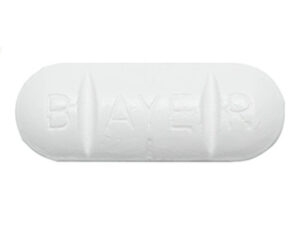
Albenza (Albendazole) – Patient Information (UK)
Albenza contains albendazole, an anti-parasitic (anthelmintic) medicine used to treat a range of worm infections in the body. It works by stopping parasites from using the energy they need to survive and multiply.
This guide is written to help you understand how Albenza works, what it’s used for, how it is typically taken, and what to watch for. It also covers common interactions and practical tips. Always follow the instructions provided with your medicine and consult a healthcare professional if you are unsure.
Basic product information
| Category | Details |
|---|---|
| Medicine name | Albenza |
| Active ingredient | Albendazole |
| Medicine type | Anti-parasitic (anthelmintic) |
| Common strengths (varies by product) | Typically tablets (availability may vary) |
| How it’s taken | Oral (by mouth) |
Note: Different parasitic infections require different dose schedules and treatment durations. Always use the regimen specified for your condition.
How Albenza works (mechanism of action)
Albendazole belongs to a group of medicines called benzimidazoles. It targets the parasite’s internal processes:
- Disrupts parasite energy metabolism: Albendazole interferes with the parasite’s ability to use glucose (a key energy source).
- Blocks microtubule formation: It disrupts microtubules (structures involved in cell division and transport), which prevents growth and reproduction.
- Reduces parasite viability: Over time, the parasite is weakened and eliminated by the body.
In infections like cystic disease (e.g., Echinococcus), treatment aims to reduce the viability of cysts. In some cases, multiple courses or longer treatment may be required, depending on the location and severity.
Pharmacokinetics (how the body handles it)
Understanding pharmacokinetics can help explain food interactions and why some instructions include taking the medicine with meals.
- Absorption: Albendazole is absorbed from the gut but overall absorption can be limited.
- Metabolism: Albendazole is metabolised in the liver to an active metabolite (albendazole sulfoxide).
- Distribution: The active metabolite distributes through tissues, which is important for infections in organs beyond the intestines.
- Elimination: Metabolites are eliminated mainly via the liver and kidneys.
- Influence of food: Taking with fat-containing meals can increase the amount absorbed.
Practical takeaway: Your prescriber or pharmacist may advise taking Albenza with food to improve absorption, especially for certain infections.
Typical use in the UK
Albenza is used to treat certain parasitic infections that affect the intestines and, in some cases, tissues in the body. Examples include:
- Intestinal worm infections (selected nematodes and cestodes, depending on local guidance and diagnosis)
- Liver and tissue cyst infections in specific scenarios, where a prolonged regimen may be required
- Other specific parasitic diseases diagnosed by a clinician (exact indication depends on parasite type and site)
Because parasite species and severity vary, treatment choice, dosing, and duration must match the diagnosis confirmed by stool tests, imaging, serology, or other investigations.
Indications (when Albenza may be used)
In clinical practice, albendazole is commonly used for:
- Enteric helminth infections such as certain roundworm or tapeworm infections
- Echinococcal infections (cystic disease due to Echinococcus), in combination with specialist care
- Other parasitic infestations where albendazole is an appropriate option based on diagnosis and guidelines
Important: Not every suspected “worm infection” is treated with albendazole. Correct identification of the parasite helps determine the right medicine and regimen.
Dosing and timing (general guidance)
Dose regimens depend heavily on the specific parasite and infection site. Albenza is usually taken as a number of tablets by mouth over a defined course.
Common scheduling examples (not a substitute for your personal plan):
- Some intestinal infections: may be treated with a single dose or shorter courses.
- Tissue cyst infections: often require longer treatment, sometimes in repeating cycles.
How to take Albenza:
- Take it by mouth at the times advised.
- Try to take doses around the same time each day to maintain steady drug levels.
- With food (often recommended): food—especially fat-containing meals—may improve absorption.
What if you miss a dose?
- If you miss a dose, take it when you remember unless it is close to your next dose.
- Do not take a double dose to make up for a missed tablet.
- If you are on a longer course, check with a healthcare professional or pharmacist for advice specific to your schedule.
Food interactions (what to eat and when)
Albendazole absorption can be increased when taken with meals, so your clinician may recommend taking Albenza with food, particularly for tissue-related indications or longer regimens.
- Generally: Taking with a meal is commonly advised.
- Typical approach: Take the tablet after or with food, depending on your local instructions.
- Consistency helps: If your plan says “with food,” try to take each dose with a similar type of meal.
Grapefruit and similar foods: There is no universal requirement to avoid grapefruit with albendazole, but individual medicine interactions may still apply depending on what else you take.
Alcohol and medicine interactions
Alcohol
There is no absolute universal rule that you must avoid alcohol with albendazole, but caution is sensible because:
- Albendazole is metabolised in the liver. Alcohol may also affect the liver, and heavy or frequent drinking could increase the risk of liver stress.
- During prolonged courses, liver monitoring may be recommended; alcohol may complicate this.
Practical advice: If you are having liver tests or a long course, consider avoiding alcohol or keeping it to a minimum, and discuss your situation with a pharmacist or clinician.
Other medicines that may interact
Tell your pharmacist or clinician about all medicines you are taking, including over-the-counter products, herbal supplements, and vitamins. Some medicines can change the level of albendazole in your body.
Examples of interaction considerations:
- Medicines that affect liver enzymes may change albendazole metabolism.
- Other liver-affecting medicines: combining multiple medicines that stress the liver may increase risk.
- Hormonal therapies and other treatments: always check because metabolism pathways can overlap.
Always check: If you take regular medication (for example, for seizures, HIV, tuberculosis, or other long-term conditions), ask a healthcare professional to review interactions.
Safety profile and side effects
Like all medicines, albendazole can cause side effects. Many people experience none or only mild effects. Side effects may be more likely or more significant during longer treatment courses.
Common side effects
- Headache
- Nausea and stomach upset
- Abdominal pain or cramping
- Dizziness
- Changes in liver function tests (often discovered through blood tests, especially during longer courses)
Less common but important adverse reactions
- Allergic reactions (rash, itching, swelling, breathing difficulty)
- Blood count changes (e.g., reduced white blood cells or platelets), which may require monitoring
- Worsening symptoms related to the infection—this can be disease-related rather than medicine-related, particularly with tissue cysts
Seek urgent medical help if you get
- Signs of a serious allergic reaction: swollen face/lips, trouble breathing, widespread hives
- Severe or persistent vomiting
- Yellowing of skin/eyes, very dark urine, or severe fatigue (possible liver problem)
- Unexplained bruising or frequent infections (possible blood count change)
Safety in special situations
Pregnancy and breastfeeding
Pregnancy: Albendazole safety depends on the infection being treated and the trimester. Some parasitic infections can be serious, and clinicians may recommend treatment when benefits outweigh risks. Always get medical advice if you are pregnant or trying to conceive.
Breastfeeding: Guidance may vary by indication and duration. Discuss with a healthcare professional.
Children
Dosing for children must be carefully adjusted by age and weight for many indications. If you are dosing a child, confirm the dose and schedule with a qualified clinician or pharmacist.
Liver disease
Because albendazole is metabolised in the liver, extra caution is needed for people with liver impairment. Liver function monitoring may be advised during treatment, particularly if treatment is prolonged.
Monitoring during longer courses
For extended regimens or certain serious infections, clinicians may request:
- Blood tests to check liver enzymes
- Full blood count to monitor blood cell levels
Follow-up matters: Attending monitoring appointments helps catch problems early.
Practical use tips (getting the most from treatment)
- Take with food if advised: this can improve absorption.
- Stick to the schedule: finish the course as instructed even if you feel better.
- Keep notes: record dose times, and any side effects or symptoms.
- Hygiene to prevent reinfection:
- Wash hands regularly, especially after using the toilet and before preparing food.
- Wash bedding and clothing if advised for your specific infection.
- If household transmission is possible, ask a clinician whether other family members should be treated.
- Watch symptoms closely: some infections can cause ongoing symptoms as cysts shrink or as parasites die.
- Do not self-change your regimen: different parasites require different dosing strategies.
Alternative options
Depending on the parasite species, location, and severity, other medicines may be used instead of or alongside albendazole. Alternatives can include:
- Mebendazole (another benzimidazole anti-parasitic)
- Praziquantel (often for certain tapeworm infections)
- Ivermectin (for particular parasitic infestations)
- Other specialist regimens for serious tissue infections
Key point: Which alternative is suitable depends on the exact diagnosis. If your symptoms persist or tests confirm a different parasite, your treatment plan may need to change.
UK market and legal context
In the United Kingdom, medicines are regulated to ensure safe supply and appropriate use. Anti-parasitic medicines such as albendazole may be available in different routes (depending on strength, formulation, and indication). Supply may require clinical assessment to confirm the correct diagnosis and regimen.
Online pharmacies typically operate within UK legal frameworks and may provide advice to support safe use. Availability can vary by supplier and by medicine strength/formulation.
Recent guidance overview (high level):
- Clinicians and public health guidance emphasise diagnosis-specific treatment for helminth infections.
- For certain serious parasitic diseases involving tissues, guidance often stresses specialist-led care, monitoring, and appropriate imaging/lab follow-up.
Because recommendations can evolve, the best source of up-to-date guidance for your situation is your clinician, pharmacist, or NHS/public health resources.
Delivery and availability (UK)
Availability of Albenza (albendazole) may vary across online pharmacies and over time. Delivery options commonly include standard and express services, depending on the pharmacy and your location in the UK.
- Ordering: check the available pack size and strength.
- Packaging: medicines are typically supplied in tamper-evident packaging.
- Delivery times: depend on the service level selected and local courier schedules.
- Storage: store at room temperature in a cool, dry place, out of sight of children (follow label instructions).
If you have urgent symptoms (for example, severe abdominal pain, fever, or signs of allergic reaction), seek medical care promptly rather than waiting for delivery.
FAQ
1) What is Albenza used for?
Albenza (albendazole) is used to treat certain parasitic infections, depending on the parasite species and the site of infection (intestines and, for some conditions, tissues). The correct regimen depends on the diagnosis.
2) How quickly will I feel better?
Timing varies. For intestinal infections, symptoms may improve within days, but the parasite elimination process and symptom resolution can take longer. For tissue cyst infections, improvement may be slower and monitored with follow-up tests or imaging.
3) Should I take Albenza with food?
Often, yes—food can improve absorption. Follow the specific instruction provided with your treatment plan or by your pharmacist.
4) Can I drink alcohol while taking Albenza?
It’s sensible to limit alcohol, especially during prolonged courses or if you have liver concerns. Alcohol may increase stress on the liver. If unsure, ask a healthcare professional.
5) What side effects are most common?
Common side effects include headache, nausea, stomach upset, and abdominal discomfort. Some people may have changes in liver function tests, particularly during longer treatment courses.
6) Do I need blood tests?
For longer treatment courses or certain serious infections, clinicians may recommend blood tests (such as liver enzymes and blood counts). Follow the monitoring schedule given to you.
7) What if I miss a dose?
If you remember soon after missing it, take it when you remember unless it’s close to the next dose. Do not take a double dose. If you are on a multi-day regimen, contact a pharmacist for advice tailored to your schedule.
8) Can Albenza be used for everyone?
Not always. Special caution may be needed for pregnancy, breastfeeding, children (dosing must be accurate), and people with liver disease. Always seek advice if you fall into a higher-risk group.
9) Can I treat household members too?
Sometimes household transmission is possible, but whether others should be treated depends on the specific parasite and circumstances. Ask a healthcare professional for guidance.
10) Are there alternatives to Albenza?
Yes. Depending on the infection, other anti-parasitic medicines (such as mebendazole, praziquantel, or ivermectin) may be used. The best option depends on diagnosis.
For safe use: Read the information in the medicine leaflet provided with your pack and speak to a pharmacist if you have questions about timing, interactions, or side effects.