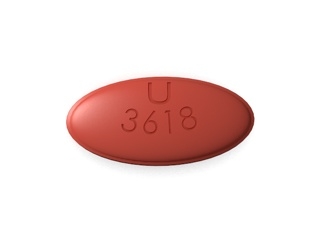

Vantin (Cefpodoxime) – Patient Information
Vantin is the brand name for cefpodoxime, a prescription antibiotic used to treat certain bacterial infections. This page is designed to explain what Vantin is, how it works, when it’s used, and how to take it safely. Always follow the instructions provided with your medicine and read the patient information leaflet included with your supply.
Quick Overview
- Active ingredient: Cefpodoxime (a cephalosporin antibiotic)
- Type: Antibiotic used for bacterial infections
- Common forms: Tablets and oral suspension (strengths vary)
- How it works: Stops bacteria from building their protective cell wall
- Typical course: Often 5–10 days, depending on infection
- Key safety points: Take the full course as directed; seek urgent help for severe allergy symptoms
What is Vantin?
Vantin (cefpodoxime) belongs to the cephalosporin class of antibiotics. It is used to treat infections caused by susceptible bacteria. Cefpodoxime works by interfering with bacterial cell wall synthesis, which leads to bacterial death or stops bacterial growth.
Cefpodoxime is sometimes chosen when it is expected to be effective against the likely bacteria causing a specific infection. Selection depends on the infection type, local guidance, and your individual medical history.
Mechanism of Action
Cefpodoxime works against bacteria by targeting proteins called penicillin-binding proteins (PBPs). These PBPs are involved in building and maintaining the bacterial cell wall.
- Cell wall disruption: Cefpodoxime binds to PBPs and blocks the final steps of cell wall formation.
- Bacterial weakening: Without a properly formed cell wall, bacteria become vulnerable and die or can’t multiply effectively.
- Bactericidal effect: In many susceptible organisms, cefpodoxime acts in a way that kills bacteria.
How Vantin is Absorbed (Pharmacokinetics)
“Pharmacokinetics” describes what the body does to the medicine—how it’s absorbed, distributed, metabolised, and eliminated.
Absorption
Cefpodoxime is absorbed after oral dosing. Food can influence how much drug reaches the bloodstream.
Distribution
Once absorbed, cefpodoxime distributes into body tissues and fluids. It is used for infections where the medicine can reach therapeutic levels against susceptible bacteria.
Metabolism
Cefpodoxime is not extensively metabolised. Most of the active drug remains active in the body.
Elimination
Cefpodoxime is mainly eliminated by the kidneys. People with reduced kidney function may need dose adjustments or extra monitoring, depending on their clinician’s advice.
Typical Uses in the UK
Vantin is used for specific bacterial infections. It is not effective against viruses such as colds, flu, most sore throats, or viral bronchitis.
Common indications (examples)
- Upper and lower respiratory tract infections (where caused by susceptible bacteria), such as:
- Exacerbations of chronic bronchitis (in selected cases)
- Some bacterial throat or sinus infections
- Some ear infections
- Urinary tract infections (UTIs) when caused by susceptible organisms
- Skin and soft tissue infections in selected situations
- Other infections where cefpodoxime is recommended by clinical guidance
The exact indication depends on the suspected bacteria and the infection site. Clinicians may use local prescribing guidelines and, in some cases, microbiology results.
When to Take Vantin (Timing and How Often)
Cefpodoxime is commonly taken twice daily in many regimens, but dosing schedules can vary depending on infection type, age, kidney function, and the formulation prescribed.
General timing guidance
- Try to space doses evenly (for example, morning and evening).
- Take at about the same times each day to maintain steady levels.
- Complete the full course, even if you feel better.
If you miss a dose, follow the advice in your patient information leaflet. In general, take the dose when you remember unless it is close to the time for the next dose—avoid doubling up.
Food Interactions: Taking Vantin with or without Meals
Food can affect the absorption of cefpodoxime. In many cases, cefpodoxime is recommended to be taken with food to improve absorption and reduce stomach upset.
- With meals (often preferred): Helps ensure consistent absorption.
- Consistency matters: Try to take each dose the same way (either consistently with food or consistently as instructed).
If your leaflet or prescriber instructions specify a particular timing relative to meals, follow those instructions.
Alcohol and Vantin
There is no universally required alcohol “avoidance” for cefpodoxime in the same way that some antibiotics require strict avoidance. However, alcohol can:
- Worsen side effects such as stomach upset or dizziness in some people.
- Make it harder to maintain hydration if you are unwell.
- Slow recovery from the underlying infection.
As a general precaution, it’s sensible to limit or avoid alcohol while you’re taking antibiotics and especially during the early days of illness.
Medicine Interactions (Other Medicines and Supplements)
Interactions depend on the individual medicines you take. Some interactions can affect how well cefpodoxime works, increase risk of side effects, or require dose adjustments.
Key interaction themes to be aware of
- Kidney function and other renally cleared medicines: Because cefpodoxime is eliminated via the kidneys, people with kidney impairment may need review of other medicines.
- Antacids and acid-reducing medicines: Products that affect stomach acidity (such as some antacids) may reduce absorption for some antibiotic regimens. Discuss with a pharmacist if you use these regularly.
- Probiotics and gut health products: Generally not a harmful interaction, but they may affect how you experience digestive side effects. Use based on your clinician’s or pharmacist’s advice.
- Other antibiotics or medicines affecting the gut: Combining antibiotics can change the balance of bacteria in the gut and may increase risk of diarrhoea in some people.
Before starting Vantin, consider checking with a pharmacist if you take:
- Medicines for kidney disease
- Chronic antacids or reflux medicines
- Medicines that affect blood clotting (e.g., warfarin—requires closer monitoring in general with many antibiotics)
- Immunosuppressants or medicines that affect the immune system
Keep an up-to-date list of all medicines and show it to your pharmacist or clinician. This includes prescription medicines, over-the-counter products, and herbal remedies.
Dosing Information (Adults and Children)
Dosing varies based on the infection being treated, age, weight (in children), kidney function, and the formulation. Always use the specific dose and schedule provided for you.
| Group | What dosing depends on | What to follow |
|---|---|---|
| Adults | Type of infection, severity, kidney function | Your prescribed strength and dosing frequency |
| Children | Weight, age, infection type, kidney function | Weight-based dose as instructed |
| People with reduced kidney function | Degree of kidney impairment | Possible dose adjustment and monitoring |
| Older adults | Often kidney function and overall health | Use the dose tailored to you |
Important: Do not switch between tablet and suspension doses without checking the exact strength and how many milligrams you should receive.
How to Use Vantin in Practice (Practical Tips)
General use
- Shake the suspension thoroughly before measuring a dose.
- Use an accurate measuring device (oral syringe or spoon supplied or recommended), not a kitchen teaspoon.
- Take with food if instructed to improve absorption and reduce stomach upset.
- Keep track of the course using a calendar or phone reminders.
If you vomit after taking a dose
If vomiting occurs soon after dosing, absorption may be incomplete. The appropriate action depends on how soon you vomited and your leaflet instructions. Ask your pharmacist for advice.
What to expect
- You may start feeling better within 24–48 hours for some infections, but this varies.
- If symptoms significantly worsen or do not improve after a few days, contact a clinician for advice.
Safety Profile: Side Effects and When to Seek Help
Like all medicines, Vantin can cause side effects. Many are mild and temporary, but some require urgent medical attention.
Common side effects (may be mild)
- Diarrhoea (often mild)
- Nausea or stomach discomfort
- Headache
- Vaginal itching/discharge (possible yeast overgrowth)
- Rash
Serious side effects (seek urgent advice)
- Allergic reactions such as swelling of the face/lips, breathing difficulties, wheezing, or widespread rash (possible anaphylaxis or severe hypersensitivity). Seek urgent help immediately.
- Severe or persistent diarrhoea, especially if watery or bloody, or accompanied by fever or severe abdominal pain (possible severe gut inflammation). Contact a clinician urgently.
- Severe skin reactions (e.g., blistering, peeling skin, mouth sores) which may indicate a serious condition.
- Yellowing of the skin/eyes or dark urine, which may indicate liver issues.
Allergy caution
Tell a healthcare professional if you have previously had an allergic reaction to:
- Cephalosporin antibiotics (including cefpodoxime)
- Penicillin antibiotics (cross-reactions can occur in some people)
- Any other medicines
When Not to Self-Start or When to Get Advice First
You should not take Vantin unless it has been advised for your specific situation. Seek advice from a clinician or pharmacist if you:
- Have a known allergy to cephalosporins or penicillin
- Have a history of severe allergic reactions
- Have significant kidney impairment
- Have ongoing severe diarrhoea or inflammatory bowel disease
- Are pregnant, trying to conceive, or breastfeeding (discuss with a clinician)
Alternative Options
Alternatives depend on the infection type, the suspected or confirmed bacteria, your allergies, and local antibiotic guidance.
Examples of alternative antibiotic classes (not a complete list)
- Penicillins (e.g., amoxicillin) in some infections
- Macrolides (e.g., azithromycin or clarithromycin) in selected cases
- Tetracyclines for certain bacterial targets
- Other cephalosporins with different spectra
A pharmacist or clinician can help determine what alternative may be appropriate if Vantin is unsuitable due to allergy, side effects, or resistance patterns.
UK Market and Legal Context (Information for Customers)
In the United Kingdom, antibiotics such as Vantin are regulated medicines. They are supplied under UK medicines legislation and are generally intended for use under appropriate clinical assessment, in line with antimicrobial stewardship principles.
Prescribing and supply practices aim to reduce unnecessary antibiotic use and to slow the development of antibiotic resistance. Local and national guidance emphasises using antibiotics only when bacterial infection is likely and when benefits outweigh risks.
Recent UK guidance and stewardship (high level)
- Antibiotics should be used only when there is a reasonable likelihood of bacterial infection.
- Choice of antibiotic should reflect local resistance patterns and infection characteristics.
- Patients should be supported to complete courses and to manage symptoms while treatment takes effect.
Delivery and Availability in the UK
Availability can vary depending on formulation, strength, and stock levels. When ordered online through a UK pharmacy, delivery options may include standard or next-day services depending on location and the pharmacy’s arrangements.
- Dispatch times: Often dependent on stock availability and order verification.
- Delivery area: Typically available across the UK, subject to carrier and pharmacy policies.
- Packaging: Medicines are usually delivered in protective packaging with patient information materials.
If you have urgent symptoms or concerns about timing, consider contacting the pharmacy to confirm dispatch and delivery lead times.
Frequently Asked Questions (FAQ)
1) What is Vantin used for?
Vantin (cefpodoxime) is used for certain bacterial infections, such as some respiratory tract infections, urinary tract infections, and skin/soft tissue infections where cefpodoxime is suitable.
2) How quickly will I feel better?
Some people notice improvement within 1–2 days, but this varies depending on the infection, severity, and the bacteria involved. If there is no improvement after a few days, or if symptoms worsen, contact a clinician.
3) Can I stop taking Vantin early if I feel better?
It’s important to finish the full course as directed. Stopping early can increase the chance of the infection returning or not fully clearing.
4) Should I take Vantin with food?
In many cases, cefpodoxime is advised to be taken with food to improve absorption and reduce stomach side effects. Follow the instructions provided with your product.
5) What should I do if I miss a dose?
Check your leaflet for exact instructions. Generally, take the dose when you remember unless it is close to the next dose, and do not double up.
6) Is it safe to drink alcohol while taking Vantin?
Alcohol isn’t always strictly prohibited with cefpodoxime, but it may worsen side effects and slow recovery. It’s safest to limit or avoid alcohol while you’re ill.
7) Can Vantin cause diarrhoea?
Yes. Mild diarrhoea can occur. Seek urgent medical advice if diarrhoea becomes severe, watery, bloody, or is associated with fever or significant abdominal pain.
8) What if I have an allergy to penicillin?
Some people with penicillin allergy may react to cephalosporins, though the risk varies. Inform a healthcare professional about any past antibiotic reactions before taking cefpodoxime.
9) Can children take Vantin?
Cefpodoxime may be used in children for appropriate bacterial infections. Dosing is typically weight-based and must match the exact strength and formulation.
10) What if I’m pregnant or breastfeeding?
Discuss with a clinician. The decision depends on your specific health situation and the infection being treated.
Key Points to Remember
- Vantin (cefpodoxime) is an antibiotic used for certain bacterial infections.
- It works by disrupting bacterial cell wall formation.
- Food can affect absorption; take it as instructed (often with meals).
- Complete the full course and seek medical advice if symptoms worsen or you develop severe diarrhoea or an allergic reaction.
- Alcohol may worsen side effects; limit or avoid during treatment when possible.
- Talk to a pharmacist if you take other medicines or have kidney problems.