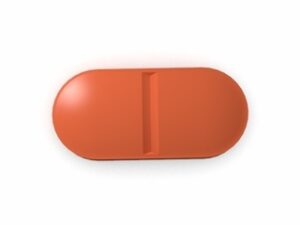
Minomycin (Minocycline) – Patient Information (UK)
Minomycin is a brand name for minocycline, an antibiotic from the tetracycline group. It is used to treat a range of bacterial infections and some inflammatory conditions where bacteria may play a role. This page is designed to help you understand how minocycline works, how it is usually taken, common side effects, important interactions, and practical tips for safe use in the United Kingdom.
Always read the patient information leaflet (PIL) supplied with your medicine and follow local advice from your healthcare professional.
Key facts at a glance
- Medicine name: Minomycin (minocycline)
- Type: Tetracycline antibiotic
- Common uses: Certain bacterial infections and specific inflammatory conditions (e.g., acne)
- How it works: Stops bacteria from making essential proteins
- Typical dosing form: Usually tablets or capsules (strength varies)
- Important considerations: Can interact with dairy/antacids/iron; may cause dizziness; photosensitivity may occur
Basic product information
Minomycin contains minocycline, which is active against a variety of bacteria. In the UK, minocycline-containing products are available in different strengths and formulations depending on the brand and manufacturer.
| Feature | What it means for you |
|---|---|
| Medicinal ingredient | Minocycline |
| Drug class | Tetracycline antibiotic |
| Action | Inhibits bacterial protein synthesis |
| Typical treatment length | Varies by indication (infection vs acne vs other uses) |
| Availability in the UK | Supplied under NHS/private services per local prescribing and supply arrangements |
How Minomycin works (mechanism of action)
Minocycline works by inhibiting bacterial protein synthesis. It binds to the bacterial ribosome (specifically the 30S subunit), preventing the bacteria from producing the proteins they need to grow and multiply. Because it targets protein production, it is generally described as having a bacteriostatic effect (stops bacterial growth rather than directly killing them).
In some conditions such as acne, minocycline’s effects go beyond simple antibacterial action. It can reduce inflammation and may inhibit certain processes that contribute to lesions.
Pharmacokinetics: how the body absorbs, distributes, and eliminates it
Understanding pharmacokinetics can help you take your medicine at the right times and avoid interactions.
- Absorption: Minocycline is absorbed from the gastrointestinal tract. Absorption can be reduced by certain minerals and substances that bind to tetracyclines.
- Distribution: It distributes into many tissues, including skin and other areas where it may be needed.
- Metabolism: The extent of metabolism varies; minocycline is partially metabolised.
- Elimination: Minocycline is eliminated primarily via urine and faeces. Clearance may be altered in significant kidney or liver impairment.
- Onset of action: For infections, symptoms may improve within a few days, but you should complete the intended course to reduce the risk of relapse and resistance.
Typical uses (indications) in the UK
Minomycin/minocycline may be used for:
- Bacterial infections caused by susceptible organisms (depending on local guidance and clinical judgement).
- Inflammatory conditions such as acne, particularly where antibiotics are considered appropriate and used as part of a broader acne plan.
- Other specific infections or conditions where minocycline is considered suitable based on culture results and sensitivity testing when available.
Antibiotics should be used only when needed. Use of antibiotics where they are unlikely to help can increase the risk of side effects and antibiotic resistance.
Dosing and timing: what is usually recommended
Dosing depends on the condition being treated, the severity, age, kidney/liver function, and other medicines you take. Always follow the dosing plan provided by your healthcare professional.
Common dosing patterns
- Adults: Often taken in one of the standard regimens used for tetracycline antibiotics (for example, once or twice daily), depending on the indication and formulation.
- Children and adolescents: Minocycline use in younger people may be restricted or guided by specific criteria due to risks associated with tetracyclines in developing teeth and bones. If you are seeking treatment for a child, confirm eligibility with a clinician.
How to take minocycline
- With water: Swallow tablets/capsules with a full glass of water.
- Stay upright: Sit or stand upright for at least 30 minutes after taking it to reduce the risk of irritation or reflux.
- Consistency: Try to take each dose at similar times each day.
- Complete the course: Even if you feel better, stop only when advised and according to the course you were given.
If you miss a dose
Take the missed dose as soon as you remember, unless it is close to your next dose. Do not take a double dose to make up for a missed one.
Food interactions: what to avoid and what to adjust
Minocycline can interact with certain foods and supplements, mainly due to binding in the gut.
- Dairy products and calcium-rich foods: Large amounts of dairy close to a dose may reduce absorption. If you regularly consume dairy, consider spacing minocycline from dairy-heavy meals by a few hours (your clinician or pharmacist may advise a specific interval).
- Antacids: Antacids containing aluminium, magnesium may reduce absorption. Separate dosing by several hours.
- Iron, zinc, and magnesium supplements: These can bind minocycline. Take supplements at a different time of day.
- Oral multivitamins: If they contain minerals such as iron, zinc, or magnesium, separate them from minocycline.
Practical approach: If you want easier routine management, take minocycline with water at a consistent time, and keep mineral supplements/antacids later in the day or earlier in the day, spaced by a few hours.
Alcohol and medicine interactions
Alcohol does not usually “cancel out” minocycline in the way some drug interactions do, but combining alcohol with antibiotics can increase risks such as:
- Stomach upset (nausea, indigestion)
- Increased dizziness or drowsiness in some people
- Possible liver stress with prolonged alcohol use or if you have liver problems
Recommendation: It’s best to limit alcohol while taking minocycline, especially during the first few days to see how you respond. If you develop unusual fatigue, yellowing of the skin/eyes, or dark urine, seek urgent medical advice.
Medicine interactions: important combinations to discuss
Minocycline can interact with other medicines. Tell your healthcare professional or pharmacist about all medicines you use, including over-the-counter products and herbal supplements.
Common interaction themes
- Minerals and adsorbents: Antacids and supplements containing aluminium/magnesium, iron, zinc, or calcium can reduce absorption.
- Retinoids: Using minocycline with isotretinoin (for acne) may increase the risk of certain side effects (e.g., effects related to pressure inside the skull). This combination requires careful clinical monitoring.
- Warfarin and blood thinners: Some tetracyclines can affect bleeding risk in susceptible individuals. Regular monitoring may be needed.
- Diuretics and other liver-affecting medicines: If you take medicines that affect the liver or have a history of liver problems, discuss suitability and monitoring.
- Antiepileptics and enzyme inducers: Some medicines can alter antibiotic levels.
This is not an exhaustive list. Your pharmacist can check interactions using your exact product and dose.
Safety profile: side effects and when to seek help
Like all medicines, minocycline can cause side effects. Many people experience mild effects, but some reactions require urgent attention.
Common side effects
- Dizziness or feeling light-headed
- Headache
- Nausea, indigestion, stomach discomfort
- Diarrhoea (mild)
- Skin sensitivity to sunlight (photosensitivity)
- Changes in skin pigmentation in some cases (usually with longer courses)
- Vaginal yeast infections may occur due to changes in normal flora
Serious side effects: get urgent medical advice if
- Severe or persistent diarrhoea, especially if watery or with blood or fever (could indicate a serious bowel reaction).
- Signs of allergy: swelling of face/lips, difficulty breathing, widespread rash, or hives.
- Yellowing of skin/eyes or severe fatigue (possible liver problems).
- Severe dizziness with fainting, or new neurological symptoms.
- Severe skin reactions (blistering, peeling skin, sores in the mouth).
- Persistent sore throat, unusual bruising, or infections (possible blood-related effects).
Photosensitivity: practical prevention
- Use SPF 30+ or SPF 50 broad-spectrum sunscreen.
- Avoid strong sun and sunbeds.
- Wear protective clothing and a hat when outdoors.
Practical use tips for best results
- Build a routine: Choose a consistent time that fits your meals and avoids mineral supplements.
- Mind the spacing: Separate minocycline from antacids and mineral supplements by a few hours.
- Hydration helps: Take with a full glass of water and stay upright after dosing.
- Protect from sun: Use sunscreen and reduce direct sun exposure.
- Track side effects: If dizziness or stomach upset occurs, note the time of dose and discuss adjustments with your pharmacist or prescriber.
- Avoid “stopping early”: Missing doses or stopping early can reduce effectiveness and encourage resistance.
- Complete acne plans: If using for acne, use non-antibiotic options as advised (e.g., moisturisers, benzoyl peroxide where recommended), because long-term antibiotic use should be managed carefully.
Alternative options
The best alternative depends on what you are treating (infection type, severity, previous treatments, culture/sensitivity results, and your medical history). Here are common alternatives clinicians may consider:
For bacterial infections
- Other antibiotic classes such as penicillins, cephalosporins, macrolides, or other tetracyclines (depending on the organism and site of infection).
- Topical or local therapies if appropriate for certain skin conditions.
For acne
- Topical treatments such as benzoyl peroxide, retinoids, or topical antibiotics (used according to guidance).
- Hormonal therapy in suitable patients (where indicated).
- Other oral options depending on severity, including other antibiotic choices or non-antibiotic systemic options.
Discuss alternatives with a healthcare professional if minocycline is not suitable due to side effects, interactions, or lack of benefit.
United Kingdom market and legal context (overview)
In the UK, antibiotic medicines are regulated and supplied under medicines legislation and clinical governance. Minocycline-based products are part of ongoing efforts to support appropriate antimicrobial use. You may find antibiotic stewardship resources through UK health bodies and professional guidance.
Antibiotics are most effective when used correctly, at the right dose, for the right duration, and only when needed. Overuse increases the risk of antibiotic resistance, which can make infections harder to treat in the future.
Recent guidance and stewardship principles
UK and international antibiotic stewardship consistently emphasise:
- Use antibiotics only when there is a likely bacterial cause.
- Select the narrowest effective option based on suspected organism and local resistance patterns.
- Review and reassess if symptoms do not improve as expected.
- Avoid prolonged or unnecessary antibiotic courses, especially for acne where long-term antibiotic use can be problematic.
- Use combination strategies for acne (often including non-antibiotic agents) to reduce resistance risk.
Delivery and availability (UK)
Availability can vary by manufacturer and formulation. In the UK, stock levels may change due to supply logistics. When ordering online, you should expect standard pharmacy fulfilment processes.
- Confirm product details: Check that you are selecting the correct strength and formulation.
- Delivery times: Delivery estimates depend on the service area and current operational schedules.
- Packaging: Medicines are supplied in appropriate, secure packaging to protect tablets/capsules from damage.
- Storage on arrival: Store according to the label instructions (commonly at room temperature, away from moisture and direct sunlight).
Storage and disposal
- Storage: Keep out of the sight and reach of children.
- Follow the label: Some products have specific temperature or humidity requirements.
- Disposal: Do not flush medicines. Return unused medicines to a community pharmacy for safe disposal where available, or follow local guidance.
FAQ: Minomycin (minocycline)
1) How long does it take for Minomycin to work?
For many bacterial infections, some improvement may be noticed within a few days. For acne, improvements are often gradual and may take several weeks. If there is no improvement after the expected timeframe, speak to a healthcare professional.
2) Can I take Minomycin with food?
Yes, many people take it with food to reduce stomach upset. However, avoid taking it at the same time as large amounts of dairy or mineral supplements, as these can reduce absorption. If stomach upset occurs, taking with a meal may help.
3) What should I do if I feel dizzy after taking it?
Dizziness can occur. Avoid driving or operating machinery if you feel unsteady. Taking the dose at a time when you can rest, staying well hydrated, and discussing symptoms with a pharmacist or healthcare professional can help. If dizziness is severe or persistent, seek medical advice.
4) Is it safe to drink alcohol while on Minomycin?
Moderate alcohol may not be strictly forbidden for everyone, but alcohol can worsen side effects such as stomach upset and dizziness. It’s safest to limit alcohol during treatment and avoid heavy drinking. Seek urgent advice if you develop symptoms suggestive of liver problems.
5) Can I take antacids or indigestion remedies?
Some indigestion medicines (especially those containing aluminium, magnesium, or calcium) may reduce minocycline absorption. If you need them, separate dosing by a few hours and ask your pharmacist for a specific schedule and suitable alternatives.
6) Are there sun-safety recommendations?
Yes. Minocycline can increase sensitivity to sunlight. Use sunscreen, wear protective clothing, and avoid sunbeds. If you develop a severe sunburn-like reaction, contact a healthcare professional.
7) Why should I avoid taking mineral supplements at the same time?
Iron, zinc, magnesium, and calcium can bind tetracyclines in the gut, lowering absorption and effectiveness. Space supplements from your minocycline dose by several hours (your pharmacist can advise the best interval based on your products).
8) What side effects are most concerning?
Seek urgent help for severe allergy symptoms, serious skin reactions, persistent severe diarrhoea (especially with blood or fever), yellowing of the skin/eyes, or severe ongoing dizziness. Mild nausea or mild diarrhoea should be monitored and discussed if persistent.
9) What if Minomycin doesn’t seem to help?
Lack of improvement may mean the infection is not susceptible, the diagnosis needs reassessment, or doses/timing may need adjustment. Contact your healthcare professional rather than stopping or doubling doses on your own.
10) Are there alternatives if I can’t tolerate it?
Yes, alternatives exist depending on the condition being treated. Your clinician can consider different antibiotics, topical treatments, or non-antibiotic options (particularly for acne) based on your needs and side effect history.
Important final reminders
- Minocycline is an antibiotic and should be used according to recommended guidance.
- Pay attention to food and supplement spacing to avoid reduced effectiveness.
- Protect yourself from the sun while taking minocycline.
- Seek urgent medical help for serious symptoms such as severe diarrhoea, allergic reactions, or signs of liver problems.
If you have questions about your specific dose, timing, or interactions with your current medicines, speak to a pharmacist or healthcare professional.