
Cleocin (Clindamycin) – Patient Information (UK)
Cleocin is a brand name for clindamycin, an antibiotic used to treat certain bacterial infections. This guide explains what Cleocin is, how it works, how it is used, important safety information, and practical tips to help you get the best results.
Note: Medicines differ between products and individuals. Always follow the instructions provided with your specific Cleocin pack and the advice of a qualified healthcare professional.
1) Basic product information
- Active ingredient: Clindamycin
- Brand name: Cleocin
- Antibiotic type: Lincosamide antibiotic
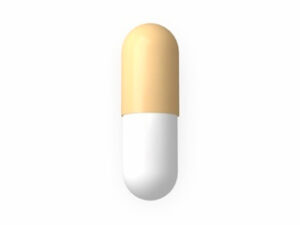
- Forms commonly available (UK): Depending on availability, clindamycin may be supplied as capsules and/or other formulations. Availability can vary.
- What it treats: Bacterial infections caused by clindamycin-susceptible organisms
If you are unsure which form you have (capsules vs. other), check the label on your package.
2) How Cleocin works (mechanism of action)
Clindamycin works by inhibiting bacterial protein synthesis. It binds to the 50S ribosomal subunit of bacteria, which stops the bacteria from making essential proteins needed for growth and survival.
Depending on the type of bacteria and drug concentration, clindamycin can be bacteriostatic (helping stop growth) or bactericidal (killing), though it is most commonly described as inhibiting bacterial growth.
3) Pharmacokinetics (how the body processes it)
Pharmacokinetics describe what the body does to a medicine—how it is absorbed, distributed, metabolised, and eliminated.
- Absorption: Clindamycin is absorbed after oral administration. Food can affect the speed of absorption.
- Distribution: It reaches many body tissues. Clindamycin can accumulate in sites of infection where bacteria are present.
- Metabolism: It is mainly metabolised by the liver to inactive and active metabolites.
- Elimination: It is eliminated largely via bile and kidneys (with metabolites contributing to excretion).
Practical takeaway: To maintain effective antibiotic levels, it’s important to take doses at the recommended intervals and finish the full course as directed.
4) Typical use – what infections it may be prescribed for
Clindamycin is used for infections where the likely bacteria are susceptible to it. Common indications in clinical practice include:
- Skin and soft tissue infections (including certain abscesses and wound infections)
- Dental infections (where appropriate)
- Bone and joint infections (in selected cases)
- Respiratory tract infections caused by susceptible organisms
- Some gynaecological and pelvic infections (as advised by clinicians)
- Infections where penicillin allergy or specific bacterial resistance is a concern
Because antibiotic susceptibility varies, use depends on the infection type, local resistance patterns, severity, and patient factors.
5) Indications and when it’s most suitable
Cleocin is generally considered when:
- The infection is caused by bacteria that are known or likely to be sensitive to clindamycin.
- Alternative antibiotics are unsuitable (for example, in certain allergy situations), or specific clinical judgement supports clindamycin.
- It is part of a treatment plan that may include drainage, wound care, or other measures.
Important: Clindamycin does not treat viral illnesses such as colds or flu.
6) Dosing – typical adult and child guidance (general information)
Do not self-adjust your dose. The correct dosing depends on the infection, severity, age, kidney/liver function, and whether the product is capsules or another formulation.
The dosing below is general and intended for patient understanding. Your clinician will provide a specific regimen.
6.1 Adults (general)
- Common total daily dosing often falls within a range such as 300 mg to 600 mg given in divided doses, depending on indication.
- Doses are usually split into 2 to 3 administrations per day (for example, morning/evening or morning/midday/evening), based on the prescribed schedule.
6.2 Children (general)
- Dosing in children is typically based on weight and the infection severity.
- In paediatrics, the exact schedule and formulation matter (capsule strength vs. alternative formulations).
6.3 Timing and missed doses
- Try to take doses at evenly spaced times.
- If you miss a dose, take it as soon as you remember unless it is close to the next dose.
- Do not take a double dose to make up for a missed one.
Tip: Setting reminders (phone alarms) can help you maintain correct intervals and complete the course.
7) Food interactions and how to take Cleocin
Food can influence how quickly clindamycin is absorbed. Many people can take clindamycin with or without food, but your product instructions should guide you.
- If the medicine upsets your stomach, taking it with food may improve tolerability.
- Stay consistent—taking it the same way each day helps maintain predictable absorption.
Practical example: Taking a capsule after a meal may reduce nausea for some people. If your leaflet says “take with water,” follow that guidance carefully.
8) Alcohol interactions
Clindamycin itself is not commonly associated with the same disulfiram-like reaction seen with some antibiotics. However, drinking alcohol can still be a poor idea while you are unwell and taking antibiotics.
- Avoid or limit alcohol if you can, especially if you have stomach upset, liver disease, or you feel very unwell.
- Alcohol may worsen fatigue, dehydration, and stomach irritation—factors that can make side effects harder to tolerate.
If you are unsure, check with a pharmacist, particularly if you are taking other medicines or have liver-related conditions.
9) Interactions with other medicines
Drug interactions can change how well Cleocin works or increase the chance of side effects. Tell your healthcare professional about all medicines you take, including over-the-counter products and supplements.
9.1 Common interaction considerations
- Neuromuscular blocking agents (used in hospital settings): clindamycin may potentially influence neuromuscular function in rare situations.
- Antidiarrhoeal medicines: If severe diarrhoea occurs, avoid self-treating with anti-diarrhoea products without medical advice, especially if you suspect antibiotic-associated diarrhoea.
- Other antibiotics: combination choices depend on infection type; unnecessary overlapping antibiotics can increase side effects.
9.2 Herbal and supplement interactions
Herbal products vary widely. As a precaution, discuss supplements (such as probiotics, St John’s wort, or others) with a pharmacist—particularly if you are taking multiple medicines.
Tip: Keep a list of your medicines and show it to the pharmacy staff when collecting your Cleocin supply.
10) Safety profile – who should be careful
Like all medicines, clindamycin can cause side effects. Most are mild, but some require urgent medical attention.
10.1 Common side effects
- Gastrointestinal effects such as nausea, vomiting, abdominal pain
- Diarrhoea
- Headache
- Skin reactions such as rash
10.2 Serious warning: antibiotic-associated diarrhoea and C. difficile
One of the most important safety concerns with clindamycin is the risk of Clostridioides difficile-associated diarrhoea (CDAD), which can occur during treatment or even weeks after finishing.
Seek urgent medical advice if you develop any of the following:
- Watery diarrhoea that is severe or persistent
- Diarrhoea with blood or mucus
- Fever and significant abdominal cramping
- Symptoms that worsen despite stopping the antibiotic dose (do not stop early unless advised)
10.3 Allergy and hypersensitivity
Stop taking clindamycin and seek urgent advice if you develop:
- Swelling of the face, lips, tongue, or throat
- Difficulty breathing
- Severe rash, blistering skin, or widespread hives
10.4 Liver-related issues
- Rarely, clindamycin may affect liver function. Contact a healthcare professional if you notice yellowing of the skin/eyes (jaundice), dark urine, or unusual fatigue.
10.5 People who need extra caution
- History of gastrointestinal disease, particularly colitis
- Previous antibiotic-associated diarrhoea
- Known allergy to clindamycin or related antibiotics
- Significant liver disease
11) Practical use tips for best results
- Complete the course: Even if you feel better, finishing treatment helps prevent relapse and reduces the chance of resistance.
- Keep timing consistent: Take doses at the same times each day.
- Hydration: If you get mild stomach upset or diarrhoea, drink fluids regularly.
- Watch for side effects early: If diarrhoea starts, monitor it closely—severe or persistent diarrhoea needs medical assessment.
- Oral hygiene & wound care: For dental or skin infections, good hygiene and wound management can significantly support recovery.
What to do if you miss a dose
Refer to section 6.3. In general, take the missed dose when you remember, unless it’s almost time for the next dose. If you’re unsure, ask a pharmacist.
Can you take it with other gut-support products?
Some people use probiotics during antibiotics. Evidence varies, but they may help some people reduce antibiotic-associated diarrhoea. If you choose to use probiotics, speak to a pharmacist for advice on timing and suitability for your situation.
12) Alternative options (discuss with a clinician/pharmacist)
Alternative treatments depend on the infection and suspected bacteria. Options may include:
- Different antibiotic classes (e.g., penicillins, cephalosporins, macrolides) depending on sensitivity and allergies
- Topical treatments for certain superficial skin infections (where appropriate)
- Supportive measures (pain relief, drainage, debridement, hydration)
If you’re unable to take clindamycin due to side effects or lack of effectiveness, your clinician may choose another antibiotic or treatment plan. Do not switch antibiotics without advice.
13) Market and legal context in the United Kingdom
In the UK, antibiotics are regulated medicines and use is guided by evidence-based practice, antimicrobial stewardship principles, and prescribing rules designed to protect public health.
- Antimicrobial stewardship: UK guidance emphasises using antibiotics only when needed and selecting the most appropriate agent to reduce resistance.
- Clinical assessment: The decision to use clindamycin depends on the diagnosis, severity, and likely bacteria.
- Pharmacy responsibilities: Pharmacists help ensure correct use, check interactions, and support safe supply.
Regulatory requirements can affect how antibiotics are supplied and how information is documented at the point of sale.
14) Recent guidance and stewardship notes (UK context)
UK health services regularly update antimicrobial guidance to reflect resistance patterns and best practice. Key themes relevant to clindamycin use include:
- Avoid using antibiotics for viral infections (e.g., colds, flu).
- Prescribe for the right infection and shortest effective duration where appropriate.
- Be alert to antibiotic-associated diarrhoea, especially with antibiotics known to increase C. difficile risk.
- Encourage patient adherence to reduce relapse and resistance.
If you’re concerned about whether clindamycin is the right choice for your situation, discuss it promptly with a clinician or pharmacist.
15) Delivery and availability (UK online pharmacy)
Availability of specific clindamycin formulations and pack sizes may vary. When you order from an online pharmacy:
- Check product details (strength, form, and pack size) before placing an order.
- Delivery times depend on location and courier service. Most UK deliveries aim for fast dispatch during working days.
- Cold-chain requirements: Clindamycin capsules do not typically require refrigeration.
- Stock updates: If a product is unavailable, the pharmacy may offer an alternative equivalent product where appropriate.
Storage: Store according to the packaging instructions (commonly at room temperature, away from direct heat and moisture). Keep out of sight and reach of children.
Returns/unused medicine: Follow your pharmacy’s policy and local guidance. Do not dispose of medicines via household waste if instructed otherwise—ask your pharmacy for advice.
16) FAQ – Frequently asked questions
How quickly will Cleocin start working?
Many people begin to notice improvement within 1–3 days of starting an effective antibiotic, depending on the infection. If there is no improvement after a few days, or symptoms worsen, contact a healthcare professional for reassessment.
Can I stop Cleocin early if I feel better?
Generally, you should finish the full course as directed. Stopping early can allow infection to return and may increase the risk of antibiotic resistance.
What should I do if I get diarrhoea while taking Cleocin?
Mild diarrhoea can occur with antibiotics. However, if your diarrhoea is severe, persistent, or contains blood, or you develop fever or significant abdominal pain, seek urgent medical advice. Don’t rely on over-the-counter anti-diarrhoea medicines without advice if you suspect antibiotic-associated diarrhoea.
Is it safe to drink alcohol while using clindamycin?
Moderate alcohol is not always explicitly contraindicated, but it may worsen side effects and can delay recovery. It’s safest to avoid alcohol until you feel better, especially if you have stomach upset or liver concerns.
Can I take Cleocin with food?
Many people can take clindamycin with or without food, but if your stomach is sensitive, taking it with food may help. Follow the directions in your specific product leaflet.
What if I miss a dose?
Take it when you remember unless it’s almost time for the next dose. Do not double. If you’re unsure, ask a pharmacist.
Can clindamycin be used in pregnancy or breastfeeding?
Clindamycin may be used in some pregnancy and breastfeeding situations when a clinician considers the benefits outweigh the risks. If you are pregnant, trying to conceive, or breastfeeding, discuss this with your healthcare professional before using clindamycin.
Is Cleocin used for acne?
Some antibiotics are used off-label or in selected dermatology regimens for acne depending on bacterial involvement and resistance considerations. Use for acne should be guided by a clinician, and antibiotic stewardship principles apply.
What are signs of an allergic reaction?
Seek urgent medical help if you experience swelling of the face/lips/tongue, breathing difficulties, severe rash, blistering skin, or widespread hives.
How should I store clindamycin?
Store at room temperature as stated on the pack, keep in the original container, and keep out of reach of children.
Summary
Cleocin (clindamycin) is an antibiotic used to treat certain bacterial infections. It works by stopping bacteria from making proteins they need to survive. Proper timing, adherence to the full course, and attention to side effects—especially severe or persistent diarrhoea—are key to safe and effective treatment. If you have questions about interactions, dosing schedules, or side effects, a pharmacist can help.