Norfloxacin (Norfloxacin) – Patient Information for the UK
Norfloxacin is an antibiotic medicine belonging to the fluoroquinolone group. It is used to treat certain bacterial infections, particularly of the urinary tract. This page explains how norfloxacin works, how it is used, common precautions, and practical tips to help you get the most benefit while minimising side effects.
Important: This information is for general guidance for people in the United Kingdom. Always follow the advice given by your clinician and the instructions on your medicine label or leaflet.
Basic product information
| Category | Details |
|---|---|
| Generic name | Norfloxacin |
| Medicine type | Antibiotic (fluoroquinolone) |
| Main uses | Bacterial infections—especially some urinary tract infections |
| How it works | Stops bacteria replicating by targeting essential bacterial enzymes |
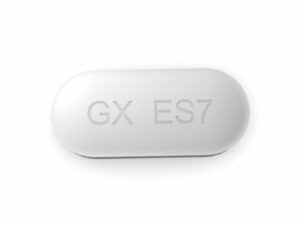
| Available forms | Oral tablets (strengths vary by brand/product) |
How norfloxacin works (mechanism of action)
Norfloxacin targets bacterial enzymes that are essential for DNA replication and bacterial survival:
- DNA gyrase (topoisomerase II)
- Topoisomerase IV
By inhibiting these enzymes, norfloxacin interferes with the bacteria’s ability to multiply. This helps your immune system clear the infection.
Key point: Antibiotics work only against bacteria, not viruses (such as colds or flu). Using antibiotics when they are not needed can increase the risk of future resistance.
Pharmacokinetics: how the body handles norfloxacin
“Pharmacokinetics” describes what the body does to the medicine—how it is absorbed, distributed, metabolised, and excreted.
- Absorption: Norfloxacin is absorbed after oral administration. Taking it correctly (timing and relation to food/other substances) can affect absorption.
- Distribution: It can reach relevant tissues and fluids; urinary tract penetration is a key reason it is used for urinary infections.
- Metabolism: A portion of the drug may be metabolised in the body.
- Elimination: Norfloxacin is mainly cleared via the kidneys, contributing to high levels in urine.
- Half-life: The duration of action depends on individual factors such as kidney function and overall health.
If you have reduced kidney function, your clinician may adjust the dose or choose an alternative medicine.
Typical uses and indications in the UK
Norfloxacin is used to treat susceptible bacterial infections. In the UK, it has historically been used for urinary tract infections and some other bacterial conditions, depending on local prescribing practices and sensitivity patterns.
Commonly considered indications include:
- Uncomplicated urinary tract infections (UTIs) caused by bacteria susceptible to norfloxacin
- Some complicated UTIs when appropriate and guided by clinical assessment or microbiology results
- Infections affecting the urinary tract in adults where a fluoroquinolone is considered suitable
Whether norfloxacin is appropriate for you depends on factors such as the type of infection, previous antibiotic exposure, allergy history, and local bacterial resistance patterns. Clinicians may request a urine sample for culture when needed.
When to take norfloxacin (timing and routine)
Follow your prescribed schedule exactly. Many regimens use fixed intervals (for example, twice daily). The aim is to keep effective drug levels in your system.
General timing tips:
- Try to take doses at regular intervals (e.g., morning and evening at similar times).
- Take the tablets with water.
- If you miss a dose, take it as soon as you remember unless it is close to the next dose. Do not take double the amount.
If you are unsure about timing, check the package leaflet or speak to a healthcare professional or pharmacist.
Food interactions and what to avoid
Food and fluids can affect norfloxacin absorption. Some substances bind to the antibiotic in the gut, reducing how much enters your bloodstream.
Important food and drink interactions:
- Dairy products (milk, yoghurt, cheese) and foods containing high levels of calcium may reduce absorption. Consider spacing doses away from large dairy intakes.
- Antacids and sucralfate can reduce absorption and should usually be separated from norfloxacin.
- Iron, zinc, and magnesium supplements can also interfere with absorption—separate timing is usually needed.
Because product instructions can vary, it is best to follow your leaflet and pharmacist’s advice. A common practical approach is to take norfloxacin with water and avoid taking calcium/iron/magnesium supplements at the same time.
Alcohol and medicine interactions
Alcohol: While there may not always be a direct “dangerous” interaction with norfloxacin, alcohol can worsen side effects such as dizziness, headache, stomach upset, and dehydration. For best results, it is generally recommended to limit alcohol during treatment, and avoid heavy drinking.
Medicine interactions: Norfloxacin can interact with certain medicines. Let a clinician or pharmacist know about all medicines you take, including over-the-counter products and supplements.
- Warfarin or other vitamin K antagonists: Fluoroquinolones may increase the risk of bleeding by affecting warfarin’s action. More frequent monitoring may be needed.
- Antiarrhythmics and QT-prolonging medicines: Some medicines that affect heart rhythm may increase the risk of QT prolongation. Your clinician will weigh risks.
- Corticosteroids: Using fluoroquinolones with corticosteroids can increase risk of tendon problems (including tendon rupture).
- Non-steroidal anti-inflammatory drugs (NSAIDs): In some cases, combining may increase risk of effects on the nervous system.
- Theophylline: Fluoroquinolones can increase the level of theophylline in the blood.
- Probenecid: May alter norfloxacin levels.
Mineral interactions (very common): Antacids and supplements containing aluminium, magnesium, calcium, iron, or zinc can reduce norfloxacin absorption. Separating doses usually helps.
If you are taking multiple medicines, ask your pharmacist for an interaction check and a simple dosing schedule.
Dosing: typical adult regimen (general information)
Dosing depends on:
- the type and severity of infection
- kidney function
- local resistance patterns
- whether a culture result is available
Typical dosing regimens may include:
- Often twice daily in adults for certain urinary infections
- Length of treatment varies; some courses are short for uncomplicated infections, while others may be longer for complicated cases
Always follow the dosing instructions on your package and the plan provided by your clinician. Do not change the dose or stop early without advice, even if you feel better.
If you have kidney impairment, dose adjustments may be necessary to prevent higher-than-expected drug levels.
Safety profile and important precautions
Like all antibiotics, norfloxacin may cause side effects. Most people experience mild or moderate effects, but some reactions can be serious. Be alert for symptoms that require urgent medical advice.
Common side effects
- Nausea or indigestion
- Diarrhoea or stomach discomfort
- Headache
- Dizziness
- Vaginal yeast infection (in women) due to changes in normal flora
Serious side effects: seek medical help urgently
Contact a healthcare professional promptly or seek urgent care if you experience any of the following:
- Allergic reaction: swelling of the face/lips, breathing difficulty, widespread rash or hives
- Severe or persistent diarrhoea, especially with blood or mucus (possible antibiotic-associated colitis)
- Tendon pain or swelling, especially the Achilles tendon; stop activity and seek advice if you develop tendon pain
- Signs of nerve effects such as numbness, tingling, burning pain, or weakness
- Severe dizziness, fainting, palpitations, or symptoms suggesting heart rhythm changes
- Seizures or severe agitation/confusion
- Severe skin reactions (blistering, peeling, or extensive rash)
Who should take extra care?
Discuss risk factors with a clinician or pharmacist, particularly if you:
- have a history of tendon disorders
- are taking corticosteroids
- have epilepsy or a history of seizures
- have known heart rhythm problems or a history of QT prolongation
- have myasthenia gravis
- have kidney disease
- are elderly, as risks may be higher
Practical use tips to get the best outcome
- Complete the course: Even if you feel better, continue for the full duration instructed to reduce the risk of relapse and resistance.
- Stay hydrated: Drink water regularly unless you’ve been told to restrict fluids.
- Separate interacting supplements/antacids: If you take iron, calcium, magnesium, or antacids, ask the pharmacist for a spacing plan.
- Avoid strenuous exercise if you feel tendon pain: Fluoroquinolones can affect tendons. Stop and seek advice if pain develops.
- Protect skin from sun: Some people experience increased sensitivity to sunlight. Use sun protection if you’re outdoors.
- Do not share antibiotics: Use only for the condition and person it was intended for.
- Monitor symptoms: If symptoms do not improve within the expected timeframe, contact your clinician. You may need reassessment or culture testing.
What to expect: improvement timeline
For many bacterial UTIs, some symptom improvement may be seen within 24–48 hours after starting effective treatment. However:
- Complete resolution can take longer.
- If fever, flank pain, vomiting, or worsening symptoms occur, seek medical advice promptly.
If you develop significant side effects, you should contact a healthcare professional rather than simply stopping without guidance.
Alternative options
Alternative antibiotics may be considered depending on:
- the infection site and severity
- urine culture and antibiotic sensitivity results
- allergies and prior antibiotic use
- patient factors such as kidney function and co-morbidities
For urinary tract infections, clinicians commonly consider alternatives such as:
- Nitrofurantoin (for appropriate lower UTIs where suitable)
- Trimethoprim (where appropriate and likely to be effective)
- Amoxicillin or co-amoxiclav (depending on local guidance and susceptibility)
- Cefalexin (sometimes used depending on the case)
Which alternative is best depends on your specific circumstances, including local resistance patterns and whether the infection is uncomplicated or complicated.
UK market and legal context (general information)
In the United Kingdom, medicines are regulated through a framework that includes authorisation, supply controls, and patient safety requirements. Antibiotics are treated as prescription-only medicines in most situations, and safe use is supported by guidance on antimicrobial stewardship.
Pharmacists and prescribers may follow national recommendations on:
- Choosing antibiotics appropriately
- Minimising unnecessary antibiotic use
- Considering local resistance
- Limiting duration when possible
For infection care, clinicians may use resources such as national and local guidance, including stewardship programmes and microbiology advice.
Recent guidance and stewardship considerations
Across the UK and internationally, there has been emphasis on reducing antibiotic resistance and using antibiotics responsibly. For fluoroquinolones, including norfloxacin, safety-focused guidance has historically highlighted potential risks to tendons, nerves, the nervous system, and heart rhythm. As a result, clinicians may:
- reserve fluoroquinolones for cases where benefits outweigh risks
- prefer narrower-spectrum antibiotics when appropriate
- use culture results where available
- review need for repeat courses
Always tell your clinician if you have previously taken a fluoroquinolone and how you tolerated it.
Delivery and availability (UK)
Availability of norfloxacin tablets can vary by manufacturer and packaging strength. If you order from an online pharmacy, your supply may depend on stock levels and whether the product is currently in distribution.
- Delivery: Most UK online pharmacies offer standard and express delivery options; delivery times depend on your location and dispatch schedules.
- Packaging: Medicines should arrive in manufacturer packaging with clear batch/expiry information.
- Storage: Store tablets as directed on the label (typically at room temperature, away from excess heat and moisture).
If you have questions about availability, the online pharmacy site should provide real-time stock information or expected dispatch times.
FAQ: frequently asked questions
1) What is norfloxacin used for?
Norfloxacin is an antibiotic used to treat infections caused by susceptible bacteria, most commonly urinary tract infections. The exact choice of antibiotic depends on the infection type, severity, and local resistance patterns.
2) How quickly should I feel better?
Many people notice some improvement within 24–48 hours. If your symptoms worsen or do not improve within the expected timeframe, contact a healthcare professional.
3) Can I take norfloxacin with food?
Food can affect absorption, and some foods or drinks (especially those high in calcium) may reduce how well the medicine works. Follow the product instructions and your pharmacist’s advice. If you’re unsure, ask how to space it from dairy or supplements.
4) Should I avoid alcohol?
It’s generally sensible to limit alcohol while taking norfloxacin because it may worsen side effects and dehydration. Avoid heavy drinking, and stop alcohol if you notice increased dizziness or stomach upset.
5) What medicines should not be taken at the same time?
Antacids and supplements containing calcium, magnesium, iron, or zinc can interfere with absorption. Warfarin and other interacting medicines require extra caution. Provide your full list of medicines to a pharmacist to confirm spacing and interactions.
6) What if I miss a dose?
Take it when you remember unless it is close to the next dose. Do not take a double dose. If you’re uncertain, ask your pharmacist for advice.
7) Can norfloxacin cause tendon problems?
Yes. Fluoroquinolone antibiotics can be associated with tendon inflammation and, rarely, tendon rupture. Stop exercising if you develop tendon pain or swelling and contact a clinician urgently for advice.
8) Is it safe to drive or operate machinery?
Norfloxacin can cause dizziness or headache in some people. If you feel unsteady or dizzy, avoid driving and risky tasks until you know how the medicine affects you.
9) What should I do if I get severe diarrhoea?
Stop the medicine and seek medical attention promptly if you develop severe diarrhoea, diarrhoea with blood/mucus, or diarrhoea that persists. Antibiotic-associated colitis can be serious.
10) Are there alternatives to norfloxacin?
Yes. Depending on your infection and bacterial sensitivity, clinicians may consider other antibiotics (for example, nitrofurantoin, trimethoprim, or others). Your clinician will choose the most suitable option for you.
Summary: key reminders
- Norfloxacin is a fluoroquinolone antibiotic used for certain bacterial infections, especially some urinary tract infections.
- Take it at regular intervals and follow dosing instructions carefully.
- Be mindful of food and supplement interactions—especially calcium, iron, magnesium, and zinc.
- Limit alcohol during treatment and seek advice for serious side effects.
- Complete the course as directed, and contact a clinician if you do not improve or if symptoms worsen.
Need help choosing? If you have kidney problems, take other medicines (especially warfarin), or have had fluoroquinolone reactions before, speak to a pharmacist for an interaction and safety check before starting.